McWilliams School of Biomedical Informatics, University of Texas Health Science Center at Houston, Houston, TX, USA.
Institute for Stroke and Cerebrovascular Disease, University of Texas Health Science Center at Houston, Houston, TX, USA.
BMC Med Inform Decis Mak. 2023 Jul 21;23(1):131. doi: 10.1186/s12911-023-02215-2.
Monitoring blood pressure and peripheral capillary oxygen saturation plays a crucial role in healthcare management for patients with chronic diseases, especially hypertension and vascular disease. However, current blood pressure measurement methods have intrinsic limitations; for instance, arterial blood pressure is measured by inserting a catheter in the artery causing discomfort and infection.
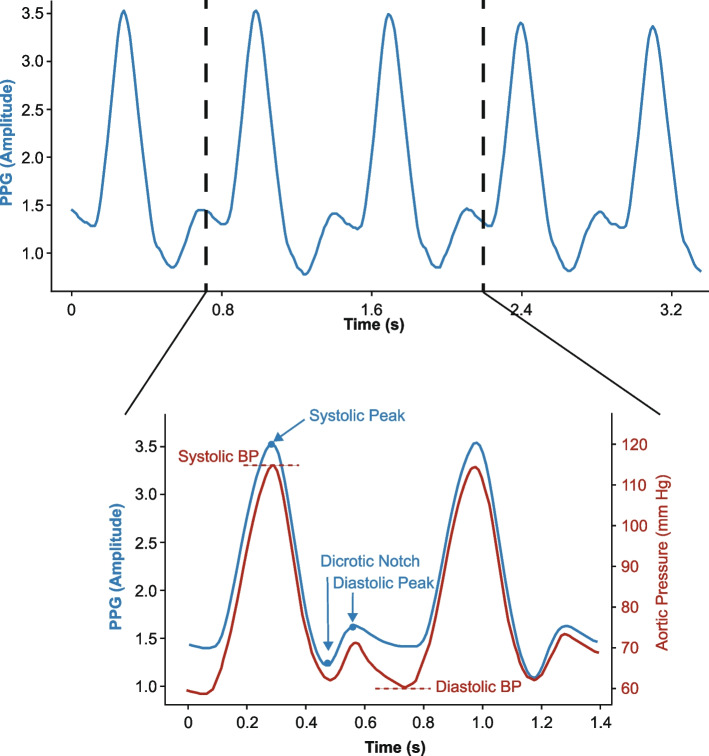
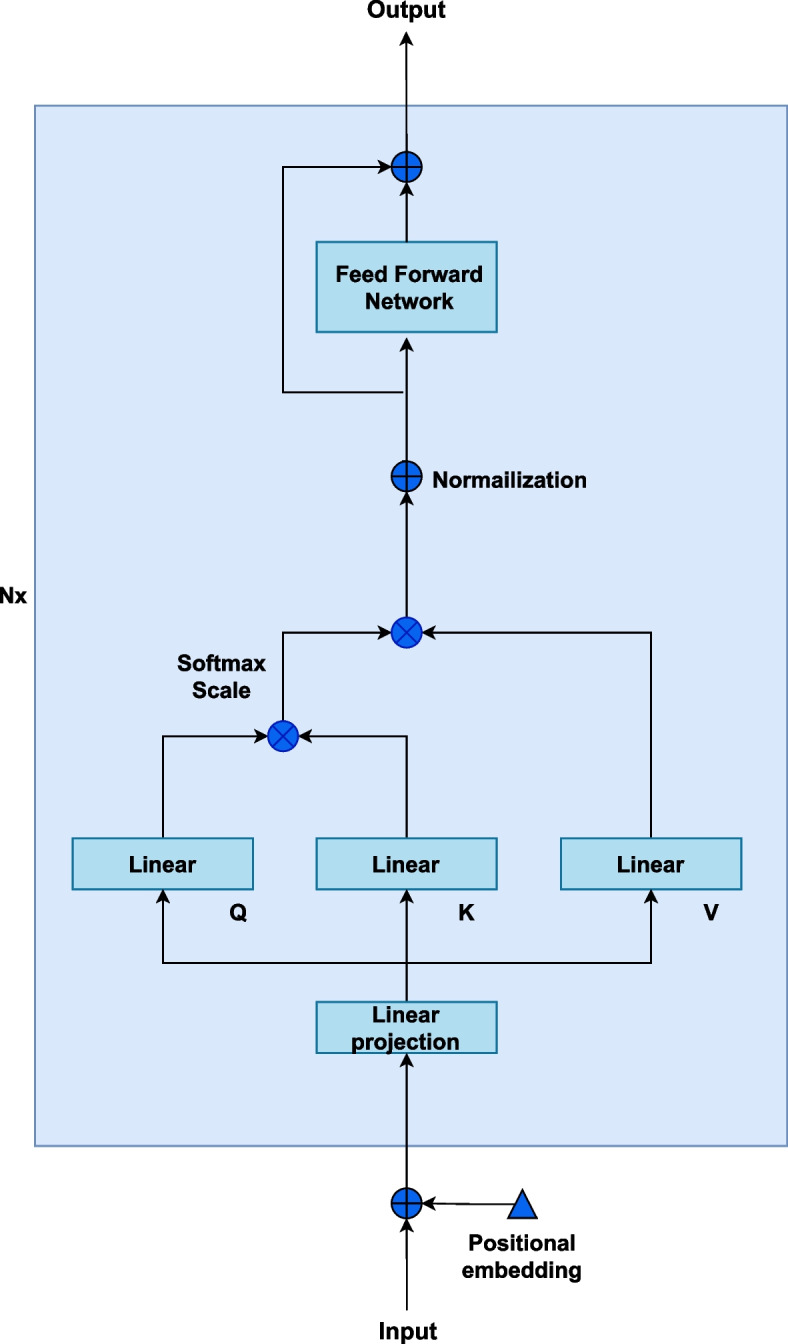
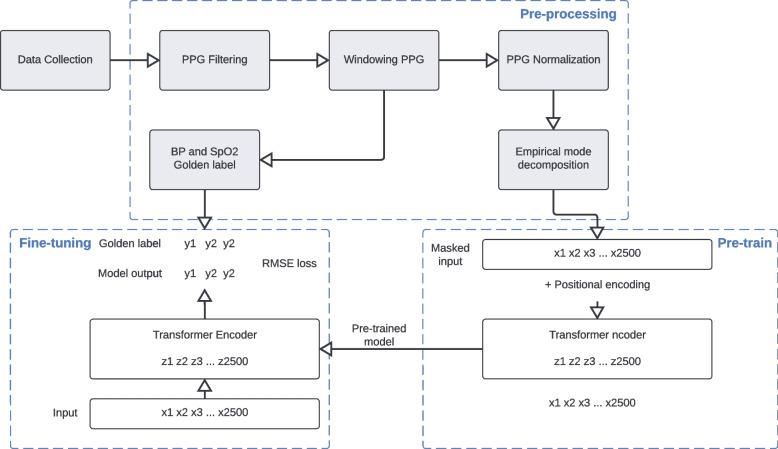
Photoplethysmogram (PPG) signals can be collected via non-invasive devices, and therefore have stimulated researchers' interest in exploring blood pressure estimation using machine learning and PPG signals as a non-invasive alternative. In this paper, we propose a Transformer-based deep learning architecture that utilizes PPG signals to conduct a personalized estimation of arterial systolic blood pressure, arterial diastolic blood pressure, and oxygen saturation.
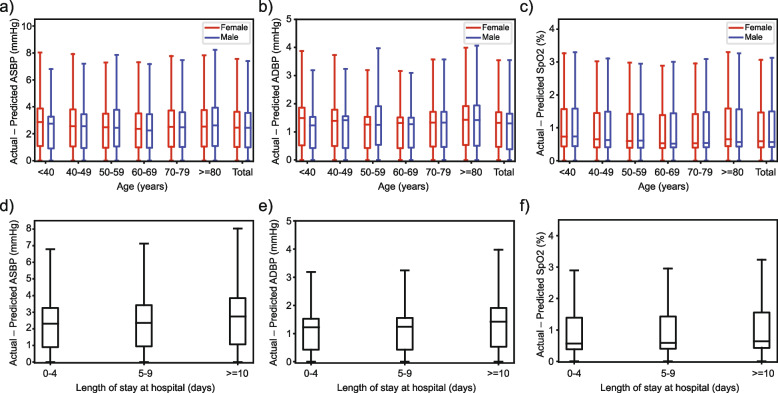
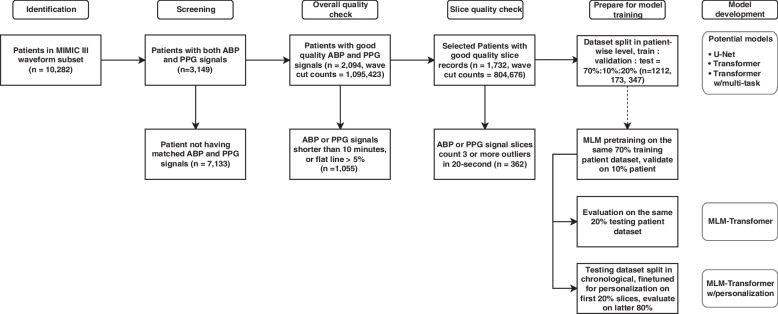
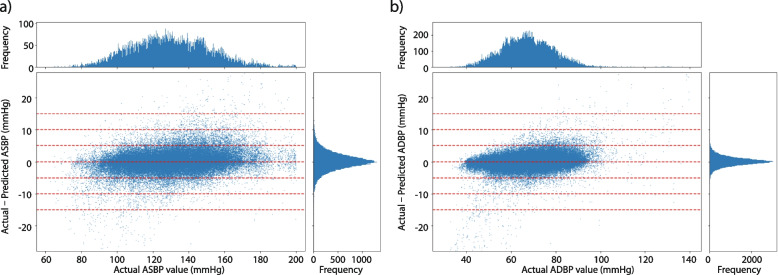
The proposed method was evaluated with a subset of 1,732 subjects from the publicly available ICU dataset MIMIC III. The mean absolute error is 2.52 ± 2.43 mmHg for systolic blood pressure, 1.37 ± 1.89 mmHg for diastolic blood pressure, and 0.58 ± 0.79% for oxygen saturation, which satisfies the requirements of the Association of Advancement of Medical Instrumentation standard and achieve grades A for the British Hypertension Society standard.
The results indicate that our model meets clinical standards and could potentially boost the accuracy of blood pressure and oxygen saturation measurement to deliver high-quality healthcare.
监测血压和外周毛细血管血氧饱和度在慢性病患者的医疗管理中起着至关重要的作用,尤其是高血压和血管疾病患者。然而,目前的血压测量方法存在固有局限性;例如,动脉血压是通过在动脉中插入导管来测量的,这会引起不适和感染。
光体积描记图(PPG)信号可以通过非侵入性设备进行采集,因此激发了研究人员的兴趣,他们希望通过机器学习和 PPG 信号来探索血压估计,作为一种非侵入性的替代方法。在本文中,我们提出了一种基于 Transformer 的深度学习架构,该架构利用 PPG 信号对动脉收缩压、动脉舒张压和血氧饱和度进行个性化估计。
该方法在公开的 ICU 数据集 MIMIC III 中的 1732 个受试者子集上进行了评估。收缩压的平均绝对误差为 2.52±2.43mmHg,舒张压的平均绝对误差为 1.37±1.89mmHg,血氧饱和度的平均绝对误差为 0.58±0.79%,满足医疗器械协会标准的要求,并达到英国高血压学会标准的 A 级。
结果表明,我们的模型符合临床标准,有可能提高血压和血氧饱和度测量的准确性,从而提供高质量的医疗服务。