Jantan Ibrahim, Haque Md Areeful, Rohani Ade Sri, Nugraha Sony Eka, Salim Emil, Septama Abdi Wira, Juwita Nur Aira, Khairunnisa Nur Aini, Nasution Halimah Raina, Utami Dinda Sari, Ibrahim Sarah
Faculty of Pharmacy, Universitas Sumatera Utara, Medan, Indonesia.
Centre of Excellence for Chitosan and Advanced Materials, Universitas Sumatera Utara, Medan, Indonesia.
Front Pharmacol. 2023 Jul 18;14:1222195. doi: 10.3389/fphar.2023.1222195. eCollection 2023.
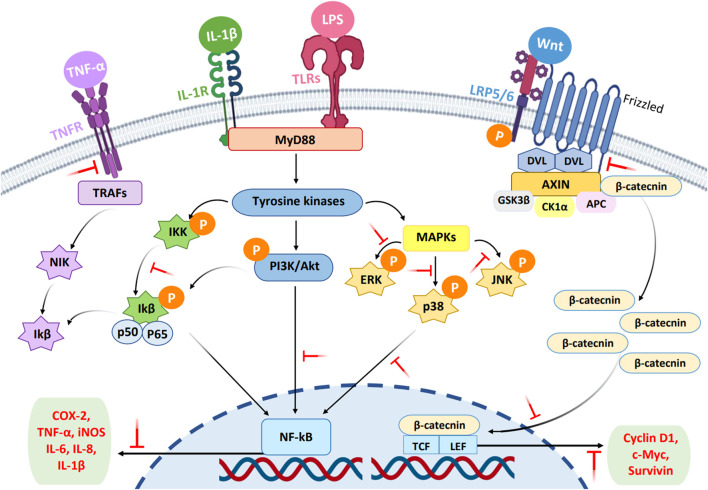
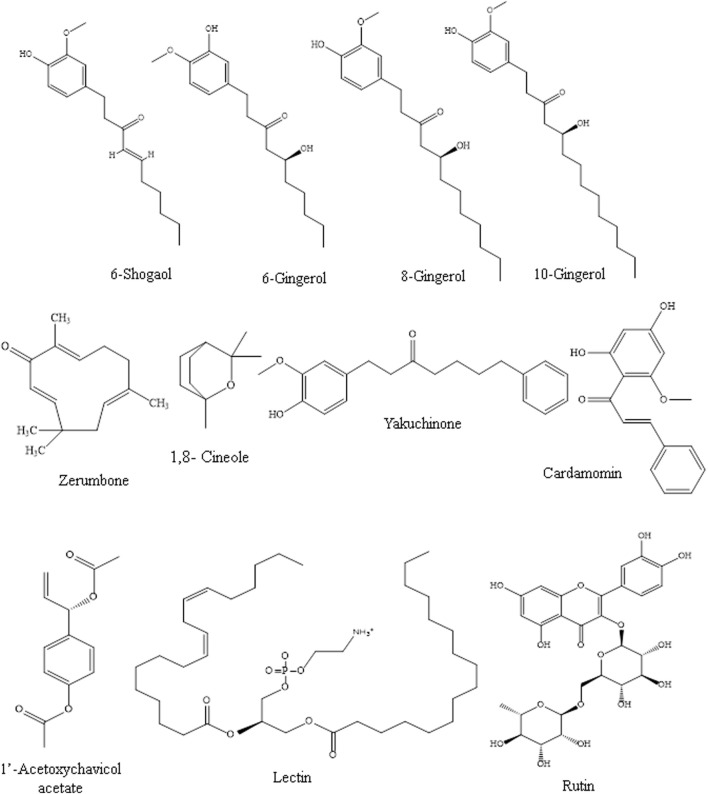
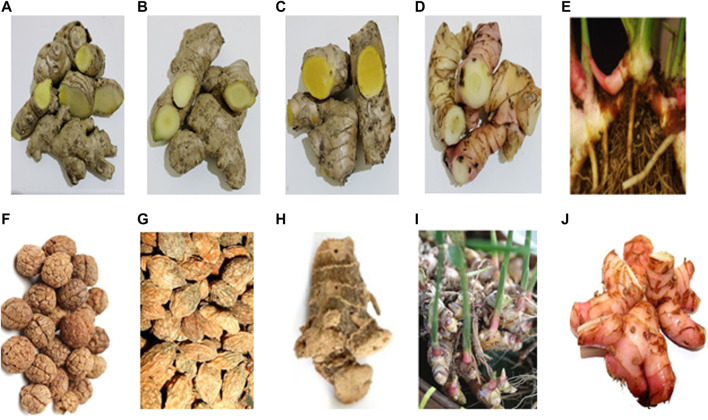
and species (family: Zingiberaceae) are popularly used in food as spices and flavoring agents and in ethnomedicine to heal numerous diseases, including immune-related disorders. However, their ethnomedicinal uses have not been sufficiently supported by scientific investigations. Numerous studies on the modulating effects of plants and their bioactive compounds on the different steps of the immune system have been documented. This review aimed to highlight up-to-date research findings and critically analyze the modulatory effects and mechanisms of the extracts and secondary compounds of several and species, namely, Roscoe, Roxb., (L.) Roscoe ex Sm., Linn., Griff, Hayata, Miq., Hance, (Pers.) Burtt. et Smith, and (Viell.) K. Schum. on the immune system, particularly via the inflammation-related signaling pathways. The immunomodulating activities of the crude extracts of the plants have been reported, but the constituents contributing to the activities have mostly not been identified. Among the extracts, extracts were the most investigated for their , , and clinical effects on the immune system. Among the bioactive metabolites, 6-, 8-, and 10-gingerols, 6-shogaol, and zerumbone from species and cardamomin, 1'-acetoxychavicol acetate, yakuchinone, rutin, 1,8-cineole, and lectin from species have demonstrated strong immunomodulating effects. More experimental studies using cell and animal models of immune-related disorders are necessary to further understand the underlying mechanisms, together with elaborate preclinical pharmacokinetics, pharmacodynamics, bioavailability, and toxicity studies. Many of these extracts and secondary metabolites are potential candidates for clinical development in immunomodulating agents or functional foods to prevent and treat chronic inflammatory disorders.
姜科植物在食品中常作为香料和调味剂使用,在民族医学中也被用于治疗多种疾病,包括免疫相关疾病。然而,其民族医学用途尚未得到充分的科学研究支持。已有许多关于植物及其生物活性化合物对免疫系统不同步骤调节作用的研究报道。本综述旨在突出最新研究成果,并批判性地分析几种姜科植物提取物和次生化合物,即红球姜、姜黄、郁金、莪术、温郁金、姜、草豆蔻、益智、高良姜对免疫系统的调节作用及其机制,特别是通过炎症相关信号通路的调节作用。已有报道称这些植物的粗提物具有免疫调节活性,但大多尚未确定其活性成分。在这些提取物中,对姜提取物的免疫调节作用、免疫刺激作用和临床效果研究最多。在生物活性代谢产物中,姜科植物的6-、8-和10-姜酚、6-姜烯酚和姜酮以及小豆蔻属植物的小豆蔻明、1'-乙酰氧基查维醇乙酸酯、山姜素、芦丁、1,8-桉叶素和凝集素已显示出强大的免疫调节作用。需要更多使用免疫相关疾病细胞和动物模型的实验研究,以进一步了解其潜在机制,同时进行详细的临床前药代动力学、药效学、生物利用度和毒性研究。这些提取物和次生代谢产物中的许多都是免疫调节剂或功能性食品临床开发的潜在候选物,可用于预防和治疗慢性炎症性疾病。