Atanasoff-Kardjalieff Anna K, Lünne Friederike, Kalinina Svetlana, Strauss Joseph, Humpf Hans-Ulrich, Studt Lena
Department of Applied Genetics and Cell Biology, Institute of Microbial Genetics, University of Natural Resources and Life Sciences, Vienna (BOKU), Tulln an der Donau, Austria.
Institute of Food Chemistry, Westfälische Wilhelms-Universität, Münster, Germany.
Front Fungal Biol. 2021 Jul 6;2:671796. doi: 10.3389/ffunb.2021.671796. eCollection 2021.
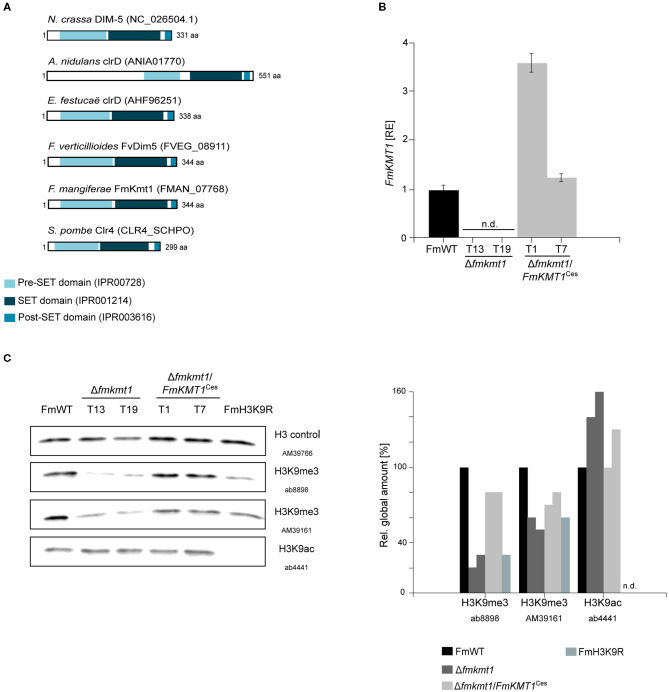
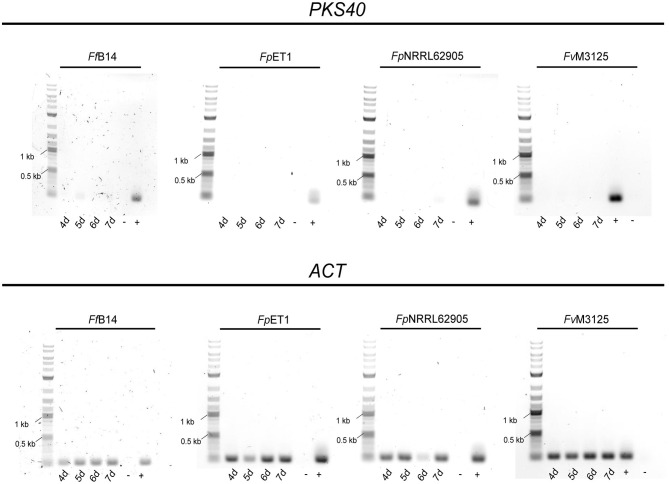
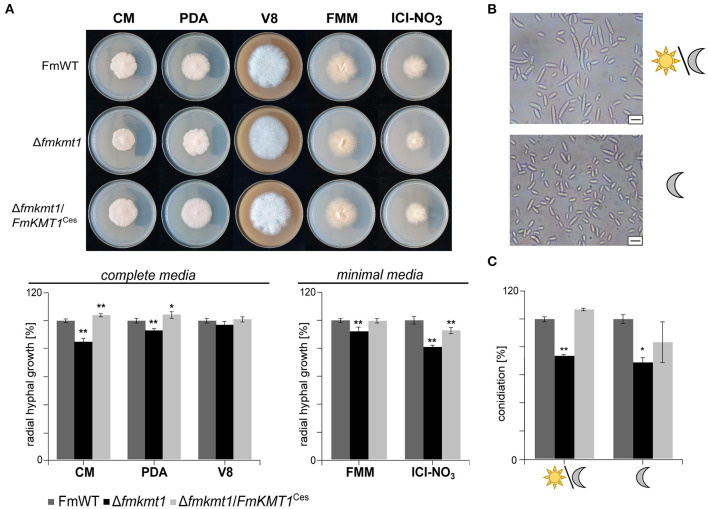
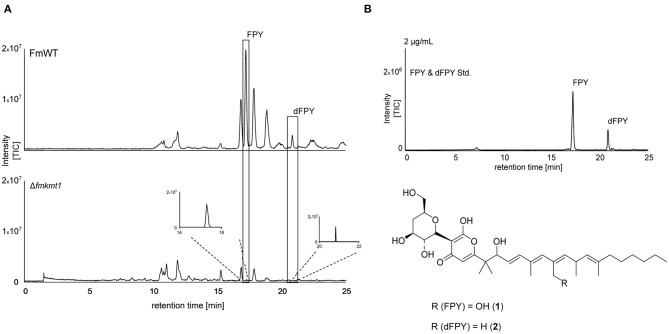
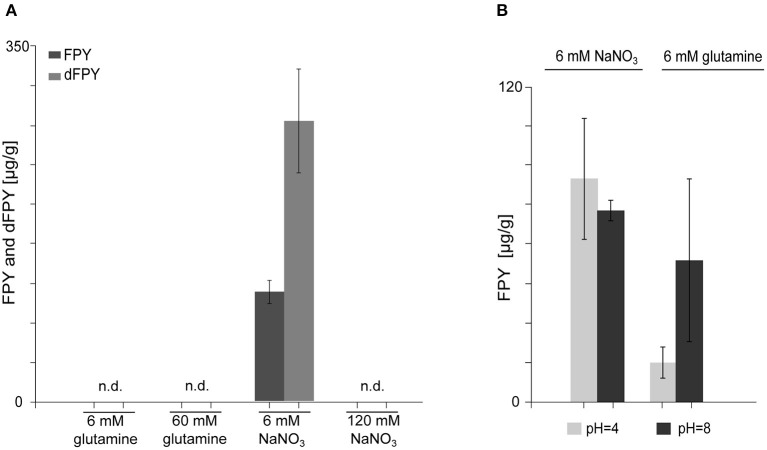
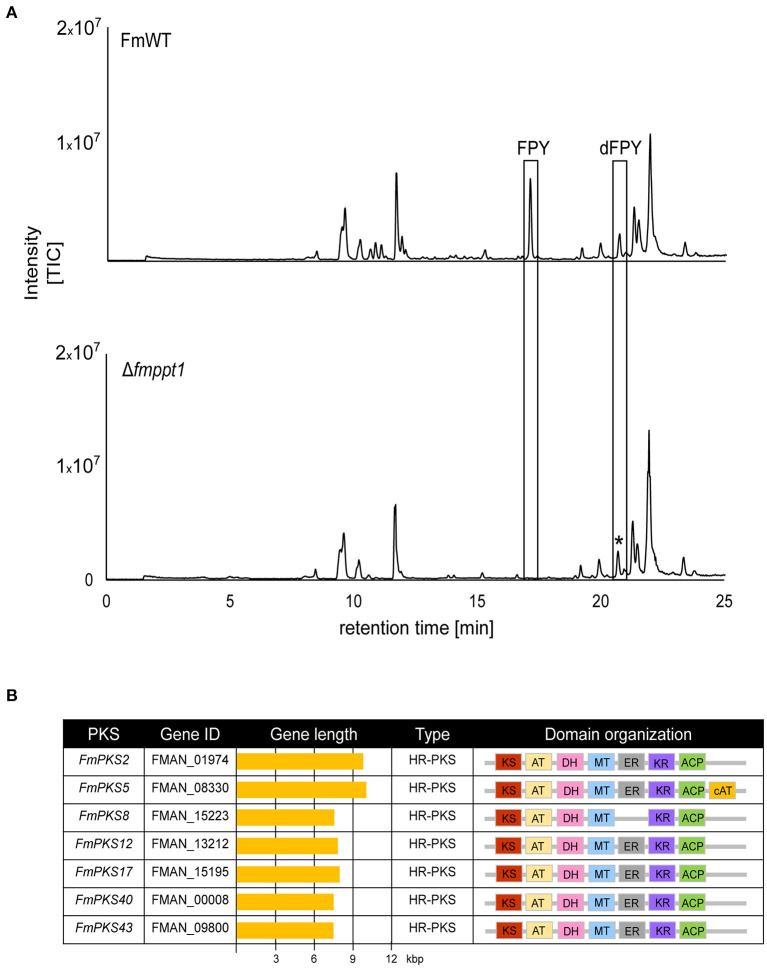
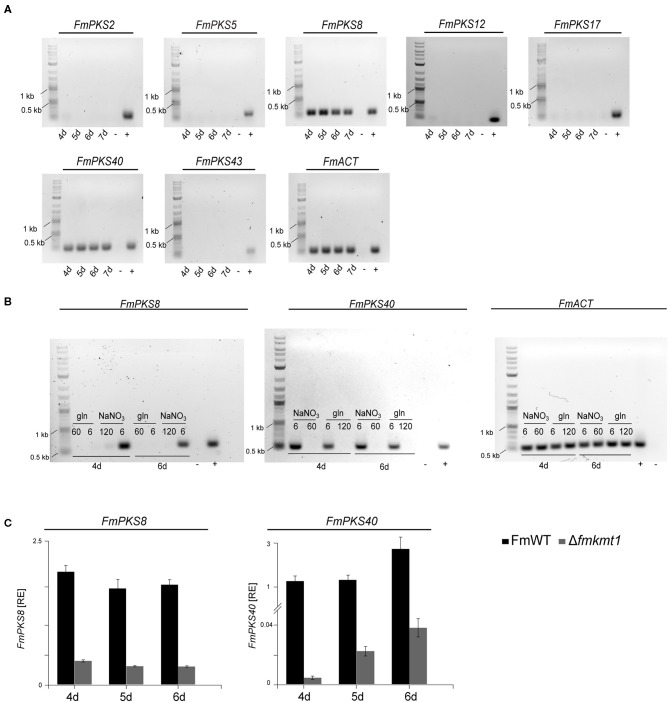
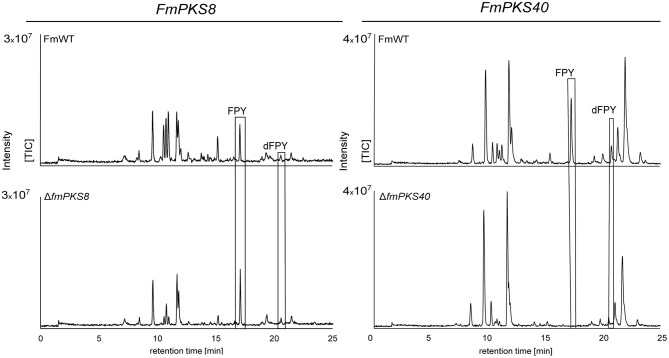
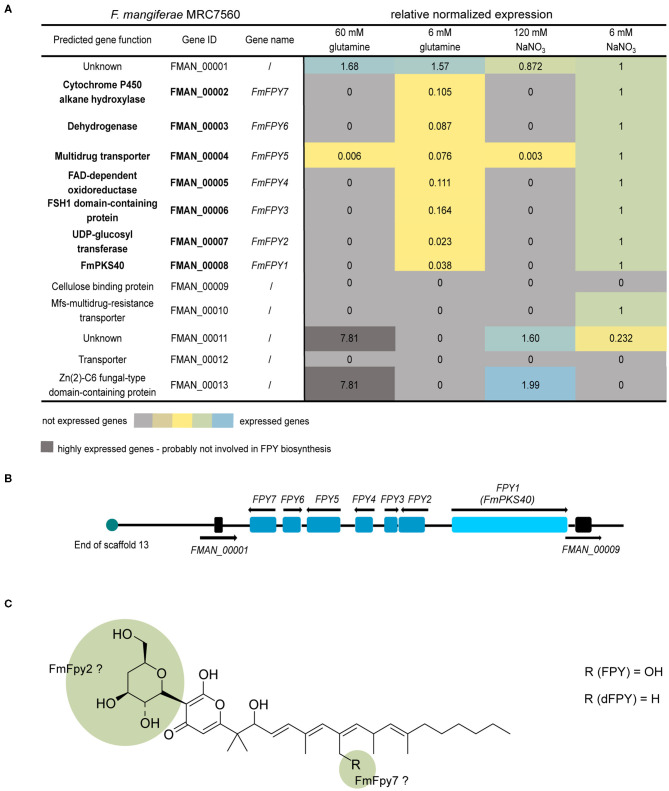
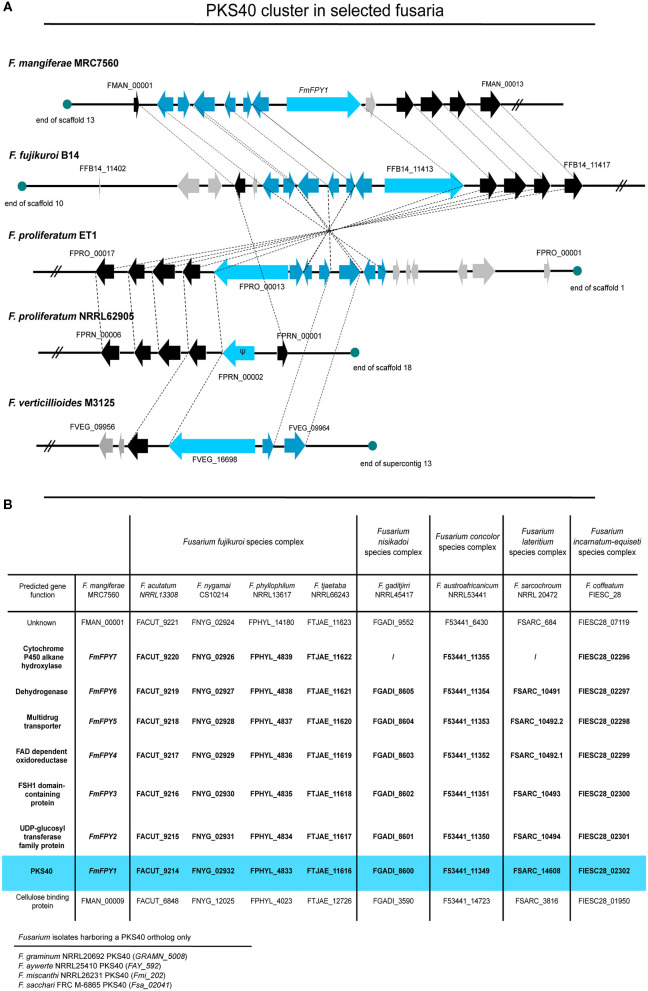
The phytopathogenic fungus belongs to the species complex (FFSC). Members of this group cause a wide spectrum of devastating diseases on diverse agricultural crops. is the causal agent of the mango malformation disease (MMD) and as such detrimental for agriculture in the southern hemisphere. During plant infection, the fungus produces a plethora of bioactive secondary metabolites (SMs), which most often lead to severe adverse defects on plants health. Changes in chromatin structure achieved by posttranslational modifications (PTM) of histones play a key role in regulation of fungal SM biosynthesis. Posttranslational tri-methylation of histone 3 lysine 9 (H3K9me3) is considered a hallmark of heterochromatin and established by the SET-domain protein Kmt1. Here, we show that FmKmt1 is involved in H3K9me3 in . Loss of FmKmt1 only slightly though significantly affected fungal hyphal growth and stress response and is required for wild type-like conidiation. While FmKmt1 is largely dispensable for the biosynthesis of most known SMs, removal of resulted in an almost complete loss of fusapyrone and deoxyfusapyrone, γ-pyrones previously only known from . Here, we identified the polyketide synthase (PKS) FmPKS40 to be involved in fusapyrone biosynthesis, delineate putative cluster borders by co-expression studies and provide insights into its regulation.
这种植物病原真菌属于物种复合体(FFSC)。该类群的成员会在多种农作物上引发一系列毁灭性疾病。它是芒果畸形病(MMD)的病原体,因此对南半球的农业有害。在植物感染过程中,这种真菌会产生大量具有生物活性的次生代谢产物(SMs),这些产物常常会对植物健康造成严重的不良影响。通过组蛋白的翻译后修饰(PTM)实现的染色质结构变化在真菌SM生物合成的调控中起着关键作用。组蛋白3赖氨酸9(H3K9me3)的翻译后三甲基化被认为是异染色质的标志,由SET结构域蛋白Kmt1建立。在这里,我们表明FmKmt1参与了该真菌中的H3K9me3过程。FmKmt1的缺失虽然对真菌菌丝生长和应激反应有轻微但显著的影响,并且是野生型分生孢子形成所必需的。虽然FmKmt1在大多数已知SMs的生物合成中基本是可有可无的,但去除它会导致fusapyrone和脱氧fusapyrone几乎完全丧失,γ-吡喃酮此前仅在该真菌中被发现。在这里,我们确定聚酮合酶(PKS)FmPKS40参与fusapyrone的生物合成,通过共表达研究描绘了假定的基因簇边界,并提供了其调控方面的见解。