Poskus Matthew D, Wang Tuo, Deng Yuxuan, Borcherding Sydney, Atkinson Jake, Zervantonakis Ioannis K
Department of Bioengineering, UPMC Hillman Cancer Center, University of Pittsburgh, Pittsburgh, PA USA.
McGowan Institute of Regenerative Medicine, Pittsburgh, PA USA.
Microsyst Nanoeng. 2023 Nov 9;9:140. doi: 10.1038/s41378-023-00607-y. eCollection 2023.
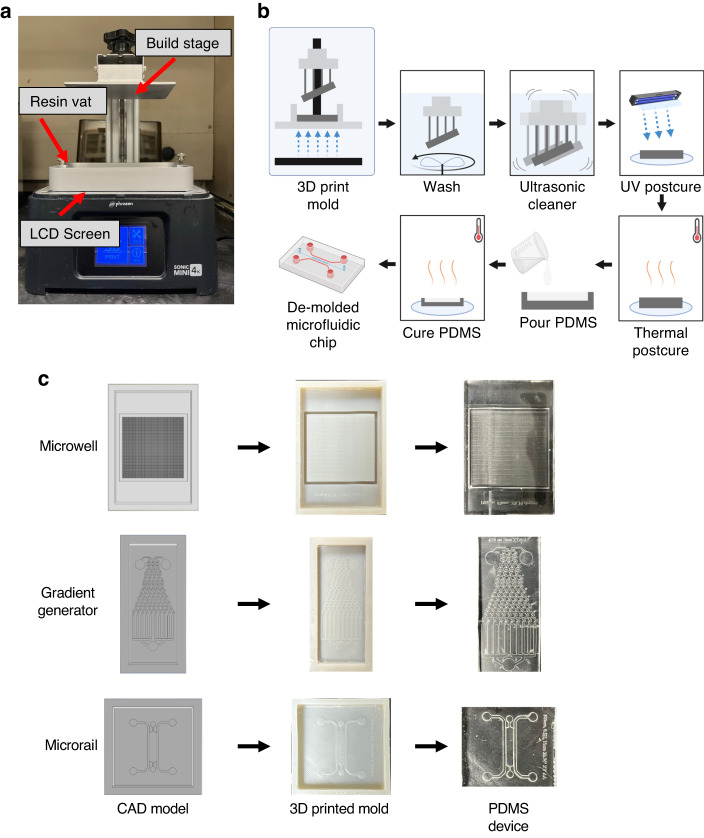
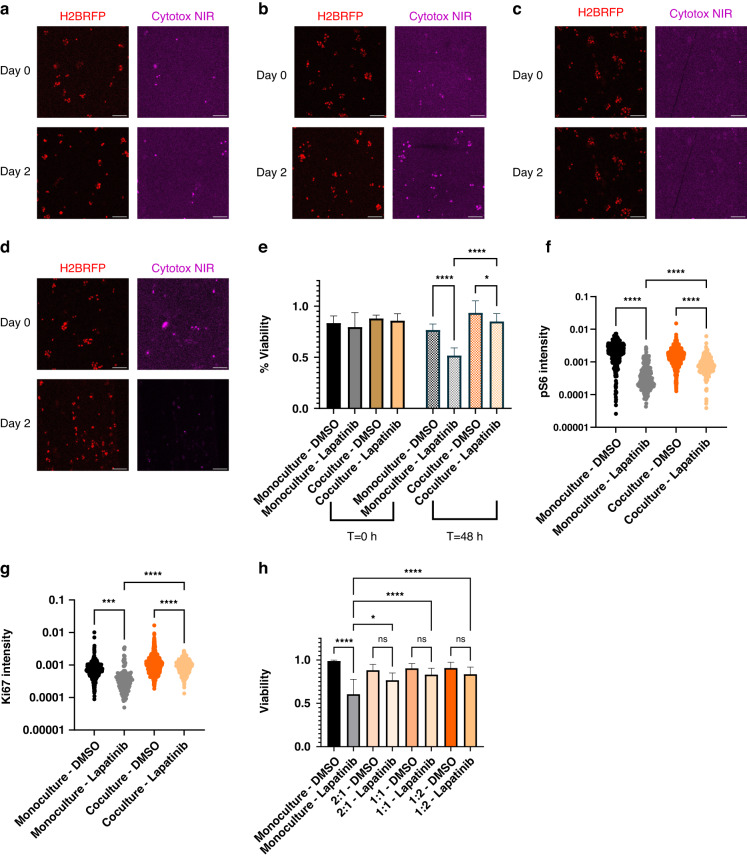
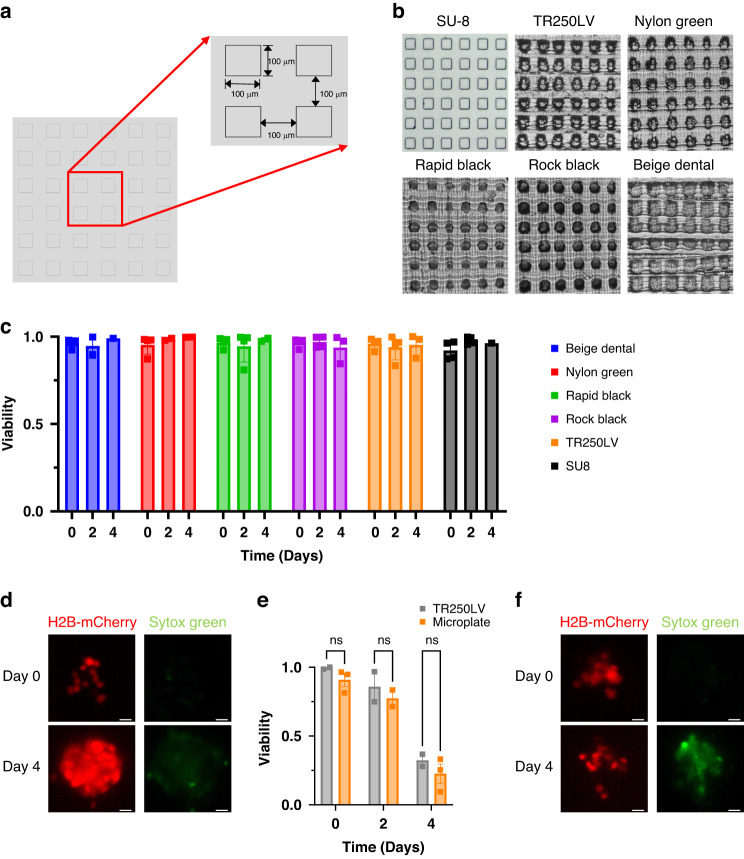
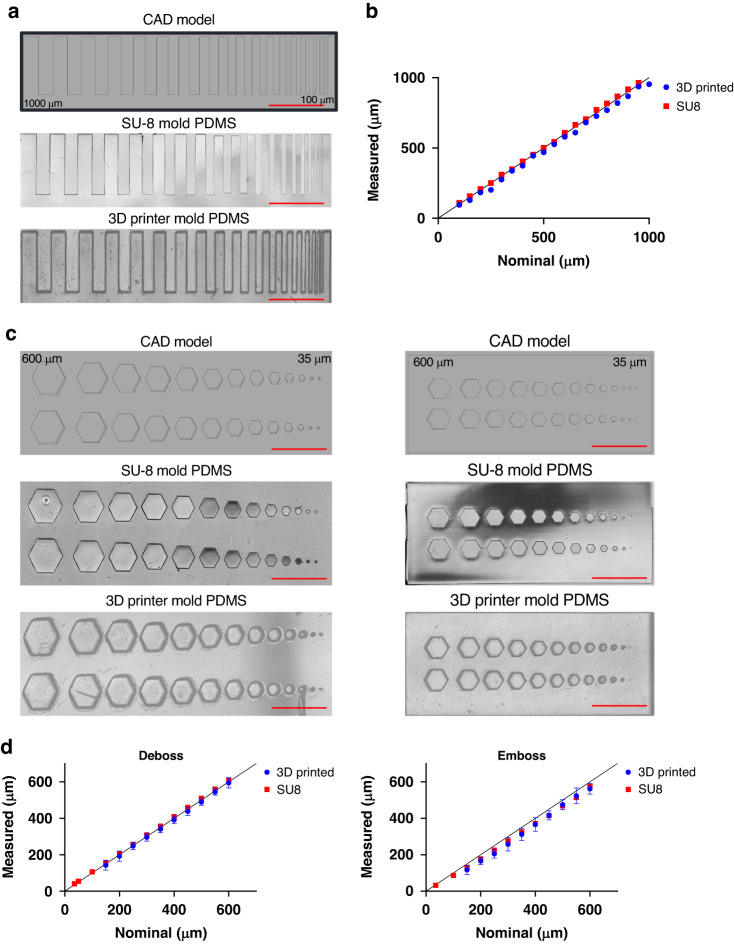
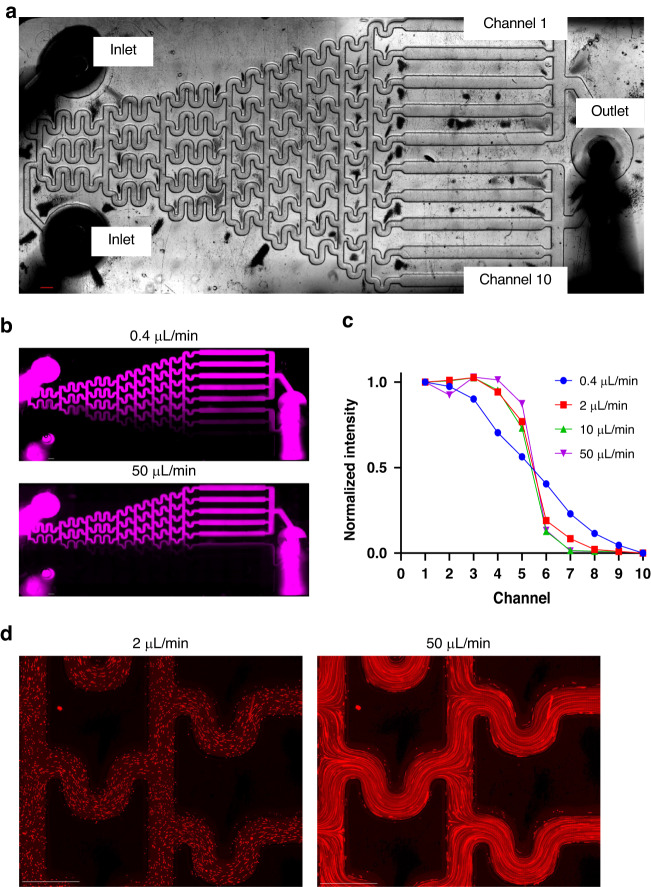
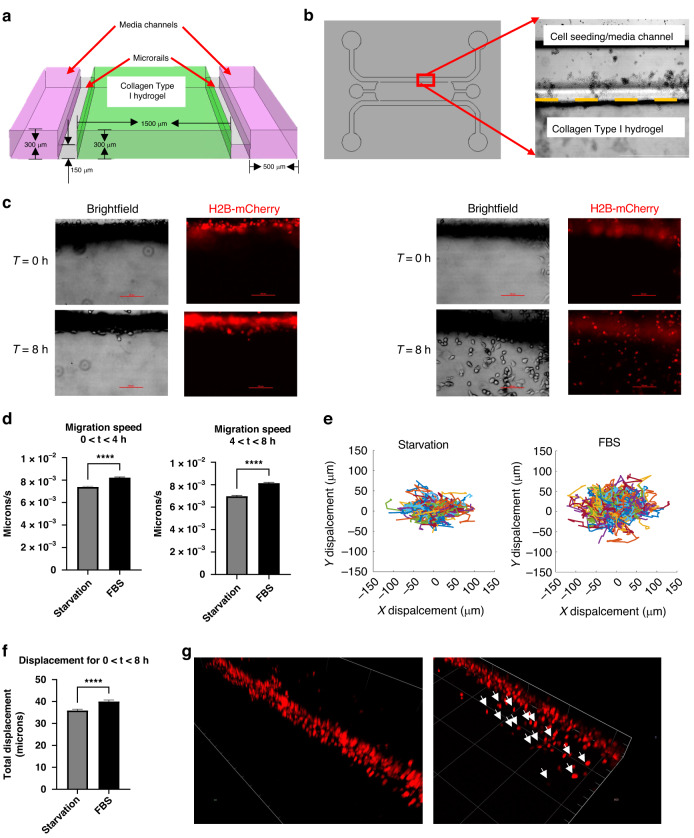
Microfluidic platforms enable more precise control of biological stimuli and environment dimensionality than conventional macroscale cell-based assays; however, long fabrication times and high-cost specialized equipment limit the widespread adoption of microfluidic technologies. Recent improvements in vat photopolymerization three-dimensional (3D) printing technologies such as liquid crystal display (LCD) printing offer rapid prototyping and a cost-effective solution to microfluidic fabrication. Limited information is available about how 3D printing parameters and resin cytocompatibility impact the performance of 3D-printed molds for the fabrication of polydimethylsiloxane (PDMS)-based microfluidic platforms for cellular studies. Using a low-cost, commercially available LCD-based 3D printer, we assessed the cytocompatibility of several resins, optimized fabrication parameters, and characterized the minimum feature size. We evaluated the response to both cytotoxic chemotherapy and targeted kinase therapies in microfluidic devices fabricated using our 3D-printed molds and demonstrated the establishment of flow-based concentration gradients. Furthermore, we monitored real-time cancer cell and fibroblast migration in a 3D matrix environment that was dependent on environmental signals. These results demonstrate how vat photopolymerization LCD-based fabrication can accelerate the prototyping of microfluidic platforms with increased accessibility and resolution for PDMS-based cell culture assays.
与传统的基于宏观尺度细胞的检测方法相比,微流控平台能够更精确地控制生物刺激和环境维度;然而,较长的制造时间和高成本的专用设备限制了微流控技术的广泛应用。诸如液晶显示器(LCD)打印等光固化三维(3D)打印技术的最新进展为微流控制造提供了快速原型制作和具有成本效益的解决方案。关于3D打印参数和树脂细胞相容性如何影响用于制造基于聚二甲基硅氧烷(PDMS)的细胞研究微流控平台的3D打印模具的性能,目前可用信息有限。我们使用低成本的商用LCD基3D打印机,评估了几种树脂的细胞相容性,优化了制造参数,并表征了最小特征尺寸。我们评估了使用我们的3D打印模具制造的微流控装置对细胞毒性化疗和靶向激酶疗法的反应,并证明了基于流动的浓度梯度的建立。此外,我们监测了在依赖于环境信号的3D基质环境中癌细胞和成纤维细胞的实时迁移。这些结果表明,基于光固化LCD的制造方法如何能够加速微流控平台的原型制作,提高基于PDMS的细胞培养检测的可及性和分辨率。