Fried Eiko I, Flake Jessica K, Robinaugh Donald J
Department of Clinical Psychology, Leiden University, Leiden, The Netherlands.
Department of Psychology, McGill University, Montreal, Quebec, Canada.
Nat Rev Psychol. 2022 Jun;1(6):358-368. doi: 10.1038/s44159-022-00050-2. Epub 2022 Apr 14.
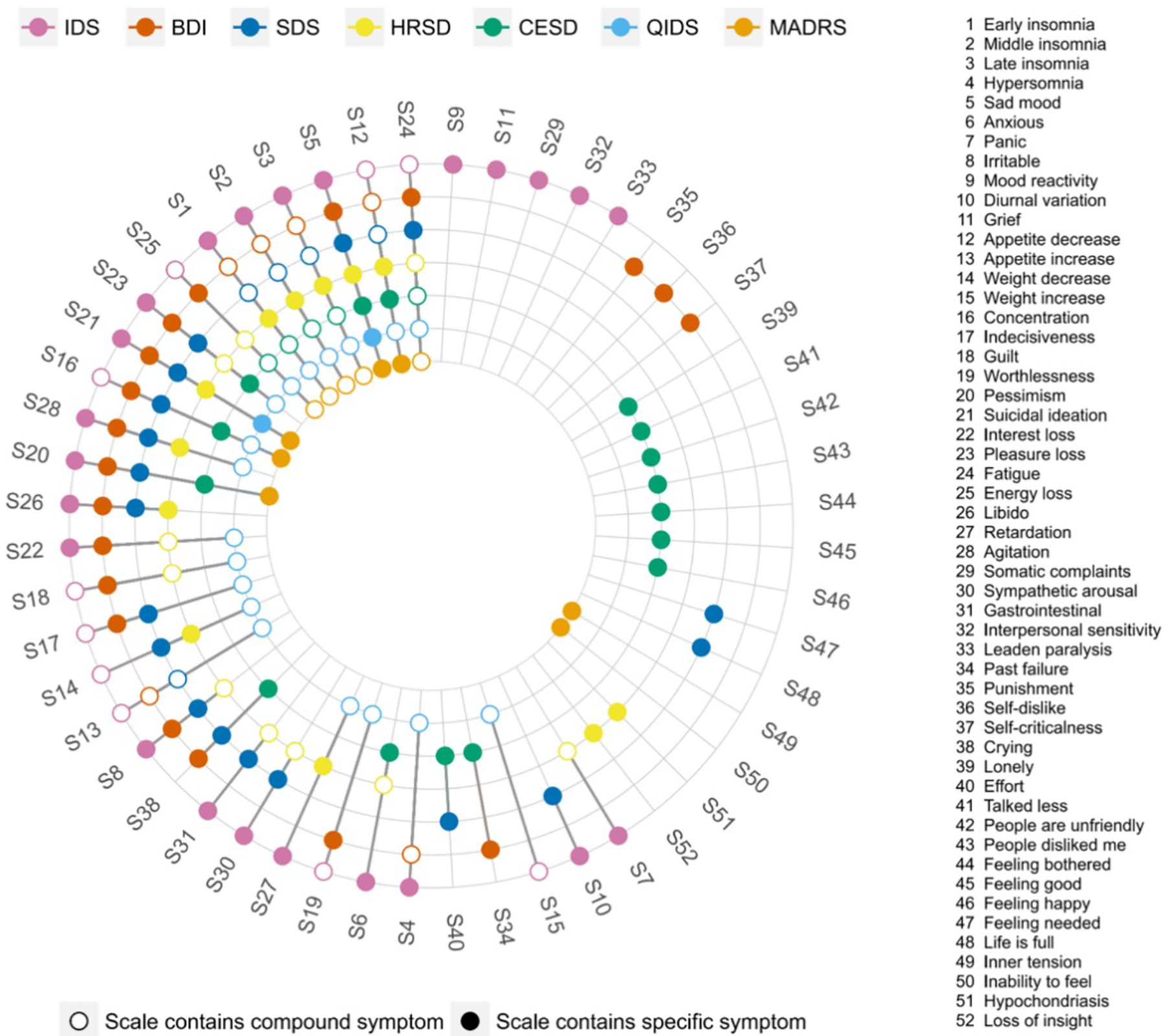
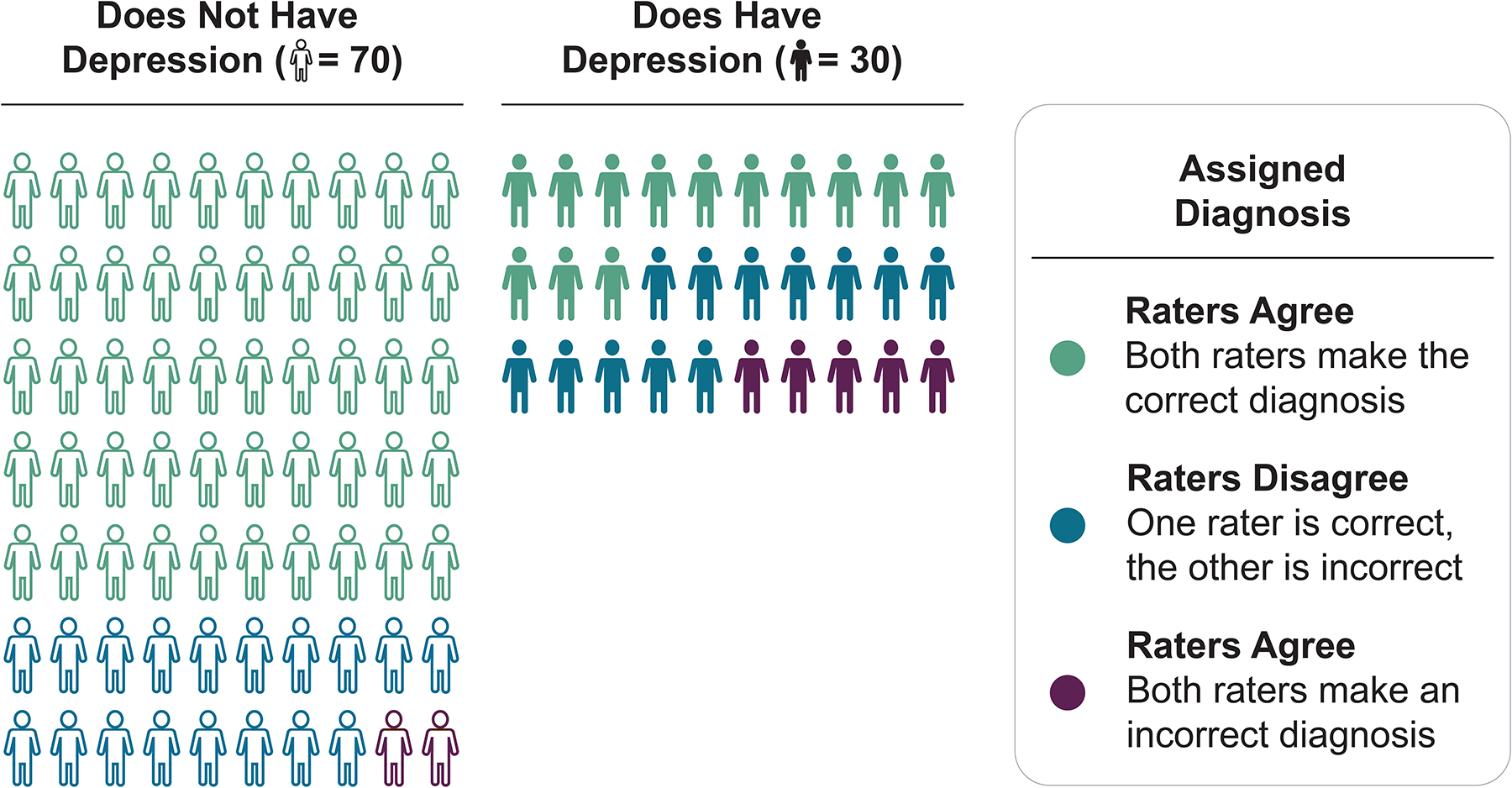
Depressive disorders are among the leading causes of global disease burden, but there has been limited progress in understanding the causes and treatments for these disorders. In this Perspective, we suggest that such progress crucially depends on our ability to measure depression. We review the many problems with depression measurement, including limited evidence of validity and reliability. These issues raise grave concerns about common uses of depression measures, such as diagnosis or tracking treatment progress. We argue that shortcomings arise because depression measurement rests on shaky methodological and theoretical foundations. Moving forward, we need to break with the field's tradition that has, for decades, divorced theories about depression from how we measure it. Instead, we suggest that epistemic iteration, an iterative exchange between theory and measurement, provides a crucial avenue for depression measurement to progress.
抑郁症是全球疾病负担的主要成因之一,但在理解这些疾病的病因和治疗方法方面进展有限。在这篇观点文章中,我们认为这种进展关键取决于我们测量抑郁症的能力。我们回顾了抑郁症测量存在的诸多问题,包括有效性和可靠性证据有限。这些问题引发了对抑郁症测量常见用途的严重担忧,比如诊断或追踪治疗进展。我们认为出现这些缺点是因为抑郁症测量基于薄弱的方法学和理论基础。展望未来,我们需要打破该领域几十年来将抑郁症理论与我们的测量方式相脱离的传统。相反,我们建议认知迭代,即理论与测量之间的迭代交流,为抑郁症测量取得进展提供了一条关键途径。