Glasziou Paul, Sanders Sharon, Byambasuren Oyungerel, Thomas Rae, Hoffmann Tammy, Greenwood Hannah, van der Merwe Madeleen, Clark Justin
IEBH, Health Science and Medicine, Bond University, Robina, Queensland, Australia.
Wellcome Open Res. 2024 Jan 30;9:20. doi: 10.12688/wellcomeopenres.19305.1. eCollection 2024.
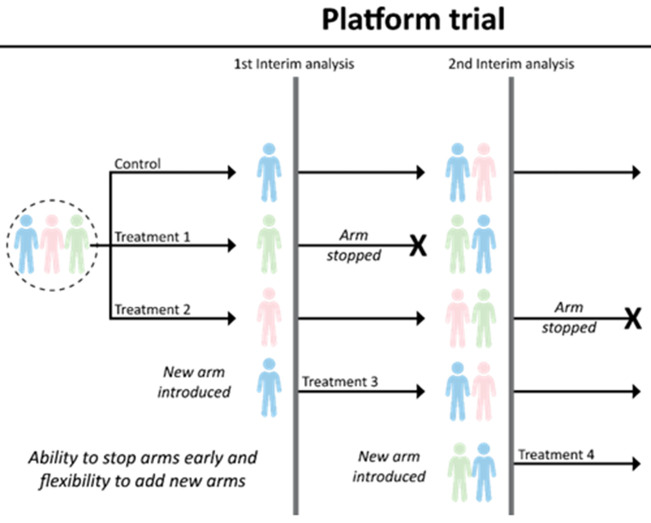
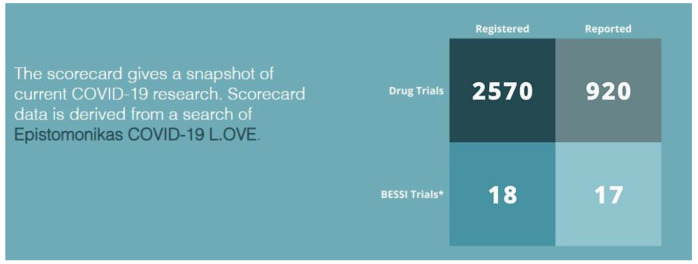
Of over 8,000 recorded randomised trials addressing COVID-19, around 80% were of treatments, and 17% have reported results. Approximately 1% were adaptive or platform trials, with 25 having results available, across 29 journal articles and 10 preprint articles.
We conducted an extensive literature review to address four questions about COVID-19 trials, particularly the role and impact of platform/adaptive trials and lessons learned.
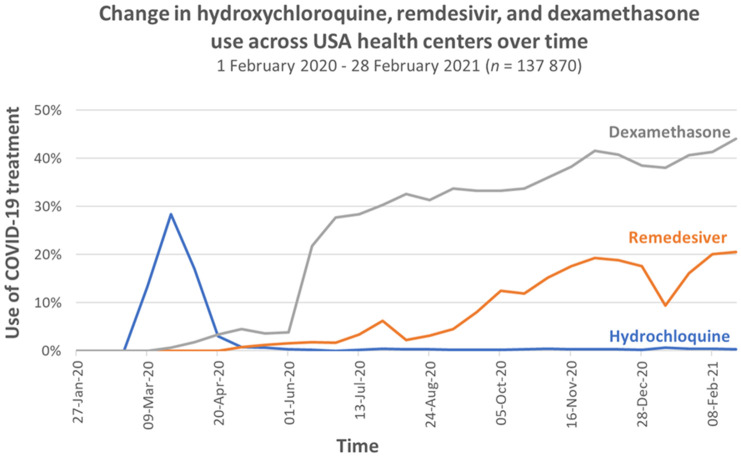
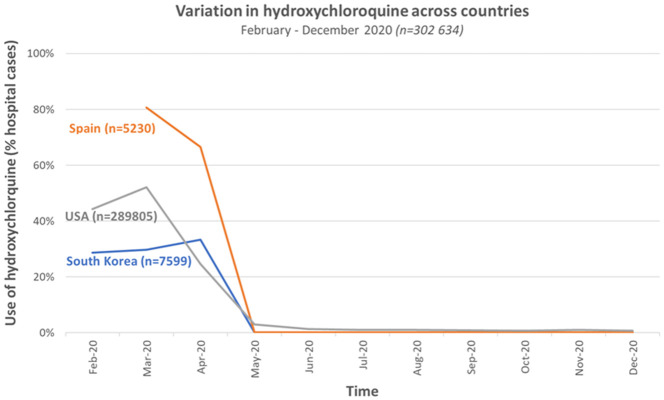
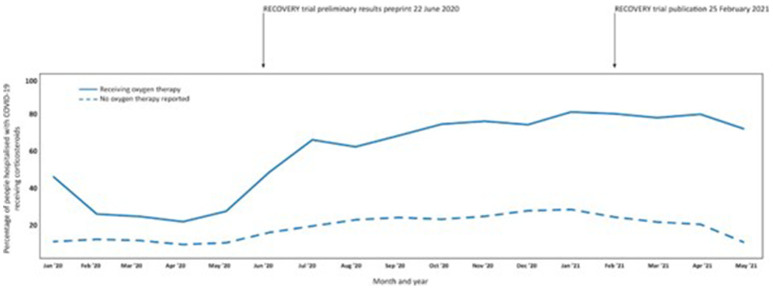
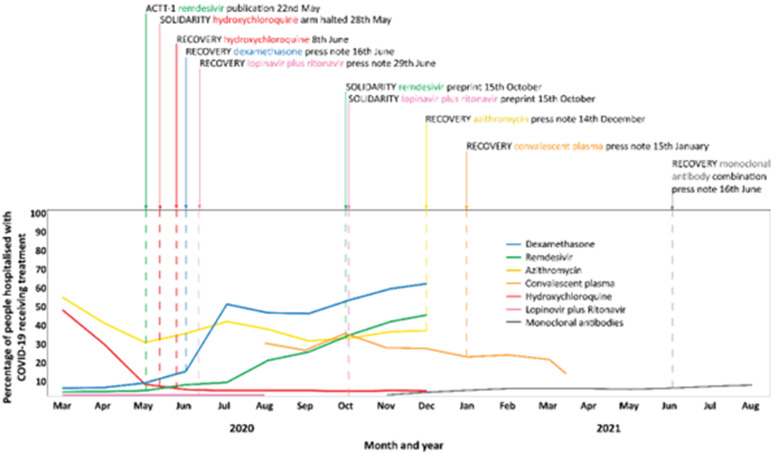
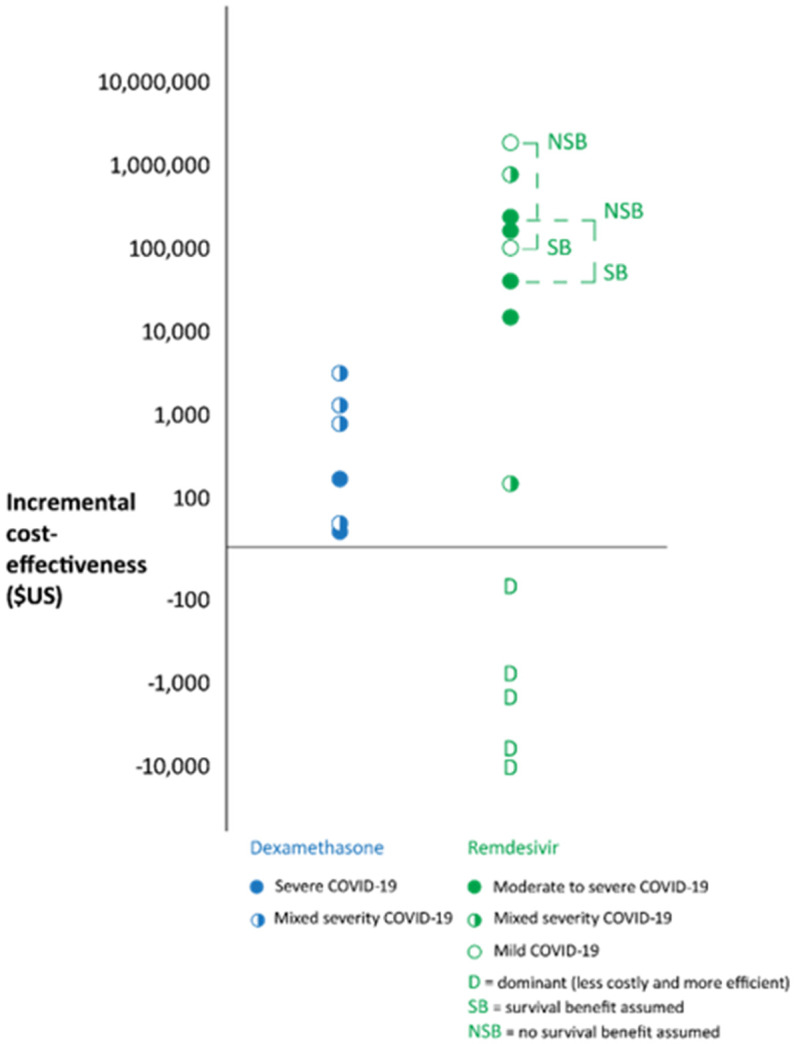
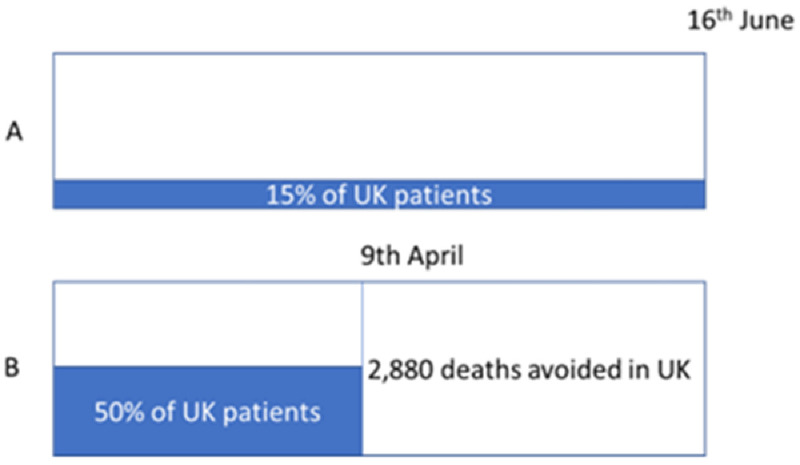
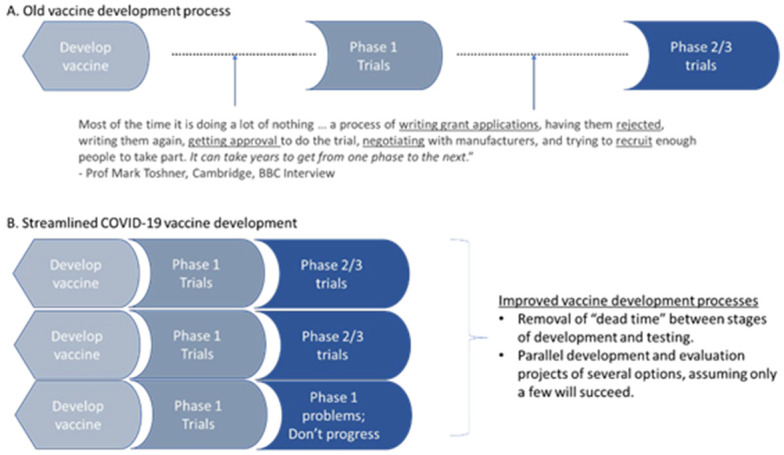
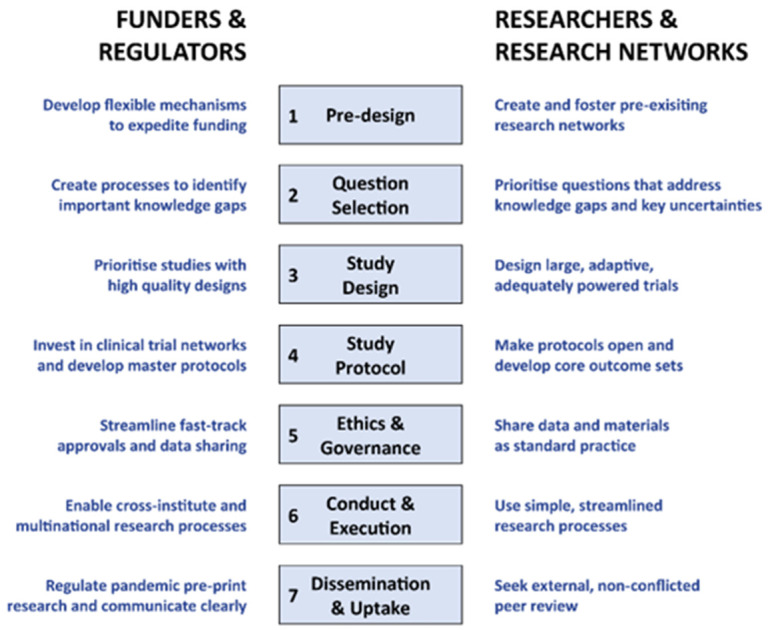
The key findings were: COVID-19 drug treatments varied substantially and changed considerably, with drugs found effective in definitive clinical trials replacing unproven drugs. Dexamethasone has likely saved ½-2 million lives, and was cost effective across a range of countries and populations, whereas the cost effectiveness of remdesivir is uncertain. Published economic and health system impacts of COVID-19 treatments were infrequent. Of the 77 platform trials registered, 6 major platform trials, with approximately 50 treatment arms, recruited ~135,000 participants with funding over $100 million. Streamlined set-up processes such as flexible and fast-track funding, ethics, and governance approvals are vital. To facilitate recruitment, simple and streamlined research processes, and pre-existing research networks to coordinate trial planning, design, conduct and practice change are crucial to success. When treating patients through trials, balancing individual and collective rights and allocating scarce resources between healthcare and research are challenging. Tensions occur between commercial and non-commercial sectors, and academic and public health interests, such as publication and funding driven indicators and the public good.
There is a need to (i) reduce small, repetitive, single centre trials, (ii) increase coordination to ensure robust research conducted for treatments, and (iii) a wider adoption of adaptive/platform trial designs to respond to fast-evolving evidence landscape.
在记录的8000多项针对新冠病毒病的随机试验中,约80%为治疗试验,17%已报告结果。约1%为适应性或平台试验,有25项试验有结果,分布在29篇期刊文章和10篇预印本文章中。
我们进行了广泛的文献综述,以回答关于新冠病毒病试验的四个问题,特别是平台/适应性试验的作用和影响以及经验教训。
主要发现如下:新冠病毒病的药物治疗差异很大且变化显著,在确定性临床试验中被证明有效的药物取代了未经证实的药物。地塞米松可能挽救了50万至200万人的生命,在一系列国家和人群中具有成本效益,而瑞德西韦的成本效益尚不确定。关于新冠病毒病治疗已发表的经济和卫生系统影响的研究很少。在注册的77项平台试验中,6项主要平台试验约有50个治疗组,招募了约13.5万名参与者,资金超过1亿美元。简化的设置流程,如灵活和快速的资金、伦理和管理批准至关重要。为便于招募,简单和简化的研究流程以及现有的研究网络来协调试验规划、设计、实施和实践改变对成功至关重要。通过试验治疗患者时,平衡个人和集体权利以及在医疗保健和研究之间分配稀缺资源具有挑战性。商业和非商业部门之间以及学术和公共卫生利益之间存在紧张关系,如出版和资金驱动指标与公共利益之间的矛盾。
有必要(i)减少小型、重复性的单中心试验;(ii)加强协调以确保针对治疗进行有力的研究;(iii)更广泛地采用适应性/平台试验设计以应对快速变化的证据格局。