Gong Ting, Liu You-Tan, Fan Jie
Department of Surgery, University of Pittsburgh School of Medicine, Pittsburgh, PA, 15213, USA.
Department of Anesthesiology, Shenzhen Hospital, Southern Medical University, Shenzhen, Guangzhou, 518110, China.
Mil Med Res. 2024 Apr 22;11(1):24. doi: 10.1186/s40779-024-00527-6.
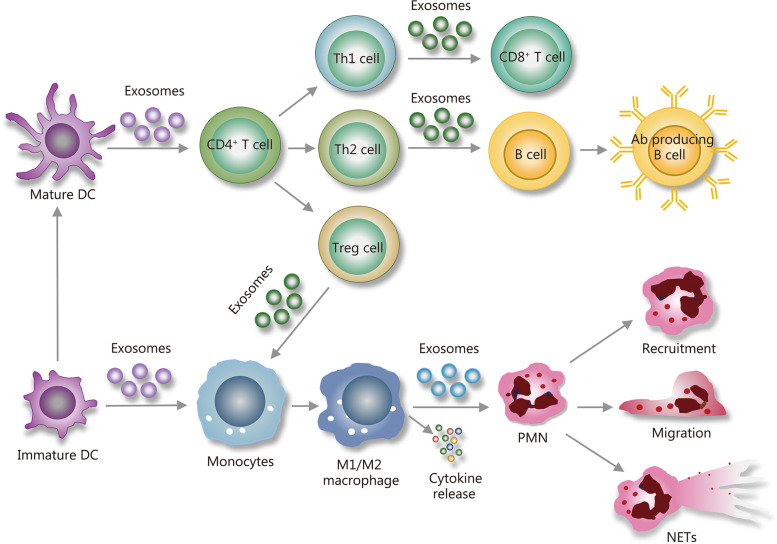
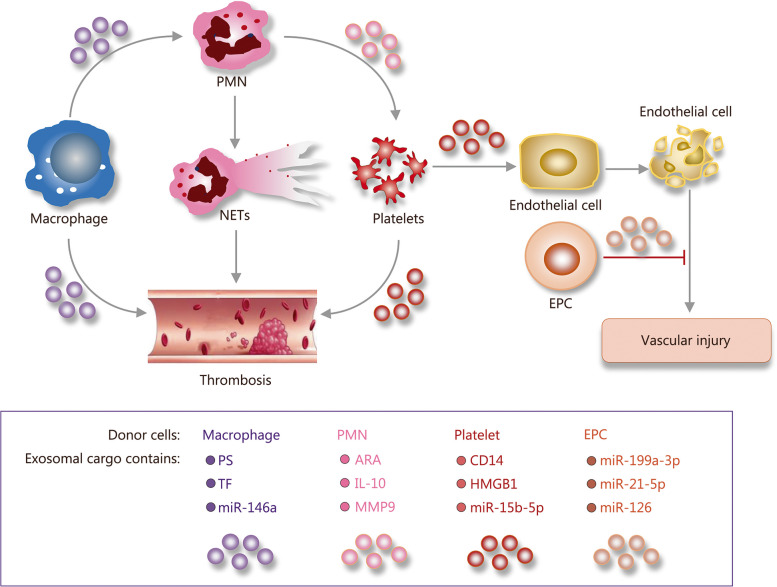
Sepsis, a severe systemic inflammatory response to infection, remains a leading cause of morbidity and mortality worldwide. Exosomes, as mediators of intercellular communication, play a pivotal role in the pathogenesis of sepsis through modulating immune responses, metabolic reprogramming, coagulopathy, and organ dysfunction. This review highlights the emerging significance of exosomes in these processes. Initially, it provides an in-depth insight into exosome biogenesis and characterization, laying the groundwork for understanding their diverse and intricate functions. Subsequently, it explores the regulatory roles of exosomes in various immune cells such as neutrophils, macrophages, dendritic cells, T cells, and B cells. This analysis elucidates how exosomes are pivotal in modulating immune responses, thus contributing to the complexity of sepsis pathophysiology. Additionally, this review delves into the role of exosomes in the regulation of metabolism and subsequent organ dysfunction in sepsis. It also establishes a connection between exosomes and the coagulation cascade, which affects endothelial integrity and promotes thrombogenesis in sepsis. Moreover, the review discusses the dual role of exosomes in the progression and resolution of sepsis, exploring their complex involvement in inflammation and healing processes. Furthermore, it underscores their potential as biomarkers and therapeutic targets. Understanding these mechanisms presents new opportunities for novel interventions to mitigate the severe outcomes of sepsis, emphasizing the therapeutic promise of exosome research in critical care settings.
脓毒症是一种对感染的严重全身性炎症反应,仍然是全球发病和死亡的主要原因。外泌体作为细胞间通讯的介质,通过调节免疫反应、代谢重编程、凝血病和器官功能障碍,在脓毒症的发病机制中发挥关键作用。本综述强调了外泌体在这些过程中日益凸显的重要性。首先,它深入洞察了外泌体的生物发生和特征,为理解其多样而复杂的功能奠定了基础。随后,它探讨了外泌体在各种免疫细胞如中性粒细胞、巨噬细胞、树突状细胞、T细胞和B细胞中的调节作用。该分析阐明了外泌体如何在调节免疫反应中起关键作用,从而导致脓毒症病理生理学的复杂性。此外,本综述深入探讨了外泌体在脓毒症代谢调节和随后的器官功能障碍中的作用。它还建立了外泌体与凝血级联反应之间的联系,凝血级联反应影响内皮完整性并促进脓毒症中的血栓形成。此外,综述讨论了外泌体在脓毒症进展和消退中的双重作用,探讨了它们在炎症和愈合过程中的复杂参与。此外,它强调了它们作为生物标志物和治疗靶点的潜力。了解这些机制为减轻脓毒症严重后果的新型干预措施带来了新机会,强调了外泌体研究在重症监护环境中的治疗前景。