Vanlalveni Chhangte, Ralte Vanlalhruaii, Zohmingliana Hlawncheu, Das Shikhasmita, Anal Jasha Momo H, Lallianrawna Samuel, Rokhum Samuel Lalthazuala
Department of Botany, Mizoram University, Tanhril, Aizawl, Mizoram 796001, India.
Department of Botany, Pachhunga University College, Aizawl, 796001, Mizoram, India.
Heliyon. 2024 Jun 4;10(11):e32333. doi: 10.1016/j.heliyon.2024.e32333. eCollection 2024 Jun 15.
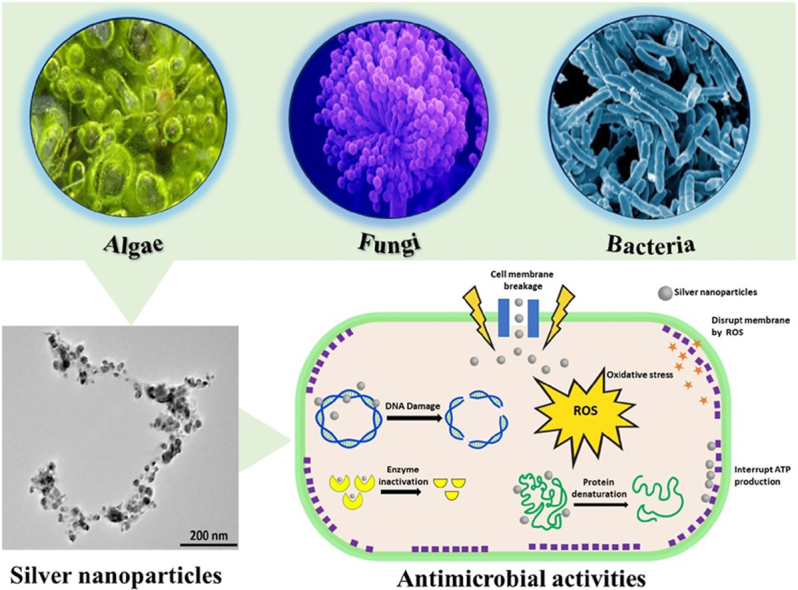
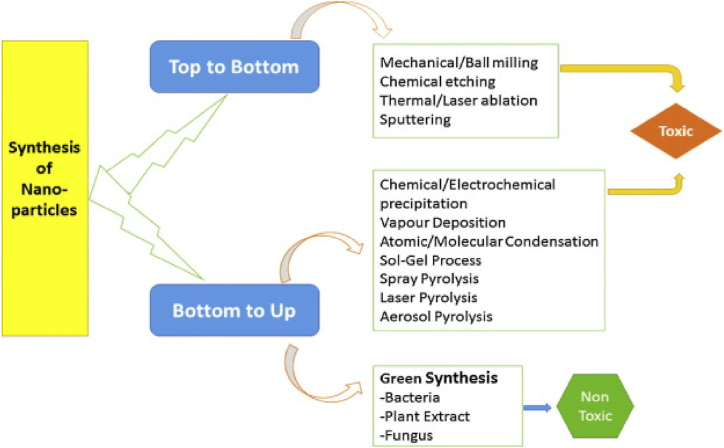
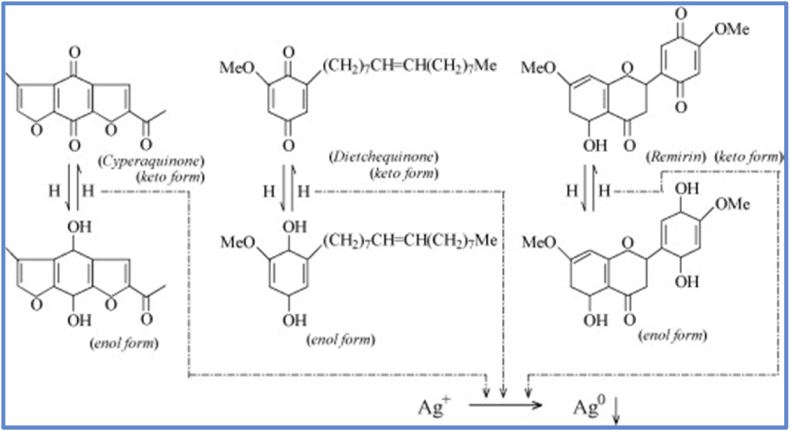
In recent decades, biosynthesis of metal and (or) metal oxide nanoparticles using microbes is accepted as one of the most sustainable, cost-effective, robust, and green processes as it does not encompass the usage of largely hazardous chemicals. Accordingly, numerous simple, inexpensive, and environmentally friendly approaches for the biosynthesis of silver nanoparticles (AgNPs) were reported using microbes avoiding conventional (chemical) methods. This comprehensive review detailed an advance made in recent years in the microbes-mediated biosynthesis of AgNPs and evaluation of their antimicrobial activities covering the literature from 2015-till date. It also aimed at elaborating the possible effect of the different phytochemicals, their concentrations, extraction temperature, extraction solvent, pH, reaction time, reaction temperature, and concentration of precursor on the shape, size, and stability of the synthesized AgNPs. In addition, while trying to understand the antimicrobial activities against targeted pathogenic microbes the probable mechanism of the interaction of produced AgNPs with the cell wall of targeted microbes that led to the cell's reputed and death have also been detailed. Lastly, this review detailed the shape and size-dependent antimicrobial activities of the microbes-mediated AgNPs and their enhanced antimicrobial activities by synergetic interaction with known commercially available antibiotic drugs.
近几十年来,利用微生物生物合成金属和(或)金属氧化物纳米颗粒被认为是最具可持续性、成本效益、稳健性和绿色环保的方法之一,因为它无需使用大量危险化学品。因此,人们报道了许多使用微生物生物合成银纳米颗粒(AgNPs)的简单、廉价且环保的方法,避免了传统(化学)方法。这篇综述详细阐述了近年来微生物介导的AgNPs生物合成及其抗菌活性评估方面的进展,涵盖了2015年至今的文献。它还旨在阐述不同植物化学物质、其浓度、提取温度、提取溶剂、pH值、反应时间、反应温度和前驱体浓度对合成的AgNPs的形状、尺寸和稳定性可能产生的影响。此外,在试图了解针对目标致病微生物的抗菌活性时,还详细阐述了所产生的AgNPs与目标微生物细胞壁相互作用导致细胞声誉受损和死亡的可能机制。最后,这篇综述详细介绍了微生物介导的AgNPs的形状和尺寸依赖性抗菌活性,以及它们与已知市售抗生素药物协同相互作用增强的抗菌活性。