Department of Molecular Biosciences, The University of Texas at Austin, Austin, Texas, USA.
Department of Integrative Biology, The University of Texas at Austin, Austin, Texas, USA.
mBio. 2024 Sep 11;15(9):e0139224. doi: 10.1128/mbio.01392-24. Epub 2024 Aug 6.
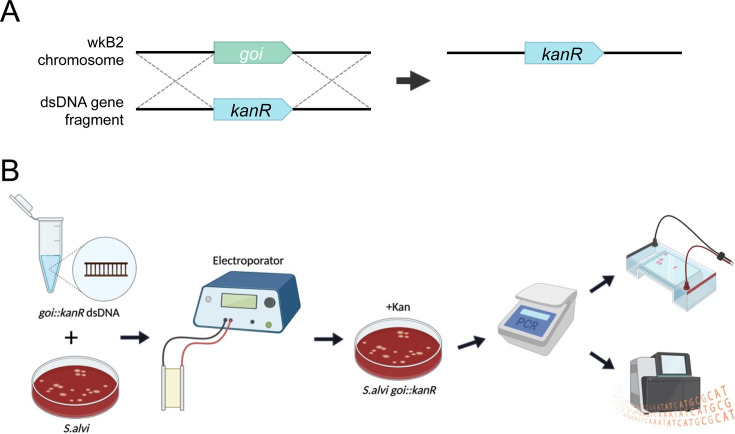
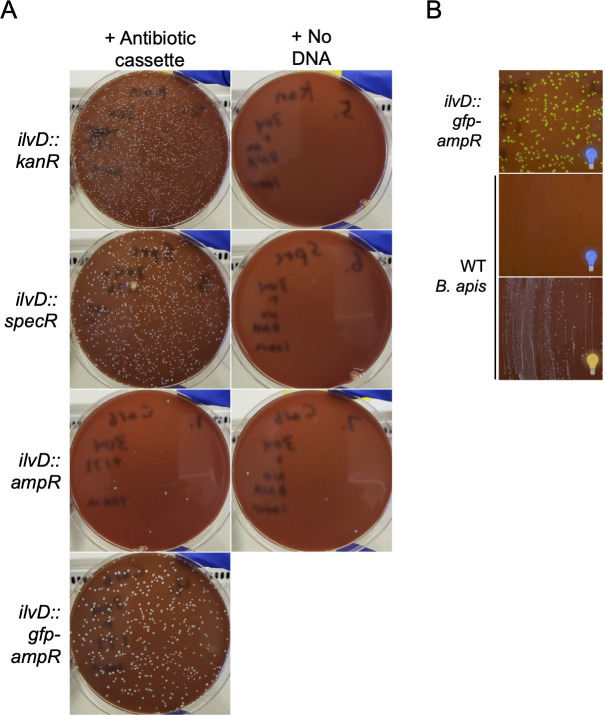
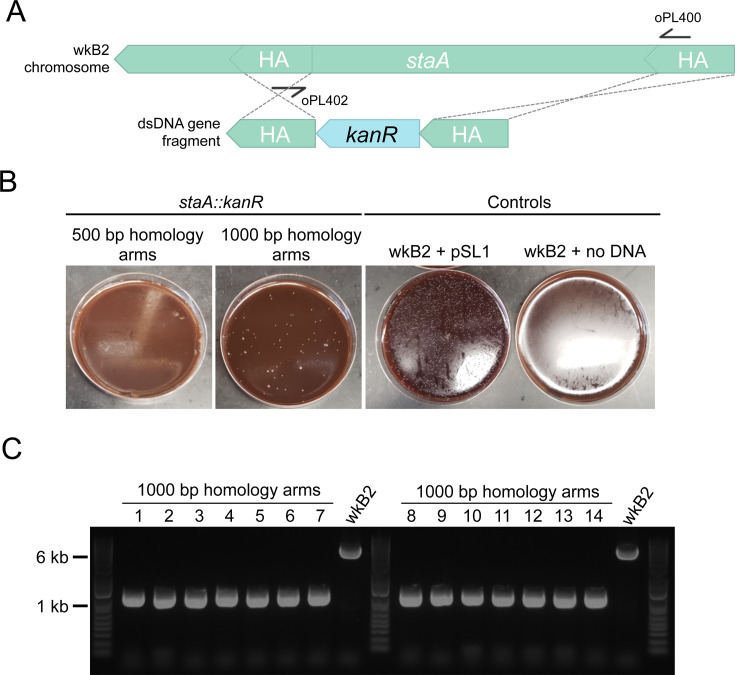
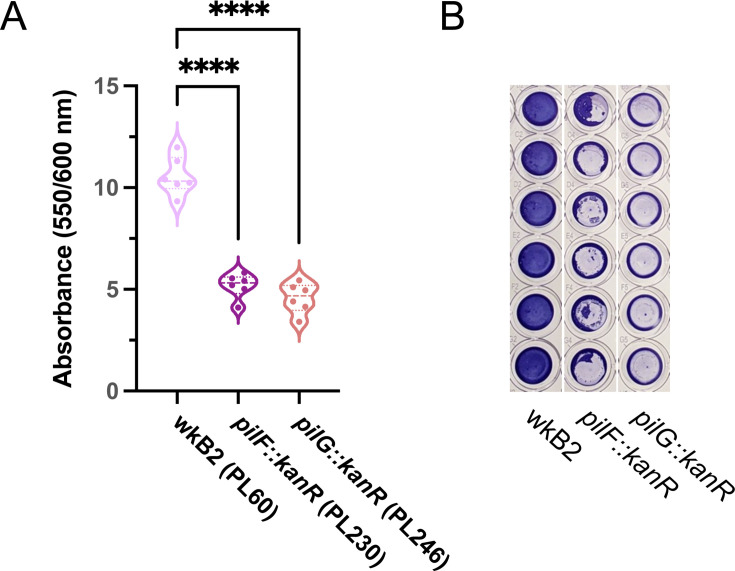
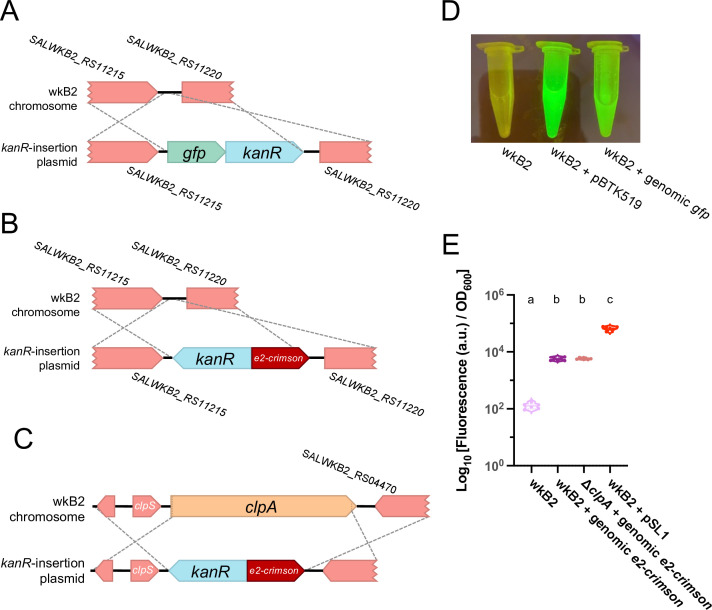
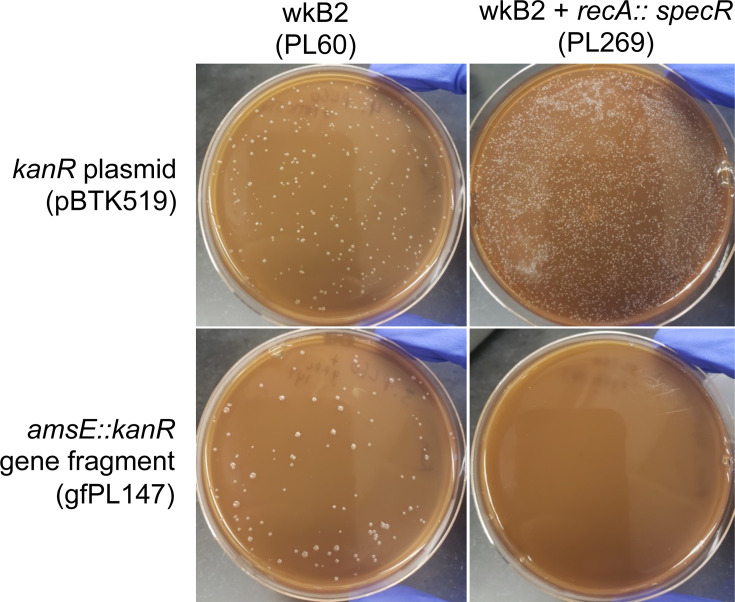
Mechanistic understanding of interactions in many host-microbe systems, including the honey bee microbiome, is limited by a lack of easy-to-use genome engineering approaches. To this end, we demonstrate a one-step genome engineering approach for making gene deletions and insertions in the chromosomes of honey bee gut bacterial symbionts. Electroporation of linear or non-replicating plasmid DNA containing an antibiotic resistance cassette flanked by regions with homology to a symbiont genome reliably results in chromosomal integration. This lightweight approach does not require expressing any exogenous recombination machinery. The high concentrations of large DNAs with long homology regions needed to make the process efficient can be readily produced using modern DNA synthesis and assembly methods. We use this approach to knock out genes, including genes involved in biofilm formation, and insert fluorescent protein genes into the chromosome of the betaproteobacterial bee gut symbiont . We are also able to engineer the genomes of multiple strains of and another species, , which is found in the bumble bee gut microbiome. Finally, we use the same method to engineer the chromosome of another bee symbiont, , which is an alphaproteobacterium. As expected, gene knockout in using this approach is -dependent, suggesting that this straightforward procedure can be applied to other microbes that lack convenient genome engineering methods.
Honey bees are ecologically and economically important crop pollinators with bacterial gut symbionts that influence their health. Microbiome-based strategies for studying or improving bee health have utilized wild-type or plasmid-engineered bacteria. We demonstrate that a straightforward, single-step method can be used to insert cassettes and replace genes in the chromosomes of multiple bee gut bacteria. This method can be used for investigating the mechanisms of host-microbe interactions in the bee gut community and stably engineering symbionts that benefit pollinator health.
在许多宿主-微生物系统(包括蜜蜂微生物组)中,对相互作用的机制理解受到缺乏易于使用的基因组工程方法的限制。为此,我们展示了一种在蜜蜂肠道细菌共生体的染色体中进行基因缺失和插入的一步式基因组工程方法。电穿孔含有抗生素抗性盒的线性或非复制质粒 DNA,该盒两侧是与共生体基因组同源的区域,可可靠地导致染色体整合。这种轻量级方法不需要表达任何外源性重组机制。为了使该过程高效进行,需要使用具有长同源区域的高浓度大 DNA,这可以通过现代 DNA 合成和组装方法轻松制备。我们使用这种方法敲除基因,包括参与生物膜形成的基因,并将荧光蛋白基因插入β变形菌蜜蜂肠道共生体的染色体中。我们还能够对 和另一种存在于熊蜂肠道微生物组中的物种 的基因组进行工程改造。最后,我们使用相同的方法对另一种蜜蜂共生体的染色体进行工程改造,这是一种α变形菌。正如预期的那样,使用这种方法在 中进行基因敲除依赖于,这表明这种简单的程序可以应用于其他缺乏方便的基因组工程方法的微生物。
蜜蜂在生态和经济上是重要的作物传粉媒介,其肠道中有细菌共生体,这影响它们的健康。基于微生物组的研究或改善蜜蜂健康的策略利用了野生型或质粒工程改造的细菌。我们证明了一种简单的一步法可用于插入细菌染色体中的盒和取代基因。该方法可用于研究蜜蜂肠道群落中宿主-微生物相互作用的机制,并稳定工程改造有利于传粉者健康的共生体。