Wang Fan, Jiang Xinglin, Liu Yuchen, Zhang Ge, Zhang Yao, Jin Yongming, Shi Sujuan, Men Xiao, Liu Lijuan, Wang Lei, Liao Weihong, Chen Xiaona, Chen Guoqiang, Liu Haobao, Ahmad Manzoor, Fu Chunxiang, Wang Qian, Zhang Haibo, Lee Sang Yup
Qingdao Institute of Bioenergy and Bioprocess Technology, Chinese Academy of Sciences, Qingdao 266101, China.
Shandong Energy Institute, Qingdao 266101, China.
Innovation (Camb). 2024 Aug 21;5(5):100687. doi: 10.1016/j.xinn.2024.100687. eCollection 2024 Sep 9.
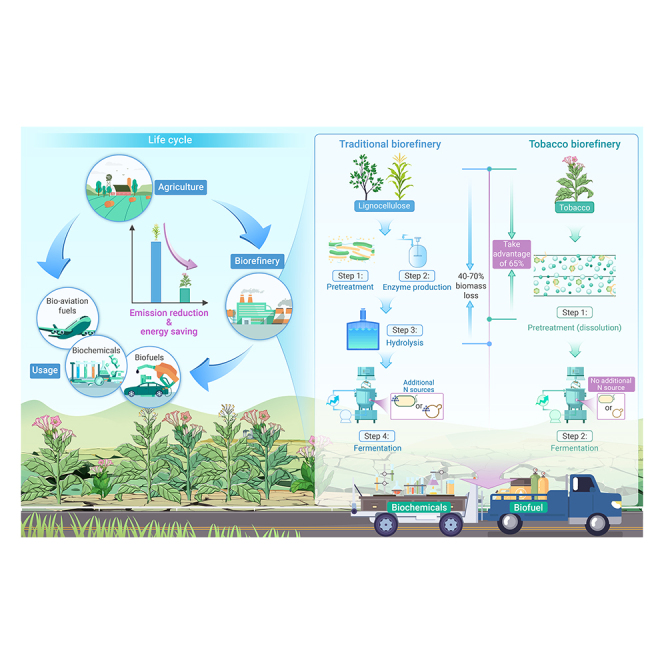
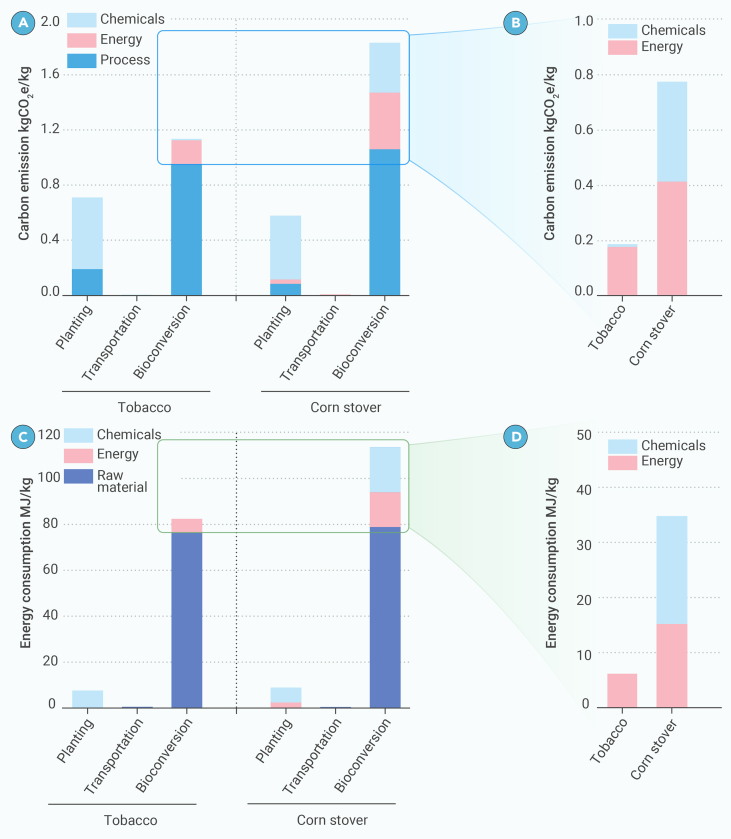
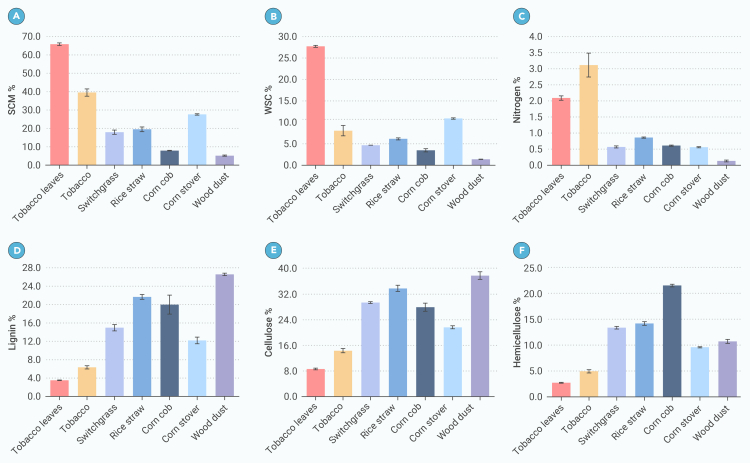
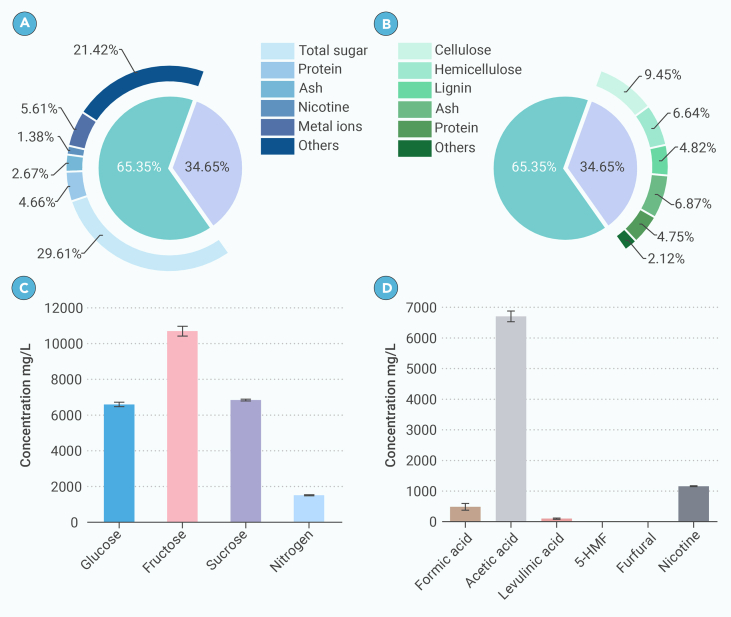
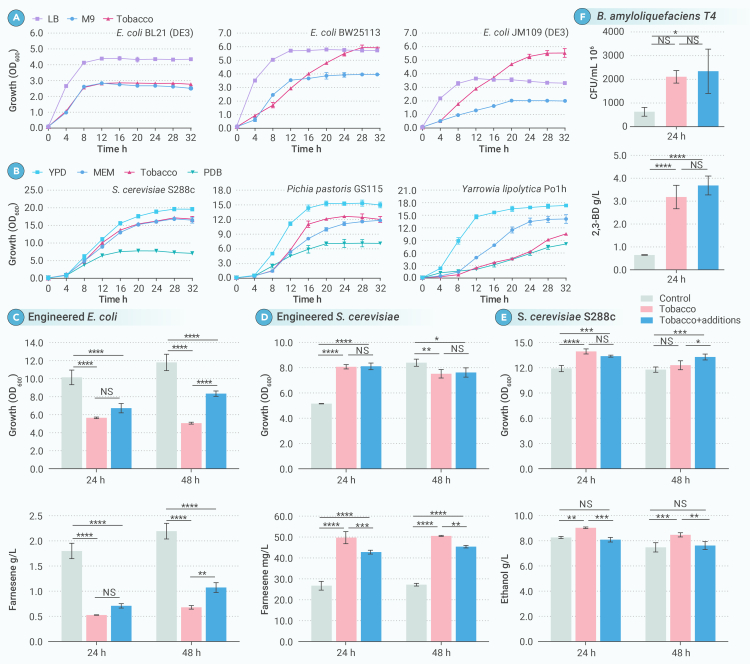
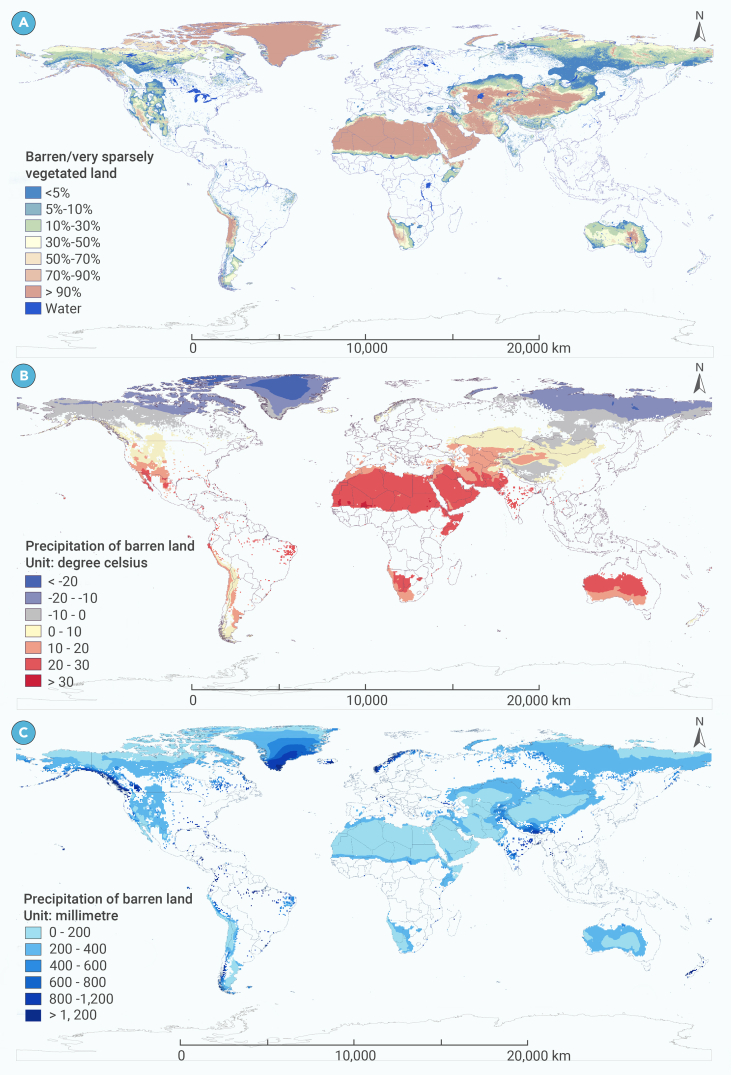
Energy crops play a vital role in meeting future energy and chemical demands while addressing climate change. However, the idealization of low-carbon workflows and careful consideration of cost-benefit equations are crucial for their more sustainable implementation. Here, we propose tobacco as a promising energy crop because of its exceptional water solubility, mainly attributed to a high proportion of water-soluble carbohydrates and nitrogen, less lignocellulose, and the presence of acids. We then designed a strategy that maximizes biomass conversion into bio-based products while minimizing energy and material inputs. By autoclaving tobacco leaves in water, we obtained a nutrient-rich medium capable of supporting the growth of microorganisms and the production of bioproducts without the need for extensive pretreatment, hydrolysis, or additional supplements. Additionally, cultivating tobacco on barren lands can generate sufficient biomass to produce approximately 573 billion gallons of ethanol per year. This approach also leads to a reduction of greenhouse gas emissions by approximately 76% compared to traditional corn stover during biorefinery processes. Therefore, our study presents a novel and direct strategy that could significantly contribute to the goal of reducing carbon emissions and global sustainable development compared to traditional methods.
能源作物在满足未来能源和化工需求以及应对气候变化方面发挥着至关重要的作用。然而,低碳工作流程的理想化以及对成本效益方程的审慎考量对于其更可持续的实施至关重要。在此,我们提出烟草作为一种有前景的能源作物,因为其具有出色的水溶性,这主要归因于高比例的水溶性碳水化合物和氮、较少的木质纤维素以及酸的存在。然后,我们设计了一种策略,在将生物质转化为生物基产品的过程中,最大限度地提高转化率,同时将能源和材料投入降至最低。通过在水中对烟草叶片进行高压灭菌,我们获得了一种营养丰富的培养基,无需进行广泛的预处理、水解或额外添加物,就能支持微生物的生长和生物产品的生产。此外,在贫瘠土地上种植烟草可产生足够的生物质,每年大约能生产5730亿加仑乙醇。与传统玉米秸秆在生物炼制过程中相比,这种方法还能使温室气体排放量减少约76%。因此,与传统方法相比,我们的研究提出了一种新颖且直接的策略,可为减少碳排放和全球可持续发展目标做出重大贡献。