Biotechnology Research Institute, Xinjiang Academy of Agricultural and Reclamation, 221 Wuyi Highway, Shihezi, Xinjiang, 832000, China.
Institute of Cash Crops, Xinjiang Academy of Agricultural Sciences, Urumqi, 830091, China.
BMC Plant Biol. 2024 Sep 30;24(1):893. doi: 10.1186/s12870-024-05584-6.
The GT64 subfamily, belonging to the glycosyltransferase family, plays a critical function in plant adaptation to stress conditions and the modulation of plant growth, development, and organogenesis processes. However, a comprehensive identification and systematic analysis of GT64 in cotton are still lacking.
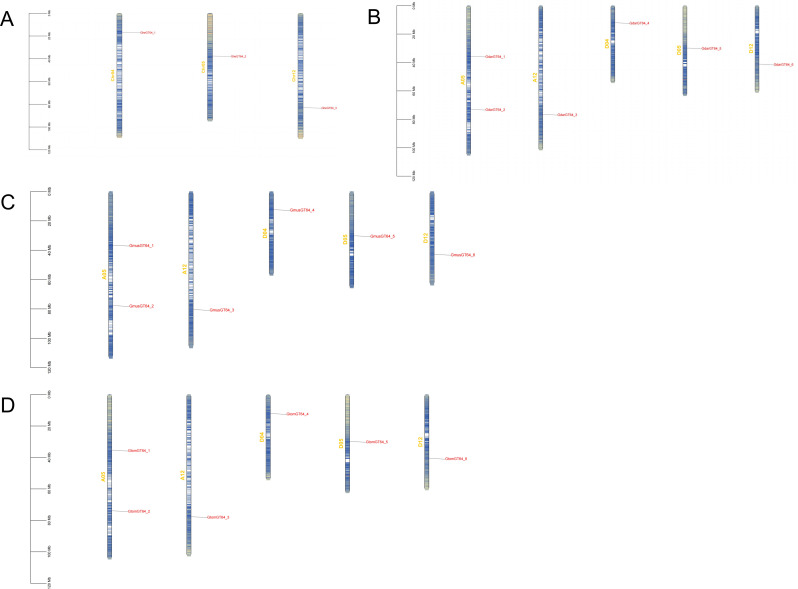
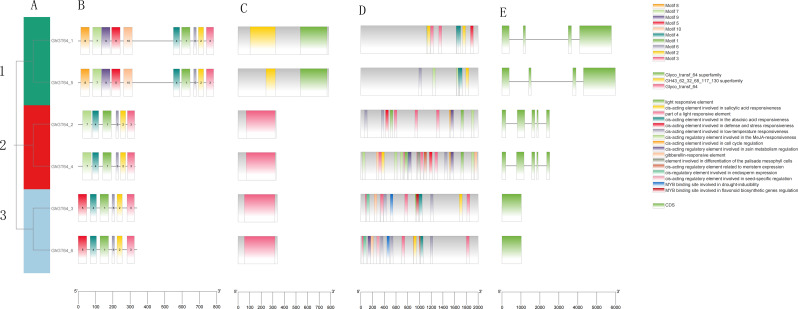
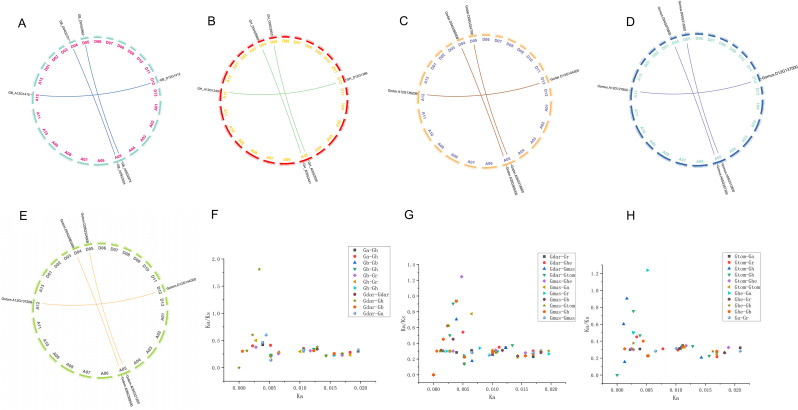
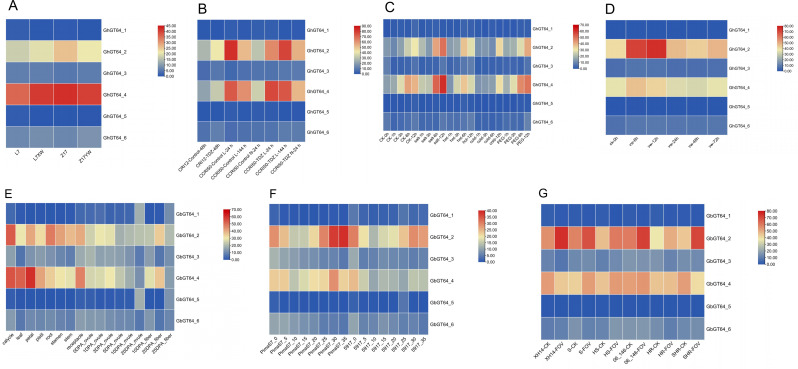
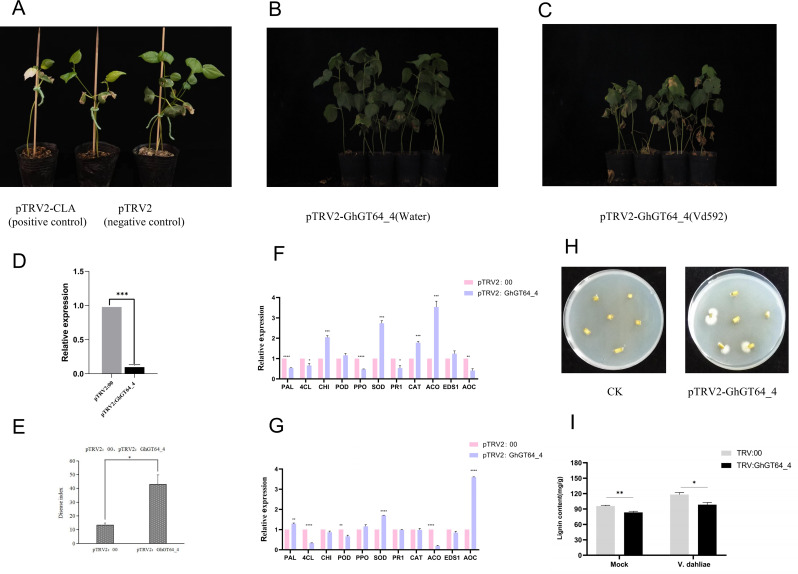
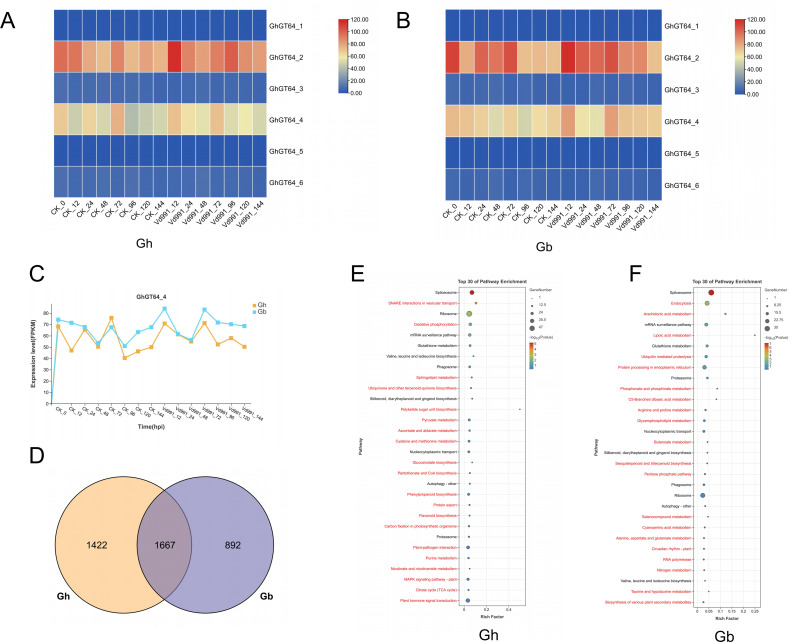
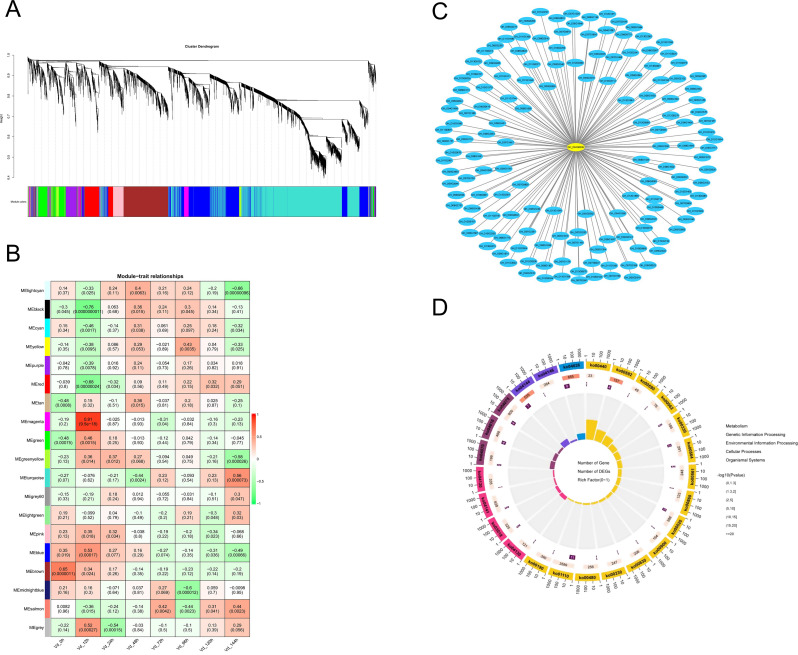
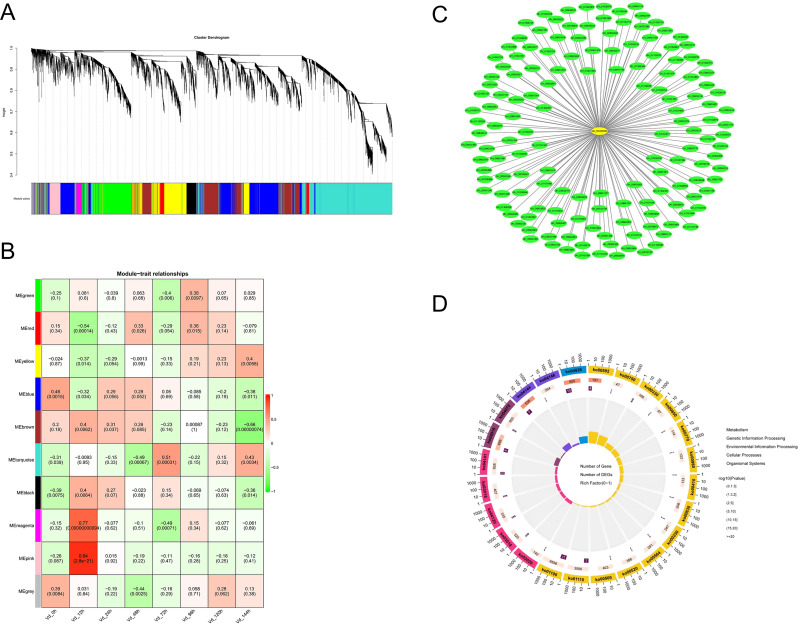
This study used bioinformatics techniques to conduct a detailed investigation on the GT64 gene family members of eight cotton species for the first time. A total of 39 GT64 genes were detected, which could be classified into five subfamilies according to the phylogenetic tree. Among them, six genes were found in upland cotton. Furthermore, investigated the precise chromosomal positions of these genes and visually represented their gene structure details. Moreover, forecasted cis-regulatory elements in GhGT64s and ascertained the duplication type of the GT64 in the eight cotton species. Evaluation of the Ka/Ks ratio for similar gene pairs among the eight cotton species provided insights into the selective pressures acting on these homologous genes. Additionally, analyzed the expression profiles of the GT64 gene family. Overexpressing GhGT64_4 in tobacco improved its disease resistance. Subsequently, VIGS experiments conducted in cotton demonstrated reduced disease resistance upon silencing of the GhGT64_4, may indicate its involvement in affecting lignin and jasmonic acid biosynthesis pathways, thus impacting cotton resistance. Weighted Gene Co-expression Network Analysis (WGCNA) revealed an early immune response against Verticillium dahliae in G. barbadense compared to G. hirsutum. Quantitative Reverse Transcription Polymerase Chain Reaction (qRT-PCR) analysis indicated that some GT64 genes might play a role under various biotic and abiotic stress conditions.
These discoveries enhance our knowledge of GT64 family members and lay the groundwork for future investigations into the disease resistance mechanisms of this gene in cotton.
属于糖基转移酶家族的 GT64 亚家族在植物适应胁迫条件以及调节植物生长、发育和器官发生过程中起着关键作用。然而,对棉花中的 GT64 进行全面鉴定和系统分析仍然缺乏。
本研究首次使用生物信息学技术对 8 种棉花物种的 GT64 基因家族成员进行了详细研究。共检测到 39 个 GT64 基因,根据系统发育树可分为 5 个亚家族。其中,在陆地棉中发现了 6 个基因。此外,还研究了这些基因的精确染色体位置,并直观地展示了它们的基因结构细节。此外,预测了 GhGT64s 中的顺式调控元件,并确定了 8 种棉花中 GT64 的重复类型。对 8 种棉花中相似基因对的 Ka/Ks 比值进行评估,为这些同源基因所受选择压力提供了线索。此外,还分析了 GT64 基因家族的表达谱。在烟草中过表达 GhGT64_4 提高了其抗病性。随后,在棉花中进行的 VIGS 实验表明 GhGT64_4 沉默会降低棉花的抗病性,这可能表明其参与影响木质素和茉莉酸生物合成途径,从而影响棉花的抗性。加权基因共表达网络分析(WGCNA)显示,与 G. hirsutum 相比,G. barbadense 对 Verticillium dahliae 的早期免疫反应。定量逆转录聚合酶链反应(qRT-PCR)分析表明,一些 GT64 基因可能在各种生物和非生物胁迫条件下发挥作用。
这些发现增强了我们对 GT64 家族成员的认识,为进一步研究该基因在棉花中的抗病机制奠定了基础。