Klein Carolin S, Hollmann Karsten, Kühnhausen Jan, Alt Annika K, Pascher Anja, Seizer Lennart, Primbs Jonas, Ilg Winfried, Thierfelder Annika, Severitt Björn, Passon Helene, Wörz Ursula, Lautenbacher Heinrich, Bethge Wolfgang A, Löchner Johanna, Holderried Martin, Swoboda Walter, Kasneci Enkelejda, Giese Martin A, Ernst Christian, Barth Gottfried M, Conzelmann Annette, Menth Michael, Gawrilow Caterina, Renner Tobias J
Department of Child and Adolescent Psychiatry, Psychosomatics and Psychotherapy, University Hospital Tübingen, Tübingen, Germany.
DZPG (German Center for Mental Health), Tübingen, Germany.
Front Digit Health. 2024 Sep 24;6:1384540. doi: 10.3389/fdgth.2024.1384540. eCollection 2024.
The present study investigates the feasibility and usability of a sensor-based eHealth treatment in psychotherapy for pediatric obsessive-compulsive disorder (OCD), and explores the promises and pitfalls of this novel approach. With eHealth interventions, therapy can be delivered in a patient's home environment, leading to a more ecologically valid symptom assessment and access to experts even in rural areas. Furthermore, sensors can help indicate a patient's emotional and physical state during treatment. Finally, using sensors during exposure with response prevention (E/RP) can help individualize therapy and prevent avoidance behavior.
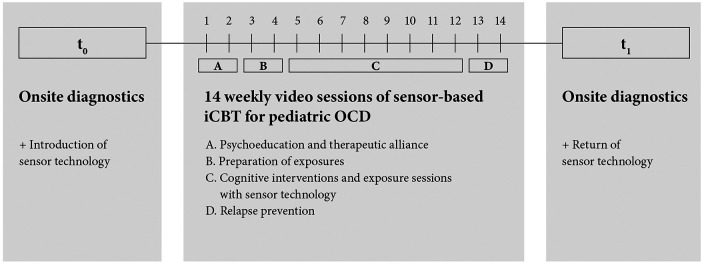
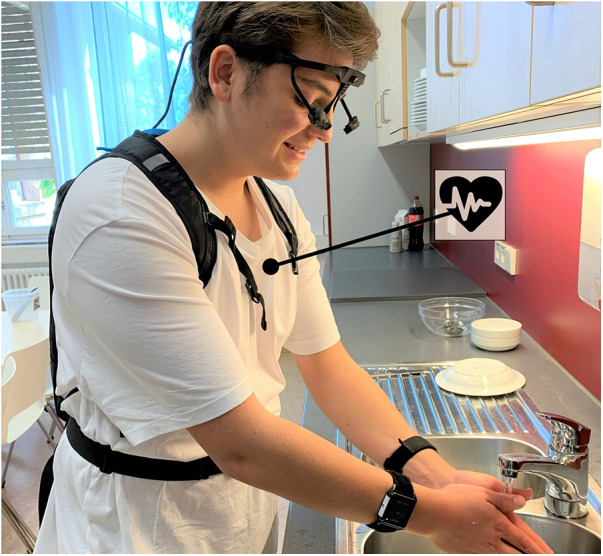
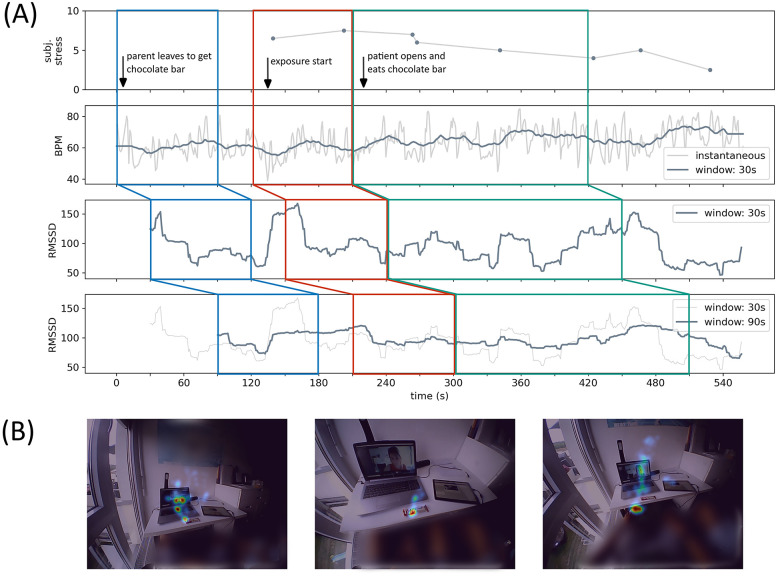
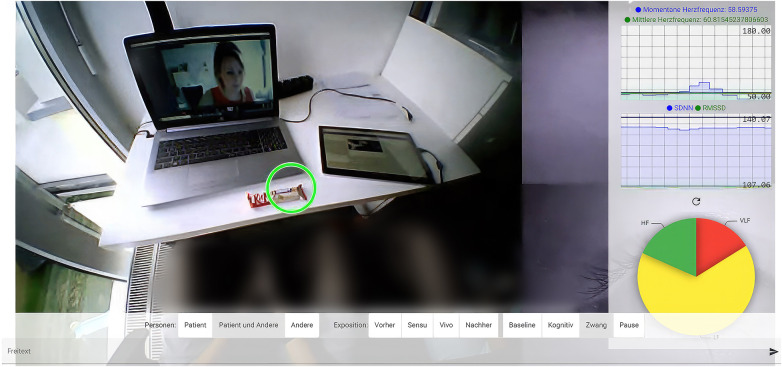
In this study, we developed and subsequently evaluated a multimodal sensor-based eHealth intervention during 14 video sessions of cognitive-behavioral therapy (CBT) in 20 patients with OCD aged 12-18. During E/RP, we recorded eye movements and gaze direction via eye trackers, and an ECG chest strap captured heart rate (HR) to identify stress responses. Additionally, motion sensors detected approach and avoidance behavior.
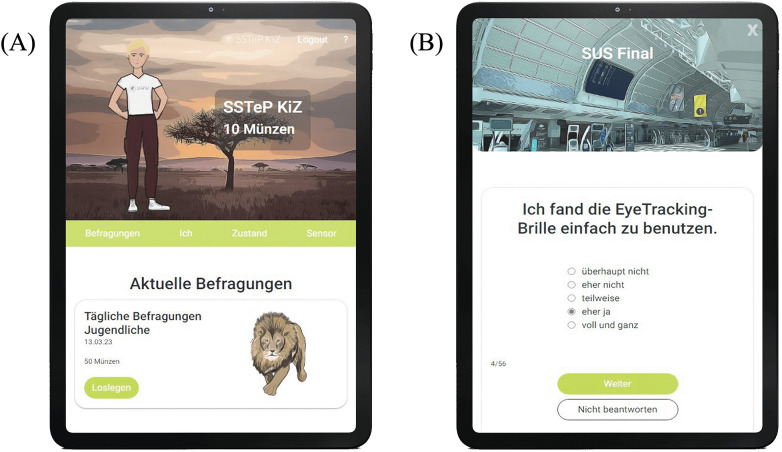
The results indicate a promising application of sensor-supported therapy for pediatric OCD, such that the technology was well-accepted by the participants, and the therapeutic relationship was successfully established in the context of internet-based treatment. Patients, their parents, and the therapists all showed high levels of satisfaction with this form of therapy and rated the wearable approach in the home environment as helpful, with fewer OCD symptoms perceived at the end of the treatment.
The goal of this study was to gain a better understanding of the psychological and physiological processes that occur in pediatric patients during exposure-based online treatment. In addition, 10 key considerations in preparing and conducting sensor-supported CBT for children and adolescents with OCD are explored at the end of the article. This approach has the potential to overcome limitations in eHealth interventions by allowing the real-time transmission of objective data to therapists, once challenges regarding technical support and hardware and software usability are addressed.
www.ClinicalTrials.gov, identifier (NCT05291611).
本研究调查了基于传感器的电子健康治疗在儿童强迫症(OCD)心理治疗中的可行性和可用性,并探讨了这种新方法的前景与问题。通过电子健康干预,治疗可以在患者家中进行,从而实现更符合生态效度的症状评估,即使在农村地区也能获得专家指导。此外,传感器有助于在治疗过程中指示患者的情绪和身体状态。最后,在暴露与反应阻止疗法(E/RP)中使用传感器有助于实现个性化治疗并防止回避行为。
在本研究中,我们开发并随后评估了一种基于多模式传感器的电子健康干预措施,该措施应用于20名年龄在12至18岁的强迫症患者的14次认知行为疗法(CBT)视频治疗过程中。在E/RP期间,我们通过眼动仪记录眼动和注视方向,并使用心电图胸带获取心率(HR)以识别应激反应。此外,运动传感器检测接近和回避行为。
结果表明,基于传感器的疗法在儿童强迫症治疗中具有广阔的应用前景,该技术得到了参与者的高度认可,并且在基于互联网的治疗环境中成功建立了治疗关系。患者、其父母和治疗师对这种治疗形式均表现出高度满意,并认为在家中使用可穿戴设备的方法很有帮助,治疗结束时患者的强迫症症状有所减轻。
本研究的目的是更好地理解儿童患者在基于暴露的在线治疗过程中发生的心理和生理过程。此外,文章末尾还探讨了为患有强迫症的儿童和青少年准备和实施基于传感器的CBT时的10个关键注意事项。一旦解决了技术支持以及硬件和软件可用性方面的挑战,这种方法有可能通过将客观数据实时传输给治疗师来克服电子健康干预中的局限性。