Alsulami Abdulkream A, Albarakati Aishah, Al-Ghamdi Abdullah Al-Malaise, Ragab Mahmoud
Department of Information Technology, Faculty of Computing and Information Technology at Alkamil, University of Jeddah, Jeddah, Saudi Arabia.
Department of Mathematics, Faculty of Science, University of Jeddah, Jeddah, Saudi Arabia.
Bioengineering (Basel). 2024 Sep 28;11(10):978. doi: 10.3390/bioengineering11100978.
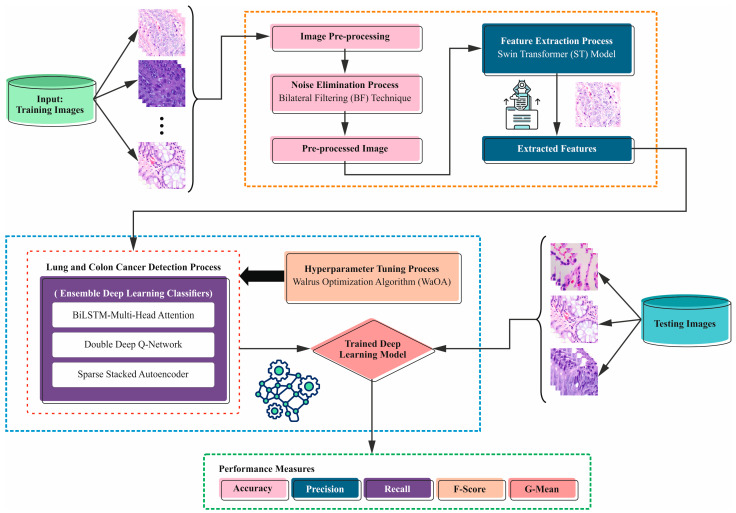
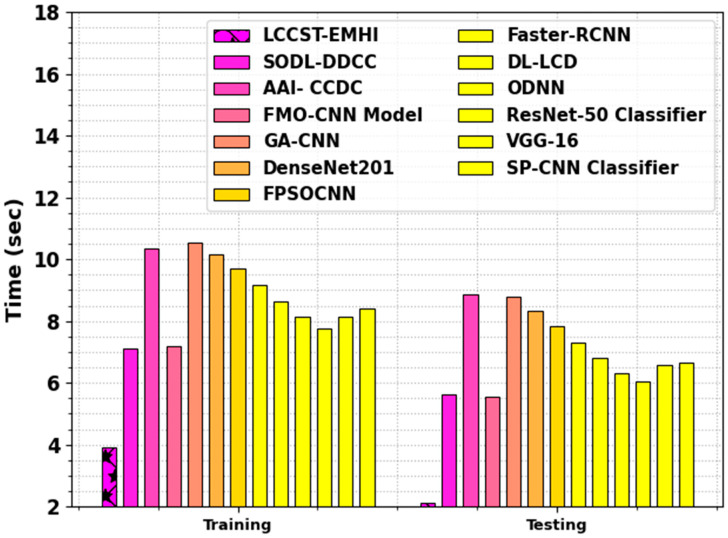
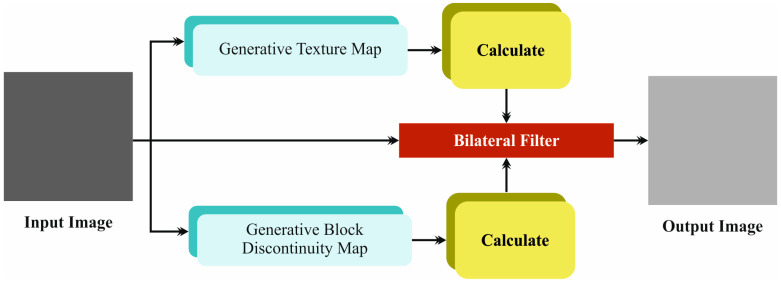
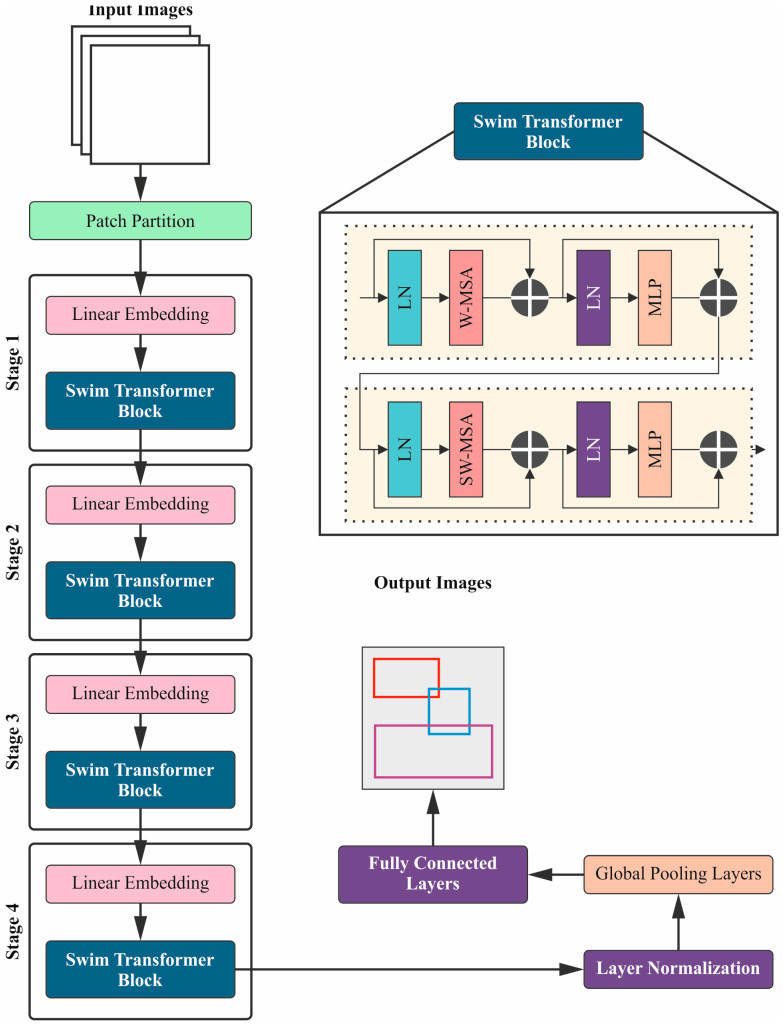
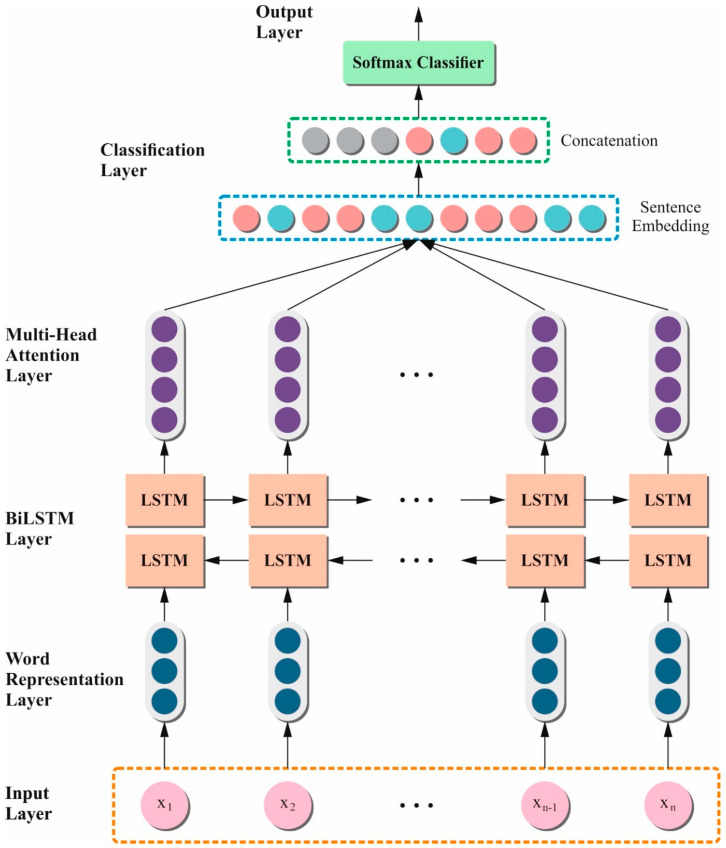
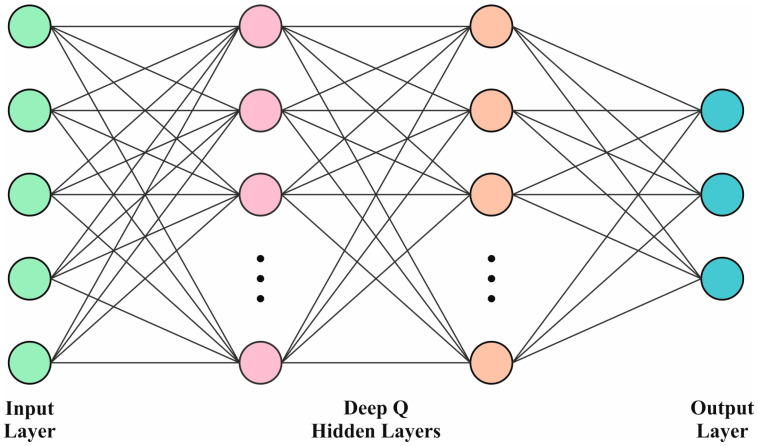
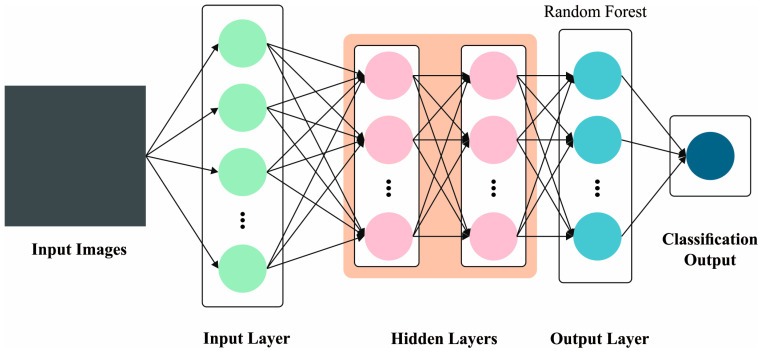
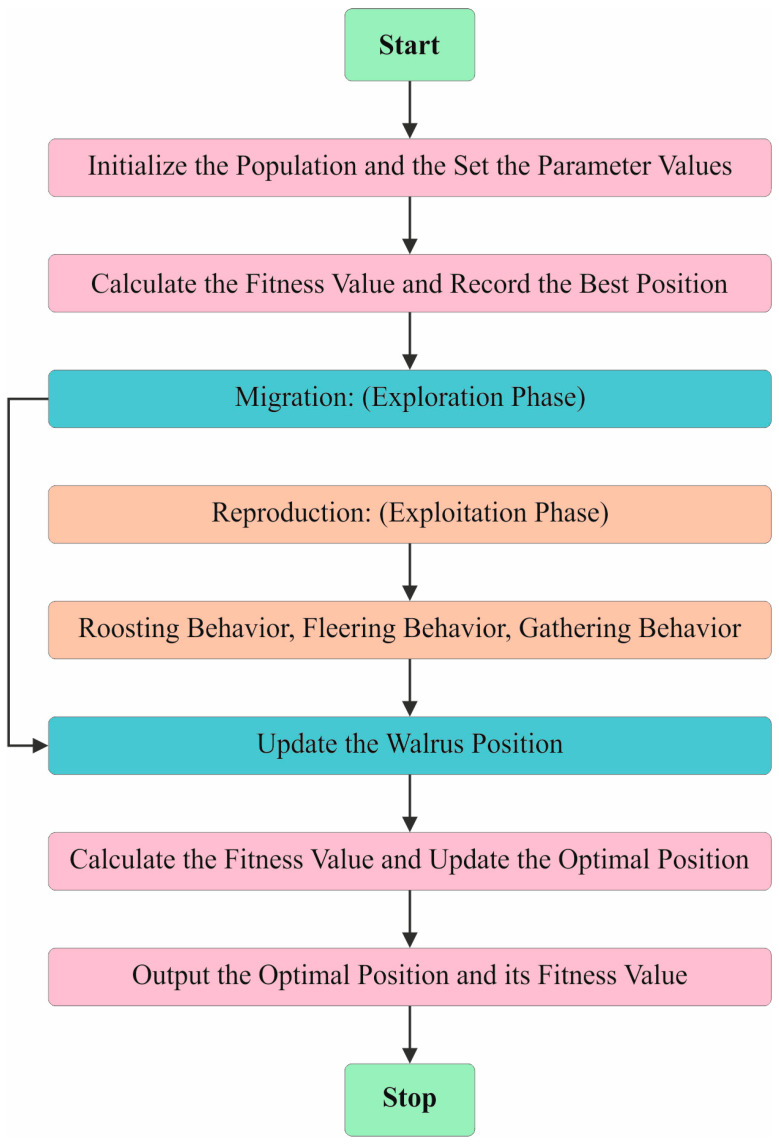
Lung and colon cancer (LCC) is a dominant life-threatening disease that needs timely attention and precise diagnosis for efficient treatment. The conventional diagnostic techniques for LCC regularly encounter constraints in terms of efficiency and accuracy, thus causing challenges in primary recognition and treatment. Early diagnosis of the disease can immensely reduce the probability of death. In medical practice, the histopathological study of the tissue samples generally uses a classical model. Still, the automated devices that exploit artificial intelligence (AI) techniques produce efficient results in disease diagnosis. In histopathology, both machine learning (ML) and deep learning (DL) approaches can be deployed owing to their latent ability in analyzing and predicting physically accurate molecular phenotypes and microsatellite uncertainty. In this background, this study presents a novel technique called Lung and Colon Cancer using a Swin Transformer with an Ensemble Model on the Histopathological Images (LCCST-EMHI). The proposed LCCST-EMHI method focuses on designing a DL model for the diagnosis and classification of the LCC using histopathological images (HI). In order to achieve this, the LCCST-EMHI model utilizes the bilateral filtering (BF) technique to get rid of the noise. Further, the Swin Transformer (ST) model is also employed for the purpose of feature extraction. For the LCC detection and classification process, an ensemble deep learning classifier is used with three techniques: bidirectional long short-term memory with multi-head attention (BiLSTM-MHA), Double Deep Q-Network (DDQN), and sparse stacked autoencoder (SSAE). Eventually, the hyperparameter selection of the three DL models can be implemented utilizing the walrus optimization algorithm (WaOA) method. In order to illustrate the promising performance of the LCCST-EMHI approach, an extensive range of simulation analyses was conducted on a benchmark dataset. The experimentation results demonstrated the promising performance of the LCCST-EMHI approach over other recent methods.
肺癌和结肠癌(LCC)是一种主要的危及生命的疾病,需要及时关注并进行精确诊断以实现有效治疗。LCC的传统诊断技术在效率和准确性方面经常遇到限制,从而在初步识别和治疗中带来挑战。该疾病的早期诊断可以极大地降低死亡概率。在医学实践中,组织样本的组织病理学研究通常使用经典模型。然而,利用人工智能(AI)技术的自动化设备在疾病诊断中能产生高效的结果。在组织病理学中,由于机器学习(ML)和深度学习(DL)方法在分析和预测物理上准确的分子表型和微卫星不确定性方面具有潜在能力,因此都可以被采用。在此背景下,本研究提出了一种名为基于组织病理学图像的带集成模型的Swin Transformer的肺癌和结肠癌(LCCST-EMHI)新技术。所提出的LCCST-EMHI方法专注于设计一个用于使用组织病理学图像(HI)对LCC进行诊断和分类的DL模型。为了实现这一目标,LCCST-EMHI模型利用双边滤波(BF)技术去除噪声。此外,还采用Swin Transformer(ST)模型进行特征提取。对于LCC检测和分类过程,使用了一种集成深度学习分类器,其包含三种技术:带有多头注意力的双向长短期记忆(BiLSTM-MHA)、双深度Q网络(DDQN)和稀疏堆叠自动编码器(SSAE)。最终,可以利用海象优化算法(WaOA)方法对这三种DL模型进行超参数选择。为了说明LCCST-EMHI方法的良好性能,在一个基准数据集上进行了广泛的模拟分析。实验结果表明,LCCST-EMHI方法比其他近期方法具有更好的性能。