Chen Cong, Zhao Lin-Lin, Lang Qin, Xu Yun
School of Clinical Medicine, College of Medicine, Nanjing Medical University, Nanjing 211166, China.
Department of Neurology, The First Affiliated Hospital of Nanjing Medical University, Nanjing 210029, China.
Bioengineering (Basel). 2024 Sep 30;11(10):993. doi: 10.3390/bioengineering11100993.
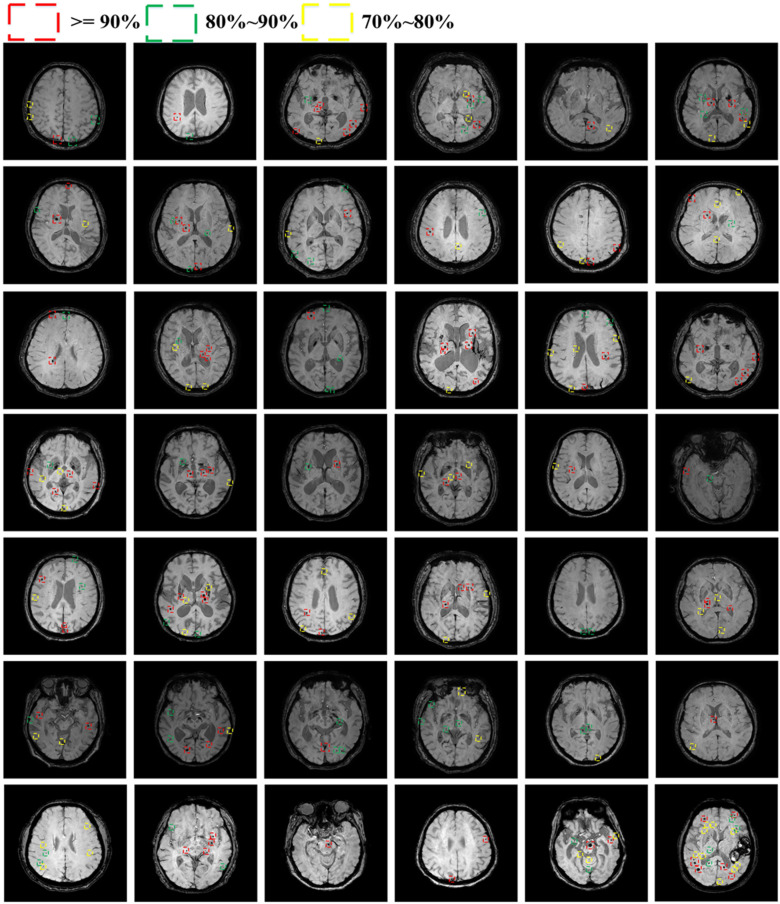
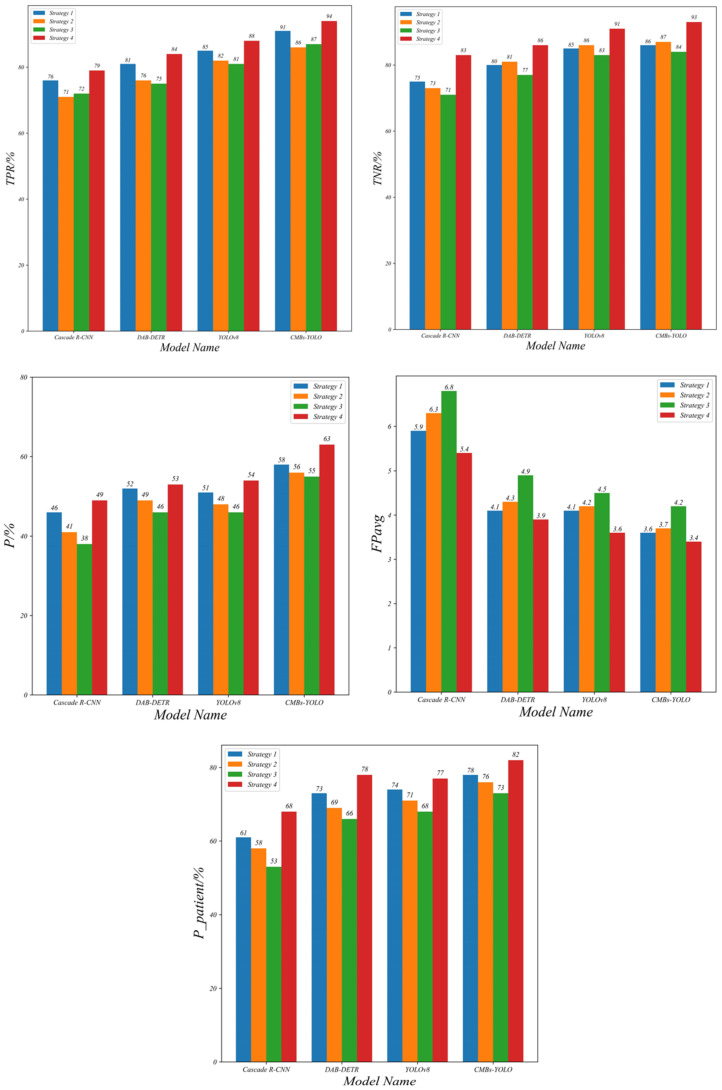
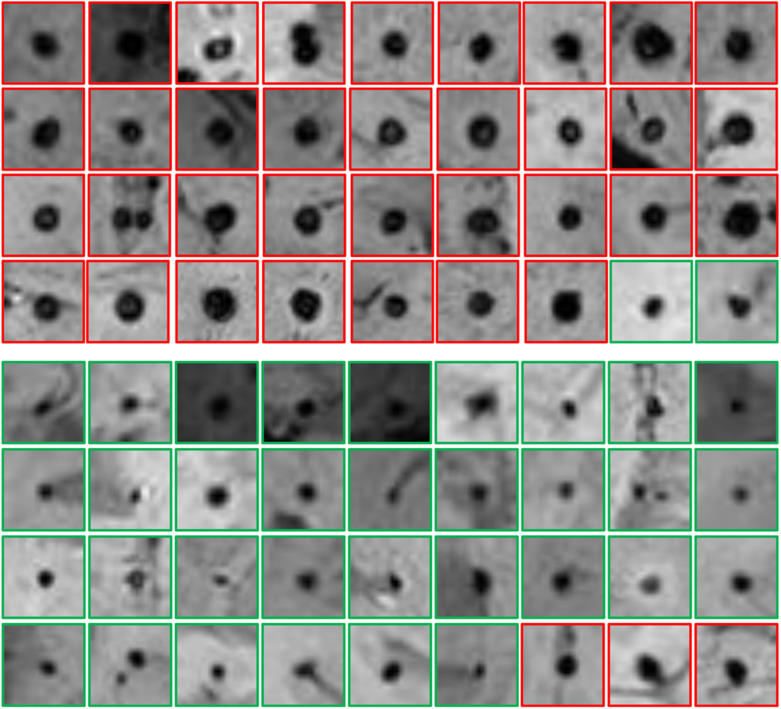
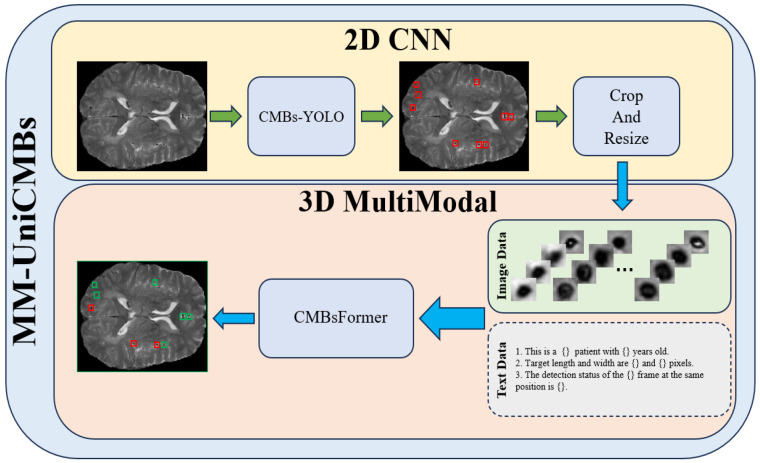
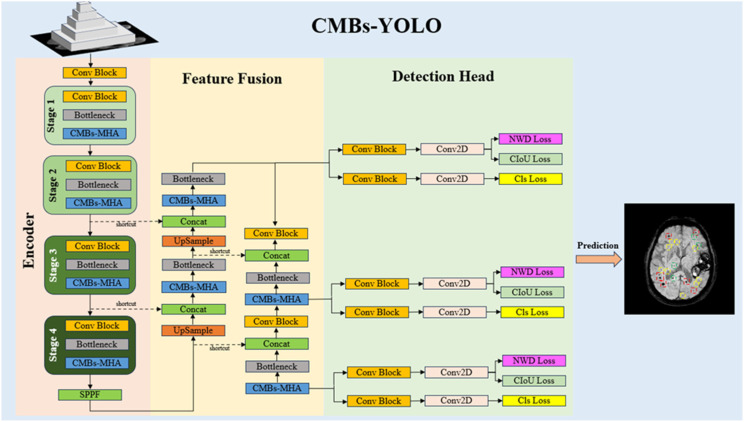
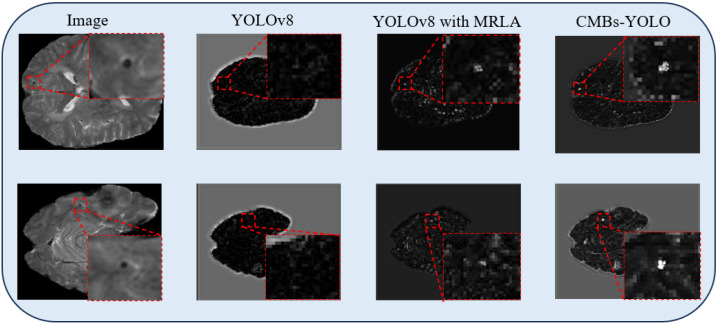
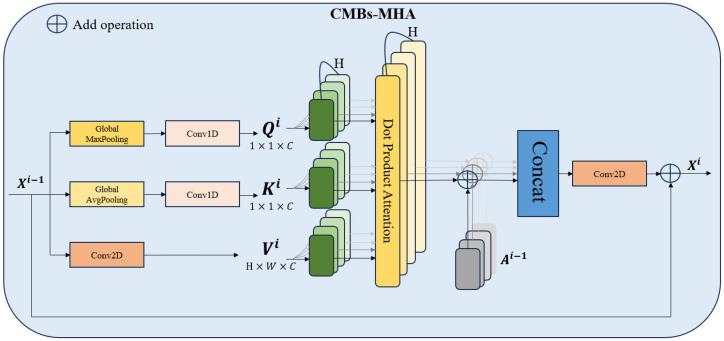
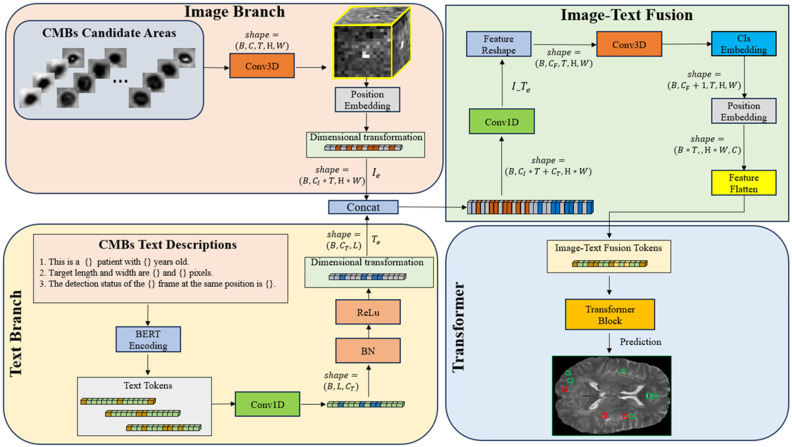
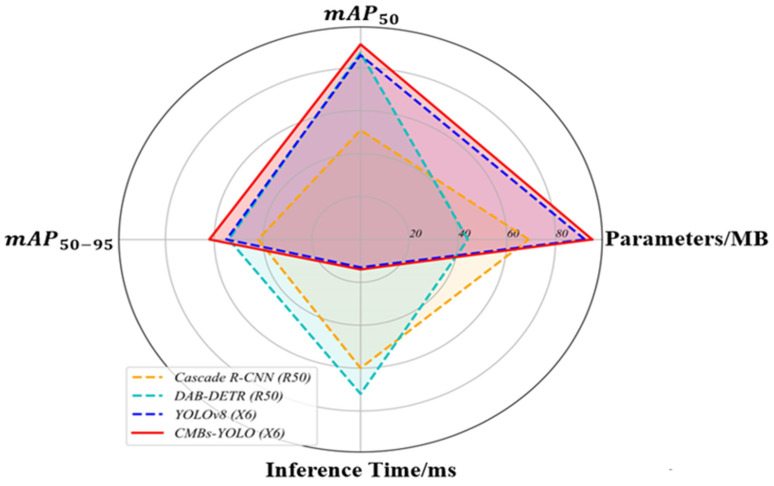
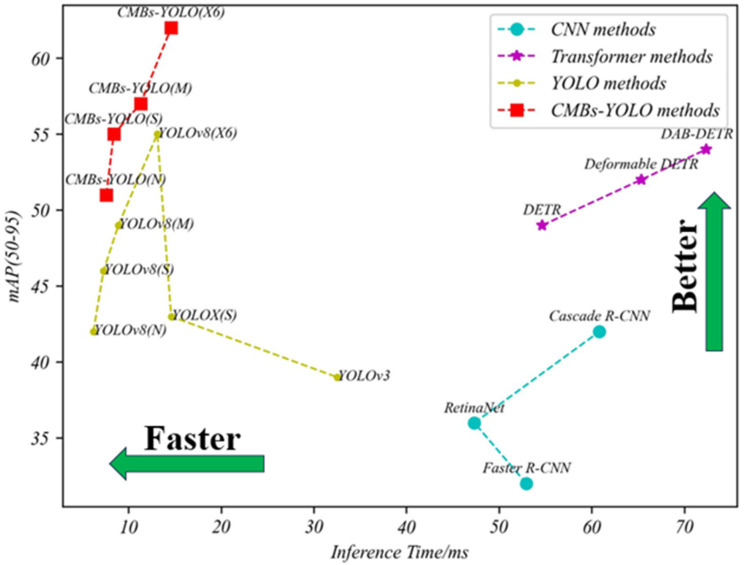
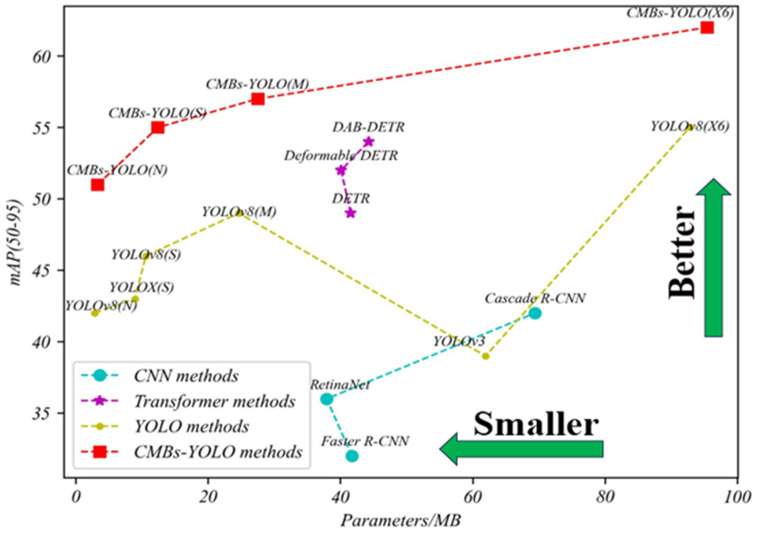
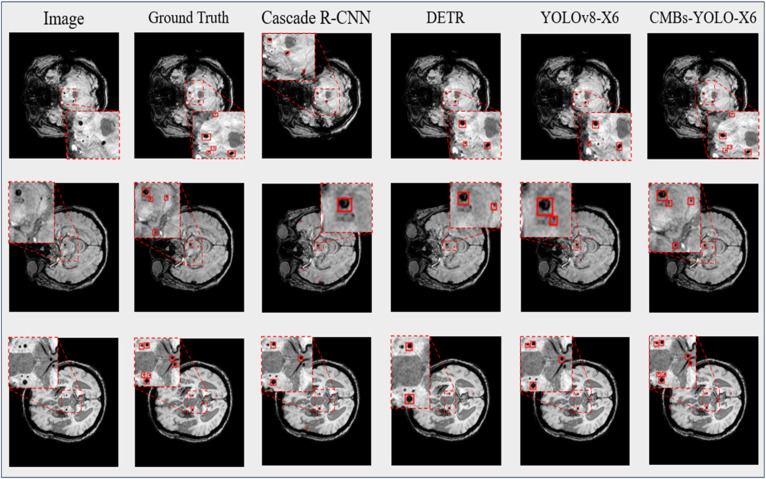
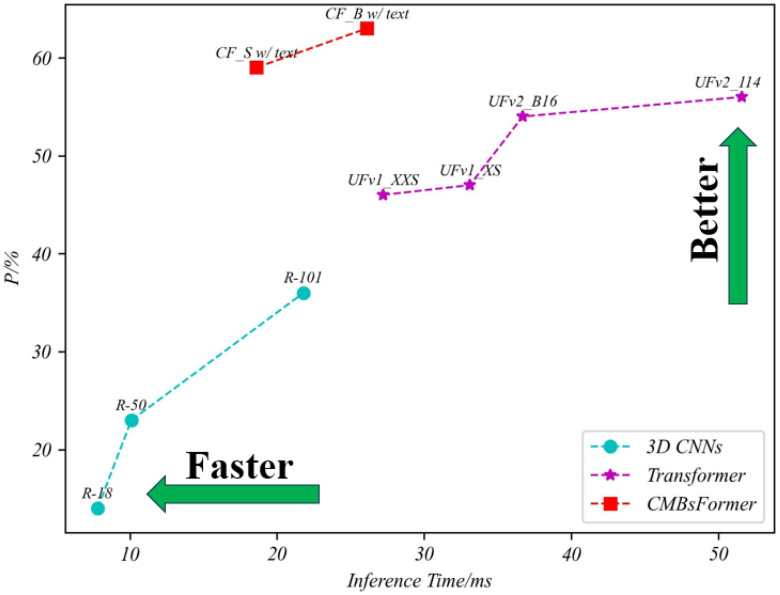
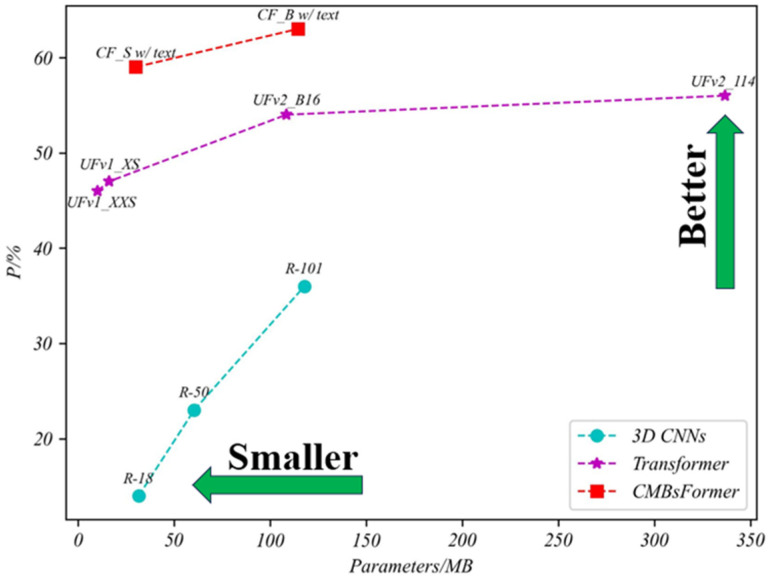
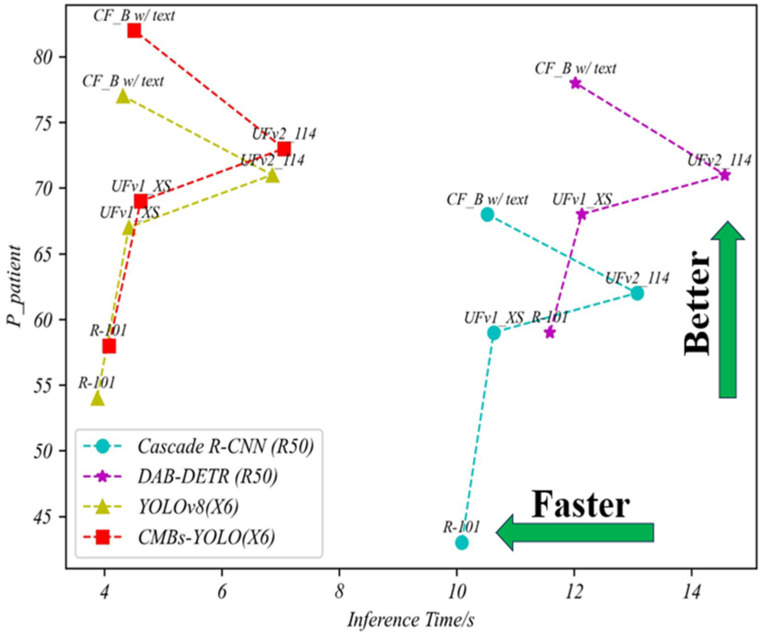
The detection of Cerebral Microbleeds (CMBs) is crucial for diagnosing cerebral small vessel disease. However, due to the small size and subtle appearance of CMBs in susceptibility-weighted imaging (SWI), manual detection is both time-consuming and labor-intensive. Meanwhile, the presence of similar-looking features in SWI images demands significant expertise from clinicians, further complicating this process. Recently, there has been a significant advancement in automated detection of CMBs using a Convolutional Neural Network (CNN) structure, aiming at enhancing diagnostic efficiency for neurologists. However, existing methods still show discrepancies when compared to the actual clinical diagnostic process. To bridge this gap, we introduce a novel multimodal detection and classification framework for CMBs' diagnosis, termed MM-UniCMBs. This framework includes a light-weight detection model and a multi-modal classification network. Specifically, we proposed a new CMBs detection network, CMBs-YOLO, designed to capture the salient features of CMBs in SWI images. Additionally, we design an innovative language-vision classification network, CMBsFormer (CF), which integrates patient textual descriptions-such as gender, age, and medical history-with image data. The MM-UniCMBs framework is designed to closely align with the diagnostic workflow of clinicians, offering greater interpretability and flexibility compared to existing methods. Extensive experimental results show that MM-UniCMBs achieves a sensitivity of 94% in CMBs' classification and can process a patient's data within 5 s.
脑微出血(CMBs)的检测对于诊断脑小血管疾病至关重要。然而,由于CMBs在磁敏感加权成像(SWI)中的尺寸小且外观不明显,手动检测既耗时又费力。同时,SWI图像中存在外观相似的特征需要临床医生具备丰富的专业知识,这使得该过程更加复杂。最近,使用卷积神经网络(CNN)结构进行CMBs自动检测取得了重大进展,旨在提高神经科医生的诊断效率。然而,与实际临床诊断过程相比,现有方法仍存在差异。为了弥合这一差距,我们引入了一种用于CMBs诊断的新型多模态检测和分类框架,称为MM-UniCMBs。该框架包括一个轻量级检测模型和一个多模态分类网络。具体而言,我们提出了一种新的CMBs检测网络CMBs-YOLO,旨在捕捉SWI图像中CMBs的显著特征。此外,我们设计了一种创新的语言-视觉分类网络CMBsFormer(CF),它将患者的文本描述(如性别、年龄和病史)与图像数据集成在一起。MM-UniCMBs框架旨在与临床医生的诊断工作流程紧密结合,与现有方法相比具有更高的可解释性和灵活性。大量实验结果表明,MM-UniCMBs在CMBs分类中实现了94%的灵敏度,并且可以在5秒内处理患者的数据。