Scaglione Stefania, Di Chiara Tiziana, Daidone Mario, Tuttolomondo Antonino
Internal Medicine and Stroke Care Ward, Department of Promoting Health, Maternal-Infant, Excellence and Internal and Specialized Medicine (Promise) G. D'Alessandro, University of Palermo, 90127 Palermo, Italy.
Nutrients. 2025 Jan 20;17(2):358. doi: 10.3390/nu17020358.
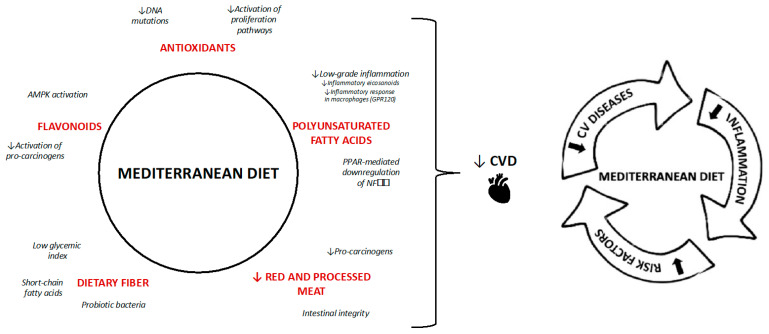
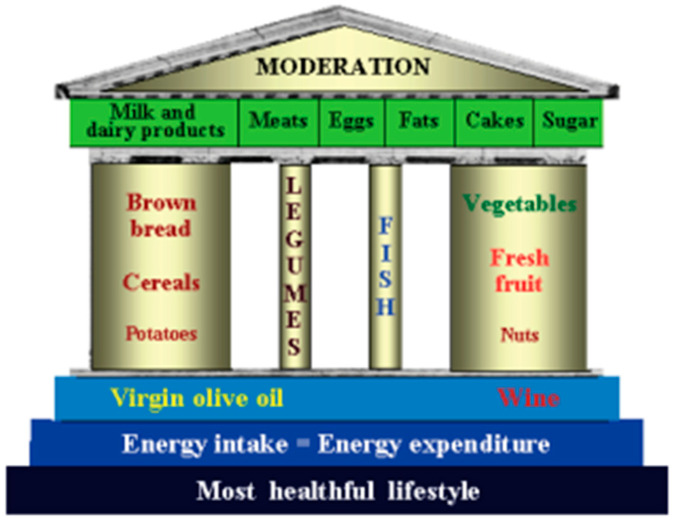
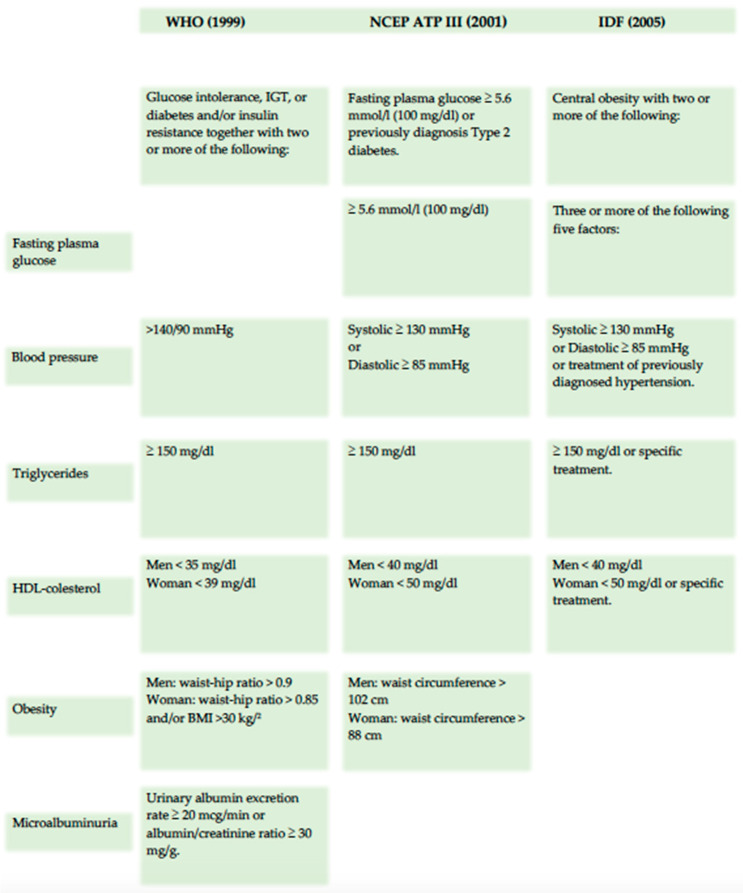
Metabolic syndrome is a cluster of risk factors, including abdominal obesity, insulin resistance, hypertension, dyslipidemia (intended as an increase in triglyceride levels and a reduction in HDL cholesterol levels), and elevated fasting glucose, that increase the risk of cardiovascular disease and type 2 diabetes. With the rising prevalence of metabolic syndrome, effective dietary interventions are essential in reducing these health risks. The Mediterranean diet, rich in fruits, vegetables, whole grains, legumes, nuts, and olive oil and moderate in fish and poultry, has shown promise in addressing metabolic syndrome and its associated components. This diet's anti-inflammatory and antioxidant properties, primarily due to its unsaturated fats, polyphenols, and fiber, have improved blood pressure, lipid levels, and insulin sensitivity. Adherence to the Mediterranean diet has been linked to reductions in central obesity and insulin resistance, both key elements in managing metabolic syndrome. Regarding lipid management, the Mediterranean diet lowers triglyceride levels and low-density lipoprotein (LDL) cholesterol while raising high-density lipoprotein (HDL) cholesterol, enhancing lipid profiles. It also helps regulate blood glucose levels, reducing the likelihood of developing type 2 diabetes. Additionally, the diet promotes weight loss and improves body composition, particularly by decreasing visceral fat, a primary driver of metabolic syndrome according to IDF classification. The Mediterranean diet offers a holistic approach to managing metabolic syndrome and reducing the risk of related chronic diseases. Its positive impact on metabolic health, combined with lifestyle changes like increased physical activity, provides a sustainable method for addressing the global burden of this syndrome. This review aimed to summarize the positive effects of the Mediterranean diet on the component of the metabolic syndrome with subsequent positive effects on cardiometabolic risk profile.
代谢综合征是一组危险因素的集合,包括腹部肥胖、胰岛素抵抗、高血压、血脂异常(表现为甘油三酯水平升高和高密度脂蛋白胆固醇水平降低)以及空腹血糖升高,这些因素会增加心血管疾病和2型糖尿病的风险。随着代谢综合征患病率的上升,有效的饮食干预对于降低这些健康风险至关重要。富含水果、蔬菜、全谷物、豆类、坚果和橄榄油且鱼类和家禽摄入量适中的地中海饮食,在应对代谢综合征及其相关组成部分方面已显示出前景。这种饮食的抗炎和抗氧化特性,主要归因于其不饱和脂肪、多酚和纤维,改善了血压、血脂水平和胰岛素敏感性。坚持地中海饮食与中心性肥胖和胰岛素抵抗的降低有关,而这两者都是管理代谢综合征的关键因素。在脂质管理方面,地中海饮食降低甘油三酯水平和低密度脂蛋白(LDL)胆固醇,同时提高高密度脂蛋白(HDL)胆固醇,改善血脂状况。它还有助于调节血糖水平,降低患2型糖尿病的可能性。此外,这种饮食有助于减肥并改善身体成分,特别是通过减少内脏脂肪,根据国际糖尿病联盟(IDF)的分类,内脏脂肪是代谢综合征的主要驱动因素。地中海饮食为管理代谢综合征和降低相关慢性病风险提供了一种全面的方法。它对代谢健康的积极影响,再加上增加体育活动等生活方式的改变,为应对这种综合征的全球负担提供了一种可持续的方法。这篇综述旨在总结地中海饮食对代谢综合征各组成部分的积极影响以及随后对心脏代谢风险状况的积极影响。