Zhang Jiyu, Xu Jiatuo, Tu Liping, Jiang Tao, Wang Yu, Xu Jijie
College of Traditional Chinese Medicine, Shanghai University of Traditional Chinese medicine, Shanghai, China.
Shanghai Baoshan Hospital of Integrated Traditional Chinese and Western Medicine, Shanghai, China.
Front Physiol. 2025 Jun 2;16:1592593. doi: 10.3389/fphys.2025.1592593. eCollection 2025.
Coronary artery disease (CAD) diagnosis currently relies on invasive coronary angiography for stenosis severity assessment, carrying inherent procedural risks. This study develops a transformer-based multimodal prediction model to provide a clinically reliable non-invasive alternative. By integrating heterogeneous biomarkers including facial morphometrics, cardiovascular waveforms and biochemical indicators, we aim to establish an interpretable framework for precision risk stratification.
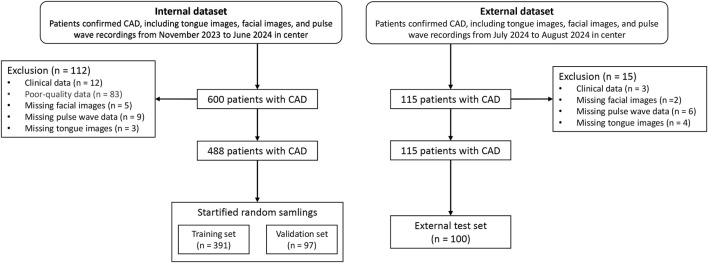
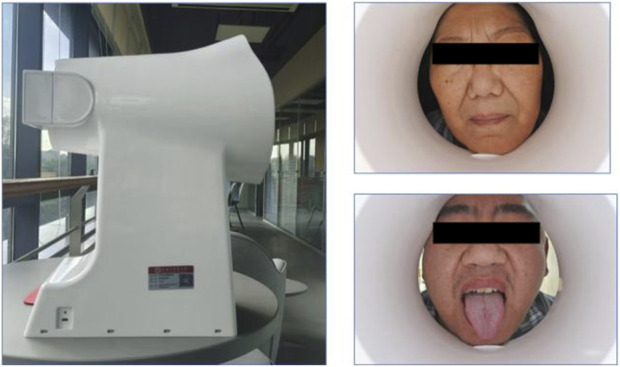
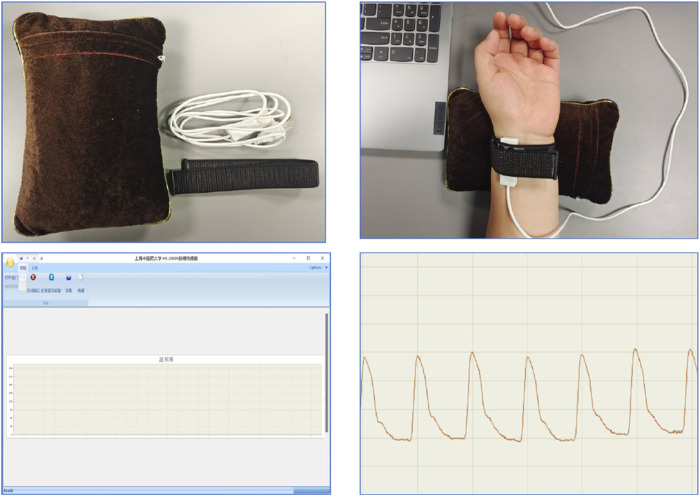
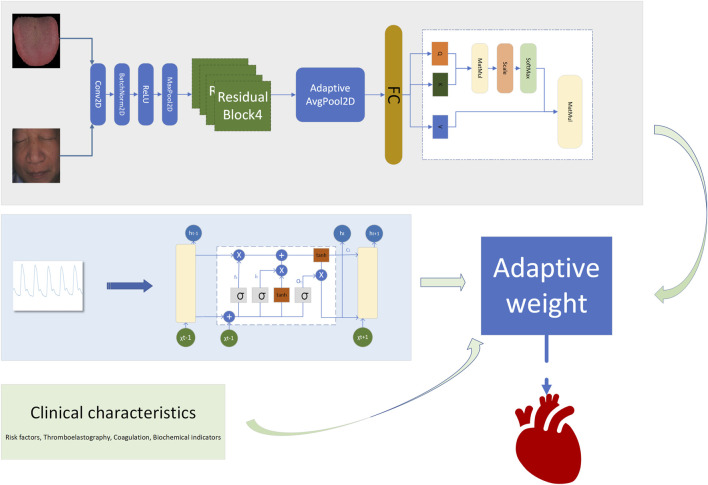
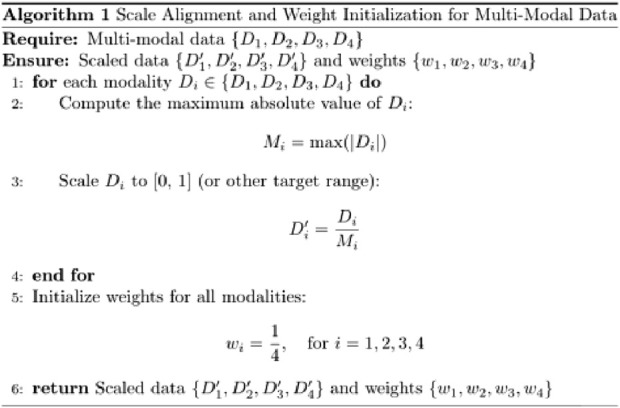
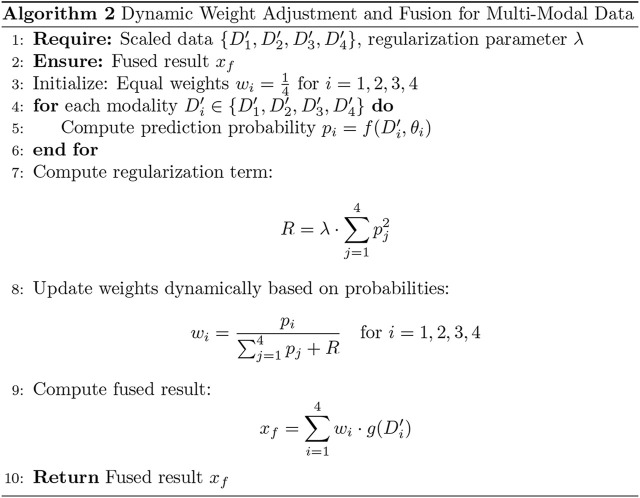
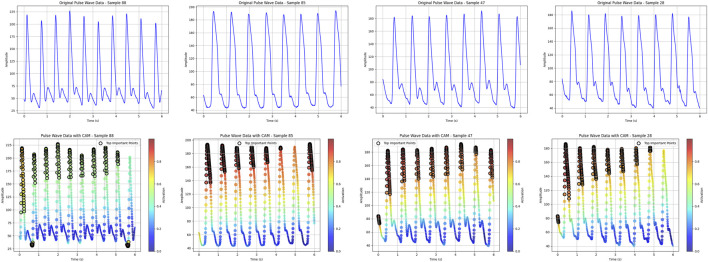
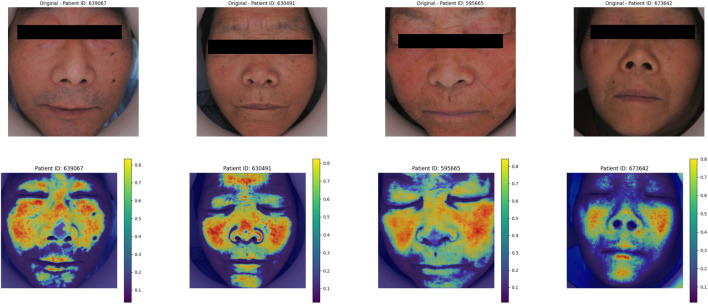
The study utilized a transformer-based architecture integrated with residual modules and adaptive weighting mechanisms. Multimodal data, including facial features, lip and tongue images, pulse and pressure wave amplitudes, and laboratory indicators, were collected from 488 CAD patients. These data were processed and analyzed to predict the severity of coronary artery stenosis. The model's performance was evaluated using both internal and external validation datasets.
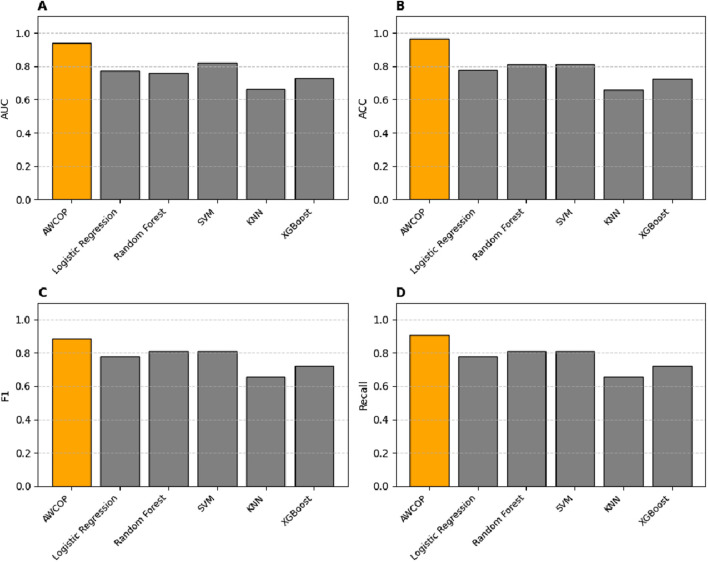
The proposed model demonstrated high predictive accuracy, achieving over 90% accuracy in assessing coronary artery stenosis risk on the training dataset. External validation on real-world data further confirmed the model's robustness, with an accuracy of 85% on the validation set. The integration of multimodal data and advanced architectural components significantly enhanced the model's performance.
This study developed a non-invasive, transformer-based multimodal prediction model for assessing coronary artery stenosis severity. By combining diverse data sources and advanced machine learning techniques, the model offers a clinically viable alternative to invasive diagnostic methods. The results highlight the potential of multimodal data integration in improving CAD diagnosis and patient care.
冠状动脉疾病(CAD)的诊断目前依赖于侵入性冠状动脉造影来评估狭窄程度,这存在固有的手术风险。本研究开发了一种基于Transformer的多模态预测模型,以提供一种临床可靠的非侵入性替代方法。通过整合包括面部形态测量、心血管波形和生化指标在内的异质生物标志物,我们旨在建立一个可解释的框架用于精准风险分层。
该研究采用了一种基于Transformer的架构,集成了残差模块和自适应加权机制。从488名CAD患者中收集了多模态数据,包括面部特征、嘴唇和舌头图像、脉搏和压力波幅度以及实验室指标。对这些数据进行处理和分析,以预测冠状动脉狭窄的严重程度。使用内部和外部验证数据集对模型的性能进行评估。
所提出的模型表现出高预测准确性,在训练数据集上评估冠状动脉狭窄风险时准确率超过90%。对真实世界数据的外部验证进一步证实了模型的稳健性,在验证集上的准确率为85%。多模态数据和先进架构组件的整合显著提高了模型的性能。
本研究开发了一种用于评估冠状动脉狭窄严重程度的基于Transformer的非侵入性多模态预测模型。通过结合多种数据源和先进的机器学习技术,该模型为侵入性诊断方法提供了一种临床可行的替代方案。结果突出了多模态数据整合在改善CAD诊断和患者护理方面的潜力。