von Rückmann A, Fitzke F W, Bird A C
Institute of Ophthalmology, Moorfields Eye Hospital, London.
Br J Ophthalmol. 1995 May;79(5):407-12. doi: 10.1136/bjo.79.5.407.
Variation of fluorescence derived from lipofuscin in the retinal pigment epithelium has been recorded with age and in retinal diseases. Studies have been based largely on in vitro observations on eye bank eyes which has placed severe limitations on the data available.
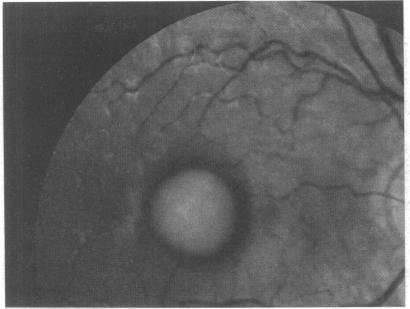
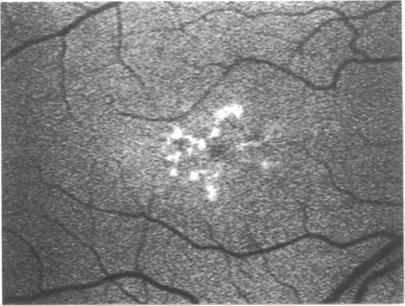
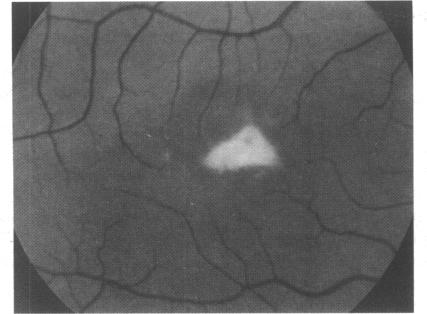
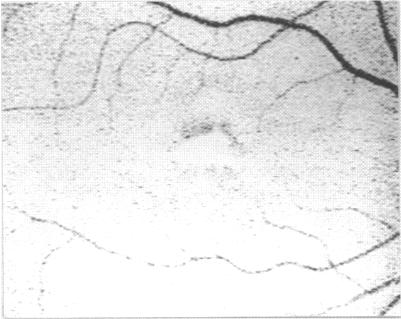
A technique is described whereby in vivo imaging of autofluorescence of the fundus was achieved using a scanning laser ophthalmoscope.
The optical characteristics, distribution, and variation with disease imply that the fluorescence is derived from lipofuscin in the pigment epithelium. Autofluorescence is shown to be abnormally high in certain inherited diseases, and low in the presence of retinal atrophy.
This technique may be useful both in clinical practice and research. It may allow the detection of the abnormal phenotype in genetically determined disease at a time when other techniques may not. Longitudinal studies of age related macular disease would permit correlation between changes in the pigment epithelium and Bruch's membrane to be established.
视网膜色素上皮中脂褐素产生的荧光变化已随年龄增长及在视网膜疾病中被记录下来。此前的研究很大程度上基于对眼库眼球的体外观察,这对可得数据造成了严重限制。
本文描述了一种技术,通过该技术利用扫描激光检眼镜实现了眼底自发荧光的体内成像。
其光学特性、分布以及随疾病的变化表明,这种荧光源自色素上皮中的脂褐素。自发荧光在某些遗传性疾病中显示异常高,而在存在视网膜萎缩时则较低。
该技术在临床实践和研究中可能都有用。它可能在其他技术无法做到的时候检测出基因决定疾病中的异常表型。对年龄相关性黄斑疾病的纵向研究将有助于建立色素上皮和布鲁赫膜变化之间的关联。