Olea N, Pulgar R, Pérez P, Olea-Serrano F, Rivas A, Novillo-Fertrell A, Pedraza V, Soto A M, Sonnenschein C
Department of Radiology, Dentistry, and Department of Nutrition, School of Pharmacy, University of Granada, Spain.
Environ Health Perspect. 1996 Mar;104(3):298-305. doi: 10.1289/ehp.96104298.
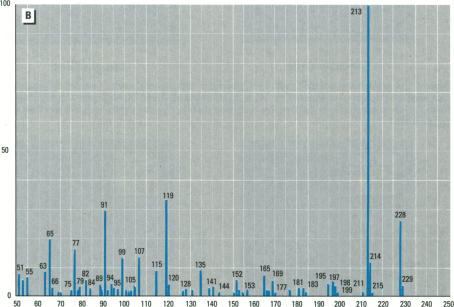
We tested some resin-based composites used in dentistry for their estrogenic activity. A sealant based on bisphenol-A diglycidylether methacrylate (bis-GMA) increased cell yields, progesterone receptor expression, and pS2 secretion in human estrogen-target, serum-sensitive MCF7 breast cancer cells. Estrogenicity was due to bisphenol-A and bisphenol-A dimethacrylate, monomers found in the base paste of the dental sealant and identified by mass spectrometry. Samples of saliva from 18 subjects treated with 50 mg of a bis-GMA-based sealant applied on their molars were collected 1 hr before and after treatment. Bisphenol-A (range 90-931 micrograms) was identified only in saliva collected during a 1-hr period after treatment. The use of bis-GMA-based resins in dentistry, and particularly the use of sealants in children, appears to contribute to human exposure to xenoestrogens.
我们测试了一些牙科用的树脂基复合材料的雌激素活性。一种基于双酚A二甲基丙烯酸缩水甘油醚(双酚A-二甲基丙烯酸缩水甘油醚)的封闭剂可提高人雌激素靶标、血清敏感的MCF7乳腺癌细胞的细胞产量、孕激素受体表达和pS2分泌。雌激素活性归因于双酚A和双酚A二甲基丙烯酸酯,这两种单体存在于牙科封闭剂的基膏中,并通过质谱法鉴定。收集了18名受试者的唾液样本,在他们的磨牙上涂抹50毫克基于双酚A-二甲基丙烯酸缩水甘油醚的封闭剂治疗前1小时和治疗后1小时。仅在治疗后1小时内收集的唾液中检测到双酚A(范围为90-931微克)。牙科中使用基于双酚A-二甲基丙烯酸缩水甘油醚的树脂,尤其是在儿童中使用封闭剂,似乎会导致人体接触外源性雌激素。