Gottesfeld J M, Butler P J
Nucleic Acids Res. 1977 Sep;4(9):3155-73. doi: 10.1093/nar/4.9.3155.
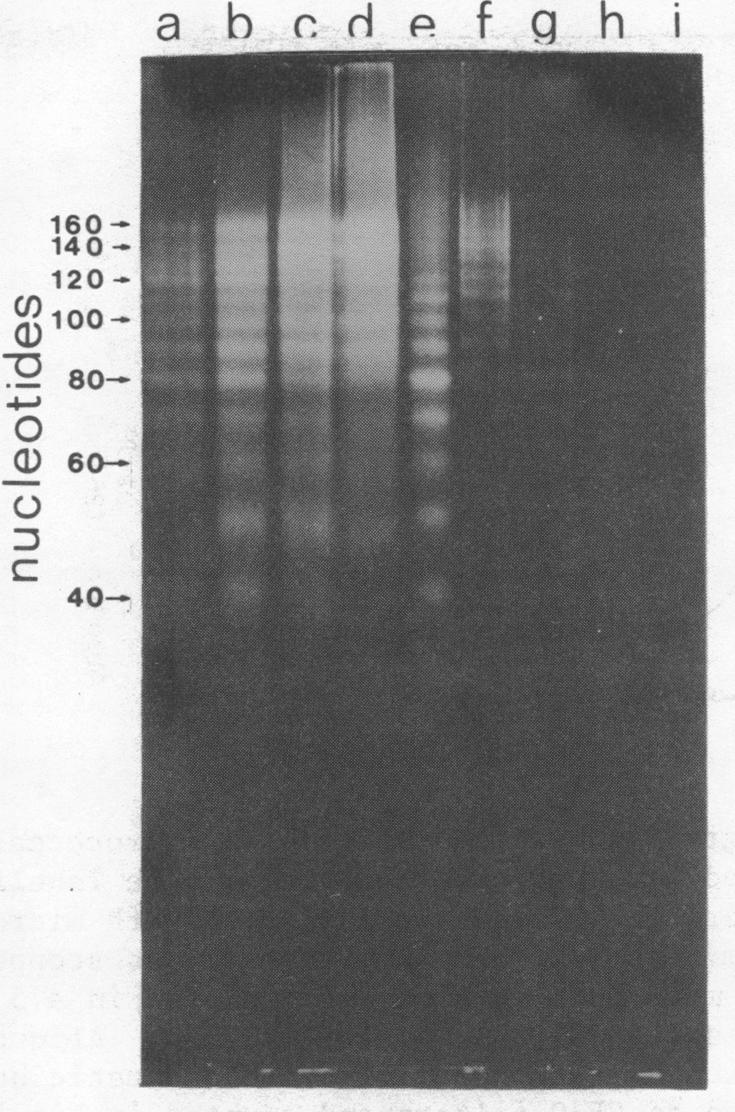
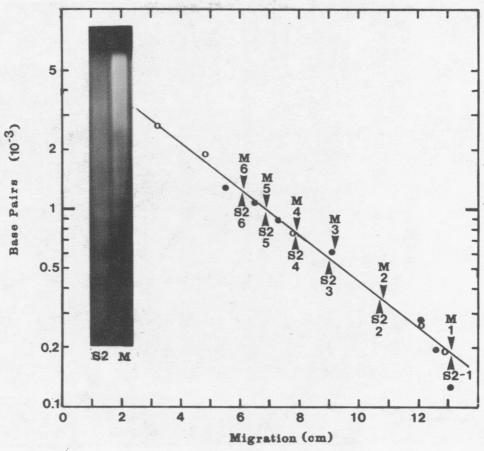
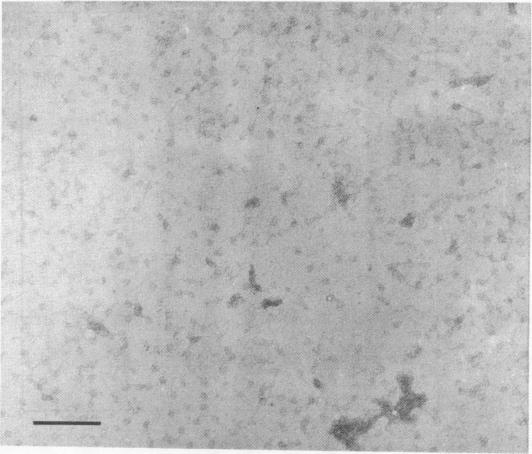
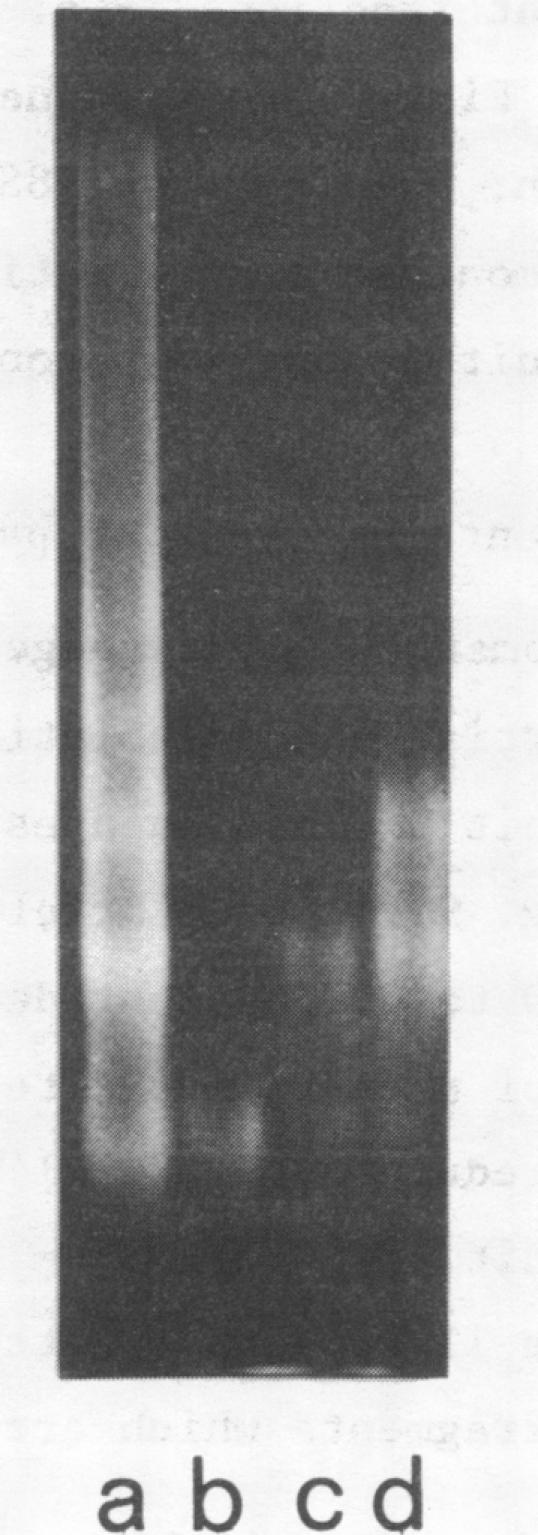
Rat liver chromatin is organized into regions of DNA which differ in degree of susceptibility to attack by the endonucleases DNase I and DNase II. The most nuclease-sensitive portion of chromatin DNA is enriched in transcribed sequences. This fraction may be separated from the bulk of chromatin by virtue of its solubility in solutions containing 2 mM MgCl2. Both transcribed and nontranscribed regions of chromatin are organized into repeating units of DNA and histone, which appear as 100 A beads in the electron microscope. The length of DNA in the repeat unit is the same for these two classes of chromatin (198 +/- 6 base pairs in rat liver); however, the subunits of active, Mg++-soluble chromatin differ from the nucleosomes of inactive regions of chromatin in several respects. Active subunits are enriched in nascent RNA and nonhistone protein and exhibit higher sedimentation values than the corresponding subunits of inactive chromatin.
大鼠肝脏染色质被组织成不同区域的DNA,这些区域对核酸酶DNase I和DNase II攻击的敏感程度不同。染色质DNA中对核酸酶最敏感的部分富含转录序列。这一部分可以因其在含有2 mM MgCl2的溶液中的溶解性而与大部分染色质分离。染色质的转录区和非转录区都被组织成DNA和组蛋白的重复单元,在电子显微镜下呈现为100埃的珠子。这两类染色质重复单元中的DNA长度相同(大鼠肝脏中为198±6个碱基对);然而,活性的、Mg++可溶的染色质亚基在几个方面与染色质非活性区域的核小体不同。活性亚基富含新生RNA和非组蛋白,并且比非活性染色质的相应亚基表现出更高的沉降值。