Microbial Ecophysiology and Nutrition, Instituto de Agroquímica y Tecnología de Alimentos (CSIC), Apartado 73, 46100 Burjassot, Valencia, Spain.
J Inflamm (Lond). 2008 Nov 3;5:19. doi: 10.1186/1476-9255-5-19.
Coeliac disease (CD) is an enteropathy characterized by an aberrant immune response to cereal-gluten proteins. Although gluten peptides and microorganisms activate similar pro-inflammatory pathways, the role the intestinal microbiota may play in this disorder is unknown. The purpose of this study was to assess whether the faecal microbiota of coeliac patients could contribute to the pro-inflammatory milieu characteristic of CD and the possible benefits of bifidobacteria.
The effect of faeces of 26 CD patients with active disease (mean age 5.5 years, range 2.1-12.0 years), 18 symptom-free coeliac disease (SFCD) patients (mean age 5.5 years, range 1.0-12.3 years) on a gluten-free diet for 1-2 years; and 20 healthy children (mean age 5.3 years, range 1.8-10.8 years) on induction of cytokine production and surface antigen expression in peripheral blood mononuclear cells (PBMCs) were determined. The possible regulatory roles of Bifidobacterium longum ES1 and B. bifidum ES2 co-incubated with faecal samples were also assessed in vitro.
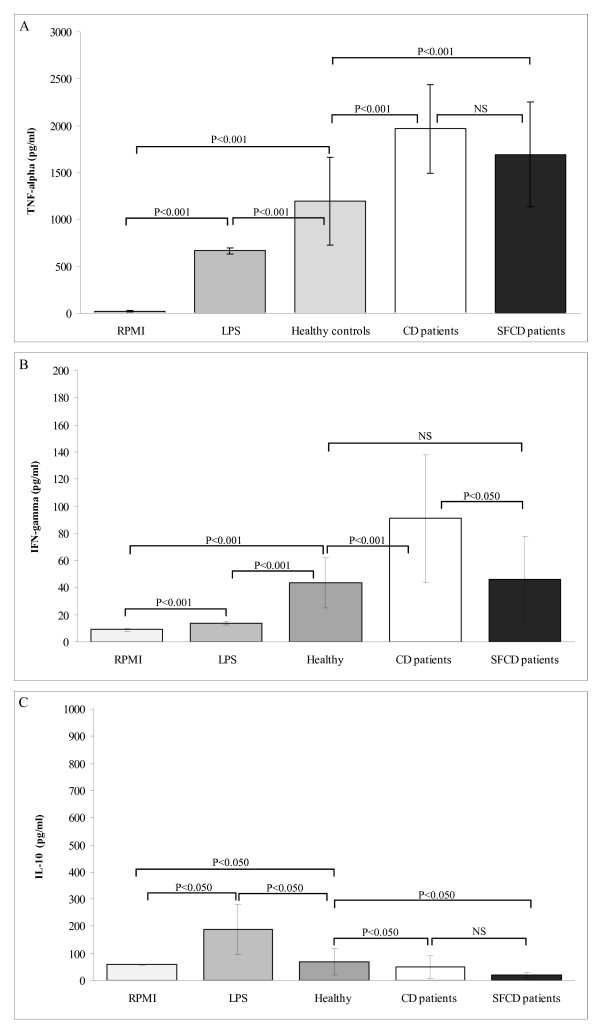
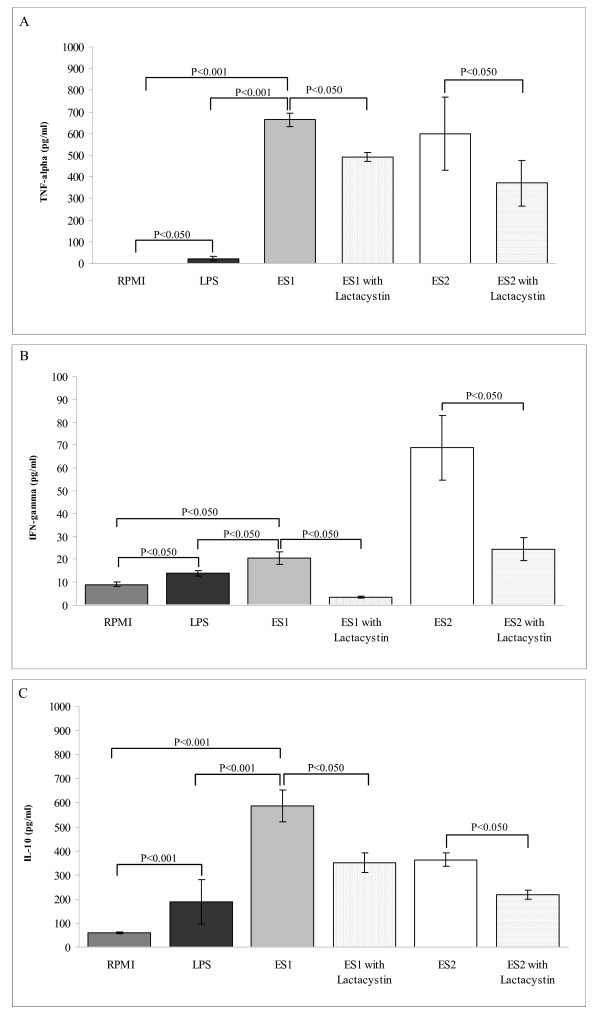
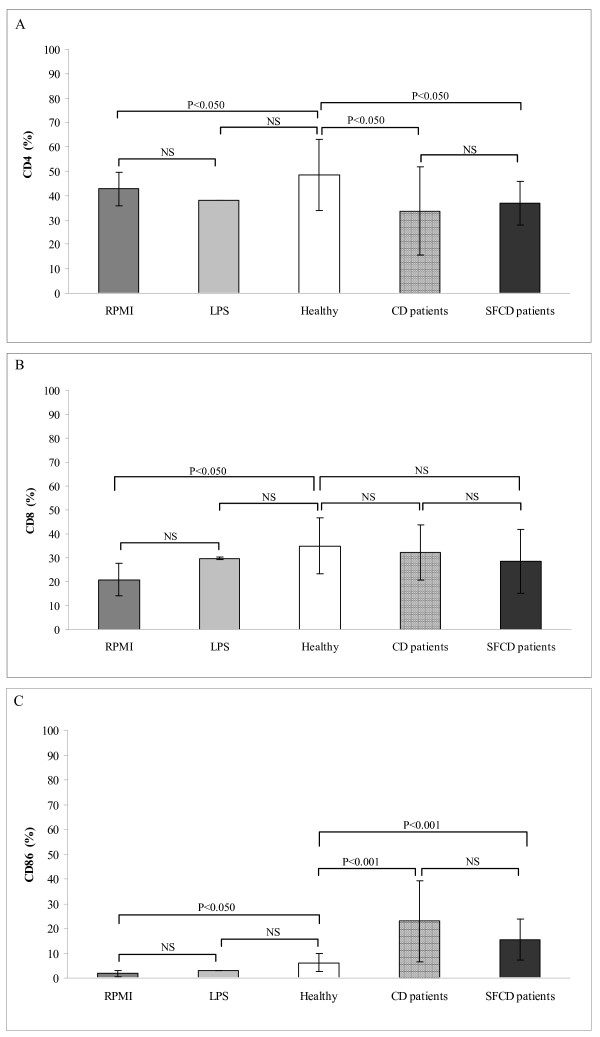
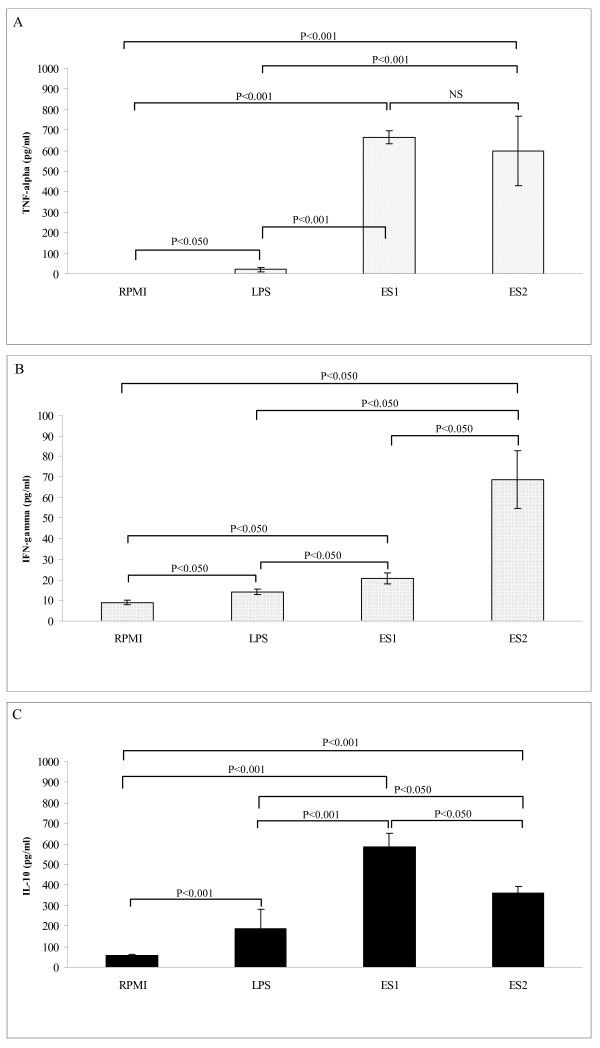
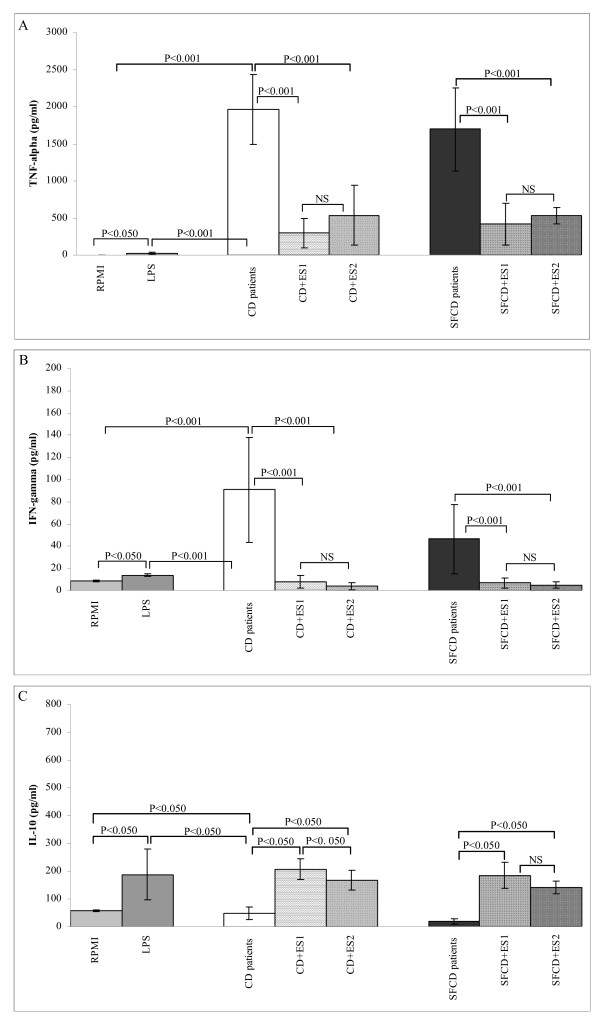
Faeces of both active CD and SFCD patients, representing an imbalanced microbiota, significantly increased TNF-alpha production and CD86 expression in PBMCs, while decreased IL-10 cytokine production and CD4 expression compared with control samples. Active CD-patient samples also induced significantly higher IFN-gamma production compared with controls. However, Bifidobacterium strains suppressed the pro-inflammatory cytokine pattern induced by the large intestinal content of CD patients and increased IL-10 production. Cytokine effects induced by faecal microbiota seemed to be mediated by the NFkappaB pathway.
The intestinal microbiota of CD patients could contribute to the Th1 pro-inflammatory milieu characteristic of the disease, while B. longum ES1 and B. bifidum ES2 could reverse these deleterious effects. These findings hold future perspectives of interest in CD therapy.
乳糜泻(CD)是一种肠病,其特征为对谷物-麸质蛋白的异常免疫反应。虽然谷蛋白肽和微生物激活相似的促炎途径,但肠道微生物群在这种疾病中的作用尚不清楚。本研究的目的是评估乳糜泻患者的粪便微生物群是否有助于 CD 的特征性促炎环境,以及双歧杆菌的可能益处。
我们测定了 26 例活动期 CD 患者(平均年龄 5.5 岁,范围 2.1-12.0 岁)、18 例无症状乳糜泻(SFCD)患者(平均年龄 5.5 岁,范围 1.0-12.3 岁)粪便的作用,这些患者在无麸质饮食下已接受 1-2 年治疗;并测定了 20 例健康儿童(平均年龄 5.3 岁,范围 1.8-10.8 岁)外周血单个核细胞(PBMCs)中细胞因子产生和表面抗原表达的诱导作用。我们还评估了长双歧杆菌 ES1 和两歧双歧杆菌 ES2 与粪便样本共同孵育的可能调节作用。
活动期 CD 和 SFCD 患者的粪便均代表失衡的微生物群,与对照样本相比,显著增加 PBMCs 中 TNF-α的产生和 CD86 的表达,同时减少 IL-10 细胞因子的产生和 CD4 的表达。与对照相比,活动期 CD 患者样本还诱导了显著更高的 IFN-γ产生。然而,双歧杆菌株抑制了 CD 患者的大肠内容物诱导的促炎细胞因子模式,并增加了 IL-10 的产生。粪便微生物群诱导的细胞因子作用似乎是通过 NFkappaB 途径介导的。
CD 患者的肠道微生物群可能有助于疾病的 Th1 促炎环境,而长双歧杆菌 ES1 和两歧双歧杆菌 ES2 可以逆转这些有害作用。这些发现为 CD 治疗提供了未来的研究方向。