Zhu Wei Xing, Lu Li, Hesketh Therese
College of Law, Political Science and Public Administration, Zhejiang Normal University, Jinhua, Zhejiang 310347, China.
BMJ. 2009 Apr 9;338:b1211. doi: 10.1136/bmj.b1211.
To elucidate current trends and geographical patterns in the sex ratio at birth and in the population aged under 20 in China and to determine the roles played by sex selective abortion and the one child policy.
Analysis of household based cross sectional population survey done in November 2005.
All of China's 2861 counties. Population 1% of the total population, selected to be broadly representative of the total.
Sex ratio defined as males per 100 females.
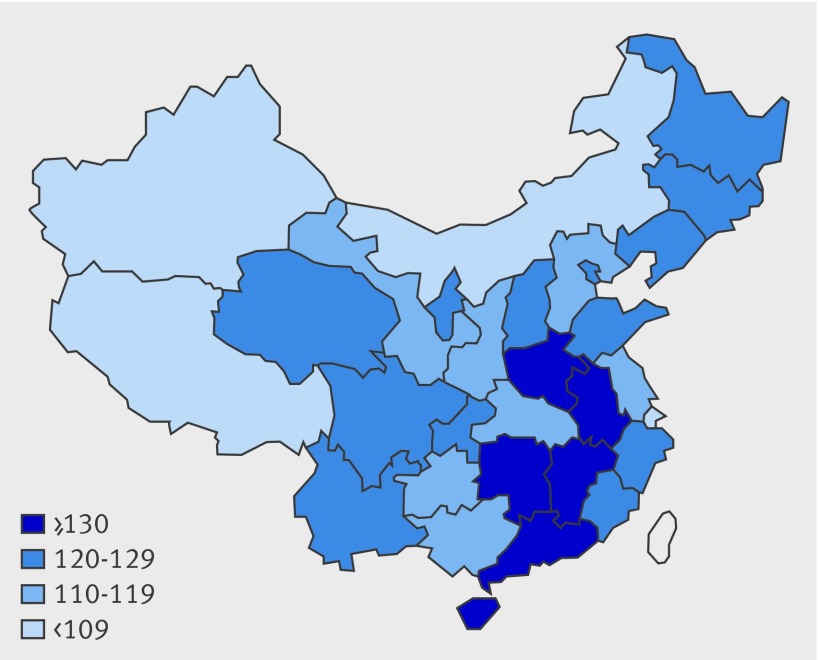
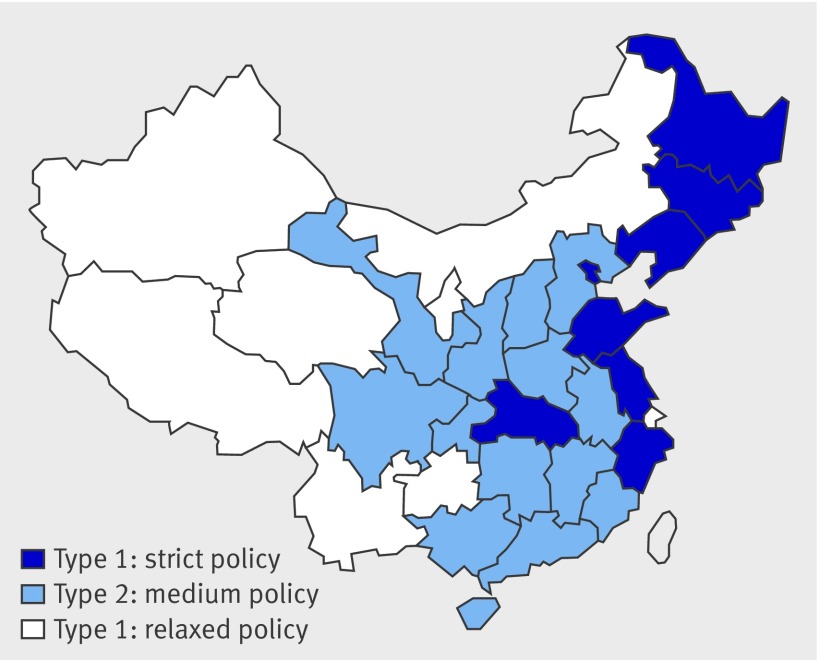
4 764 512 people under the age of 20 were included. Overall sex ratios were high across all age groups and residency types, but they were highest in the 1-4 years age group, peaking at 126 (95% confidence interval 125 to 126) in rural areas. Six provinces had sex ratios of over 130 in the 1-4 age group. The sex ratio at birth was close to normal for first order births but rose steeply for second order births, especially in rural areas, where it reached 146 (143 to 149). Nine provinces had ratios of over 160 for second order births. The highest sex ratios were seen in provinces that allow rural inhabitants a second child if the first is a girl. Sex selective abortion accounts for almost all the excess males. One particular variant of the one child policy, which allows a second child if the first is a girl, leads to the highest sex ratios.
In 2005 males under the age of 20 exceeded females by more than 32 million in China, and more than 1.1 million excess births of boys occurred. China will see very high and steadily worsening sex ratios in the reproductive age group over the next two decades. Enforcing the existing ban on sex selective abortion could lead to normalisation of the ratios.
阐明中国出生性别比及20岁以下人口的当前趋势和地理模式,并确定性别选择性堕胎和独生子女政策所起的作用。
对2005年11月进行的基于家庭的横断面人口调查进行分析。
中国所有2861个县。人口为总人口的1%,选取该样本以广泛代表总体。
性别比定义为每100名女性对应的男性人数。
纳入了4764512名20岁以下的人。所有年龄组和居住类型的总体性别比都很高,但在1 - 4岁年龄组中最高,农村地区峰值为126(95%置信区间125至126)。六个省份1 - 4岁年龄组的性别比超过130。头胎出生性别比接近正常,但二胎出生性别比急剧上升,尤其是在农村地区,达到146(143至149)。九个省份二胎出生性别比超过160。性别比最高的是允许农村居民头胎为女孩时生育二胎的省份。性别选择性堕胎几乎导致了所有额外的男性出生。独生子女政策的一个特定变体,即头胎为女孩时允许生育二胎,导致了最高的性别比。
2005年,中国20岁以下男性比女性多出3200多万,并且有超过110万的男孩额外出生。在未来二十年里,中国育龄组的性别比将非常高且持续恶化。执行现有的禁止性别选择性堕胎的规定可能会使性别比正常化。