Department of Occupational Health, Graduate School of Medical Sciences, Kitasato University, Tokyo, Japan.
Environ Health Prev Med. 2010 Nov;15(6):344-9. doi: 10.1007/s12199-010-0149-y. Epub 2010 May 12.
The maintenance of infectivity of influenza viruses on the surfaces of personal protective equipment and clothing is an important factor in terms of controlling viral cross-infection in the environment and preventing contact infection. The aim of this study was to determine if laboratory-grown influenza A (H1N1) virus maintained infectivity on the surfaces of personal protective equipment and clothing used in healthcare settings.
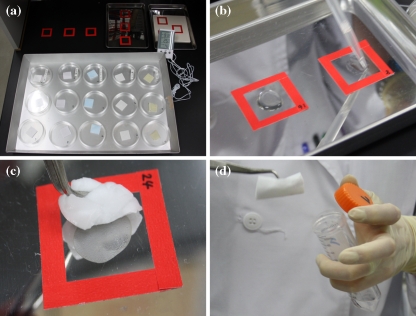
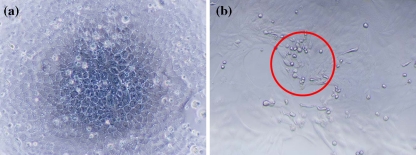
Influenza A virus (0.5 mL) was deposited on the surface of a rubber glove, an N95 particulate respirator, a surgical mask made of non-woven fabric, a gown made of Dupont Tyvek, a coated wooden desk, and stainless steel. Each sample was left for 1, 8, and 24 h, and hemagglutination (HA) and 50% tissue culture infective dose (TCID(50))/mL were measured.
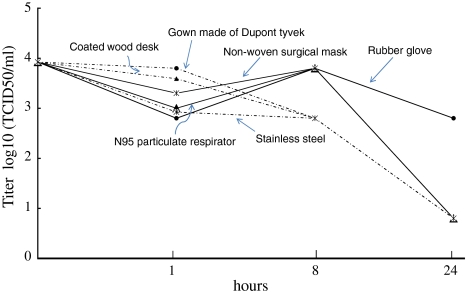
The HA titer of this influenza A virus did not decrease in any of the materials tested even after 24 h. The infectivity of influenza A virus measured by TCID(50) was maintained for 8 h on the surface of all materials, with the exception of the rubber glove for which virus infectivity was maintained for 24 h.
Our results indicate that the replacement/renewal of personal protective equipment and clothing by healthcare professionals in cases of exposure to secretions and droplets containing viruses spread by patients is an appropriate procedure to prevent cross-infection.
流感病毒在个人防护设备和衣物表面的感染力的维持是控制环境中病毒交叉感染和预防接触感染的一个重要因素。本研究旨在确定在医疗机构中使用的个人防护设备和衣物表面上,实验室培养的甲型流感(H1N1)病毒是否能保持感染力。
将 0.5 毫升流感 A 病毒(H1N1)接种到橡胶手套、N95 颗粒物防护口罩、非织造布制成的手术口罩、杜邦特卫强制成的手术衣、涂漆木桌和不锈钢表面。每种样本放置 1、8 和 24 小时后,测量血凝(HA)效价和 50%组织培养感染剂量(TCID50)/毫升。
即使在 24 小时后,所有测试材料中的这种甲型流感病毒的 HA 滴度都没有下降。通过 TCID50 测量的流感 A 病毒的感染力在所有材料的表面上都能维持 8 小时,除了橡胶手套,病毒感染力在橡胶手套上能维持 24 小时。
我们的结果表明,医护人员在接触到由患者传播的含有分泌物和飞沫的病毒时,更换个人防护设备和衣物是预防交叉感染的一种适当措施。