Division of Gastroenterology, Department of Internal Medicine, University of Michigan, School of Medicine, 109 Zina Pitcher Place, BSRB 1722, Ann Arbor, MI, 48109, USA.
Cancers (Basel). 2010 Jun 11;2(2):1251-87. doi: 10.3390/cancers2021251.
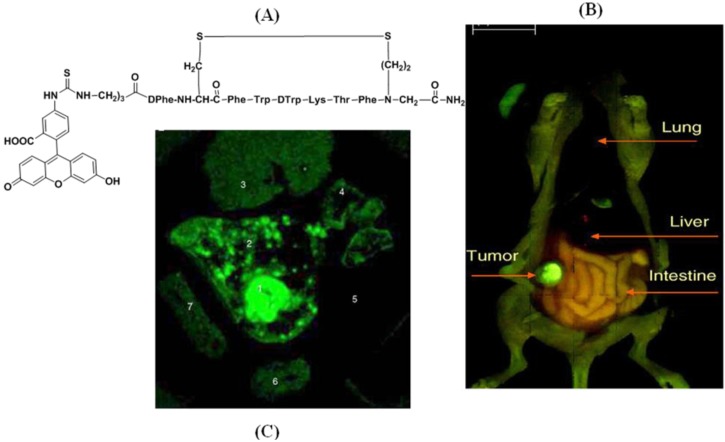
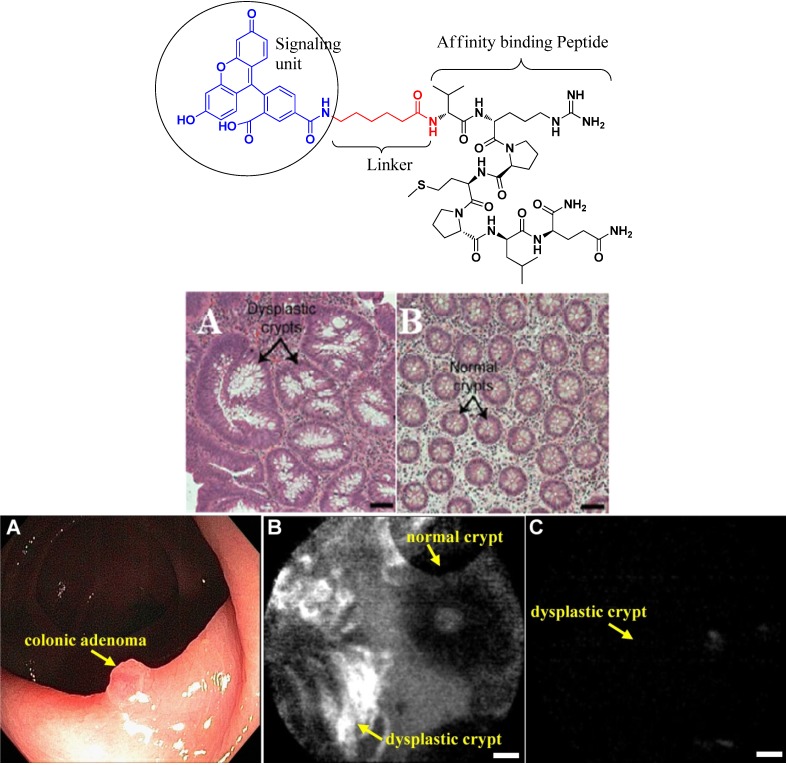
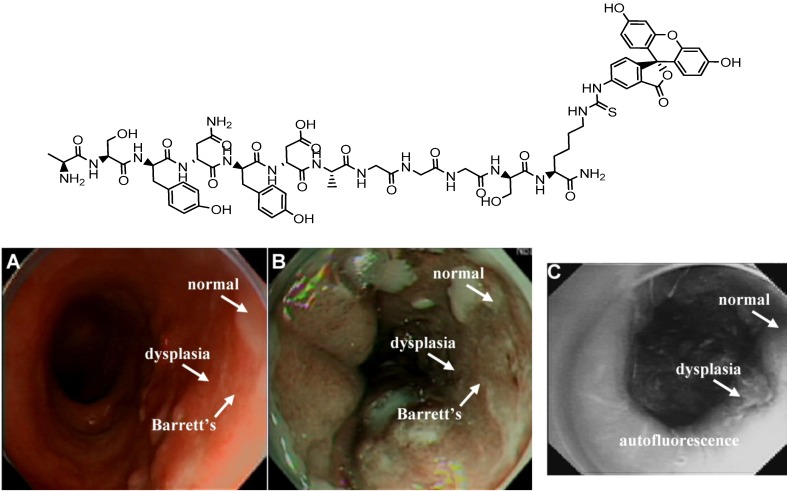
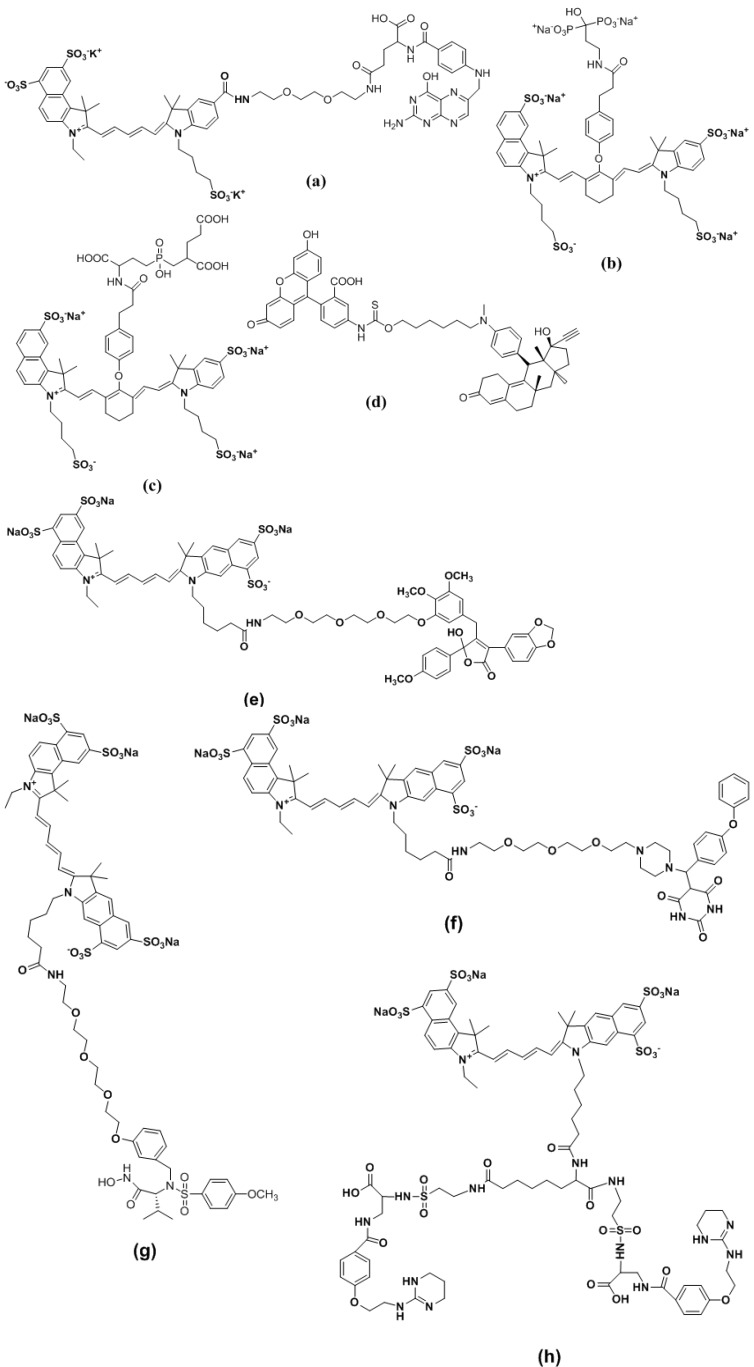
Cancer is one of the major causes of mortality and morbidity in our health care system. Molecular imaging is an emerging methodology for the early detection of cancer, and the development of exogenous molecular probes that can be labeled for multi-modality imaging is critical to this process. Today, molecular imaging is at crossroad, and new targeted imaging agents are expected to broadly expand our ability to detect pre-malignant lesions. This integrated imaging strategy will permit clinicians to not only localize lesions within the body, but also to visualize the expression and activity of specific molecules. This information is expected to have a major impact on diagnosis, therapy, drug development and understanding of basic cancer biology. At this time, a number of molecular probes have been developed by conjugating various labels to affinity ligands for targeting in different imaging modalities. This review will describe the current status of exogenous molecular probes for optical, nuclear and MRI imaging platforms. Furthermore, we will also shed light on how these techniques can be used synergistically in multi-modal platforms and how these techniques are being employed in current research.
癌症是我们医疗体系中导致死亡和发病的主要原因之一。分子成像技术是癌症早期检测的新兴方法,开发可用于多模态成像的外源性分子探针对于这一过程至关重要。如今,分子成像技术正处于十字路口,新的靶向成像剂有望极大地扩展我们检测癌前病变的能力。这种综合成像策略将使临床医生不仅能够定位体内的病变,还能够可视化特定分子的表达和活性。这些信息有望对诊断、治疗、药物开发和癌症生物学基础的理解产生重大影响。目前,已经通过将各种标记物与亲和配体偶联,开发了许多用于不同成像模式的靶向的分子探针。本综述将描述用于光学、核医学和 MRI 成像平台的外源性分子探针的现状。此外,我们还将探讨这些技术如何在多模态平台中协同使用,以及这些技术如何在当前的研究中应用。