School of Engineering and Department of Orthopedics, Brown University, Providence, RI, USA.
Int J Nanomedicine. 2013;8:1773-81. doi: 10.2147/IJN.S39031. Epub 2013 May 6.
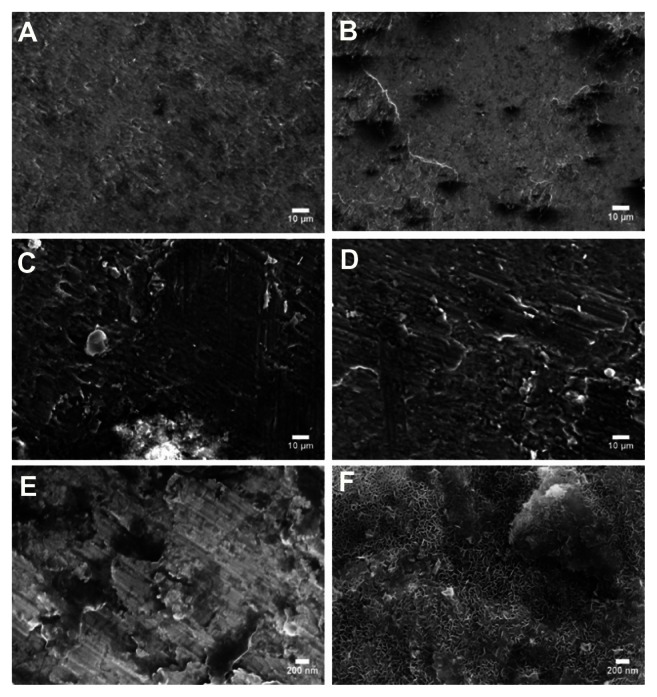
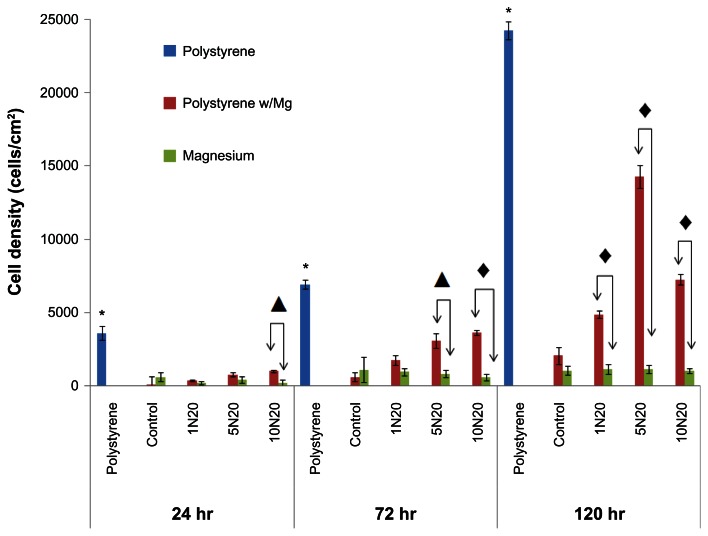
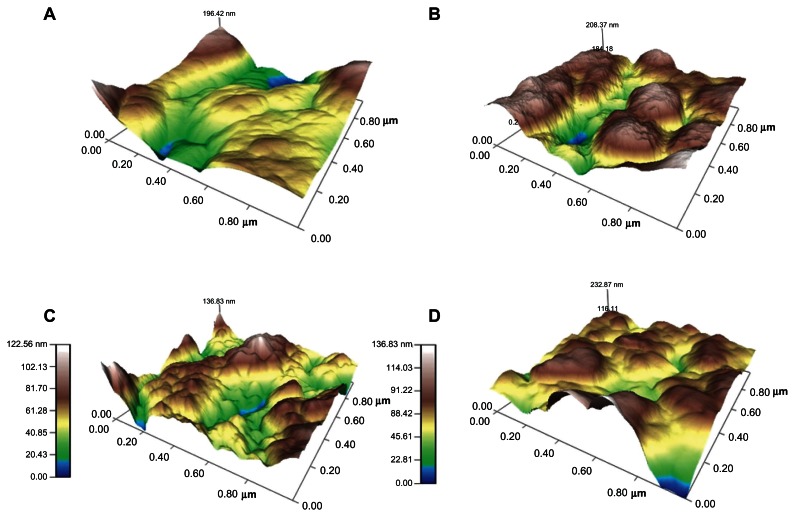
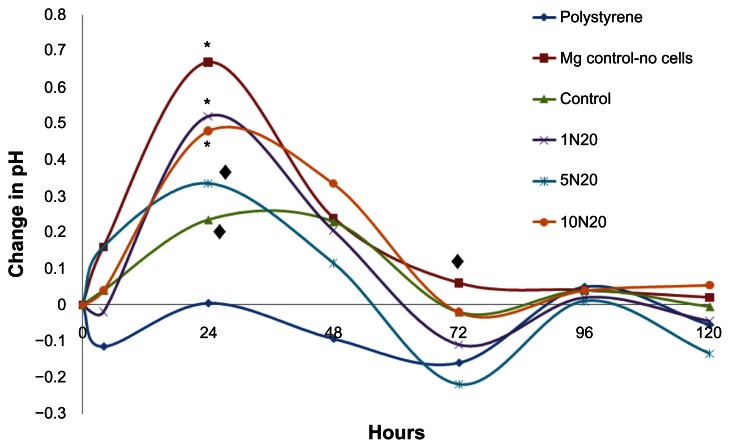
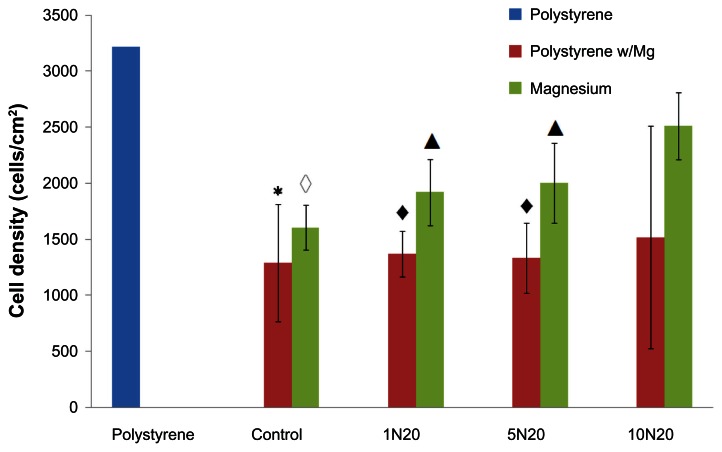
Efforts have been made recently to implement nanoscale surface features on magnesium, a biodegradable metal, to increase bone formation. Compared with normal magnesium, nanostructured magnesium has unique characteristics, including increased grain boundary properties, surface to volume ratio, surface roughness, and surface energy, which may influence the initial adsorption of proteins known to promote the function of osteoblasts (bone-forming cells). Previous studies have shown that one way to increase nanosurface roughness on magnesium is to soak the metal in NaOH. However, it has not been determined if degradation of magnesium is altered by creating nanoscale features on its surface to influence osteoblast density. The aim of the present in vitro study was to determine the influence of degradation of nanostructured magnesium, created by soaking in NaOH, on osteoblast density. Our results showed a less detrimental effect of magnesium degradation on osteoblast density when magnesium was treated with NaOH to create nanoscale surface features. The detrimental degradation products of magnesium are of significant concern when considering use of magnesium as an orthopedic implant material, and this study identified a surface treatment, ie, soaking in NaOH to create nanoscale features for magnesium that can improve its use in numerous orthopedic applications.
最近,人们致力于在可生物降解的金属镁上实现纳米级表面特征,以增加骨形成。与普通镁相比,纳米结构镁具有独特的特性,包括增加晶界特性、表面积与体积比、表面粗糙度和表面能,这些特性可能会影响已知促进成骨细胞(骨形成细胞)功能的蛋白质的初始吸附。先前的研究表明,增加镁纳米表面粗糙度的一种方法是将金属浸泡在 NaOH 中。然而,目前尚不确定在镁表面创建纳米级特征以影响成骨细胞密度是否会改变镁的降解。本体外研究的目的是确定通过在 NaOH 中浸泡来创建纳米结构镁对成骨细胞密度的降解的影响。我们的结果表明,当镁用 NaOH 处理以形成纳米级表面特征时,镁降解对成骨细胞密度的不利影响较小。当考虑将镁用作骨科植入材料时,镁的有害降解产物是一个重大问题,本研究确定了一种表面处理方法,即用 NaOH 浸泡以形成纳米级特征,从而改善其在众多骨科应用中的使用。