Departamento de Química, Universidad de Las Palmas de Gran Canaria, 35017 Las Palmas de Gran Canaria, Spain.
Biomed Res Int. 2013;2013:674838. doi: 10.1155/2013/674838. Epub 2013 May 8.
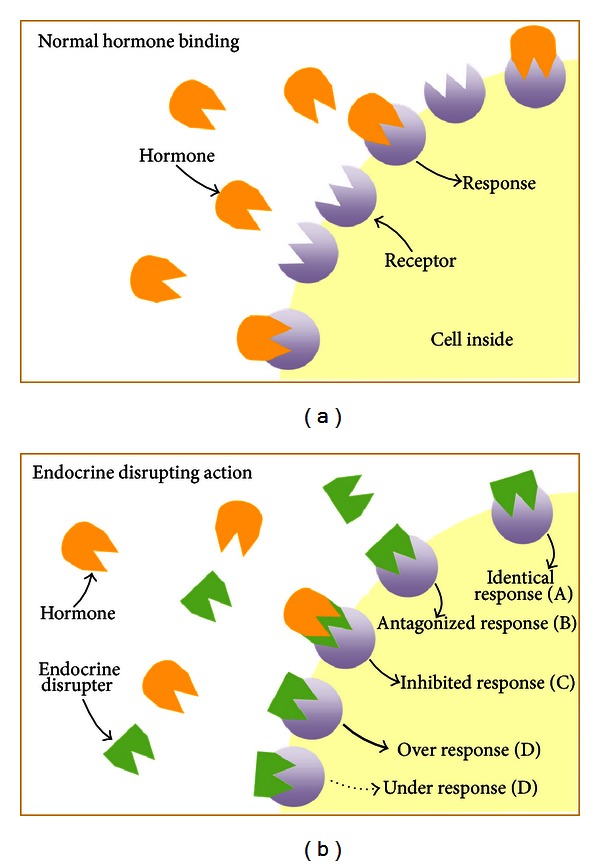
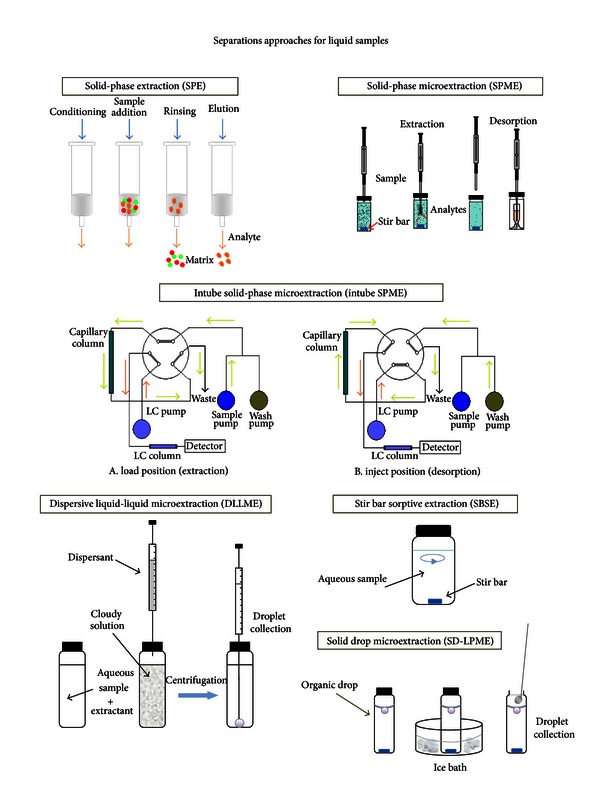
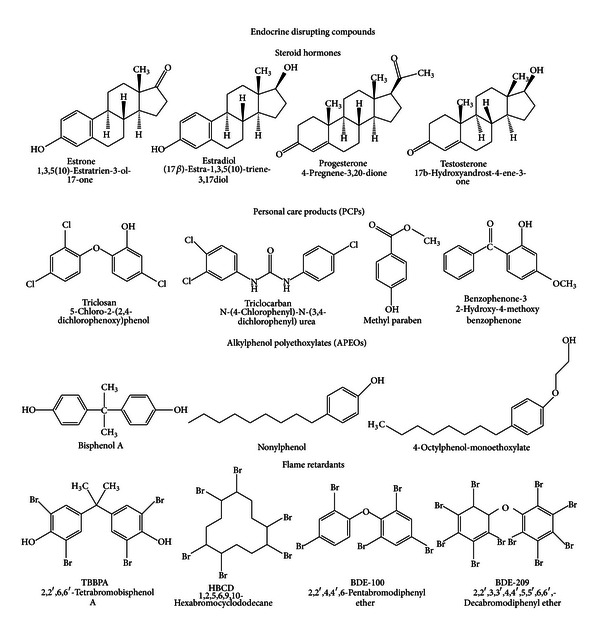
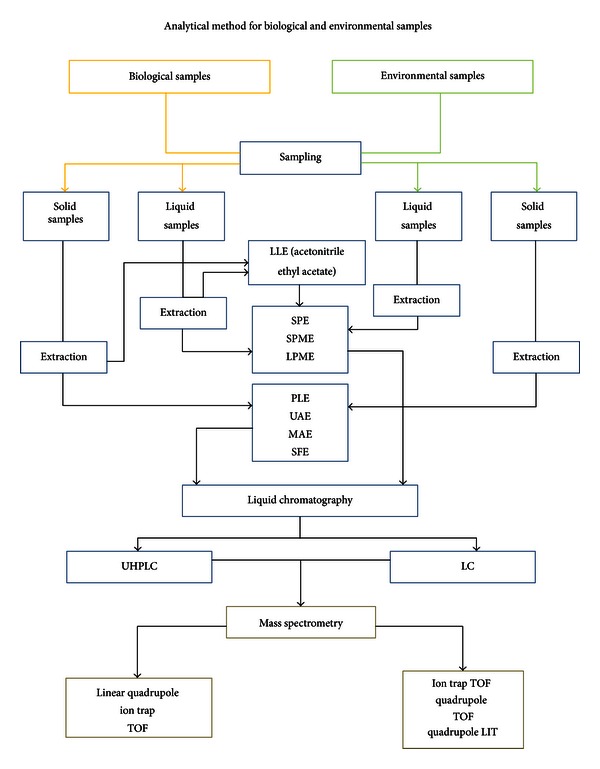
Endocrine-disruptor compounds (EDCs) can mimic natural hormones and produce adverse effects in the endocrine functions by interacting with estrogen receptors. EDCs include both natural and synthetic chemicals, such as hormones, personal care products, surfactants, and flame retardants, among others. EDCs are characterised by their ubiquitous presence at trace-level concentrations and their wide diversity. Since the discovery of the adverse effects of these pollutants on wildlife and human health, analytical methods have been developed for their qualitative and quantitative determination. In particular, mass-based analytical methods show excellent sensitivity and precision for their quantification. This paper reviews recently published analytical methodologies for the sample preparation and for the determination of these compounds in different environmental and biological matrices by liquid chromatography coupled with mass spectrometry. The various sample preparation techniques are compared and discussed. In addition, recent developments and advances in this field are presented.
内分泌干扰化合物(EDCs)可以通过与雌激素受体相互作用模拟天然激素并对内分泌功能产生不良影响。EDCs 包括天然和合成化学物质,如激素、个人护理产品、表面活性剂和阻燃剂等。EDCs 的特点是痕量浓度下普遍存在且种类繁多。自发现这些污染物对野生动物和人类健康的不良影响以来,已经开发出用于定性和定量测定它们的分析方法。特别是基于质量的分析方法对其定量显示出优异的灵敏度和精度。本文综述了最近发表的关于通过液相色谱-质谱联用技术对不同环境和生物基质中这些化合物进行样品制备和测定的分析方法。比较和讨论了各种样品制备技术。此外,还介绍了该领域的最新发展和进展。