Department of Medicine II, University Medical Center, Johannes Gutenberg University Mainz, Langenbeckstrasse 1, 55131 Mainz, Germany.
Eur Heart J. 2013 Dec;34(45):3508-14a. doi: 10.1093/eurheartj/eht269. Epub 2013 Jul 2.
Aircraft noise disturbs sleep, and long-term exposure has been shown to be associated with increases in the prevalence of hypertension and an overall increased risk for myocardial infarction. The exact mechanisms responsible for these cardiovascular effects remain unclear.
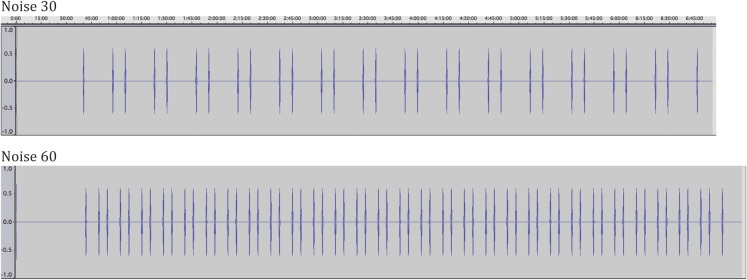
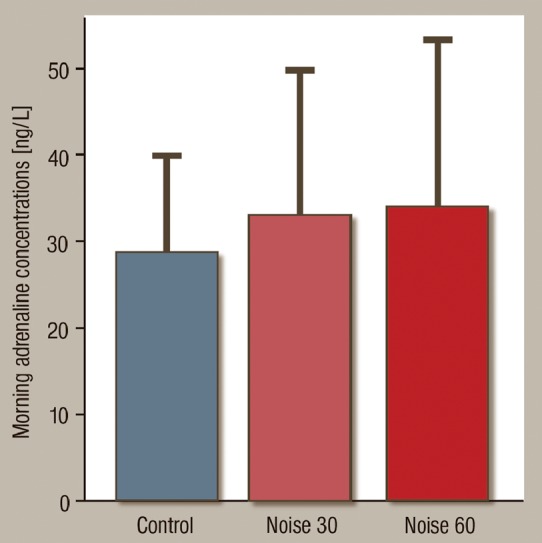
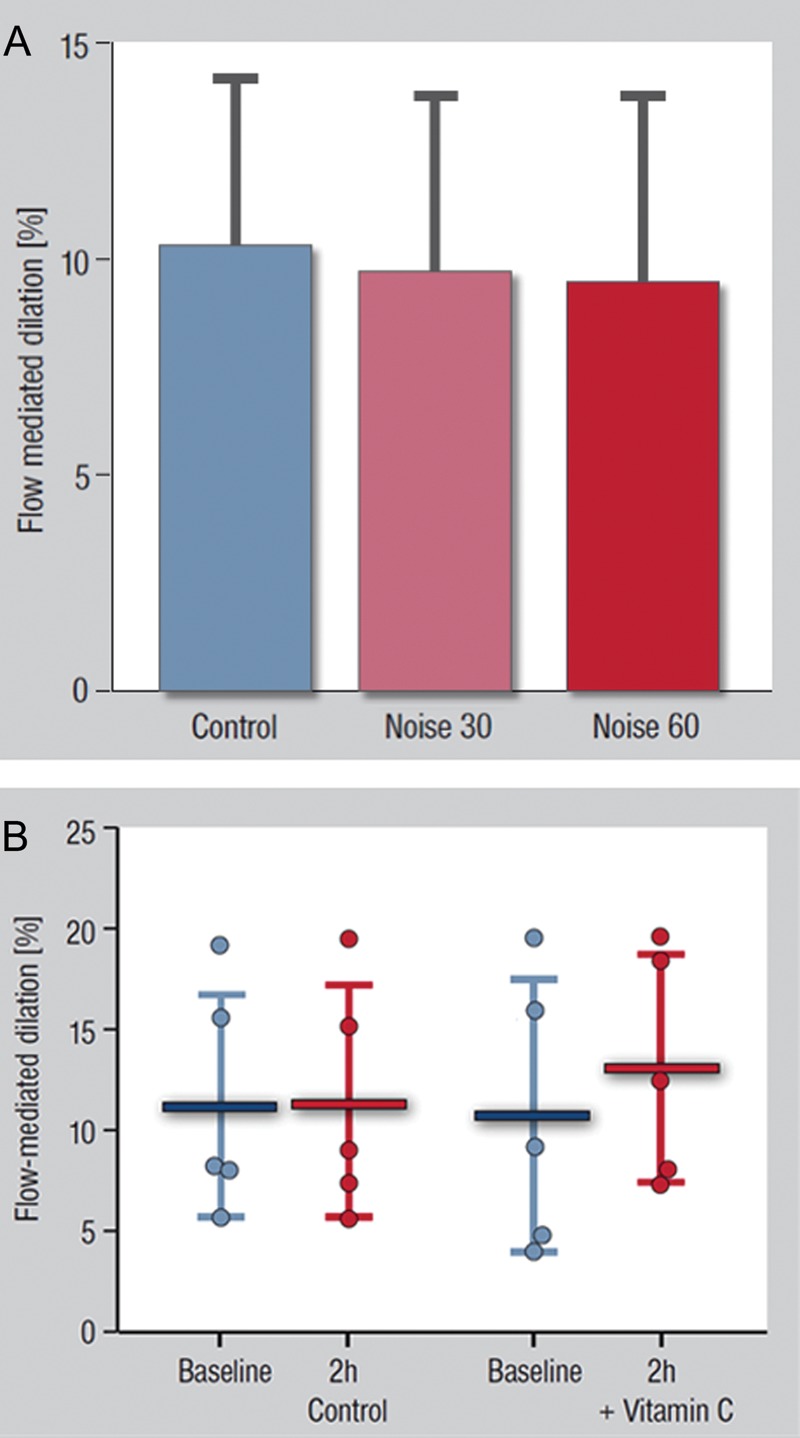
We performed a blinded field study in 75 healthy volunteers (mean age 26 years), who were exposed at home, in random order, to one control pattern (no noise) and two different noise scenarios [30 or 60 aircraft noise events per night with an average maximum sound pressure level (SPL) of 60 dB(A)] for one night each. We performed polygraphy during each study night. Noise caused a worsening in sleep quality (P < 0.0001). Noise60, corresponding to equivalent continuous SPLs of 46.3 dB (Leq) and representing environmental noise levels associated with increased cardiovascular events, caused a blunting in FMD (P = 0.016). As well, although a direct comparison among the FMD values in the noise groups (control: 10.4 ± 3.8%; Noise30: 9.7 ± 4.1%; Noise60: 9.5 ± 4.3%, P = 0.052) did not reach significance, a monotone dose-dependent effect of noise level on FMD was shown (P = 0.020). Finally, there was a priming effect of noise, i.e. the blunting in FMD was particularly evident when subjects were exposed first to 30 and then to 60 noise events (P = 0.006). Noise-induced endothelial dysfunction (ED) was reversed by the administration of Vitamin C (P = 0.0171). Morning adrenaline concentration increased from 28.3 ± 10.9 to 33.2 ± 16.6 and 34.1 ± 19.3 ng/L (P = 0.0099). Pulse transit time, reflecting arterial stiffness, was also shorter after exposure to noise (P = 0.003).
In healthy adults, acute nighttime aircraft noise exposure dose-dependently impairs endothelial function and stimulates adrenaline release. Noise-induced ED may be in part due to increased production in reactive oxygen species and may thus be one mechanism contributing to the observed association of chronic noise exposure with cardiovascular disease.
飞机噪声干扰睡眠,长期暴露于飞机噪声会导致高血压患病率增加以及心肌梗死整体风险增加。导致这些心血管效应的确切机制尚不清楚。
我们在 75 名健康志愿者(平均年龄 26 岁)中进行了一项盲法现场研究,这些志愿者在家中随机接受一种对照模式(无噪声)和两种不同的噪声场景[每晚 30 或 60 次飞机噪声事件,平均最大声压级(SPL)为 60dB(A)],每个场景各一晚。我们在每个研究夜进行多导睡眠图监测。噪声导致睡眠质量恶化(P<0.0001)。噪声 60 相当于等效连续 SPL 为 46.3dB(Leq),代表与心血管事件增加相关的环境噪声水平,导致 FMD 减弱(P=0.016)。此外,尽管在噪声组的 FMD 值(对照组:10.4±3.8%;噪声 30:9.7±4.1%;噪声 60:9.5±4.3%,P=0.052)之间进行直接比较没有达到显著水平,但噪声水平对 FMD 的影响呈单调剂量依赖性(P=0.020)。最后,噪声存在引发效应,即在志愿者首先暴露于 30 次噪声然后暴露于 60 次噪声时,FMD 的减弱特别明显(P=0.006)。维生素 C 的给药逆转了噪声引起的内皮功能障碍(ED)(P=0.0171)。肾上腺素浓度从 28.3±10.9ng/L 增加到 33.2±16.6ng/L 和 34.1±19.3ng/L(P=0.0099)。暴露于噪声后,脉搏传导时间(反映动脉僵硬度)也缩短(P=0.003)。
在健康成年人中,急性夜间飞机噪声暴露会剂量依赖性地损害内皮功能并刺激肾上腺素释放。噪声引起的 ED 可能部分是由于活性氧物质的产生增加所致,因此可能是导致慢性噪声暴露与心血管疾病观察到的关联的机制之一。