Institute of Tropical Medicine and International Health, Charité-Universitätsmedizin, Berlin, Germany.
BMC Public Health. 2013 Aug 8;13:735. doi: 10.1186/1471-2458-13-735.
The uptake of HIV testing and counselling services remains low in risk groups around the world. Fear of stigmatisation, discrimination and breach of confidentiality results in low service usage among risk groups. HIV self-testing (HST) is a confidential HIV testing option that enables people to find out their status in the privacy of their homes. We evaluated the acceptability of HST and the benefits and challenges linked to the introduction of HST.
A literature review was conducted on the acceptability of HST in projects in which HST was offered to study participants. Besides acceptability rates of HST, accuracy rates of self-testing, referral rates of HIV-positive individuals into medical care, disclosure rates and rates of first-time testers were assessed. In addition, the utilisation rate of a telephone hotline for counselling issues and clients` attitudes towards HST were extracted.
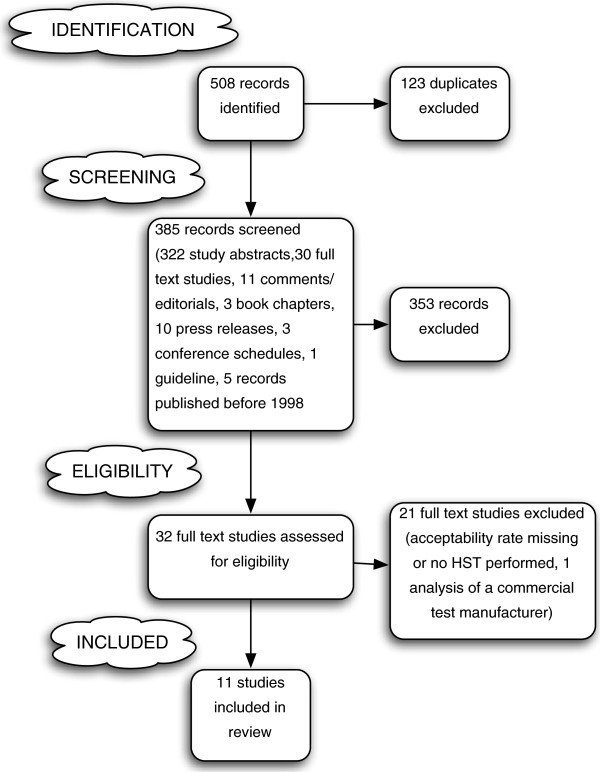
Eleven studies met the inclusion criteria (HST had been offered effectively to study participants and had been administered by participants themselves) and demonstrated universally high acceptability of HST among study populations. Studies included populations from resource poor settings (Kenya and Malawi) and from high-income countries (USA, Spain and Singapore). The majority of study participants were able to perform HST accurately with no or little support from trained staff. Participants appreciated the confidentiality and privacy but felt that the provision of adequate counselling services was inadequate.
The review demonstrates that HST is an acceptable testing alternative for risk groups and can be performed accurately by the majority of self-testers. Clients especially value the privacy and confidentiality of HST. Linkage to counselling as well as to treatment and care services remain major challenges.
在世界各地的风险群体中,艾滋病毒检测和咨询服务的利用率仍然很低。对污名化、歧视和违反保密性的恐惧导致风险群体对服务的使用率较低。HIV 自我检测(HST)是一种保密的 HIV 检测选择,使人们能够在自己家中的隐私中了解自己的状况。我们评估了 HST 的可接受性,以及引入 HST 带来的好处和挑战。
对提供给研究参与者的 HST 项目中 HST 的可接受性进行了文献回顾。除了 HST 的可接受率外,还评估了自我检测的准确性、HIV 阳性个体转诊到医疗保健的比例、披露率和首次检测者的比例,此外还提取了咨询问题热线的利用率和客户对 HST 的态度。
符合纳入标准的 11 项研究(已向研究参与者有效提供 HST 并由参与者自行管理)表明,研究人群普遍对 HST 具有高度可接受性。研究对象包括资源匮乏地区(肯尼亚和马拉维)和高收入国家(美国、西班牙和新加坡)的人群。大多数研究参与者能够准确地进行 HST,无需或只需很少的培训人员支持。参与者赞赏保密性和隐私性,但认为提供足够的咨询服务不足。
审查表明,HST 是风险群体的一种可接受的检测替代方案,大多数自我检测者都能准确进行检测。客户特别重视 HST 的隐私和保密性。与咨询以及与治疗和护理服务的联系仍然是主要挑战。