Gaydos Charlotte A, Solis Melissa, Hsieh Yu-Hsiang, Jett-Goheen Mary, Nour Samah, Rothman Richard E
Div Infectious Disease, Johns Hopkins University, Baltimore, MD, USA.
Int J STD AIDS. 2013 Sep;24(9):716-21. doi: 10.1177/0956462413487321. Epub 2013 Jul 19.
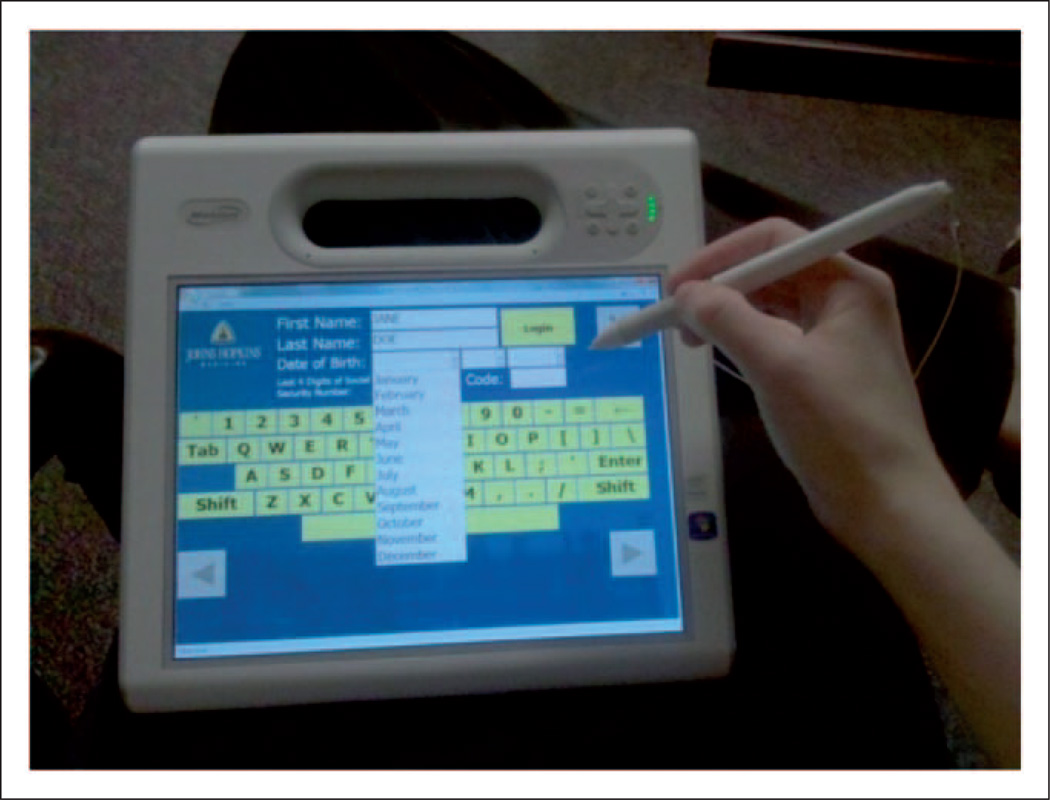
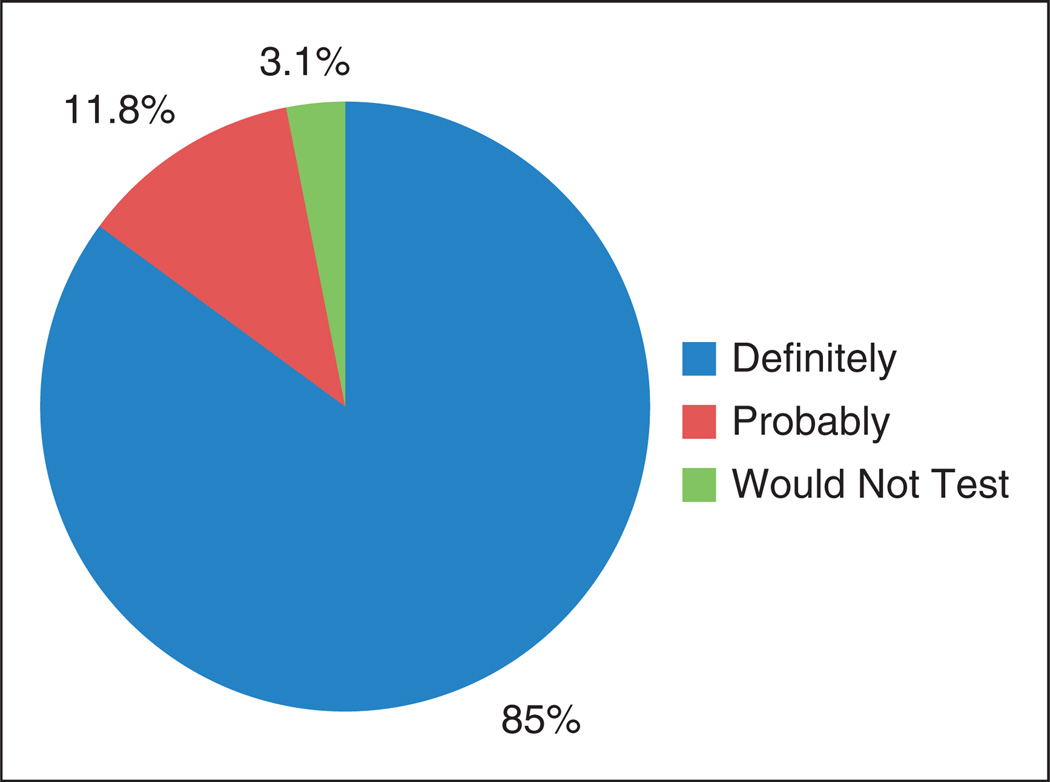
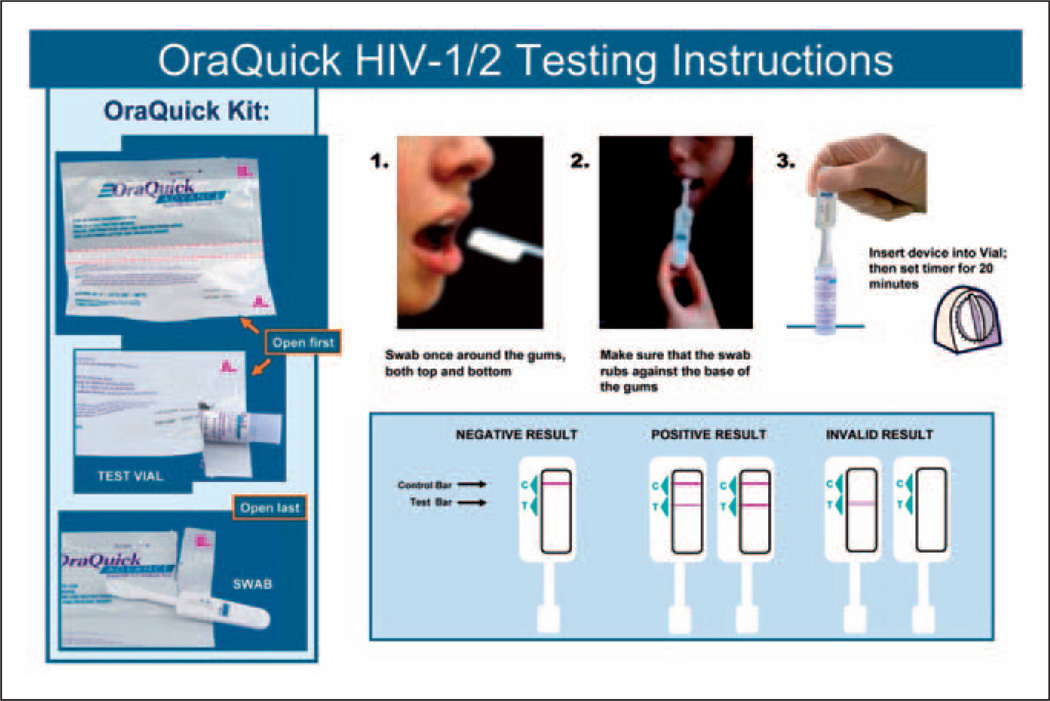
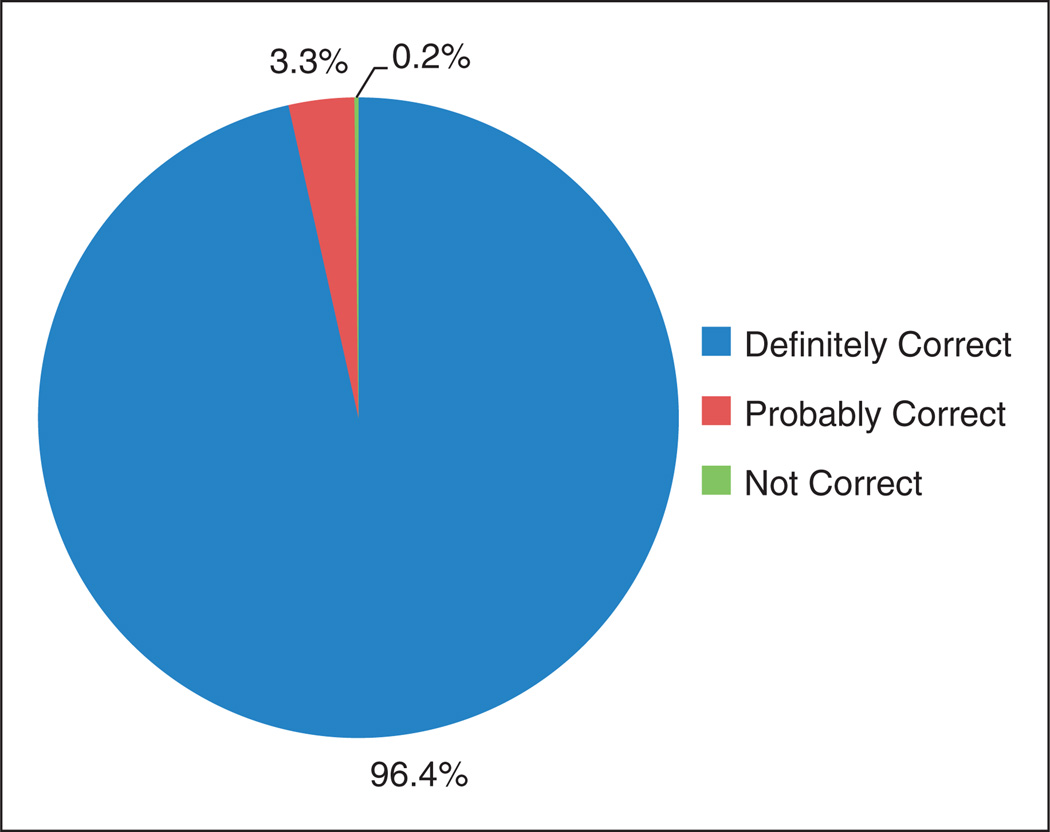
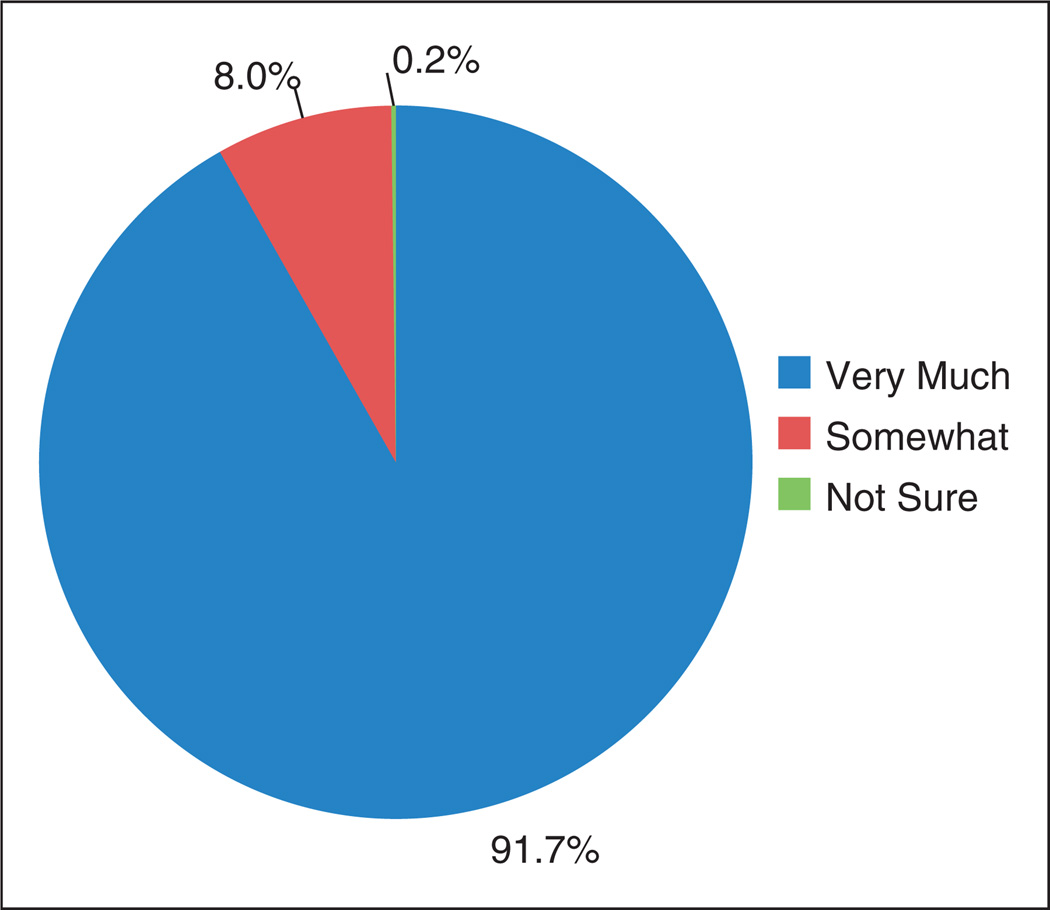
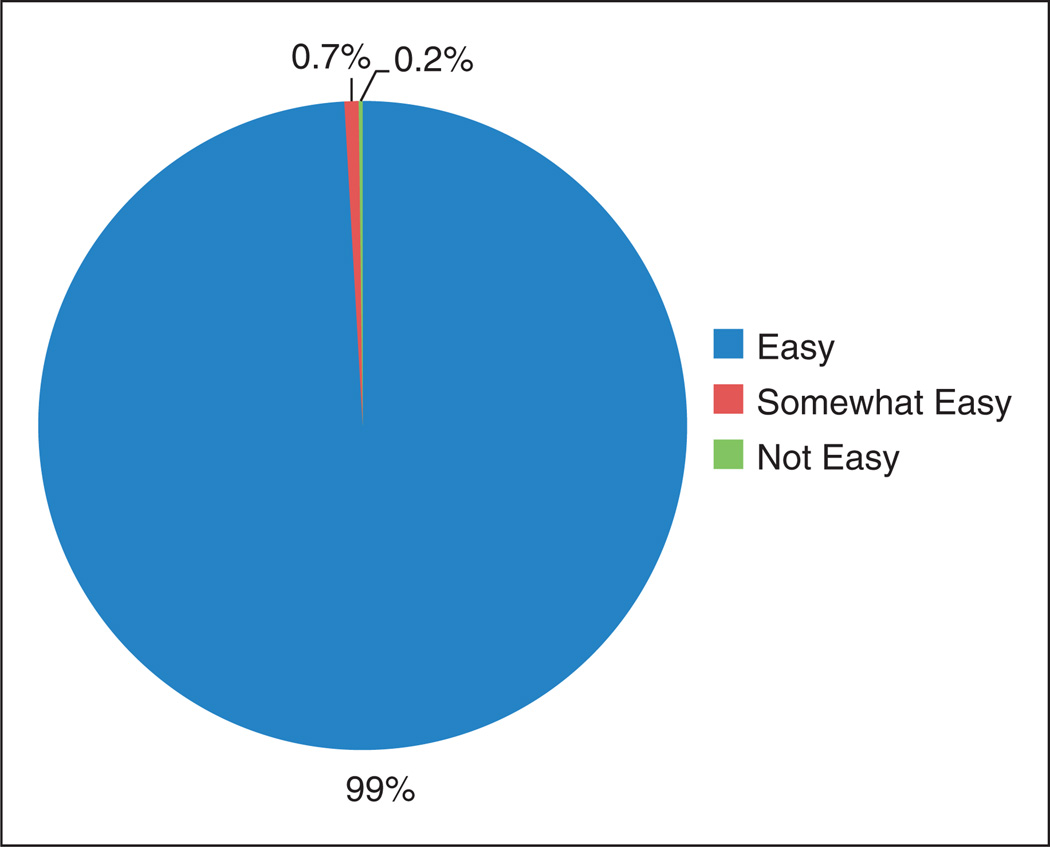
Despite successes in efforts to integrate HIV testing into routine care in emergency departments, challenges remain. Kiosk-facilitated, directed HIV self-testing offers one novel approach to address logistical challenges. Emergency department patients, 18-64 years, were recruited to evaluate use of tablet-based-kiosks to guide patients to conduct their own point-of-care HIV tests followed by standard-of-care HIV tests by healthcare workers. Both tests were OraQuick Advance tests. Of 955 patients approached, 473 (49.5%) consented; 467 completed the test, and 100% had concordant results with healthcare workers. Median age was 41 years, 59.6% were female, 74.8% were African-American, and 19.6% were White. In all, 99.8% of patients believed the self-test was "definitely" or "probably" correct; 91.7% of patients "trusted their results very much"; 99.8% reported "overall" self-testing was "easy or somewhat easy" to perform. Further, 96.9% indicated they would "probably" or "definitely" test themselves at home were the HIV test available for purchase; 25.9% preferred self-testing versus 34.4% who preferred healthcare professional testing (p>0.05). Tablet-based kiosk testing proved to be highly feasible, acceptable, and an accurate method of conducting rapid HIV self-testing in this study; however, rates of engagement were moderate. More research will be required to ascertain barriers to increased engagement for self-testing.
尽管在将艾滋病毒检测纳入急诊科常规护理方面取得了成功,但挑战依然存在。由信息亭辅助的定向艾滋病毒自我检测提供了一种应对后勤挑战的新方法。招募了18至64岁的急诊科患者,以评估使用基于平板电脑的信息亭指导患者进行即时护理艾滋病毒检测,随后由医护人员进行标准护理艾滋病毒检测的情况。两种检测均为OraQuick Advance检测。在955名被邀请的患者中,473名(49.5%)同意参与;467名完成了检测,且100%的检测结果与医护人员的检测结果一致。患者的中位年龄为41岁,59.6%为女性,74.8%为非裔美国人,19.6%为白人。总体而言,99.8%的患者认为自我检测“肯定”或“可能”是正确的;91.7%的患者“非常信任自己的检测结果”;99.8%的患者报告称“总体而言”自我检测“容易或有点容易”操作。此外,96.9%的患者表示,如果有可购买的艾滋病毒检测产品,他们“可能”或“肯定”会在家中自行检测;25.9%的患者更喜欢自我检测,而34.4%的患者更喜欢由医护人员检测(p>0.05)。在本研究中,基于平板电脑的信息亭检测被证明是一种高度可行、可接受且准确的快速艾滋病毒自我检测方法;然而,参与率适中。需要更多研究来确定提高自我检测参与率的障碍。