Treister Roi, Lang Magdalena, Klein Max M, Oaklander Anne Louise
Department of Neurology, Massachusetts General Hospital, Harvard Medical School, Boston, Massachusetts, USA;
Rambam Maimonides Med J. 2013 Oct 29;4(4):e0023. doi: 10.5041/RMMJ.10130. eCollection 2013.
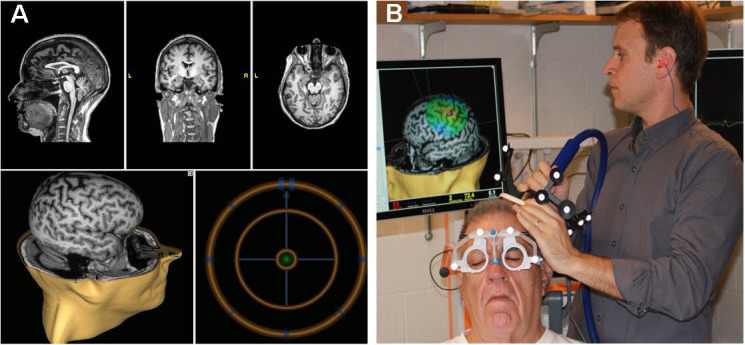
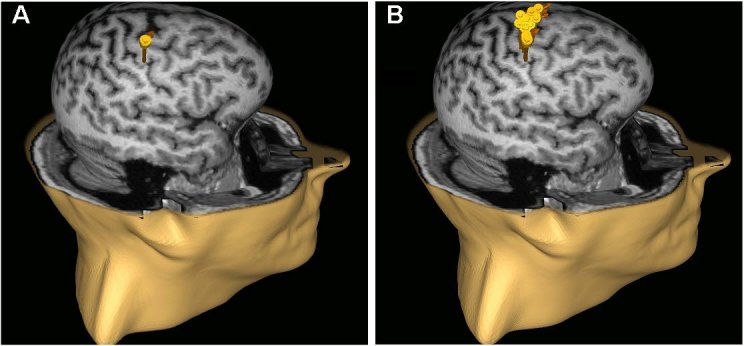
The term "neuropathic pain" (NP) refers to chronic pain caused by illnesses or injuries that damage peripheral or central pain-sensing neural pathways to cause them to fire inappropriately and signal pain without cause. Neuropathic pain is common, complicating diabetes, shingles, HIV, and cancer. Medications are often ineffective or cause various adverse effects, so better approaches are needed. Half a century ago, electrical stimulation of specific brain regions (neuromodulation) was demonstrated to relieve refractory NP without distant effects, but the need for surgical electrode implantation limited use of deep brain stimulation. Next, electrodes applied to the dura outside the brain's surface to stimulate the motor cortex were shown to relieve NP less invasively. Now, electromagnetic induction permits cortical neurons to be stimulated entirely non-invasively using transcranial magnetic stimulation (TMS). Repeated sessions of many TMS pulses (rTMS) can trigger neuronal plasticity to produce long-lasting therapeutic benefit. Repeated TMS already has US and European regulatory approval for treating refractory depression, and multiple small studies report efficacy for neuropathic pain. Recent improvements include "frameless stereotactic" neuronavigation systems, in which patients' head MRIs allow TMS to be applied to precise underlying cortical targets, minimizing variability between sessions and patients, which may enhance efficacy. Transcranial magnetic stimulation appears poised for the larger trials necessary for regulatory approval of a NP indication. Since few clinicians are familiar with TMS, we review its theoretical basis and historical development, summarize the neuropathic pain trial results, and identify issues to resolve before large-scale clinical trials.
“神经性疼痛”(NP)一词指的是由疾病或损伤引起的慢性疼痛,这些疾病或损伤会损害外周或中枢疼痛感知神经通路,导致它们不适当放电并无端发出疼痛信号。神经性疼痛很常见,会使糖尿病、带状疱疹、艾滋病和癌症病情复杂化。药物治疗往往无效或会引起各种不良反应,因此需要更好的治疗方法。半个世纪前,人们证明对特定脑区进行电刺激(神经调节)可缓解难治性神经性疼痛且无远处影响,但由于需要植入手术电极,限制了深部脑刺激的应用。接下来,人们发现将电极置于脑表面外的硬脑膜上以刺激运动皮层,能以侵入性较小的方式缓解神经性疼痛。现在,电磁感应使得能够使用经颅磁刺激(TMS)完全非侵入性地刺激皮层神经元。多次重复的TMS脉冲(rTMS)可触发神经元可塑性,产生持久的治疗效果。重复TMS已获得美国和欧洲监管机构批准用于治疗难治性抑郁症,多项小型研究报告了其对神经性疼痛的疗效。最近的改进包括“无框架立体定向”神经导航系统,在该系统中,患者的头部核磁共振成像可使TMS应用于精确的潜在皮层靶点,将不同疗程和患者之间的变异性降至最低,这可能会提高疗效。经颅磁刺激似乎已准备好进行获得神经性疼痛适应症监管批准所需的更大规模试验。由于很少有临床医生熟悉TMS,我们回顾其理论基础和历史发展,总结神经性疼痛试验结果,并确定在大规模临床试验之前需要解决的问题。