Research Institute on Addictions, State University of New York at Buffalo Buffalo, NY, USA ; School of Medicine and Biomedical Sciences, State University of New York at Buffalo Buffalo, NY, USA.
Research Institute on Addictions, State University of New York at Buffalo Buffalo, NY, USA.
Front Integr Neurosci. 2014 Jan 9;7:107. doi: 10.3389/fnint.2013.00107.
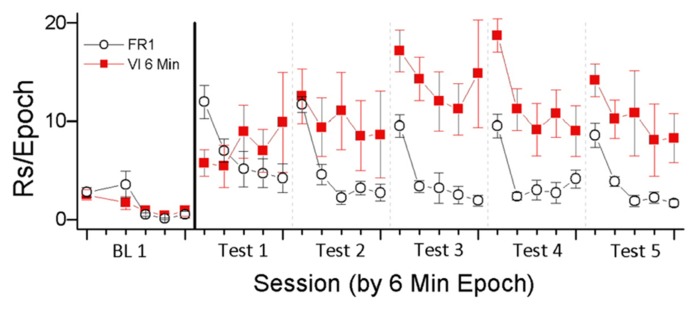
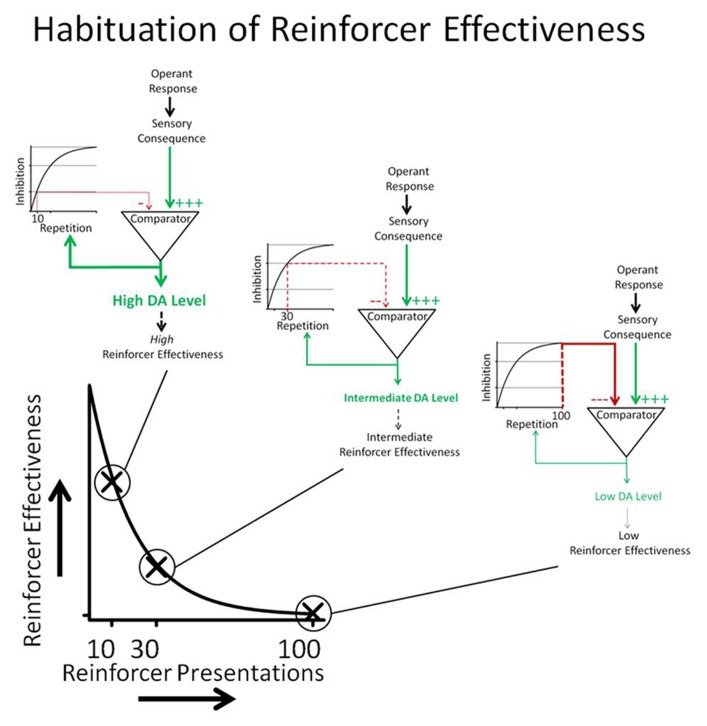
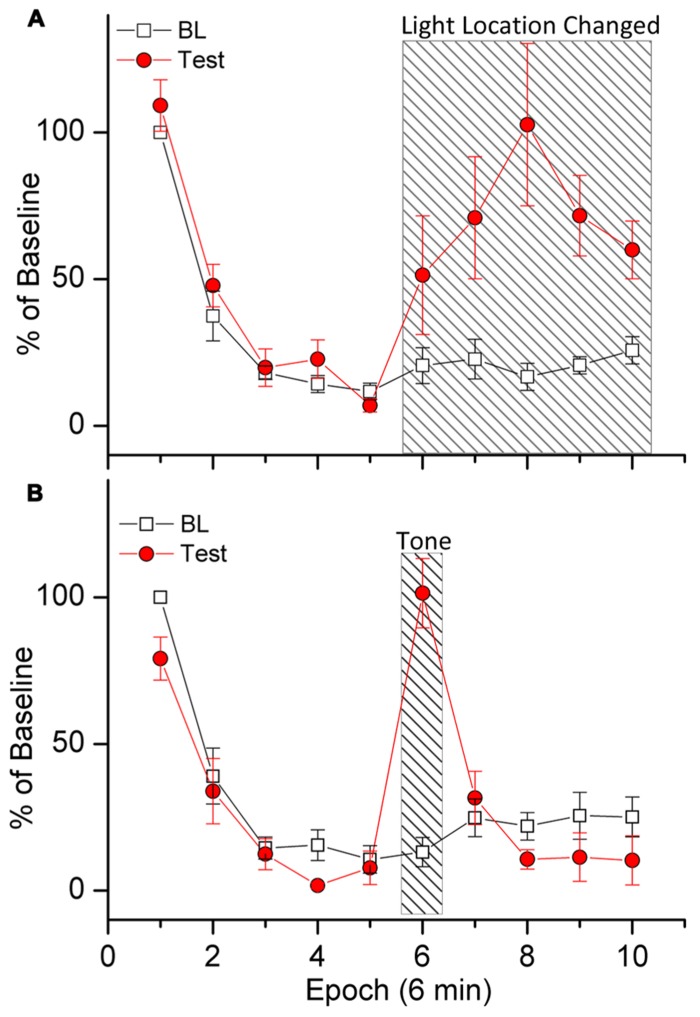
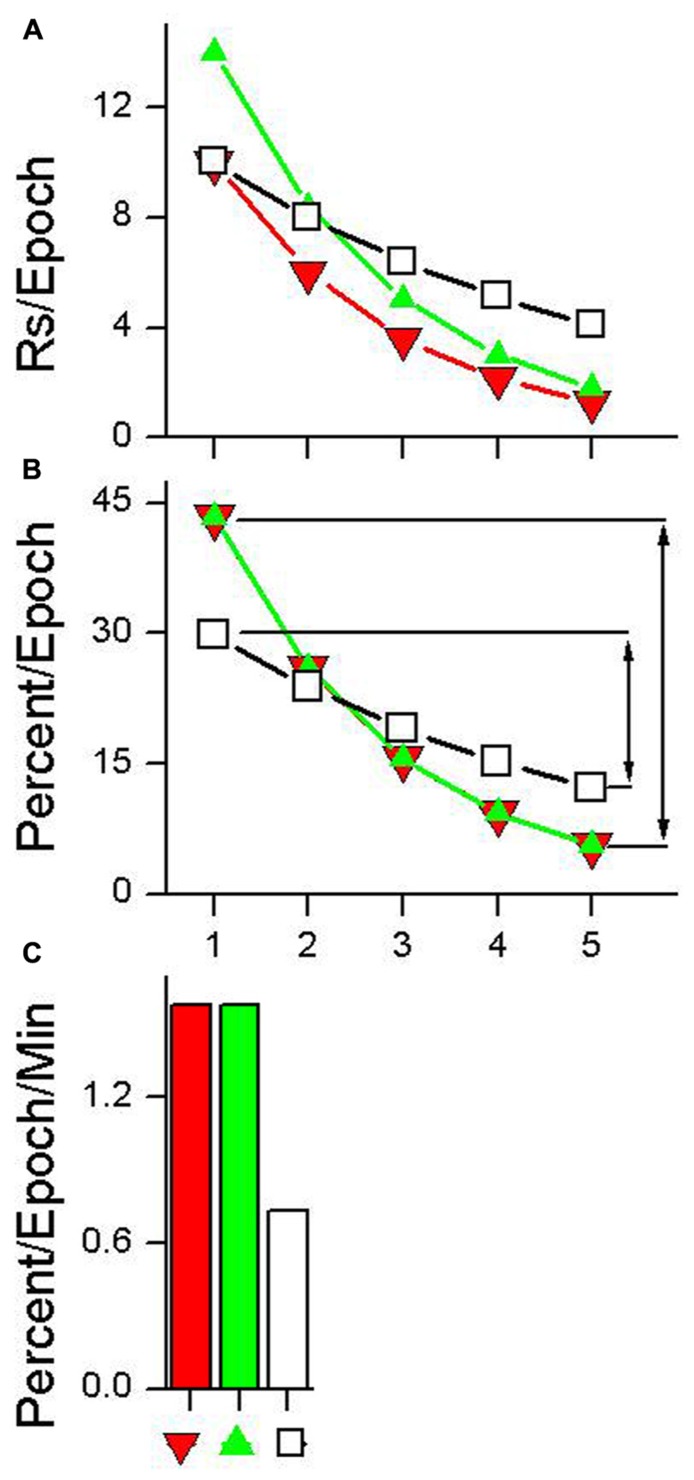
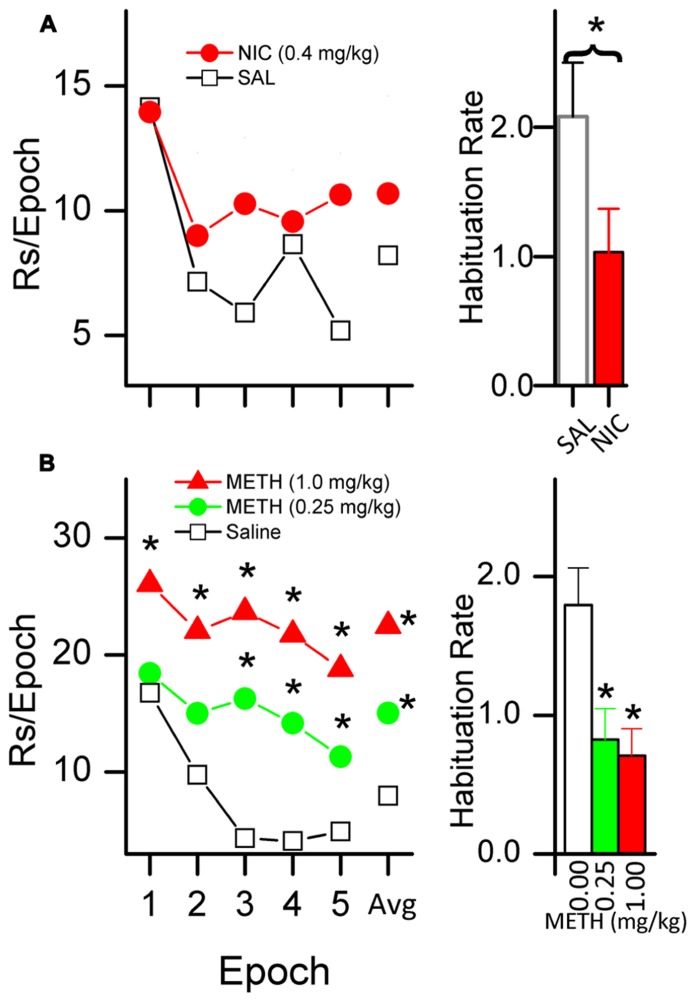
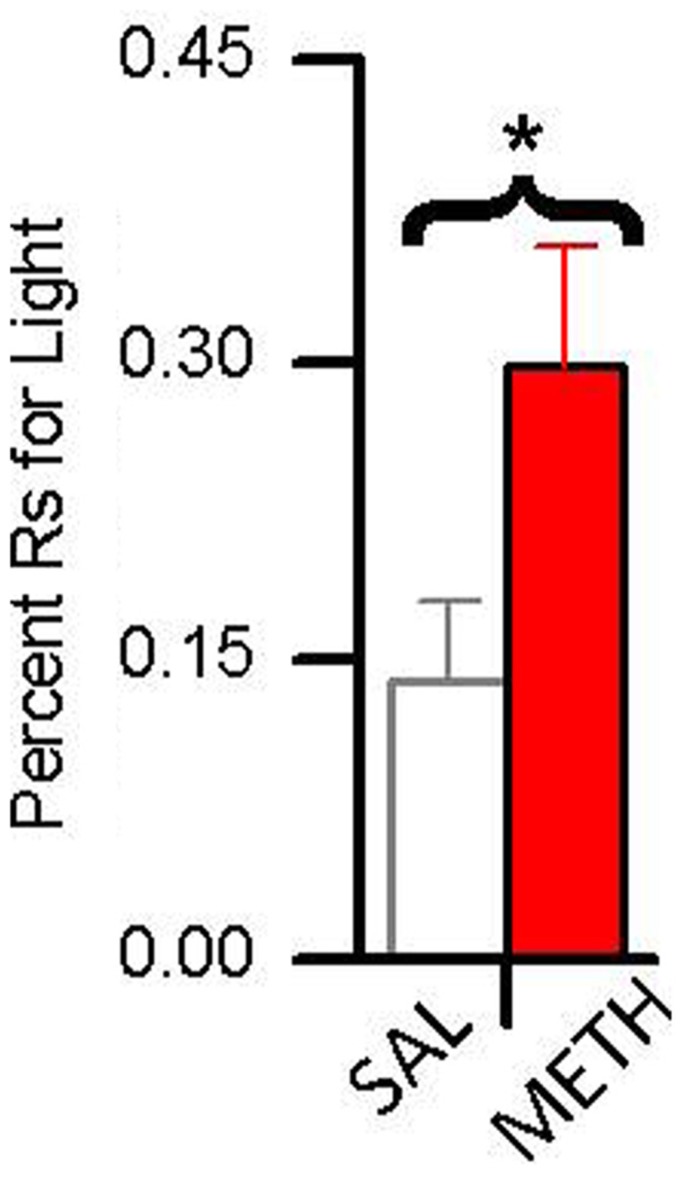
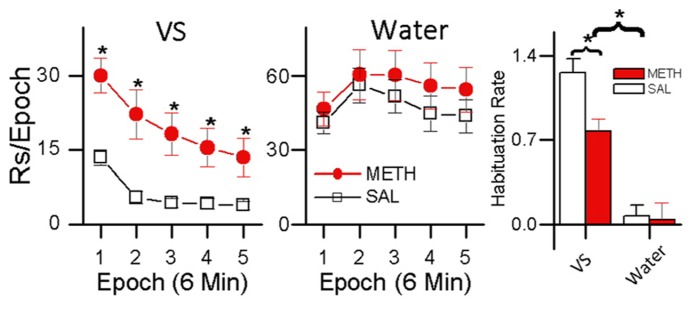
In this paper we propose an integrative model of habituation of reinforcer effectiveness (HRE) that links behavioral- and neural-based explanations of reinforcement. We argue that HRE is a fundamental property of reinforcing stimuli. Most reinforcement models implicitly suggest that the effectiveness of a reinforcer is stable across repeated presentations. In contrast, an HRE approach predicts decreased effectiveness due to repeated presentation. We argue that repeated presentation of reinforcing stimuli decreases their effectiveness and that these decreases are described by the behavioral characteristics of habituation (McSweeney and Murphy, 2009; Rankin etal., 2009). We describe a neural model that postulates a positive association between dopamine neurotransmission and HRE. We present evidence that stimulant drugs, which artificially increase dopamine neurotransmission, disrupt (slow) normally occurring HRE and also provide evidence that stimulant drugs have differential effects on operant responding maintained by reinforcers with rapid vs. slow HRE rates. We hypothesize that abnormal HRE due to genetic and/or environmental factors may underlie some behavioral disorders. For example, recent research indicates that slow-HRE is predictive of obesity. In contrast ADHD may reflect "accelerated-HRE." Consideration of HRE is important for the development of effective reinforcement-based treatments. Finally, we point out that most of the reinforcing stimuli that regulate daily behavior are non-consumable environmental/social reinforcers which have rapid-HRE. The almost exclusive use of consumable reinforcers with slow-HRE in pre-clinical studies with animals may have caused the importance of HRE to be overlooked. Further study of reinforcing stimuli with rapid-HRE is needed in order to understand how habituation and reinforcement interact and regulate behavior.
在本文中,我们提出了一个习惯化增强效力(HRE)的综合模型,将基于行为和神经的强化解释联系起来。我们认为 HRE 是增强刺激的基本特性。大多数强化模型都隐含地暗示,增强剂的效力在重复呈现时是稳定的。相比之下,HRE 方法预测由于重复呈现而导致效力降低。我们认为,重复呈现增强刺激会降低其效力,这些减少可以通过习惯化的行为特征来描述(McSweeney 和 Murphy,2009;Rankin 等人,2009)。我们描述了一个神经模型,该模型假设多巴胺神经传递与 HRE 之间存在正相关。我们提出的证据表明,兴奋剂药物人为地增加多巴胺神经传递,会破坏(减缓)正常发生的 HRE,并且还提供证据表明,兴奋剂药物对由具有快速与慢速 HRE 率的增强剂维持的操作性反应有不同的影响。我们假设,由于遗传和/或环境因素导致的异常 HRE 可能是某些行为障碍的基础。例如,最近的研究表明,慢速 HRE 可预测肥胖。相比之下,ADHD 可能反映了“加速 HRE”。考虑 HRE 对于开发有效的基于强化的治疗方法非常重要。最后,我们指出,调节日常行为的大多数增强刺激是非消耗性环境/社会增强剂,它们具有快速 HRE。在动物的临床前研究中几乎只使用具有慢速 HRE 的消耗性增强剂,可能导致人们忽视了 HRE 的重要性。为了了解习惯化和强化如何相互作用并调节行为,需要进一步研究具有快速 HRE 的增强刺激。