Commonwealth Scientific Industrial Research Organization, Food Future Flagship, Marine and Atmospheric Research, GPO Box 1538, Hobart, TAS 7000, Australia.
Commonwealth Scientific Industrial Research Organization, Food Future Flagship, Marine and Atmospheric Research, EcoSciences Precinct, 41 Boggo Road, Dutton Park, QLD 4102, Australia.
Nutrients. 2014 Mar 11;6(3):1063-79. doi: 10.3390/nu6031063.
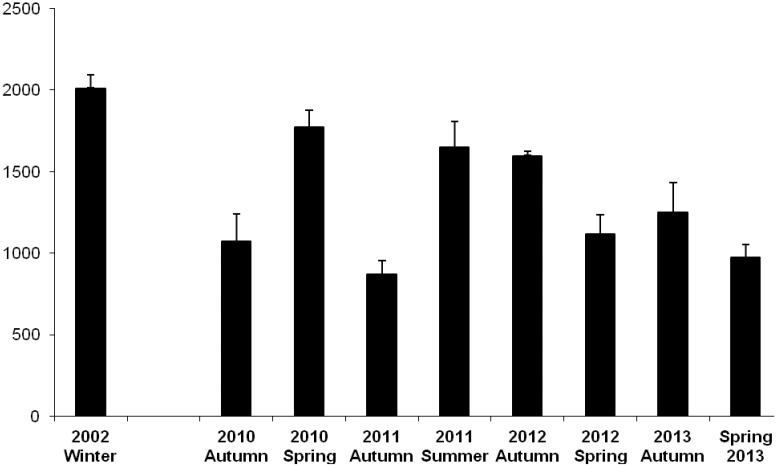
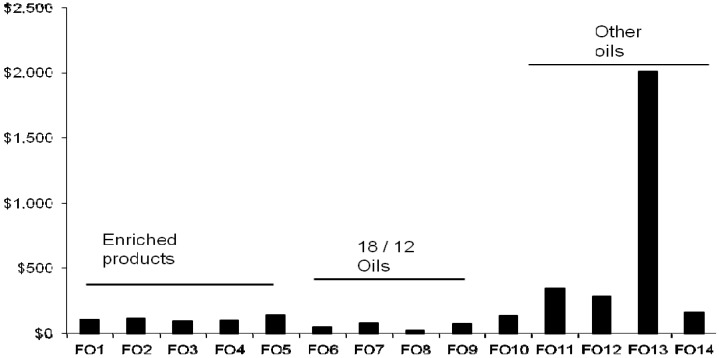
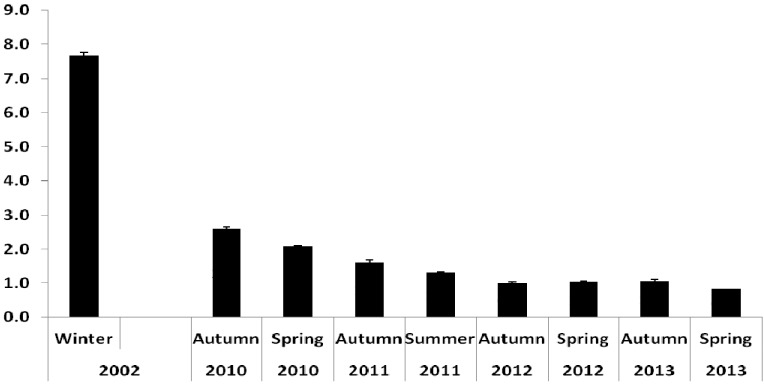
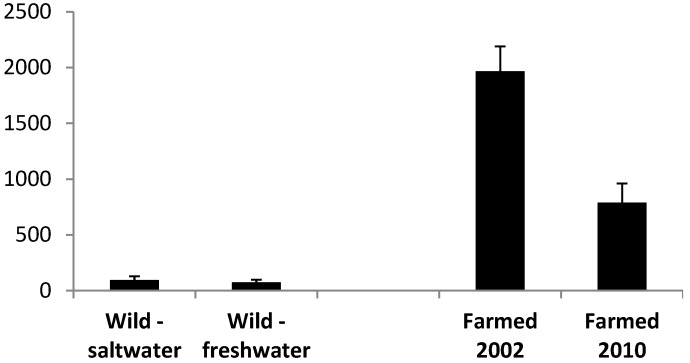
Seafood consumption enhances intake of omega-3 long-chain (≥C₂₀) polyunsaturated fatty acids (termed LC omega-3 oils). Humans biosynthesize only small amounts of LC-omega-3, so they are considered semi-essential nutrients in our diet. Concern has been raised that farmed fish now contain lower LC omega-3 content than wild-harvested seafood due to the use of oil blending in diets fed to farmed fish. However, we observed that two major Australian farmed finfish species, Atlantic salmon (Salmo salar) and barramundi (Lates calcifer), have higher oil and LC omega-3 content than the same or other species from the wild, and remain an excellent means to achieve substantial intake of LC omega-3 oils. Notwithstanding, LC omega-3 oil content has decreased in these two farmed species, due largely to replacing dietary fish oil with poultry oil. For Atlantic salmon, LC omega-3 content decreased ~30%-50% between 2002 and 2013, and the omega-3/omega-6 ratio also decreased (>5:1 to <1:1). Australian consumers increasingly seek their LC omega-3 from supplements, therefore a range of supplement products were compared. The development and future application of oilseeds containing LC omega-3 oils and their incorporation in aquafeeds would allow these health-benefitting oils to be maximized in farmed Australian seafood. Such advances can assist with preventative health care, fisheries management, aquaculture nutrition, an innovative feed/food industry and ultimately towards improved consumer health.
海鲜消费可增加 ω-3 长链(≥C₂₀)多不饱和脂肪酸(称为 LC ω-3 油)的摄入量。人体只能少量合成 LC-ω-3,因此它们被认为是我们饮食中的半必需营养素。有人担心,由于在养殖鱼类的饲料中使用了油混合,养殖鱼类现在的 LC ω-3 含量比野生捕捞的海鲜低。然而,我们观察到,澳大利亚的两种主要养殖鱼类,大西洋鲑(Salmo salar)和金目鲈(Lates calcifer),其油和 LC ω-3 的含量都高于野生的相同或其他物种,仍然是摄入大量 LC ω-3 油的绝佳途径。尽管如此,由于用禽油替代了鱼油,这两种养殖鱼类的 LC ω-3 油含量已经下降。对于大西洋鲑,2002 年至 2013 年间,LC ω-3 含量下降了约 30%-50%,ω-3/ω-6 比例也下降了(>5:1 至<1:1)。澳大利亚消费者越来越多地从补品中获取 LC ω-3,因此对一系列补品产品进行了比较。含有 LC ω-3 油的油籽的开发和未来应用及其在水产饲料中的应用,将使这些有益健康的油在澳大利亚养殖海鲜中得到最大程度的利用。这些进展可以帮助预防保健、渔业管理、水产养殖营养、创新的饲料/食品行业,最终改善消费者的健康。