Mukherjee Pranab K, Chandra Jyotsna, Retuerto Mauricio, Sikaroodi Masoumeh, Brown Robert E, Jurevic Richard, Salata Robert A, Lederman Michael M, Gillevet Patrick M, Ghannoum Mahmoud A
OHARA/ACTG Mycology Unit at Case Western Reserve University, Department of Dermatology, Cleveland, Ohio, United States of America; Center for Medical Microbiology, Department of Dermatology, School of Medicine, Case Western Reserve University and University Hospitals Case Medical Center, Cleveland, Ohio, United States of America.
OHARA/ACTG Mycology Unit at Case Western Reserve University, Department of Dermatology, Cleveland, Ohio, United States of America.
PLoS Pathog. 2014 Mar 13;10(3):e1003996. doi: 10.1371/journal.ppat.1003996. eCollection 2014 Mar.
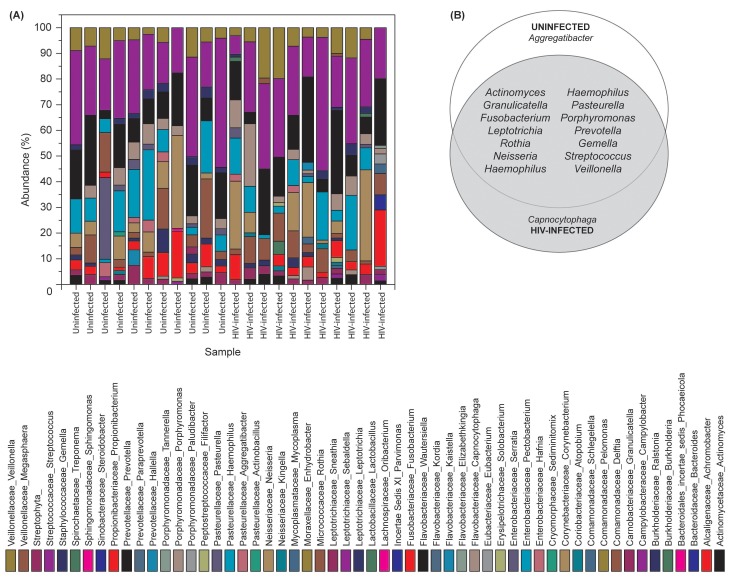
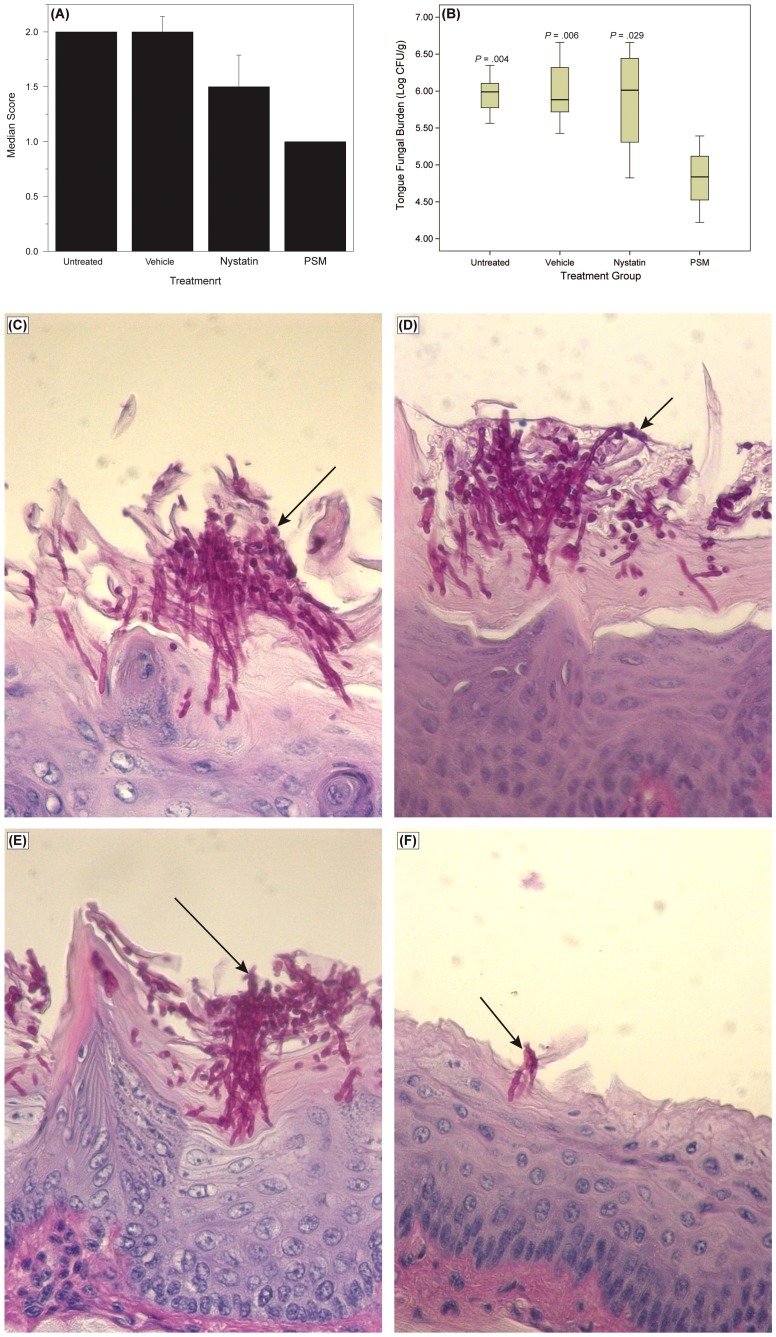
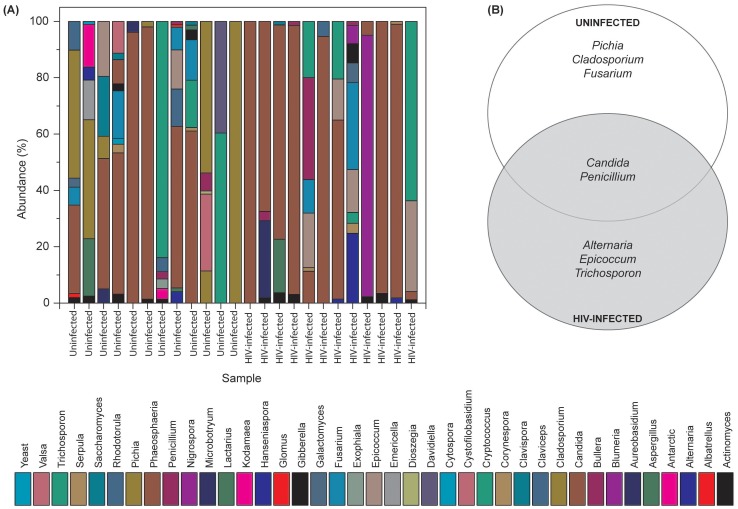
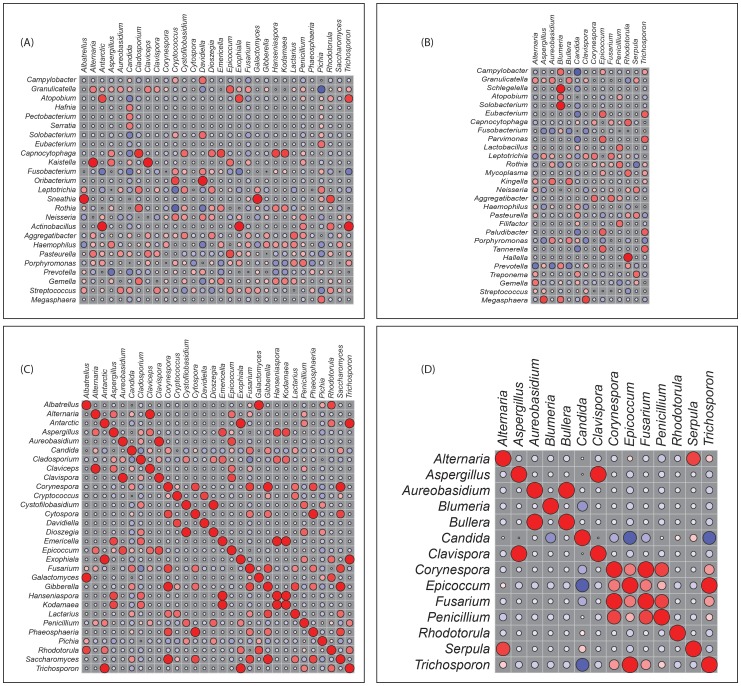
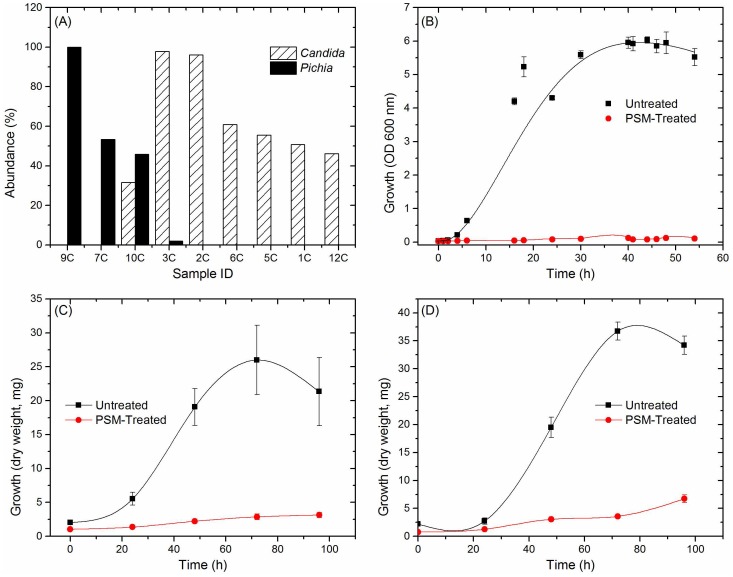
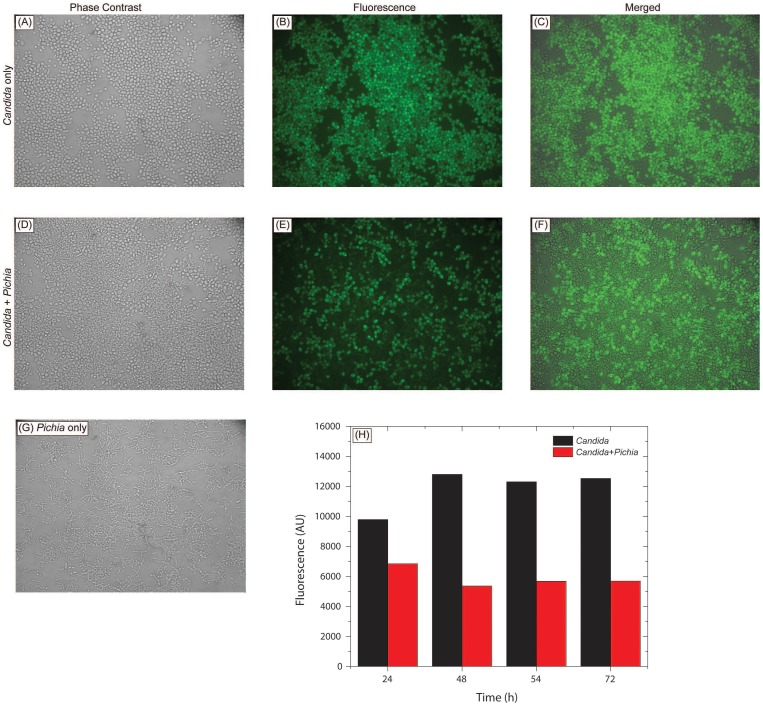
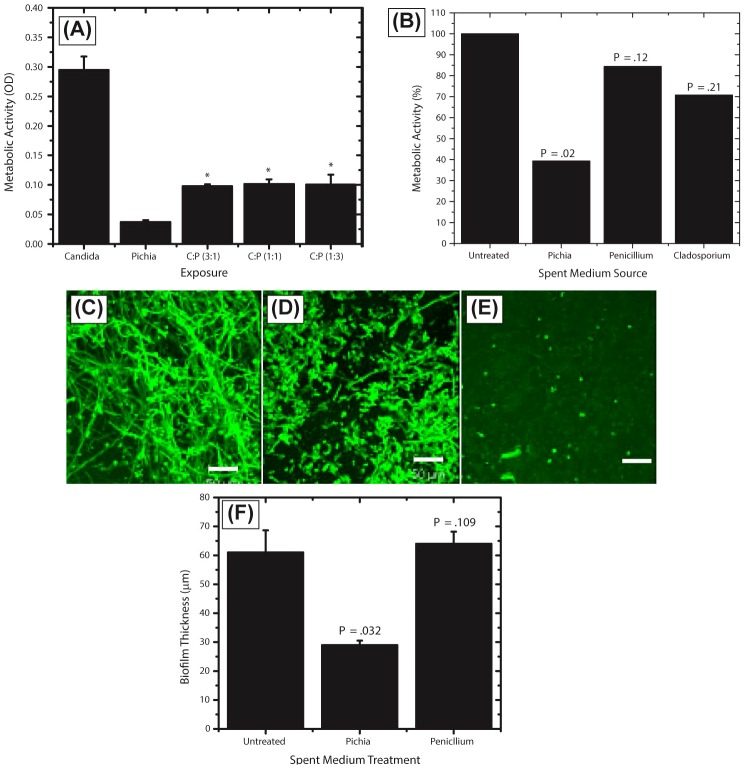
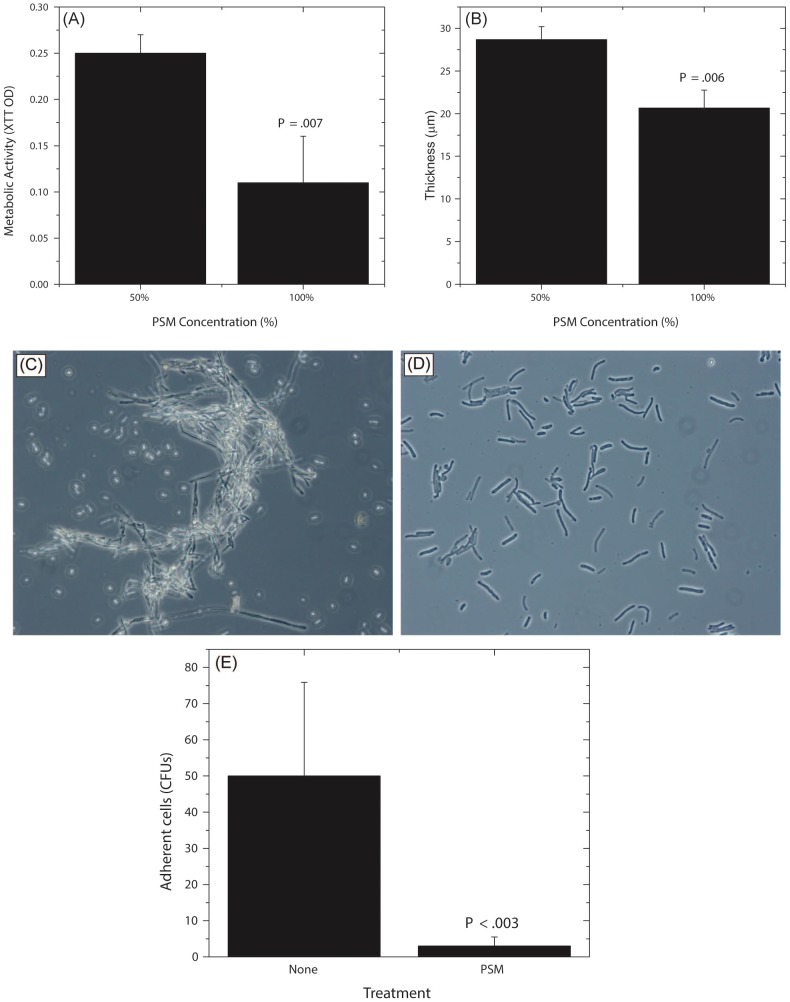
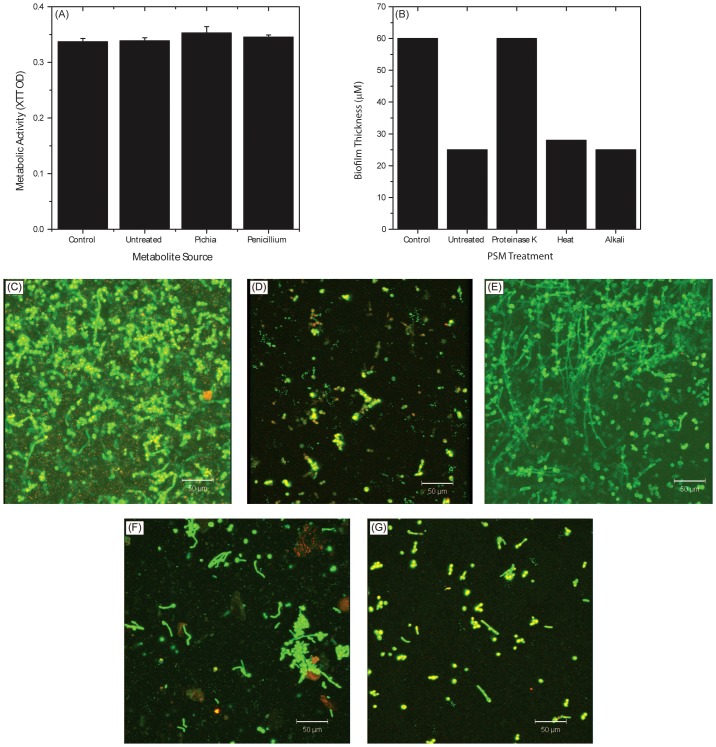
Oral microbiota contribute to health and disease, and their disruption may influence the course of oral diseases. Here, we used pyrosequencing to characterize the oral bacteriome and mycobiome of 12 HIV-infected patients and matched 12 uninfected controls. The number of bacterial and fungal genera in individuals ranged between 8-14 and 1-9, among uninfected and HIV-infected participants, respectively. The core oral bacteriome (COB) comprised 14 genera, of which 13 were common between the two groups. In contrast, the core oral mycobiome (COM) differed between HIV-infected and uninfected individuals, with Candida being the predominant fungus in both groups. Among Candida species, C. albicans was the most common (58% in uninfected and 83% in HIV-infected participants). Furthermore, 15 and 12 bacteria-fungi pairs were correlated significantly within uninfected and HIV-infected groups, respectively. Increase in Candida colonization was associated with a concomitant decrease in the abundance of Pichia, suggesting antagonism. We found that Pichia spent medium (PSM) inhibited growth of Candida, Aspergillus and Fusarium. Moreover, Pichia cells and PSM inhibited Candida biofilms (P = .002 and .02, respectively, compared to untreated controls). The mechanism by which Pichia inhibited Candida involved nutrient limitation, and modulation of growth and virulence factors. Finally, in an experimental murine model of oral candidiasis, we demonstrated that mice treated with PSM exhibited significantly lower infection score (P = .011) and fungal burden (P = .04) compared to untreated mice. Moreover, tongues of PSM-treated mice had few hyphae and intact epithelium, while vehicle- and nystatin-treated mice exhibited extensive fungal invasion of tissue with epithelial disruption. These results showed that PSM was efficacious against oral candidiasis in vitro and in vivo. The inhibitory activity of PSM was associated with secretory protein/s. Our findings provide the first evidence of interaction among members of the oral mycobiota, and identifies a potential novel antifungal.
口腔微生物群对健康和疾病有影响,其破坏可能会影响口腔疾病的进程。在此,我们使用焦磷酸测序法对12名HIV感染患者以及匹配的12名未感染对照者的口腔细菌群落和真菌群落进行了特征分析。在未感染和HIV感染参与者中,个体的细菌和真菌属数量分别在8 - 14个和1 - 9个之间。核心口腔细菌群落(COB)由14个属组成,其中13个属在两组中是共有的。相比之下,HIV感染和未感染个体的核心口腔真菌群落(COM)有所不同,白色念珠菌是两组中的主要真菌。在念珠菌属中,白色念珠菌最为常见(未感染参与者中占58%,HIV感染参与者中占83%)。此外,在未感染组和HIV感染组中,分别有15对和12对细菌 - 真菌显著相关。念珠菌定植增加与毕赤酵母丰度的相应降低相关,提示存在拮抗作用。我们发现毕赤酵母用过的培养基(PSM)可抑制白色念珠菌属、曲霉属和镰刀菌属的生长。此外,毕赤酵母细胞和PSM可抑制白色念珠菌生物膜(与未处理对照相比,P分别为0.002和0.02)。毕赤酵母抑制白色念珠菌的机制涉及营养限制以及生长和毒力因子调节。最后,在口腔念珠菌病的实验小鼠模型中,我们证明与未处理小鼠相比,接受PSM治疗的小鼠感染评分显著更低(P = 0.011)且真菌负荷更低(P = 0.04)。此外,接受PSM治疗的小鼠舌头菌丝较少且上皮完整,而接受赋形剂和制霉菌素治疗的小鼠则表现出组织广泛的真菌侵袭且上皮破坏。这些结果表明PSM在体外和体内对口腔念珠菌病均有效。PSM的抑制活性与分泌蛋白有关。我们的研究结果首次证明了口腔真菌群落成员之间的相互作用,并鉴定出一种潜在的新型抗真菌剂。