• 文献检索
  • 文档翻译
  • 深度研究
  • 学术资讯
  • Suppr Zotero 插件Zotero 插件
  • 邀请有礼
  • 套餐&价格
  • 历史记录
应用&插件
Suppr Zotero 插件Zotero 插件浏览器插件Mac 客户端Windows 客户端微信小程序
定价
高级版会员购买积分包购买API积分包
服务
文献检索文档翻译深度研究API 文档MCP 服务
关于我们
关于 Suppr公司介绍联系我们用户协议隐私条款
关注我们

Suppr 超能文献

核心技术专利:CN118964589B侵权必究
粤ICP备2023148730 号-1Suppr @ 2026

文献检索

告别复杂PubMed语法,用中文像聊天一样搜索,搜遍4000万医学文献。AI智能推荐,让科研检索更轻松。

立即免费搜索

文件翻译

保留排版,准确专业,支持PDF/Word/PPT等文件格式,支持 12+语言互译。

免费翻译文档

深度研究

AI帮你快速写综述,25分钟生成高质量综述,智能提取关键信息,辅助科研写作。

立即免费体验

青霉属的多相分类学。

Polyphasic taxonomy of the genus Talaromyces.

作者信息

Yilmaz N, Visagie C M, Houbraken J, Frisvad J C, Samson R A

机构信息

CBS-KNAW Fungal Biodiversity Centre, 3508 AD, Utrecht, The Netherlands ; Department of Biology, Utrecht University, Utrecht, The Netherlands.

CBS-KNAW Fungal Biodiversity Centre, 3508 AD, Utrecht, The Netherlands.

出版信息

Stud Mycol. 2014 Jun;78:175-341. doi: 10.1016/j.simyco.2014.08.001.

DOI:10.1016/j.simyco.2014.08.001
PMID:25492983
原文链接:https://pmc.ncbi.nlm.nih.gov/articles/PMC4255554/
Abstract

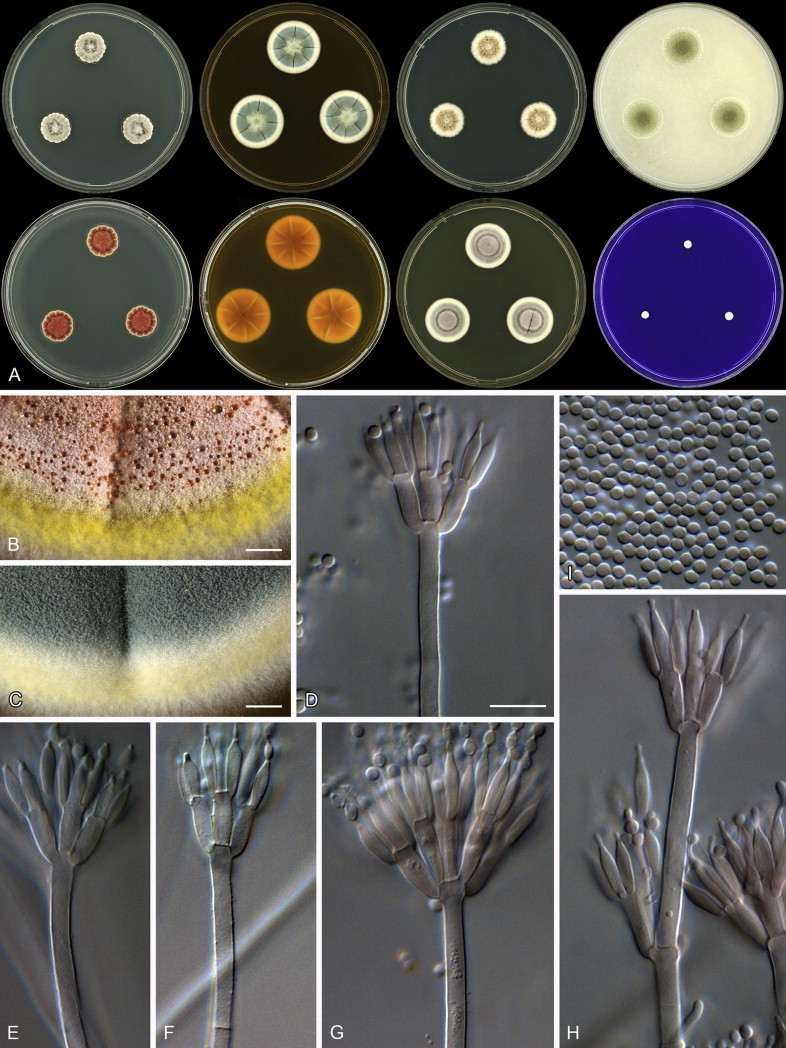
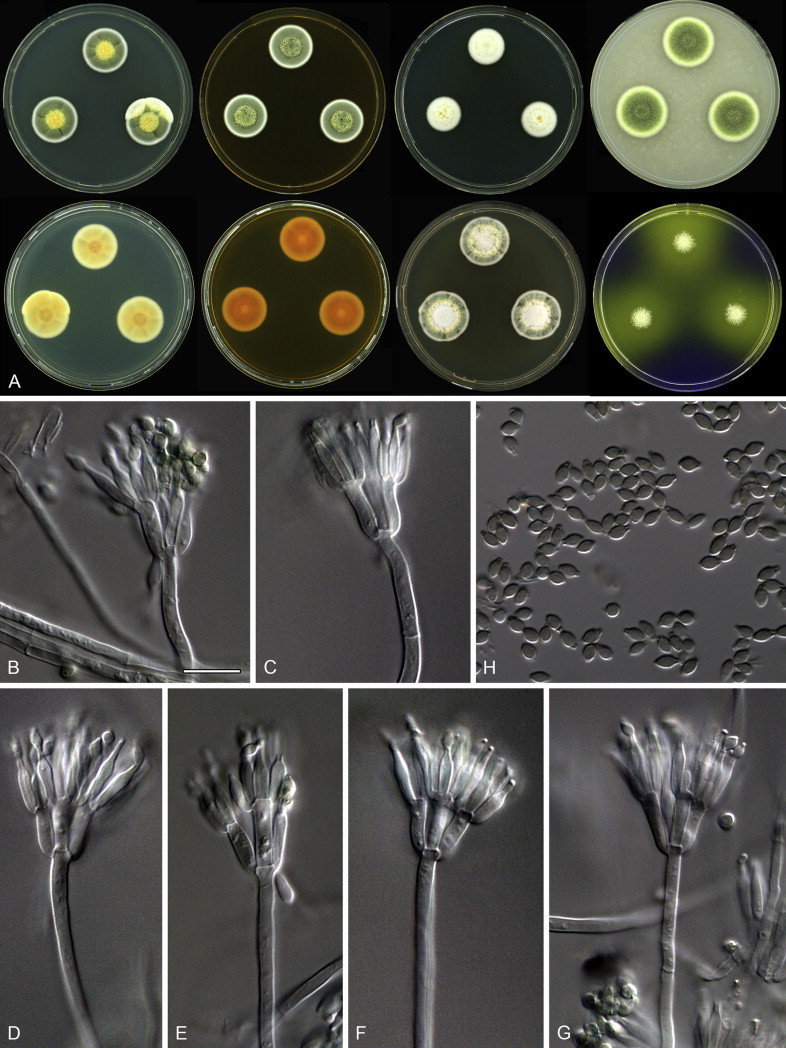
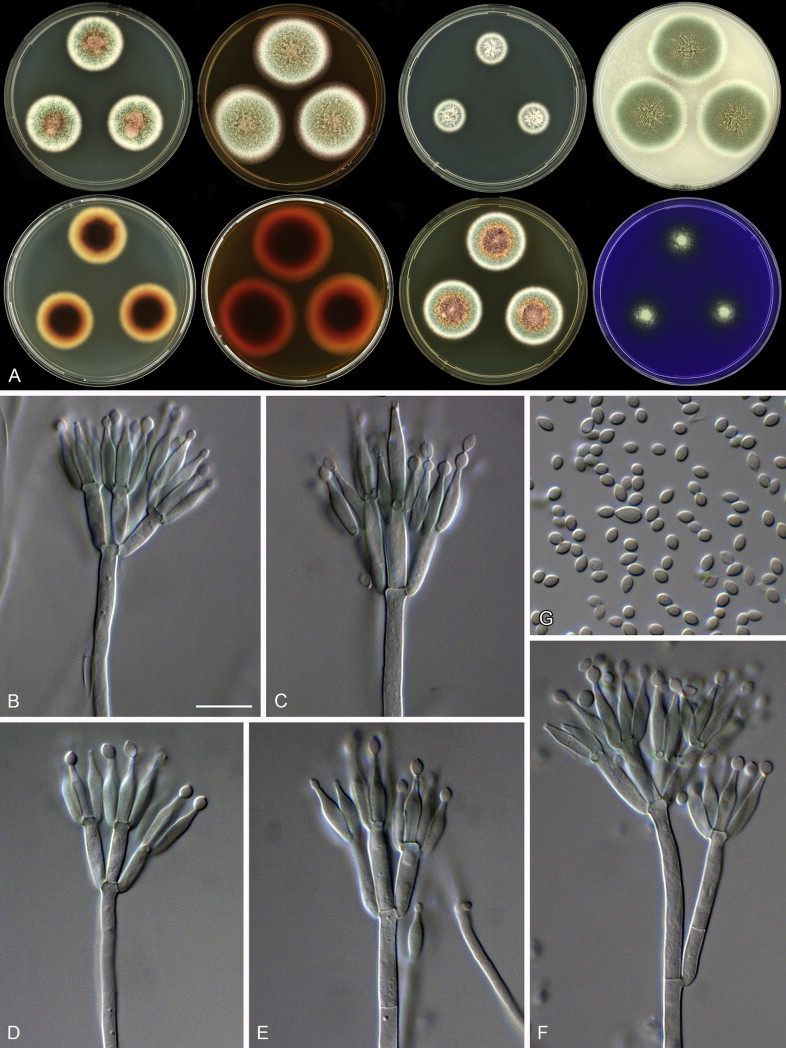
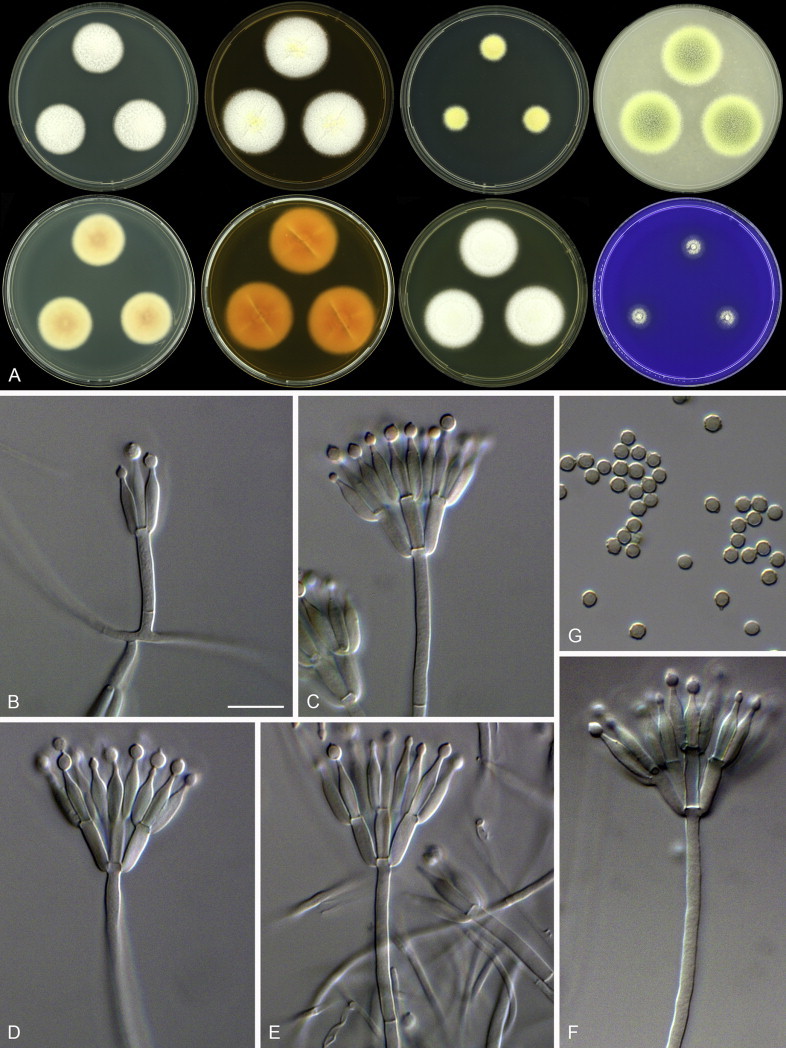
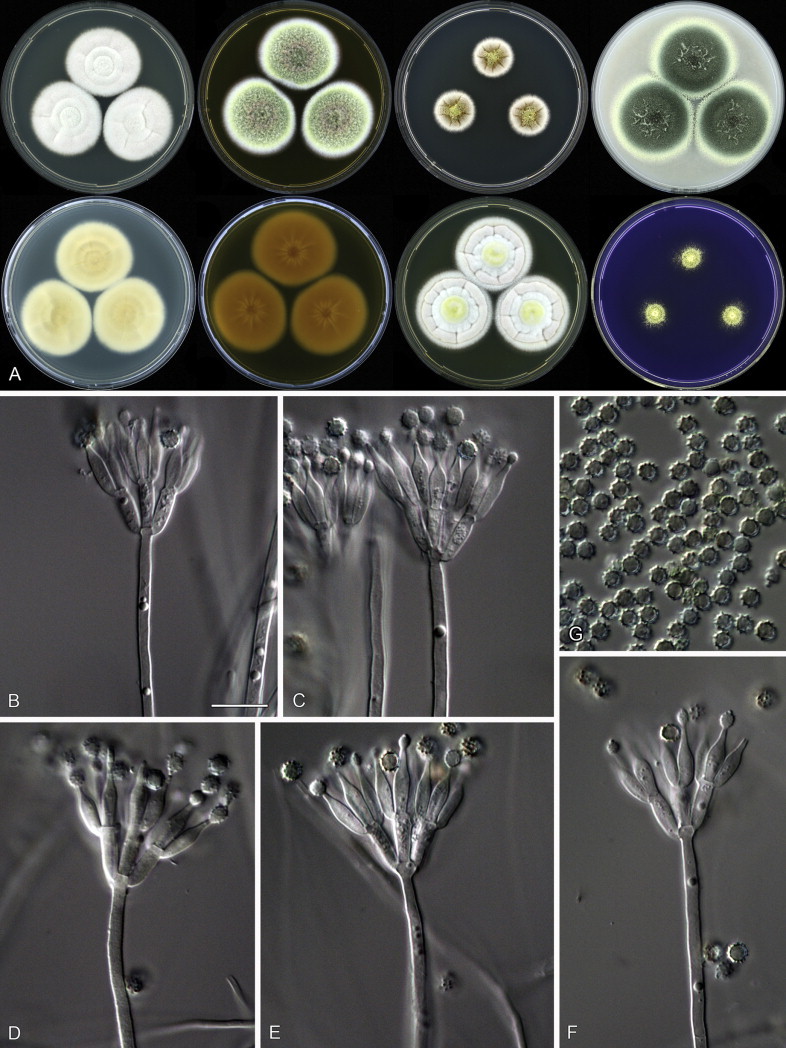
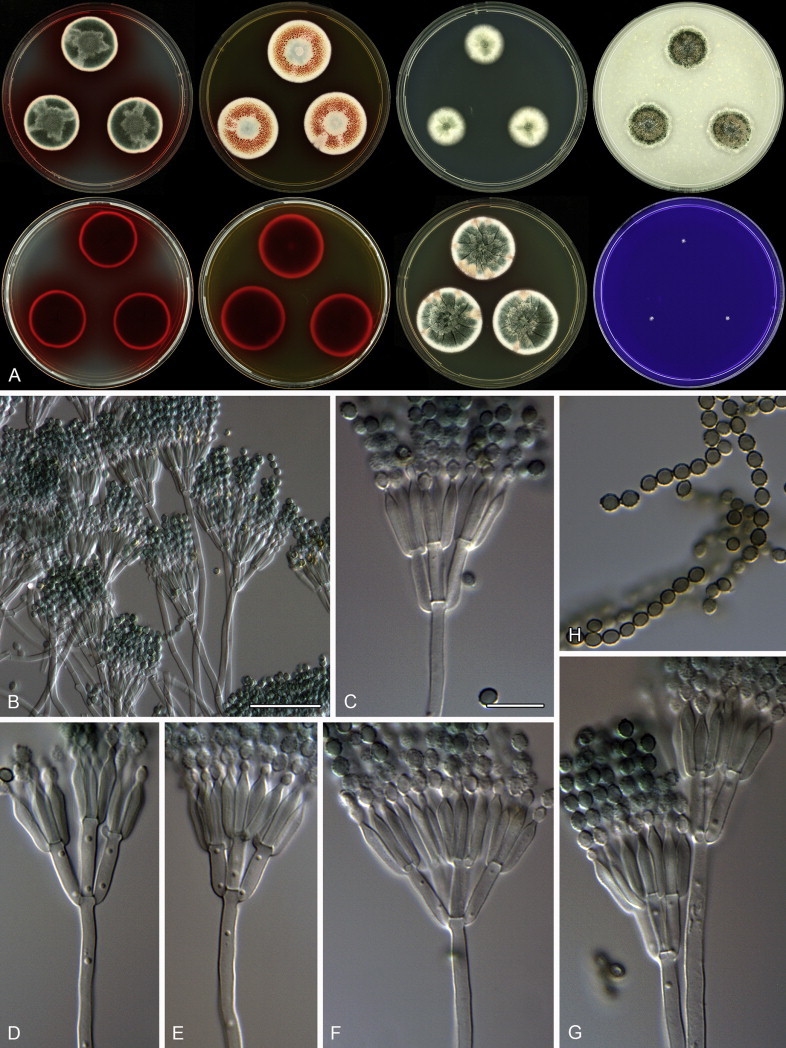
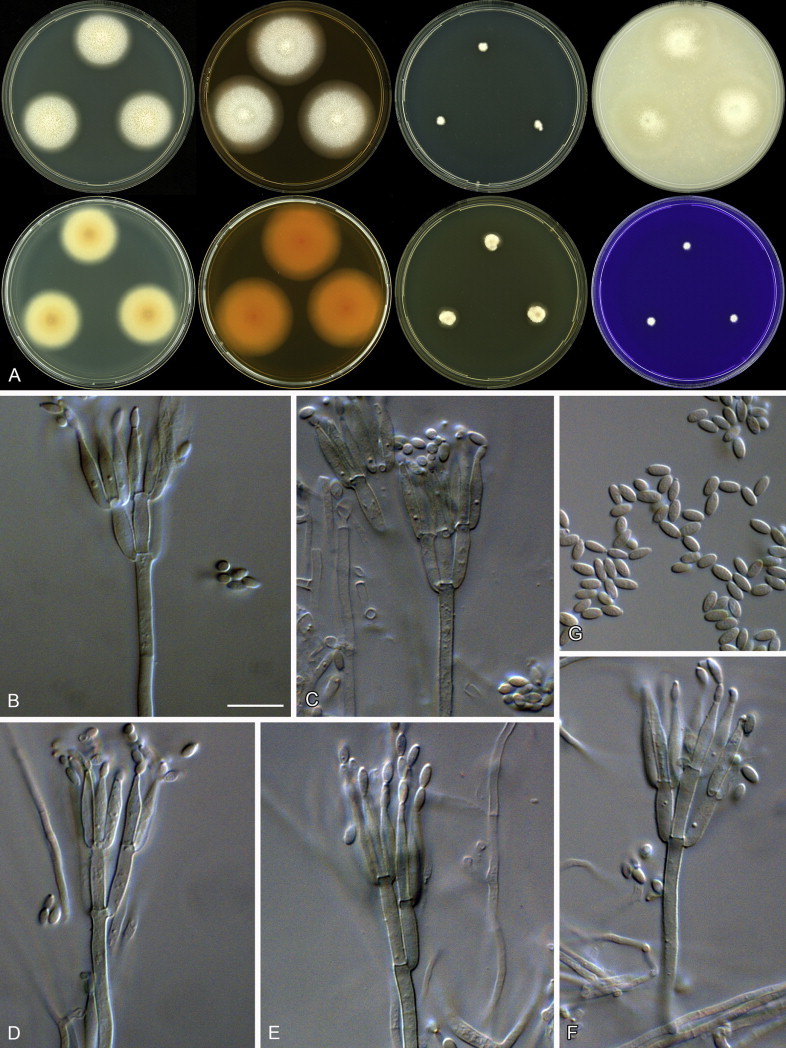
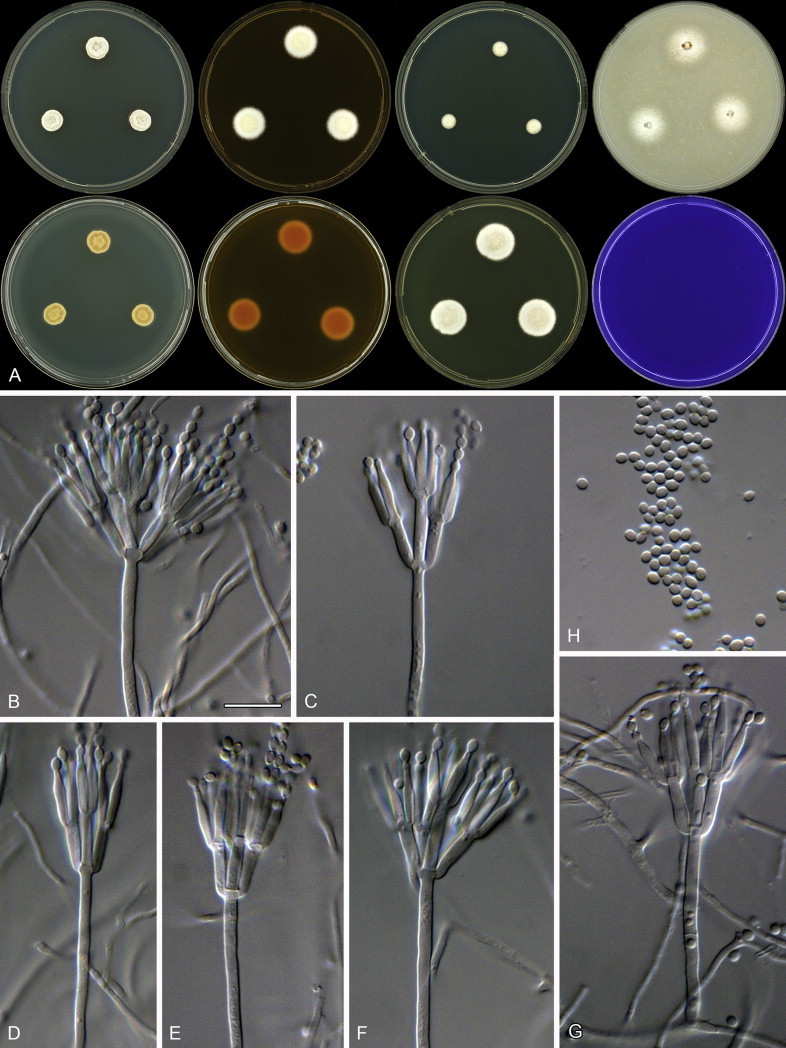
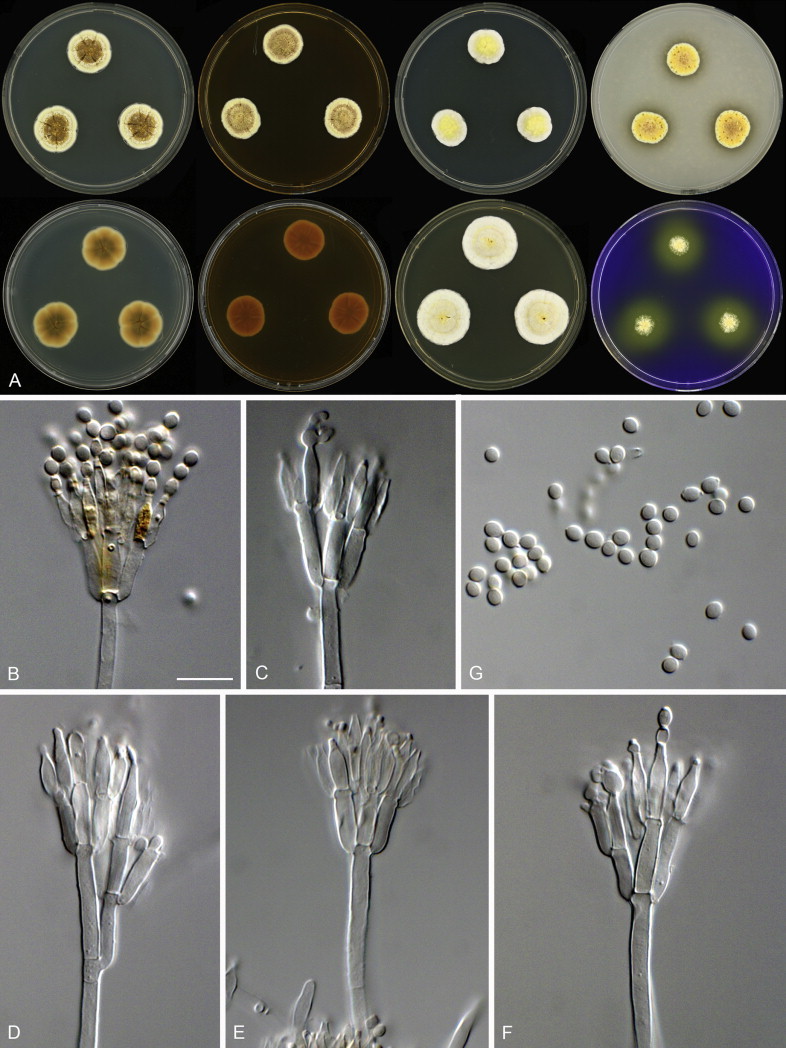
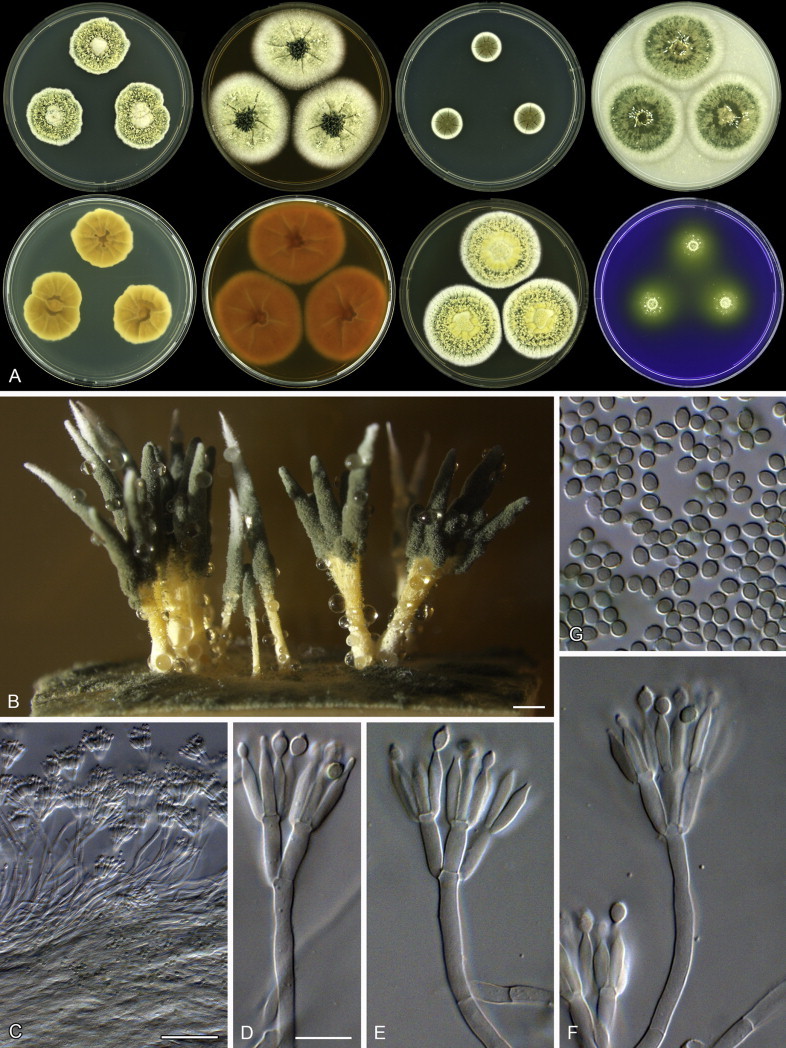
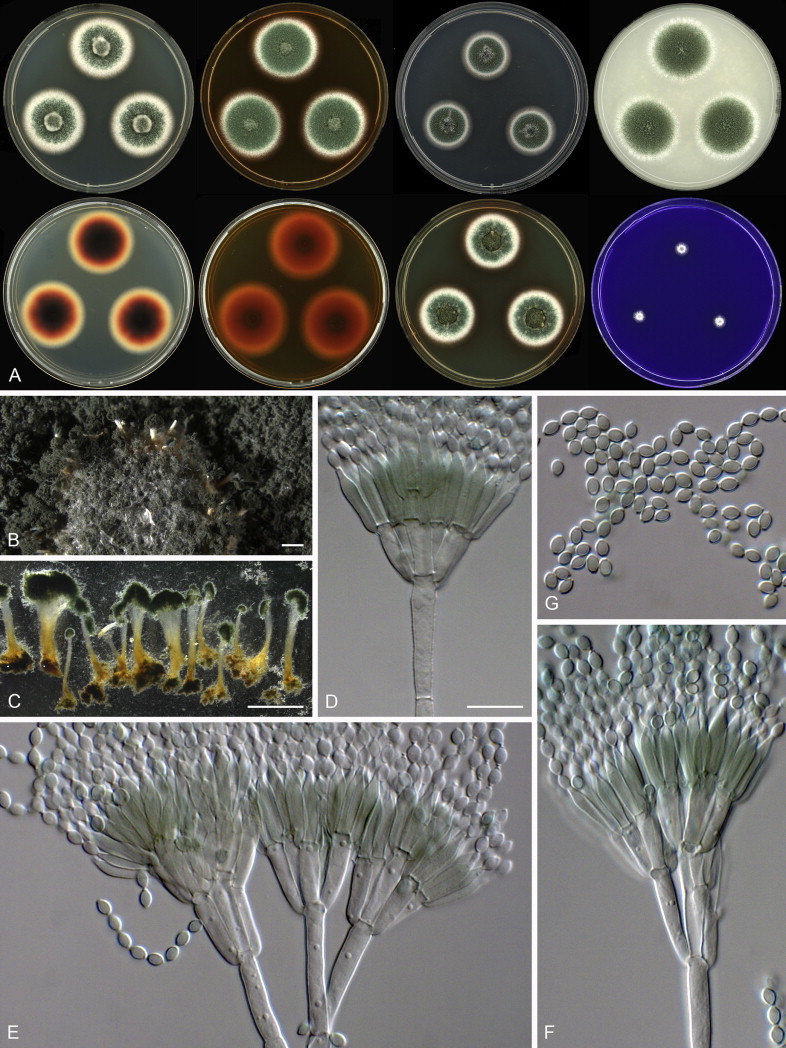
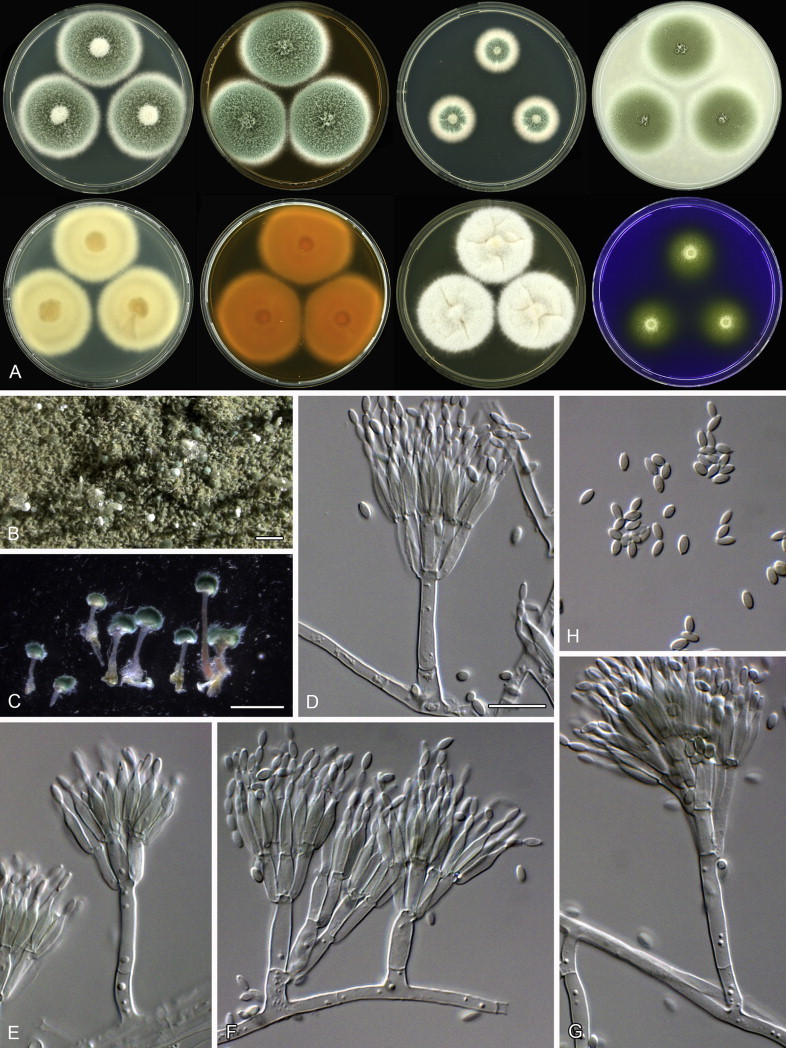
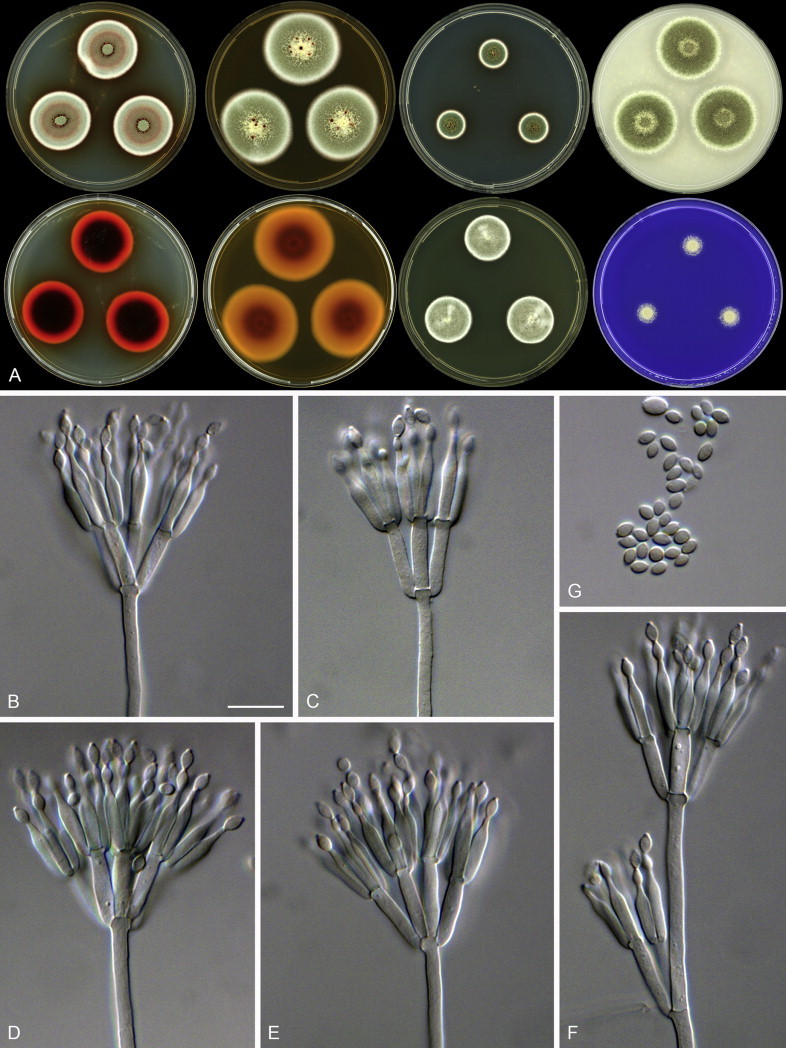
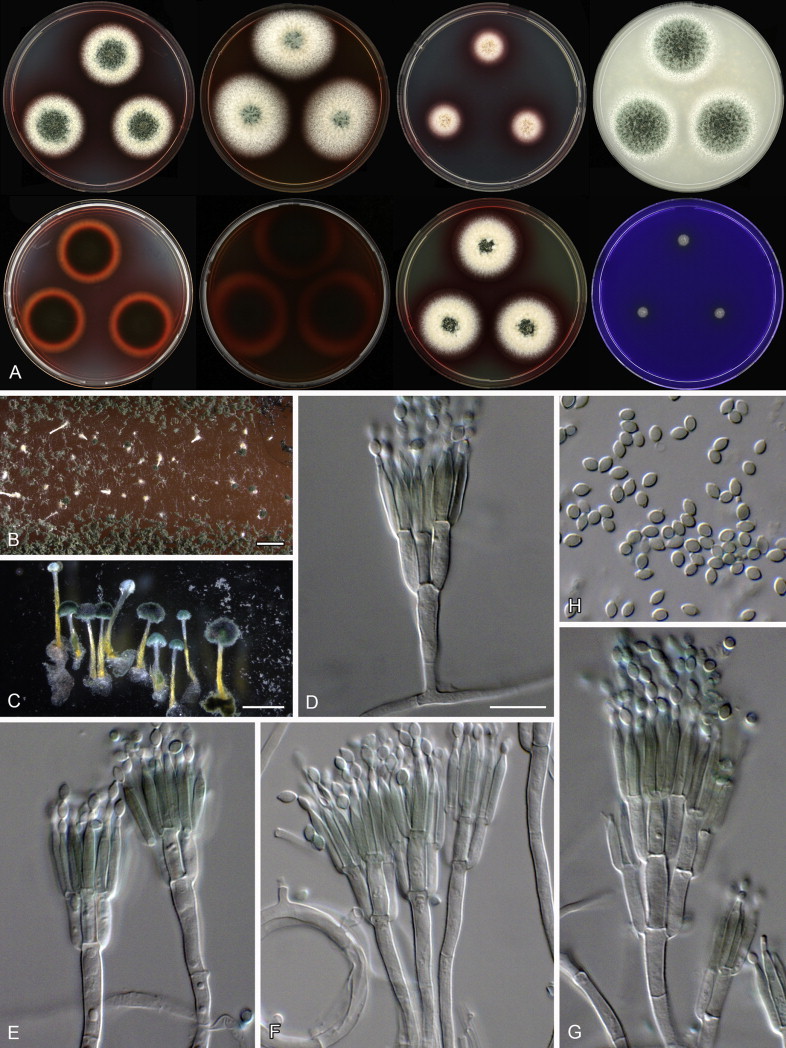
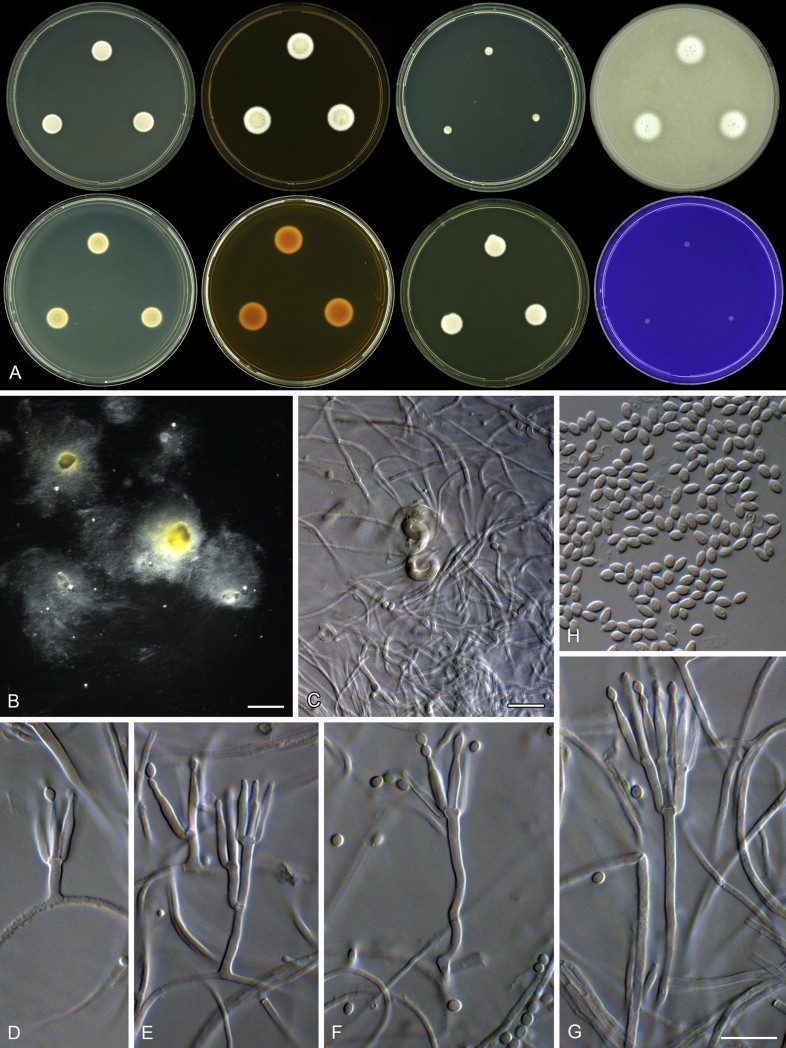
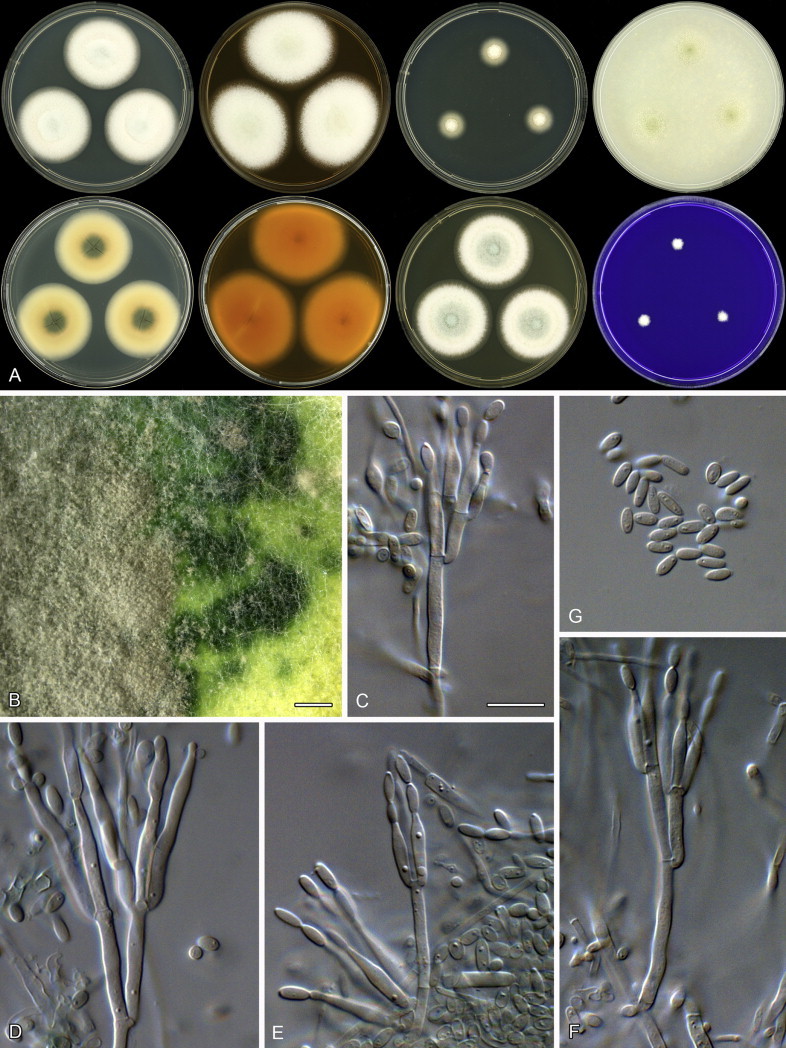
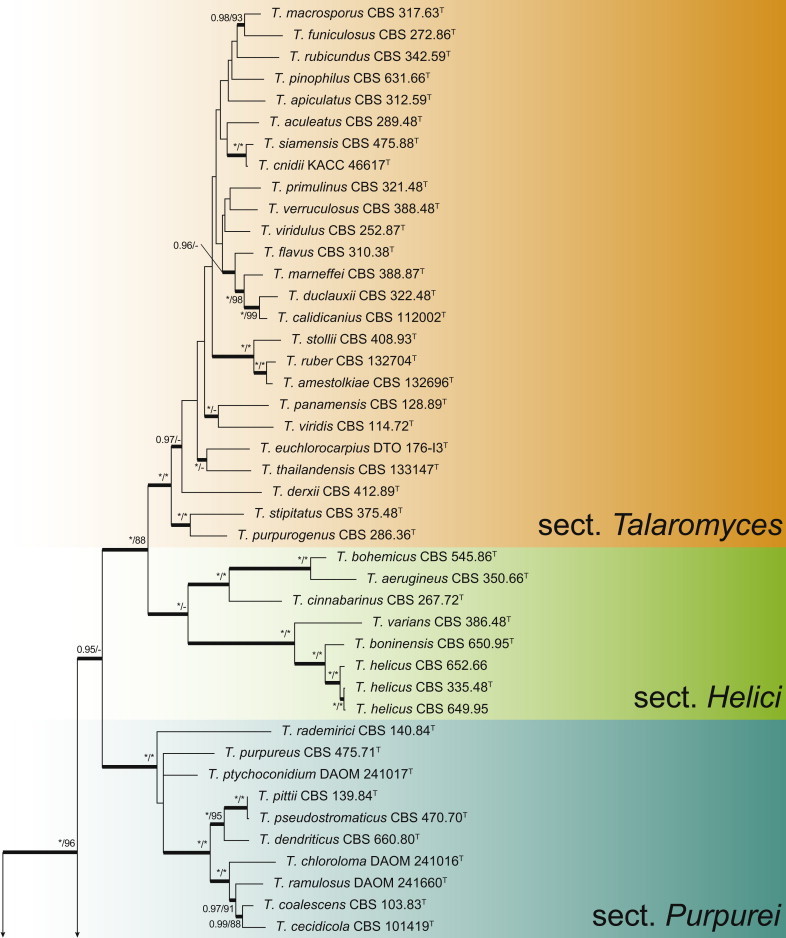
The genus Talaromyces was described by Benjamin in 1955 as a sexual state of Penicillium that produces soft walled ascomata covered with interwoven hyphae. Phylogenetic information revealed that Penicillium subgenus Biverticillium and Talaromyces form a monophyletic clade distinct from the other Penicillium subgenera. Subsequently, in combination with the recent adoption of the one fungus one name concept, Penicillium subgenus Biverticillium was transferred to Talaromyces. At the time, the new combinations were made based only on phylogenetic information. As such, the aim of this study was to provide a monograph on Talaromyces applying a polyphasic species concept, including morphological, molecular and physiological characters. Based on an ITS, BenA and RPB2 multigene phylogeny, we propose a new sectional classification for the genus, placing the 88 accepted species into seven sections, named sections Bacillispori, Helici, Islandici, Purpurei, Subinflati, Talaromyces and Trachyspermi. We provide morphological descriptions for each of these species, as well as notes on their identification using morphology and DNA sequences. For molecular identification, BenA is proposed as a secondary molecular marker to the accepted ITS barcode for fungi.

摘要

拟青霉属由本杰明于1955年描述为青霉属的有性态,其产生覆盖有交织菌丝的软壁子囊果。系统发育信息表明,双轮青霉亚属和拟青霉属形成一个与其他青霉亚属不同的单系分支。随后,结合最近采用的“一种真菌一个名称”的概念,双轮青霉亚属被转移到拟青霉属。当时,新组合仅基于系统发育信息。因此,本研究的目的是应用多相物种概念编写一本关于拟青霉属的专著,包括形态、分子和生理特征。基于内转录间隔区(ITS)、β-微管蛋白基因(BenA)和RNA聚合酶II第二大亚基基因(RPB2)的多基因系统发育,我们为该属提出了一个新的组分类,将88个已接受的物种归入七个组,分别命名为芽孢组、螺旋组、冰岛组、紫色组、近膨组、拟青霉组和糙籽组。我们提供了这些物种的形态描述,以及使用形态学和DNA序列进行鉴定的说明。对于分子鉴定,建议将BenA作为真菌公认的ITS条形码的二级分子标记。
https://cdn.ncbi.nlm.nih.gov/pmc/blobs/8c1e/4255554/6b5eb2ca9d96/gr49.jpg
https://cdn.ncbi.nlm.nih.gov/pmc/blobs/8c1e/4255554/599f9b84a0a0/gr1a.jpg
https://cdn.ncbi.nlm.nih.gov/pmc/blobs/8c1e/4255554/ade7e19553b6/gr2a.jpg
https://cdn.ncbi.nlm.nih.gov/pmc/blobs/8c1e/4255554/d91918f8a8f9/gr3.jpg
https://cdn.ncbi.nlm.nih.gov/pmc/blobs/8c1e/4255554/a509171380ca/gr4.jpg
https://cdn.ncbi.nlm.nih.gov/pmc/blobs/8c1e/4255554/7c98990cf3a0/gr5.jpg
https://cdn.ncbi.nlm.nih.gov/pmc/blobs/8c1e/4255554/9709637f0190/gr6.jpg
https://cdn.ncbi.nlm.nih.gov/pmc/blobs/8c1e/4255554/c0aea8490182/gr7.jpg
https://cdn.ncbi.nlm.nih.gov/pmc/blobs/8c1e/4255554/078f3e7781f1/gr8.jpg
https://cdn.ncbi.nlm.nih.gov/pmc/blobs/8c1e/4255554/b48432436392/gr9.jpg
https://cdn.ncbi.nlm.nih.gov/pmc/blobs/8c1e/4255554/2435b55c8eb7/gr10.jpg
https://cdn.ncbi.nlm.nih.gov/pmc/blobs/8c1e/4255554/7f916eb9e07d/gr11.jpg
https://cdn.ncbi.nlm.nih.gov/pmc/blobs/8c1e/4255554/6c16e0414d01/gr12.jpg
https://cdn.ncbi.nlm.nih.gov/pmc/blobs/8c1e/4255554/c57b2a9250fb/gr13.jpg
https://cdn.ncbi.nlm.nih.gov/pmc/blobs/8c1e/4255554/aaafcceb1a44/gr14.jpg
https://cdn.ncbi.nlm.nih.gov/pmc/blobs/8c1e/4255554/42480263f8a7/gr15.jpg
https://cdn.ncbi.nlm.nih.gov/pmc/blobs/8c1e/4255554/88c3a7f3f8a1/gr16.jpg
https://cdn.ncbi.nlm.nih.gov/pmc/blobs/8c1e/4255554/d6bbe455d45a/gr17.jpg
https://cdn.ncbi.nlm.nih.gov/pmc/blobs/8c1e/4255554/dba7e412700a/gr18.jpg
https://cdn.ncbi.nlm.nih.gov/pmc/blobs/8c1e/4255554/1d943987c1c3/gr19.jpg
https://cdn.ncbi.nlm.nih.gov/pmc/blobs/8c1e/4255554/1a55f11473b7/gr20.jpg
https://cdn.ncbi.nlm.nih.gov/pmc/blobs/8c1e/4255554/fc667e5e6fa8/gr21.jpg
https://cdn.ncbi.nlm.nih.gov/pmc/blobs/8c1e/4255554/d912bf844558/gr22.jpg
https://cdn.ncbi.nlm.nih.gov/pmc/blobs/8c1e/4255554/a95eef3454a6/gr23.jpg
https://cdn.ncbi.nlm.nih.gov/pmc/blobs/8c1e/4255554/3a7de6598ee9/gr24.jpg
https://cdn.ncbi.nlm.nih.gov/pmc/blobs/8c1e/4255554/56fc74293602/gr25.jpg
https://cdn.ncbi.nlm.nih.gov/pmc/blobs/8c1e/4255554/349d0e1a2bd7/gr26.jpg
https://cdn.ncbi.nlm.nih.gov/pmc/blobs/8c1e/4255554/1a2aab1469e5/gr27.jpg
https://cdn.ncbi.nlm.nih.gov/pmc/blobs/8c1e/4255554/72f6551a5541/gr28.jpg
https://cdn.ncbi.nlm.nih.gov/pmc/blobs/8c1e/4255554/8afe94274de8/gr29.jpg
https://cdn.ncbi.nlm.nih.gov/pmc/blobs/8c1e/4255554/b1638489b6da/gr31.jpg
https://cdn.ncbi.nlm.nih.gov/pmc/blobs/8c1e/4255554/98101838be09/gr32.jpg
https://cdn.ncbi.nlm.nih.gov/pmc/blobs/8c1e/4255554/b699ef5ab00e/gr33.jpg
https://cdn.ncbi.nlm.nih.gov/pmc/blobs/8c1e/4255554/486350ad9edf/gr34.jpg
https://cdn.ncbi.nlm.nih.gov/pmc/blobs/8c1e/4255554/d1a73999d57b/gr35.jpg
https://cdn.ncbi.nlm.nih.gov/pmc/blobs/8c1e/4255554/901b15ebe940/gr36.jpg
https://cdn.ncbi.nlm.nih.gov/pmc/blobs/8c1e/4255554/c601e788ee16/gr37.jpg
https://cdn.ncbi.nlm.nih.gov/pmc/blobs/8c1e/4255554/3d3e99f4d4eb/gr38.jpg
https://cdn.ncbi.nlm.nih.gov/pmc/blobs/8c1e/4255554/2afda33546f3/gr40.jpg
https://cdn.ncbi.nlm.nih.gov/pmc/blobs/8c1e/4255554/72888f5341cf/gr41.jpg
https://cdn.ncbi.nlm.nih.gov/pmc/blobs/8c1e/4255554/ecda1bba7bec/gr43.jpg
https://cdn.ncbi.nlm.nih.gov/pmc/blobs/8c1e/4255554/c046f0692679/gr44.jpg
https://cdn.ncbi.nlm.nih.gov/pmc/blobs/8c1e/4255554/6eae6d8459d7/gr46.jpg
https://cdn.ncbi.nlm.nih.gov/pmc/blobs/8c1e/4255554/a1215f2219c4/gr47.jpg
https://cdn.ncbi.nlm.nih.gov/pmc/blobs/8c1e/4255554/6b5eb2ca9d96/gr49.jpg
https://cdn.ncbi.nlm.nih.gov/pmc/blobs/8c1e/4255554/599f9b84a0a0/gr1a.jpg
https://cdn.ncbi.nlm.nih.gov/pmc/blobs/8c1e/4255554/ade7e19553b6/gr2a.jpg
https://cdn.ncbi.nlm.nih.gov/pmc/blobs/8c1e/4255554/d91918f8a8f9/gr3.jpg
https://cdn.ncbi.nlm.nih.gov/pmc/blobs/8c1e/4255554/a509171380ca/gr4.jpg
https://cdn.ncbi.nlm.nih.gov/pmc/blobs/8c1e/4255554/7c98990cf3a0/gr5.jpg
https://cdn.ncbi.nlm.nih.gov/pmc/blobs/8c1e/4255554/9709637f0190/gr6.jpg
https://cdn.ncbi.nlm.nih.gov/pmc/blobs/8c1e/4255554/c0aea8490182/gr7.jpg
https://cdn.ncbi.nlm.nih.gov/pmc/blobs/8c1e/4255554/078f3e7781f1/gr8.jpg
https://cdn.ncbi.nlm.nih.gov/pmc/blobs/8c1e/4255554/b48432436392/gr9.jpg
https://cdn.ncbi.nlm.nih.gov/pmc/blobs/8c1e/4255554/2435b55c8eb7/gr10.jpg
https://cdn.ncbi.nlm.nih.gov/pmc/blobs/8c1e/4255554/7f916eb9e07d/gr11.jpg
https://cdn.ncbi.nlm.nih.gov/pmc/blobs/8c1e/4255554/6c16e0414d01/gr12.jpg
https://cdn.ncbi.nlm.nih.gov/pmc/blobs/8c1e/4255554/c57b2a9250fb/gr13.jpg
https://cdn.ncbi.nlm.nih.gov/pmc/blobs/8c1e/4255554/aaafcceb1a44/gr14.jpg
https://cdn.ncbi.nlm.nih.gov/pmc/blobs/8c1e/4255554/42480263f8a7/gr15.jpg
https://cdn.ncbi.nlm.nih.gov/pmc/blobs/8c1e/4255554/88c3a7f3f8a1/gr16.jpg
https://cdn.ncbi.nlm.nih.gov/pmc/blobs/8c1e/4255554/d6bbe455d45a/gr17.jpg
https://cdn.ncbi.nlm.nih.gov/pmc/blobs/8c1e/4255554/dba7e412700a/gr18.jpg
https://cdn.ncbi.nlm.nih.gov/pmc/blobs/8c1e/4255554/1d943987c1c3/gr19.jpg
https://cdn.ncbi.nlm.nih.gov/pmc/blobs/8c1e/4255554/1a55f11473b7/gr20.jpg
https://cdn.ncbi.nlm.nih.gov/pmc/blobs/8c1e/4255554/fc667e5e6fa8/gr21.jpg
https://cdn.ncbi.nlm.nih.gov/pmc/blobs/8c1e/4255554/d912bf844558/gr22.jpg
https://cdn.ncbi.nlm.nih.gov/pmc/blobs/8c1e/4255554/a95eef3454a6/gr23.jpg
https://cdn.ncbi.nlm.nih.gov/pmc/blobs/8c1e/4255554/3a7de6598ee9/gr24.jpg
https://cdn.ncbi.nlm.nih.gov/pmc/blobs/8c1e/4255554/56fc74293602/gr25.jpg
https://cdn.ncbi.nlm.nih.gov/pmc/blobs/8c1e/4255554/349d0e1a2bd7/gr26.jpg
https://cdn.ncbi.nlm.nih.gov/pmc/blobs/8c1e/4255554/1a2aab1469e5/gr27.jpg
https://cdn.ncbi.nlm.nih.gov/pmc/blobs/8c1e/4255554/72f6551a5541/gr28.jpg
https://cdn.ncbi.nlm.nih.gov/pmc/blobs/8c1e/4255554/8afe94274de8/gr29.jpg
https://cdn.ncbi.nlm.nih.gov/pmc/blobs/8c1e/4255554/b1638489b6da/gr31.jpg
https://cdn.ncbi.nlm.nih.gov/pmc/blobs/8c1e/4255554/98101838be09/gr32.jpg
https://cdn.ncbi.nlm.nih.gov/pmc/blobs/8c1e/4255554/b699ef5ab00e/gr33.jpg
https://cdn.ncbi.nlm.nih.gov/pmc/blobs/8c1e/4255554/486350ad9edf/gr34.jpg
https://cdn.ncbi.nlm.nih.gov/pmc/blobs/8c1e/4255554/d1a73999d57b/gr35.jpg
https://cdn.ncbi.nlm.nih.gov/pmc/blobs/8c1e/4255554/901b15ebe940/gr36.jpg
https://cdn.ncbi.nlm.nih.gov/pmc/blobs/8c1e/4255554/c601e788ee16/gr37.jpg
https://cdn.ncbi.nlm.nih.gov/pmc/blobs/8c1e/4255554/3d3e99f4d4eb/gr38.jpg
https://cdn.ncbi.nlm.nih.gov/pmc/blobs/8c1e/4255554/2afda33546f3/gr40.jpg
https://cdn.ncbi.nlm.nih.gov/pmc/blobs/8c1e/4255554/72888f5341cf/gr41.jpg
https://cdn.ncbi.nlm.nih.gov/pmc/blobs/8c1e/4255554/ecda1bba7bec/gr43.jpg
https://cdn.ncbi.nlm.nih.gov/pmc/blobs/8c1e/4255554/c046f0692679/gr44.jpg
https://cdn.ncbi.nlm.nih.gov/pmc/blobs/8c1e/4255554/6eae6d8459d7/gr46.jpg
https://cdn.ncbi.nlm.nih.gov/pmc/blobs/8c1e/4255554/a1215f2219c4/gr47.jpg
https://cdn.ncbi.nlm.nih.gov/pmc/blobs/8c1e/4255554/6b5eb2ca9d96/gr49.jpg

相似文献

1
Polyphasic taxonomy of the genus Talaromyces.青霉属的多相分类学。
Stud Mycol. 2014 Jun;78:175-341. doi: 10.1016/j.simyco.2014.08.001.
2
Phylogeny and nomenclature of the genus Talaromyces and taxa accommodated in Penicillium subgenus Biverticillium.塔玛尔青霉属的系统发育和命名及归入青霉属毕赤酵母亚属中的分类单元。
Stud Mycol. 2011 Nov 15;70(1):159-83. doi: 10.3114/sim.2011.70.04.
3
Classification of , , and related genera (): An overview of families, genera, subgenera, sections, series and species.[具体属名]、[具体属名]、[具体属名]及相关属的分类([具体分类级别]):科、属、亚属、组、系及物种概述
Stud Mycol. 2020 Jun 27;95:5-169. doi: 10.1016/j.simyco.2020.05.002. eCollection 2020 Mar.
4
Discovery and Extrolite Production of Three New Species of Belonging to Sections and from Freshwater in Korea.韩国淡水中属于[具体部分名称未给出]和[具体部分名称未给出]的三个新物种的发现及次生代谢产物的产生
J Fungi (Basel). 2021 Sep 3;7(9):722. doi: 10.3390/jof7090722.
5
New species from indoor environments in China.来自中国室内环境的新物种。
Stud Mycol. 2016 Jun;84:119-144. doi: 10.1016/j.simyco.2016.11.003. Epub 2016 Nov 22.
6
Taxonomy and evolution of , and in the omics era - Past, present and future.组学时代中[具体内容缺失]、[具体内容缺失]和[具体内容缺失]的分类学与进化——过去、现在与未来
Comput Struct Biotechnol J. 2018 May 31;16:197-210. doi: 10.1016/j.csbj.2018.05.003. eCollection 2018.
7
New section and species in .新的章节和物种于……中
MycoKeys. 2020 Jul 7;68:75-113. doi: 10.3897/mycokeys.68.52092. eCollection 2020.
8
Three new species of sect. discovered in China.在中国发现的三个新种隶属于 组。
PeerJ. 2024 Oct 11;12:e18253. doi: 10.7717/peerj.18253. eCollection 2024.
9
Phylogeny of Penicillium and the segregation of Trichocomaceae into three families.青霉的系统发育和拟青霉科分为三个科。
Stud Mycol. 2011 Nov 15;70(1):1-51. doi: 10.3114/sim.2011.70.01.
10
New Penicillium and Talaromyces species from honey, pollen and nests of stingless bees.来自无刺蜂蜂蜜、花粉和蜂巢中的新青霉属和拟青霉属物种。
Antonie Van Leeuwenhoek. 2018 Oct;111(10):1883-1912. doi: 10.1007/s10482-018-1081-1. Epub 2018 Apr 13.

引用本文的文献

1
Fungal frontiers in toxic terrain: Revealing culturable fungal communities in Serpentine paddy fields of Taiwan.有毒地带的真菌前沿:揭示台湾蛇纹石稻田中可培养的真菌群落
IMA Fungus. 2025 Jun 27;16:e155308. doi: 10.3897/imafungus.16.155308. eCollection 2025.
2
Fungal Planet description sheets: 1781-1866.真菌星球描述表:1781 - 1866年
Persoonia. 2025 Jun;54:327-587. doi: 10.3114/persoonia.2025.54.10. Epub 2025 Jul 8.
3
Metagenomic Next-Generation Sequencing Unravels Talaromyces Marneffei-Induced Bone Destruction in an HIV-Negative Woman: A Case Report with Fatal Outcome.

本文引用的文献

1
Penicillium Species Associated with Preharvest Wet Core Rot in South Africa and Their Pathogenicity on Apple.与南非采前湿心腐病相关的青霉属菌种及其对苹果的致病性
Plant Dis. 2010 Jun;94(6):666-675. doi: 10.1094/PDIS-94-6-0666.
2
Phylogeny, identification and nomenclature of the genus Aspergillus.曲霉属的系统发育、鉴定与命名
Stud Mycol. 2014 Jun;78:141-73. doi: 10.1016/j.simyco.2014.07.004.
3
Aspergillus, Penicillium and Talaromyces isolated from house dust samples collected around the world.从世界各地采集的房屋灰尘样本中分离出的曲霉属、青霉属和篮状菌属。
宏基因组下一代测序揭示了一名HIV阴性女性中马尔尼菲篮状菌引起的骨破坏:一例致命结局的病例报告
Infect Drug Resist. 2025 Jul 11;18:3481-3486. doi: 10.2147/IDR.S522851. eCollection 2025.
4
Advancing fungal phylogenetics: integrating modern sequencing, dark taxa discovery, and machine learning.推进真菌系统发育学:整合现代测序、未知类群发现与机器学习
Arch Microbiol. 2025 Jul 11;207(9):192. doi: 10.1007/s00203-025-04392-2.
5
Exploring the diversity and pathogenicity of species isolated from clinical in Southern China.探索中国南方临床分离菌株的多样性及致病性。
Front Microbiol. 2025 Jun 26;16:1610481. doi: 10.3389/fmicb.2025.1610481. eCollection 2025.
6
Isolation, identification, and production optimization of natural functional pigments produced by LWT-1.LWT-1 产生的天然功能性色素的分离、鉴定及生产优化
Front Microbiol. 2025 Jun 18;16:1612109. doi: 10.3389/fmicb.2025.1612109. eCollection 2025.
7
Virulence and biological characteristics of Talaromyces wortmannii isolated from deep-seated dermatomycosis by in vitro and in vivo evaluation.通过体外和体内评估对从深部皮肤真菌病分离出的疣孢青霉的毒力和生物学特性进行研究。
BMC Infect Dis. 2025 Jul 1;25(1):884. doi: 10.1186/s12879-025-11261-2.
8
Secretion of antifungal metabolites contributes to the antagonistic activity of .抗真菌代谢产物的分泌有助于……的拮抗活性。 (注:原文中“of”后面缺少具体内容)
Curr Res Microb Sci. 2025 May 15;8:100402. doi: 10.1016/j.crmicr.2025.100402. eCollection 2025.
9
Improved biosynthesis and characteristics of silver nanoparticles using marine endophytic fungi exposed to hypo-osmotic stress.利用暴露于低渗胁迫下的海洋内生真菌改善银纳米颗粒的生物合成及其特性。
Sci Rep. 2025 May 10;15(1):16327. doi: 10.1038/s41598-025-98978-x.
10
An Analysis of the Mycotoxins, Cytotoxicity, and Biodiversity of Airborne Molds Belonging to Genera Isolated from the Zoological Garden.对从动物园分离出的属于某些属的空气传播霉菌的霉菌毒素、细胞毒性和生物多样性的分析。
Pathogens. 2025 Mar 31;14(4):332. doi: 10.3390/pathogens14040332.
Stud Mycol. 2014 Jun;78:63-139. doi: 10.1016/j.simyco.2014.07.002.
4
Development of an unmarked gene deletion system for the filamentous fungi Aspergillus niger and Talaromyces versatilis.用于丝状真菌黑曲霉和多变篮状菌的无标记基因缺失系统的开发。
Appl Environ Microbiol. 2014 Jun;80(11):3484-7. doi: 10.1128/AEM.00625-14. Epub 2014 Mar 28.
5
Four GH11 xylanases from the xylanolytic fungus Talaromyces versatilis act differently on (arabino)xylans.木聚糖酶 GH11 家族的四种来自木聚糖分解真菌塔宾曲霉的木聚糖酶在(阿魏)木聚糖上的作用不同。
Appl Microbiol Biotechnol. 2014;98(14):6339-52. doi: 10.1007/s00253-014-5606-x. Epub 2014 Mar 25.
6
Aggressive dereplication using UHPLC-DAD-QTOF: screening extracts for up to 3000 fungal secondary metabolites.采用 UHPLC-DAD-QTOF 进行激进的去重复化:对多达 3000 种真菌次级代谢产物进行提取物筛选。
Anal Bioanal Chem. 2014 Mar;406(7):1933-43. doi: 10.1007/s00216-013-7582-x. Epub 2014 Jan 18.
7
Modern taxonomy of biotechnologically important Aspergillus and Penicillium species.生物技术重要的曲霉属和青霉属种的现代分类学。
Adv Appl Microbiol. 2014;86:199-249. doi: 10.1016/B978-0-12-800262-9.00004-4.
8
Talaromyces atroroseus, a new species efficiently producing industrially relevant red pigments.黑玫瑰色篮状菌,一种高效生产具有工业相关性红色色素的新物种。
PLoS One. 2013 Dec 19;8(12):e84102. doi: 10.1371/journal.pone.0084102. eCollection 2013.
9
Taxonomic revision of the cellulose-degrading fungus Acremonium cellulolyticus nomen nudum to Talaromyces based on phylogenetic analysis.基于系统发育分析,将纤维素降解真菌裸名解纤维素枝顶孢重新分类为篮状菌属。
FEMS Microbiol Lett. 2014 Feb;351(1):32-41. doi: 10.1111/1574-6968.12352. Epub 2013 Dec 18.
10
Talaromyces columbinus sp. nov., and genealogical concordance analysis in Talaromyces clade 2a.新种哥伦比亚篮状菌以及篮状菌进化枝2a中的系统发育一致性分析
PLoS One. 2013 Oct 30;8(10):e78084. doi: 10.1371/journal.pone.0078084. eCollection 2013.