Hausenblas Heather Ann, Heekin Kacey, Mutchie Heather Lee, Anton Stephen
Department of Kinesiology, Jacksonville University, Jacksonville, Florida 32211, USA.
Department of Aging & Geriatric Research, University of Florida, Gainesville, Florida 32611, USA.
J Integr Med. 2015 Jul;13(4):231-40. doi: 10.1016/S2095-4964(15)60176-5.
Throughout the past three decades, increased scientific attention has been given to examining saffron's (Crocus sativus L.) use as a potential therapeutic or preventive agent for a number of health conditions, including cancer, cardiovascular disease, and depression.
The purpose of this systematic review is to examine and categorize the current state of scientific evidence from randomized controlled trials (RCTs) regarding the efficacy of saffron on psychological/behavioral outcomes.
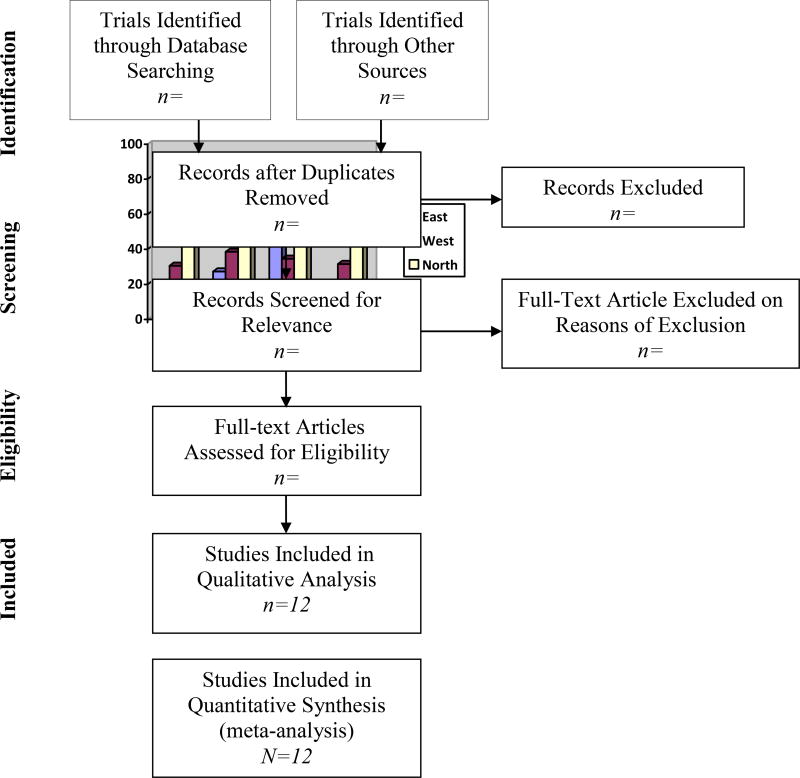
Electronic and non-electronic systematic searches were conducted to identify all relevant human clinical research on saffron. The search strategy was extensive and was designed according to the "Preferred Reporting Items for Systematic Reviews and Meta-Analyses (PRISMA)." Reference lists of articles that met the inclusion criteria were searched. Only English language studies were reviewed.
Saffron trials in combination with other substances and saffron safety studies were considered, in accordance with the PRISMA statement. Included studies must have a control group. Included studies must measure a physiological and/or a behavioral outcome.
The methodological quality of all included studies was independently evaluated by two reviewers using the Jadad score. Mean scores and P-values of measures were compared both inter- and intra-study for each parameter (i.e., depression).
Twelve studies met our inclusion criteria. These studies examined the effects of saffron on psychological/behavioral outcomes of: major depressive disorder (n=6), premenstrual syndrome (n = 1), sexual dysfunction and infertility (n=4), and weight loss/snacking behaviors (n=1). The data from these studies support the efficacy of saffron as compared to placebo in improving the following conditions: depressive symptoms (compared to anti-depressants and placebo), premenstrual symptoms, and sexual dysfunction. In addition, saffron use was also effective in reducing excessive snacking behavior.
Findings from initial clinical trials suggest that saffron may improve the symptoms and the effects of depression, premenstrual syndrome, sexual dysfunction and infertility, and excessive snacking behaviors. Larger multi-site clinical trials are needed to extend these preliminary findings.
在过去三十年中,科学界越来越关注藏红花(番红花)作为多种健康状况(包括癌症、心血管疾病和抑郁症)的潜在治疗或预防药物的用途。
本系统评价的目的是审查和分类来自随机对照试验(RCT)的关于藏红花对心理/行为结果疗效的科学证据的现状。
进行了电子和非电子系统检索,以识别所有关于藏红花的相关人体临床研究。检索策略广泛,并根据“系统评价和荟萃分析的首选报告项目(PRISMA)”进行设计。对符合纳入标准的文章的参考文献列表进行了检索。仅审查了英文研究。
根据PRISMA声明,考虑了藏红花与其他物质联合使用的试验以及藏红花安全性研究。纳入的研究必须有一个对照组。纳入的研究必须测量生理和/或行为结果。
两位评审员使用Jadad评分独立评估所有纳入研究的方法学质量。对每个参数(即抑郁症)在研究间和研究内比较测量的平均得分和P值。
十二项研究符合我们的纳入标准。这些研究考察了藏红花对以下心理/行为结果的影响:重度抑郁症(n = 6)、经前综合征(n = 1)、性功能障碍和不孕症(n = 4)以及体重减轻/零食行为(n = 1)。这些研究的数据支持藏红花与安慰剂相比在改善以下状况方面的疗效:抑郁症状(与抗抑郁药和安慰剂相比)、经前症状和性功能障碍。此外,使用藏红花在减少过度零食行为方面也有效。
初步临床试验的结果表明,藏红花可能改善抑郁症、经前综合征、性功能障碍和不孕症以及过度零食行为的症状和影响。需要进行更大规模的多中心临床试验来扩展这些初步发现。