Ahmadi Azin, Zorofchian Moghadamtousi Soheil, Abubakar Sazaly, Zandi Keivan
Department of Medical Microbiology, Tropical Infectious Disease Research and Education Center (TIDREC), Faculty of Medicine, University of Malaya, 50603 Kuala Lumpur, Malaysia.
Biochemistry Program, Institute of Biological Sciences, Faculty of Science, University of Malaya, 50603 Kuala Lumpur, Malaysia.
Biomed Res Int. 2015;2015:825203. doi: 10.1155/2015/825203. Epub 2015 Sep 21.
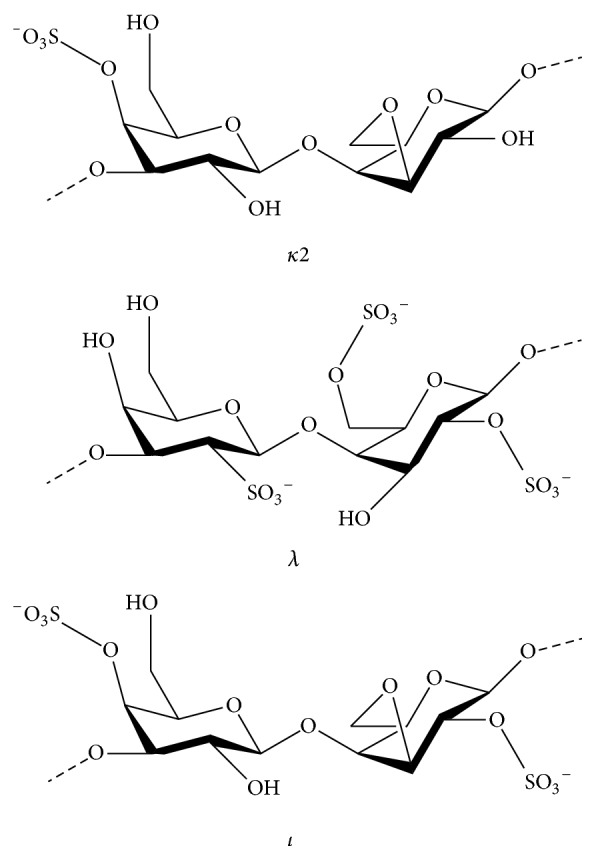
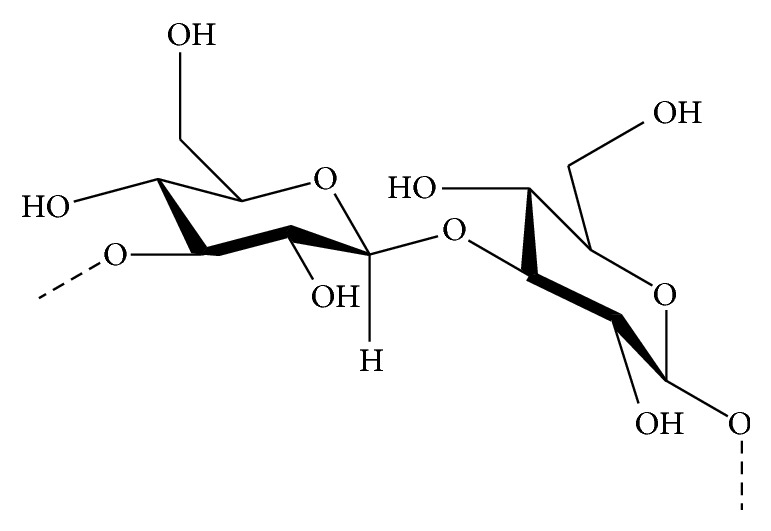
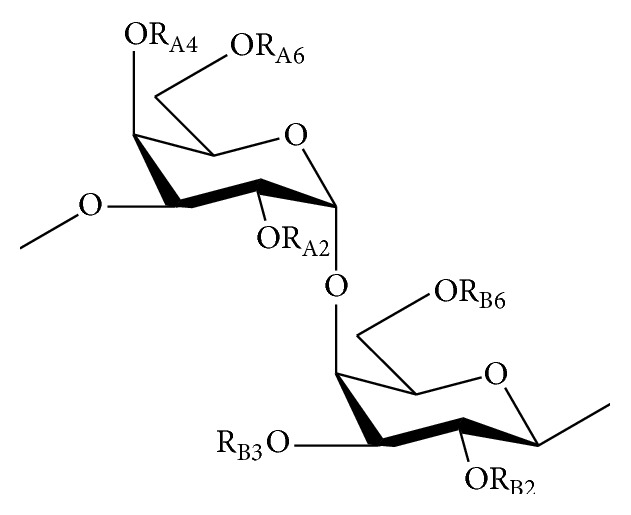
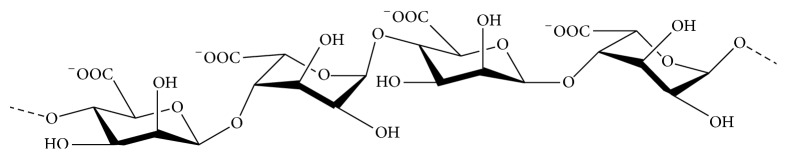
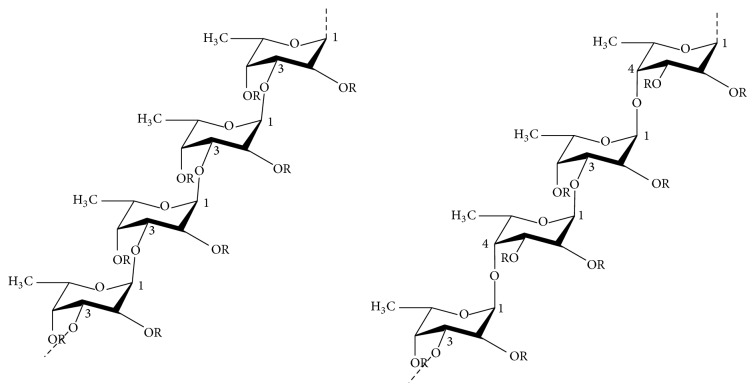
From food to fertilizer, algal derived products are largely employed in assorted industries, including agricultural, biomedical, food, and pharmaceutical industries. Among different chemical compositions isolated from algae, polysaccharides are the most well-established compounds, which were subjected to a variety of studies due to extensive bioactivities. Over the past few decades, the promising results for antiviral potential of algae-derived polysaccharides have advocated them as inordinate candidates for pharmaceutical research. Numerous studies have isolated various algal polysaccharides possessing antiviral activities, including carrageenan, alginate, fucan, laminaran, and naviculan. In addition, different mechanisms of action have been reported for these polysaccharides, such as inhibiting the binding or internalization of virus into the host cells or suppressing DNA replication and protein synthesis. This review strives for compiling previous antiviral studies of algae-derived polysaccharides and their mechanism of action towards their development as natural antiviral agents for future investigations.
从食品到肥料,藻类衍生产品广泛应用于各行各业,包括农业、生物医学、食品和制药行业。在从藻类中分离出的不同化学成分中,多糖是研究最为充分的化合物,因其具有广泛的生物活性而受到了各种研究。在过去几十年里,藻类衍生多糖的抗病毒潜力取得了令人鼓舞的成果,使其成为药物研究的理想候选对象。众多研究已分离出多种具有抗病毒活性的藻类多糖,包括卡拉胶、藻酸盐、岩藻聚糖、海带多糖和舟形藻多糖。此外,还报道了这些多糖的不同作用机制,如抑制病毒与宿主细胞的结合或内化,或抑制DNA复制和蛋白质合成。本综述旨在汇编以往关于藻类衍生多糖的抗病毒研究及其作用机制,以推动其作为天然抗病毒剂的进一步开发,供未来研究参考。