García-Villalba Rocío, Tomás-Barberán Francisco A, Fança-Berthon Pascale, Roller Marc, Zafrilla Pilar, Issaly Nicolas, García-Conesa María-Teresa
Research Group on Quality, Safety and Bioactivity of Plant Foods, Department Food Science and Technology, Centro de Edafología y Biología Aplicada del Segura (CEBAS)-Consejo Superior de Investigaciones Científicas (CSIC), P. O. Box 164, Campus de Espinardo, Murcia 30100, Spain.
Naturex SA, Site d'AgroParc, BP 1218, 84911 Avignon Cedex 9, France.
Molecules. 2015 Dec 11;20(12):22202-19. doi: 10.3390/molecules201219845.
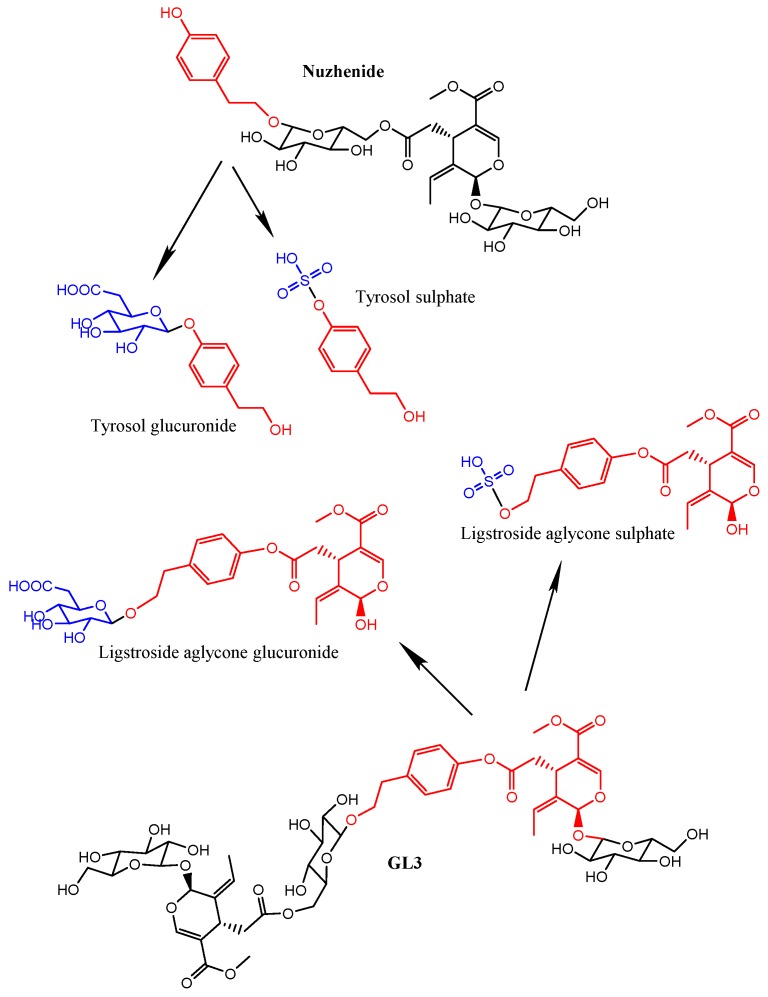
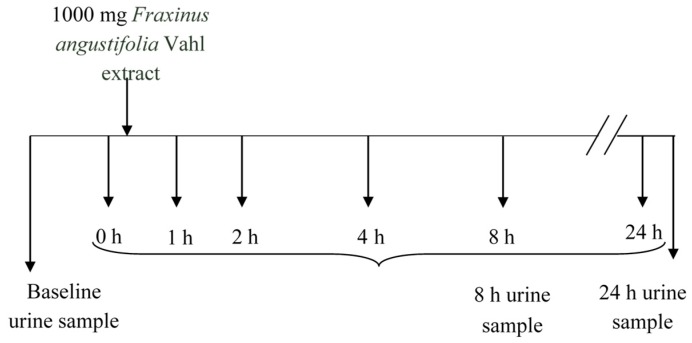
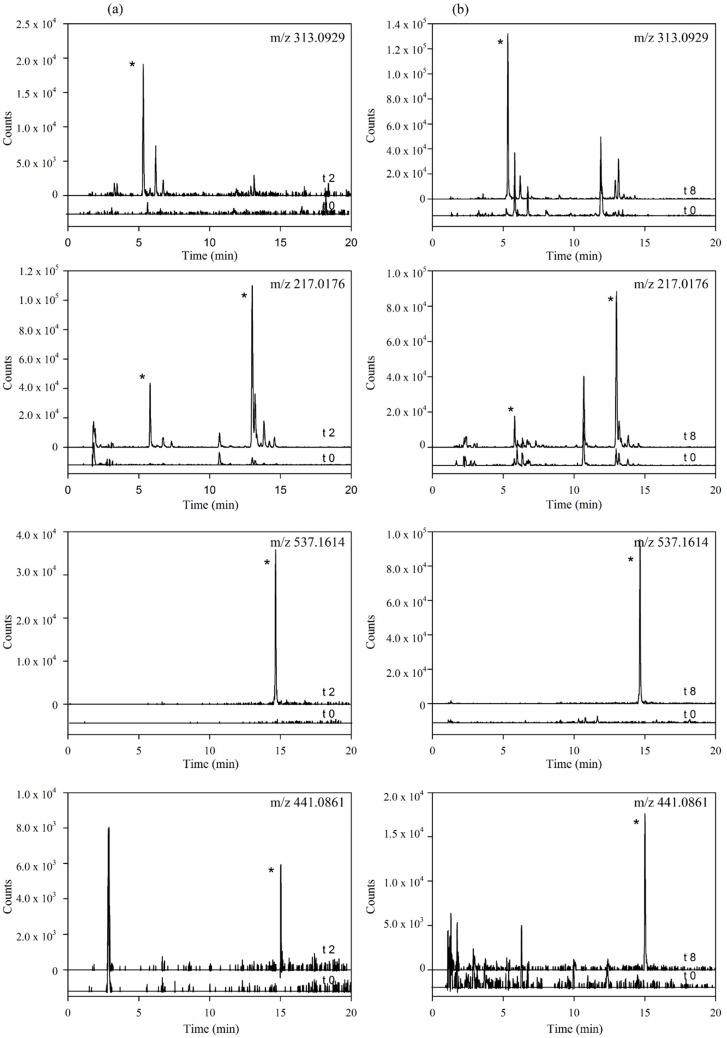
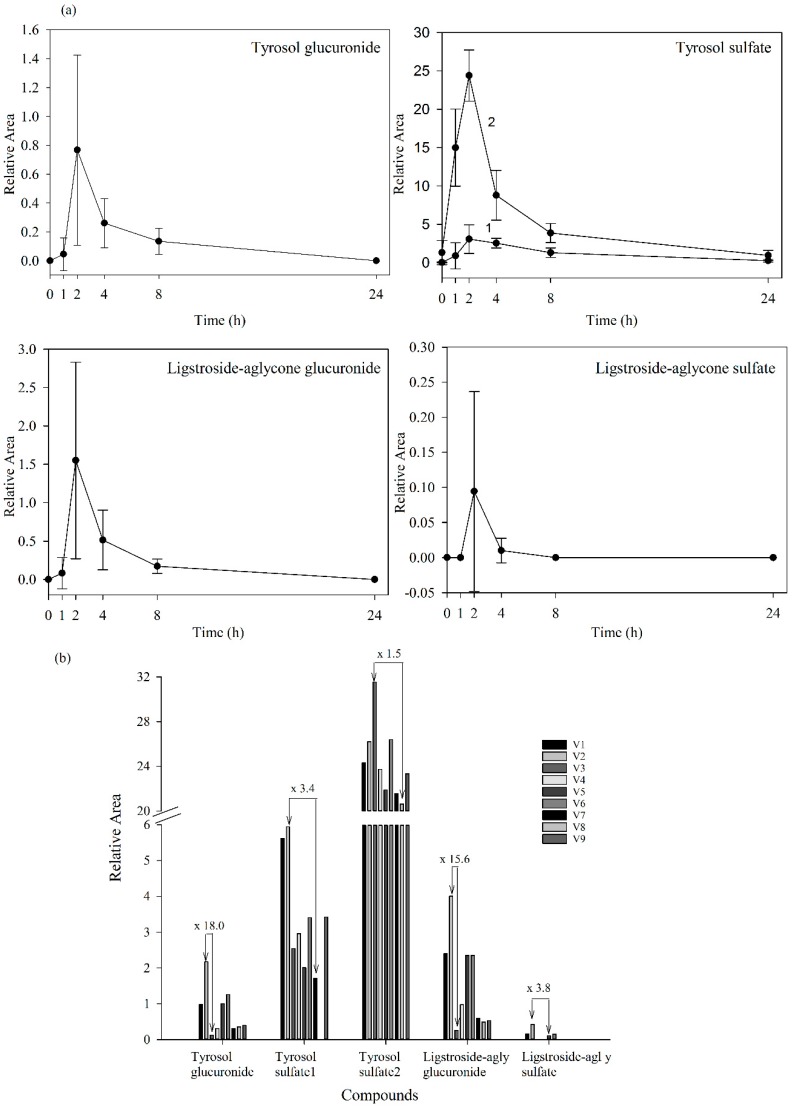
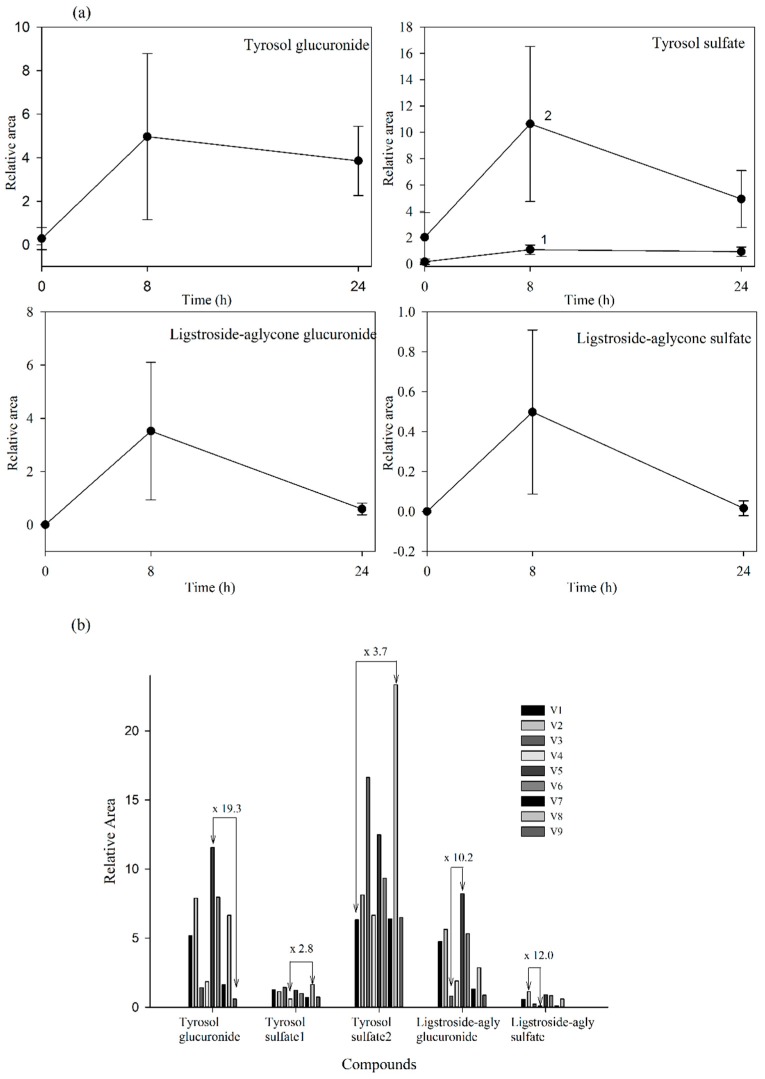
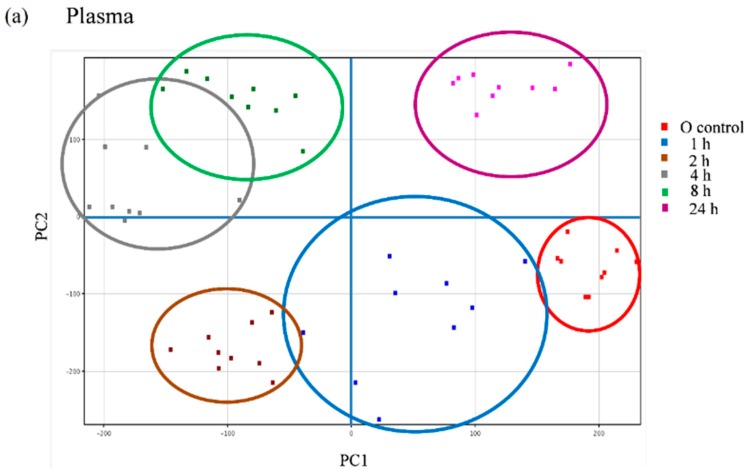
The bark, seeds, fruits and leaves of the genus Fraxinus (Oleaceae) which contain a wide range of phytochemicals, mostly secoiridoid glucosides, have been widely used in folk medicine against a number of ailments, yet little is known about the metabolism and uptake of the major Fraxinus components. The aim of this work was to advance in the knowledge on the bioavailability of the secoiridoids present in a Fraxinus angustifolia Vahl seed/fruit extract using both targeted and untargeted metabolomic analyses. Plasma and urine samples from nine healthy volunteers were taken at specific time intervals following the intake of the extract and analyzed by UPLC-ESI-QTOF. Predicted metabolites such as tyrosol and ligstroside-aglycone glucuronides and sulfates were detected at low intensity. These compounds reached peak plasma levels 2 h after the intake and exhibited high variability among the participants. The ligstroside-aglycone conjugates may be considered as potential biomarkers of the Fraxinus secoiridoids intake. Using the untargeted approach we additionally detected phenolic conjugates identified as ferulic acid and caffeic acid sulfates, as well as hydroxybenzyl and hydroxyphenylacetaldehyde sulfate derivatives which support further metabolism of the secoiridoids by phase I and (or) microbial enzymes. Overall, the results of this study suggest low uptake of intact secoiridoids from a Fraxinus angustifolia Vahl extract in healthy human volunteers and metabolic conversion by esterases, glycosidases, and phase II sulfo- and glucuronosyl transferases to form smaller conjugated derivatives.
木犀科白蜡树属植物的树皮、种子、果实和叶子含有多种植物化学物质,主要是裂环环烯醚萜苷,已在民间医学中广泛用于治疗多种疾病,但对于白蜡树主要成分的代谢和吸收情况却知之甚少。这项工作的目的是通过靶向和非靶向代谢组学分析,进一步了解窄叶白蜡树种子/果实提取物中裂环环烯醚萜类化合物的生物利用度。在9名健康志愿者摄入提取物后的特定时间间隔采集血浆和尿液样本,并通过超高效液相色谱-电喷雾电离-四极杆飞行时间质谱仪进行分析。检测到了酪醇、裂环橄榄苷苷元葡糖醛酸苷和硫酸盐等预测代谢物,但强度较低。这些化合物在摄入后2小时达到血浆峰值水平,且参与者之间存在高度变异性。裂环橄榄苷苷元共轭物可被视为白蜡树裂环环烯醚萜类化合物摄入的潜在生物标志物。使用非靶向方法,我们还检测到了被鉴定为阿魏酸和咖啡酸硫酸盐的酚类共轭物,以及羟基苄基和羟基苯乙醛硫酸盐衍生物,这些物质支持裂环环烯醚萜类化合物通过I相和(或)微生物酶进一步代谢。总体而言,本研究结果表明,健康人类志愿者从窄叶白蜡树提取物中摄取完整裂环环烯醚萜类化合物的量较低,且酯酶、糖苷酶以及II相磺基和葡糖醛酸基转移酶会将其代谢转化为较小的共轭衍生物。