Romão-Dumaresq Aline Silva, Dourado Manuella Nóbrega, Fávaro Léia Cecilia de Lima, Mendes Rodrigo, Ferreira Anderson, Araújo Welington Luiz
Department of Genetics, Escola Superior de Agricultura "Luiz de Queiroz"(ESALQ), University of São Paulo, São Paulo, Brazil.
Laboratory of Molecular Biology and Microbial Ecology, Department of Microbiology, Institute of Biomedical Sciences, University of São Paulo, São Paulo, Brazil.
PLoS One. 2016 Jul 14;11(7):e0158974. doi: 10.1371/journal.pone.0158974. eCollection 2016.
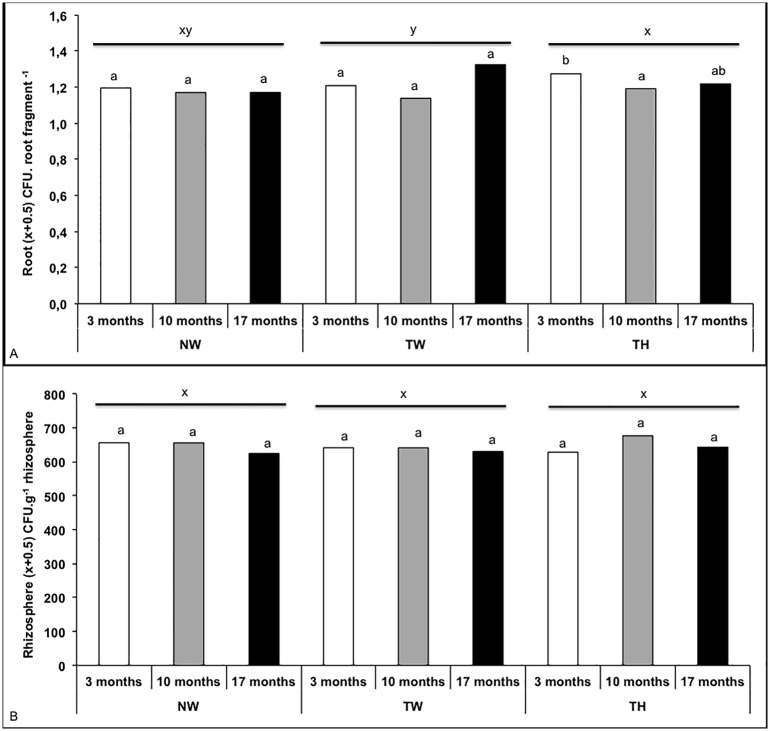
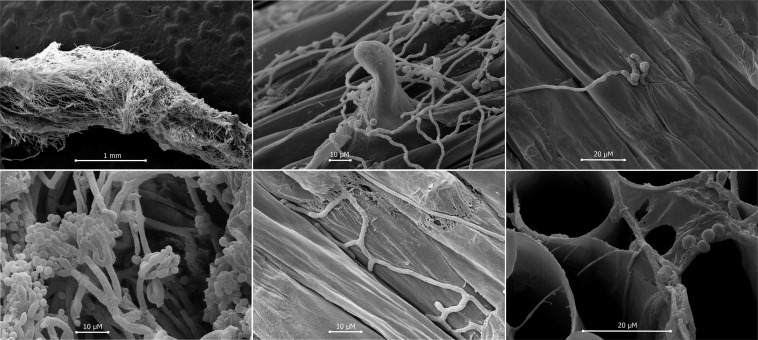
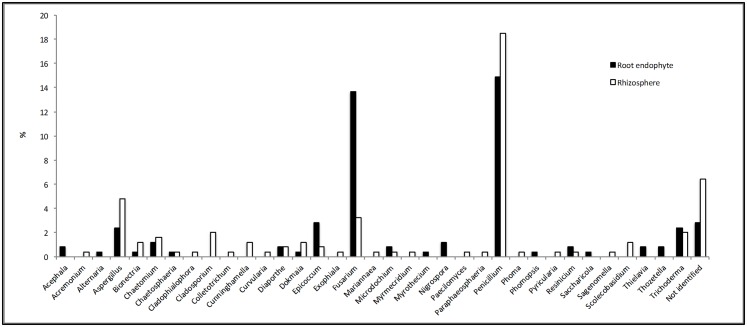
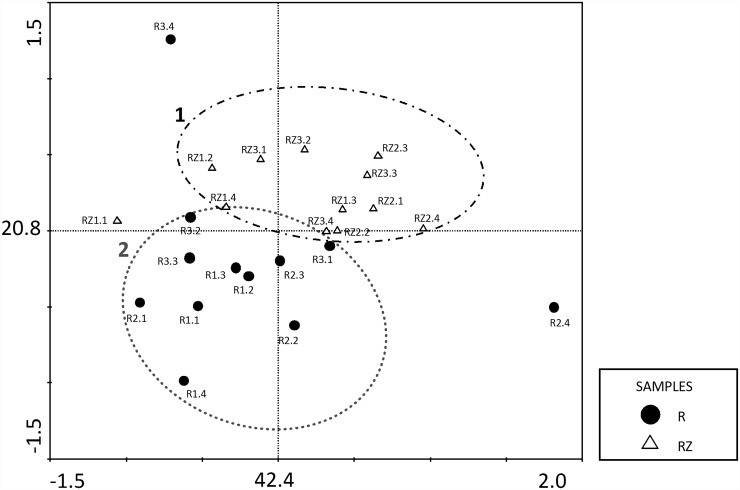
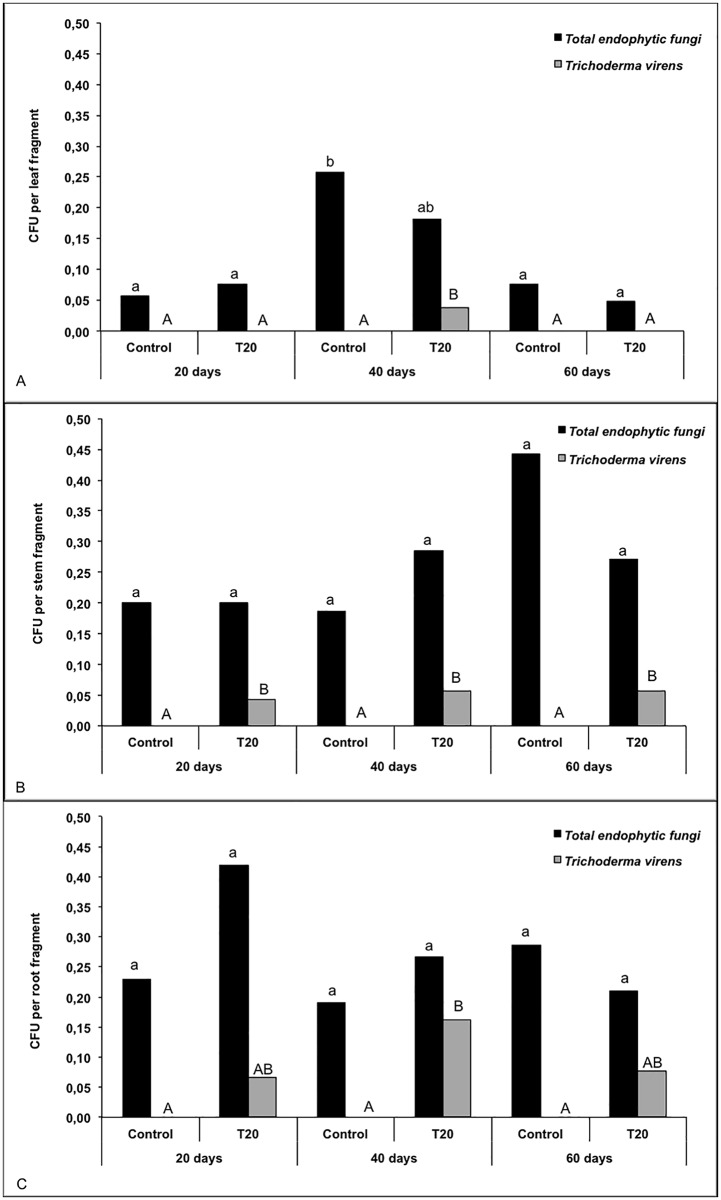
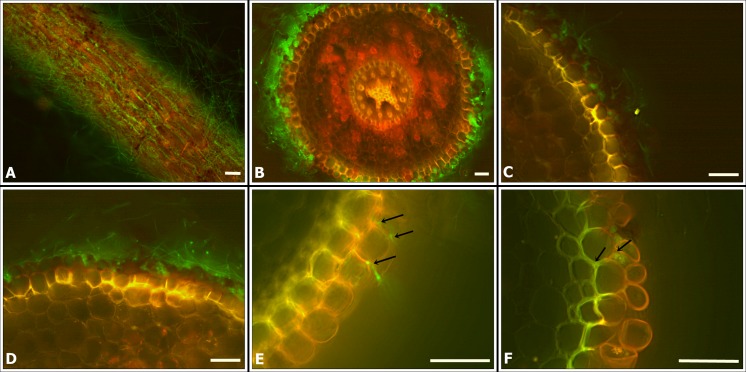
Plant-associated fungi are considered a vast source for biotechnological processes whose potential has been poorly explored. The interactions and diversity of sugarcane, one of the most important crops in Brazil, have been rarely studied, mainly concerning fungal communities and their interactions with transgenic plants. Taking this into consideration, the purpose of this study was, based on culture dependent strategy, to determine the structure and diversity of the fungal community (root endophytes and rhizosphere) associated with two varieties of sugarcane, a non-genetically modified (SP80-1842) variety and its genetically modified counterpart (IMI-1, expressing imazapyr herbicide resistance). For this, the sugarcane varieties were evaluated in three sampling times (3, 10 and 17 months after planting) under two crop management (weeding and herbicide treatments). In addition, a strain of Trichoderma virens, an endophyte isolated from sugarcane with great potential as a biological control, growth promotion and enzyme production agent, was selected for the fungal-plant interaction assays. The results of the isolation, characterization and evaluation of fungal community changes showed that the sugarcane fungal community is composed of at least 35 different genera, mostly in the phylum Ascomycota. Many genera are observed at very low frequencies among a few most abundant genera, some of which were isolated from specific plant sites (e.g., the roots or the rhizosphere). An assessment of the possible effects upon the fungal community showed that the plant growth stage was the only factor that significantly affected the community's structure. Moreover, if transgenic effects are present, they may be minor compared to other natural sources of variation. The results of interaction studies using the Green fluorescent protein (GFP)-expressing T. virens strain T.v.223 revealed that this fungus did not promote any phenotypic changes in the host plant and was found mostly in the roots where it formed a dense mycelial cover and was able to penetrate the intercellular spaces of the root epidermis upper layers. The ability of T. virens to colonize plant roots suggests a potential for protecting plant health, inhibiting pathogens or inducing systemic resistance.
与植物相关的真菌被认为是生物技术过程的巨大来源,但其潜力尚未得到充分探索。甘蔗是巴西最重要的作物之一,其相互作用和多样性很少被研究,主要涉及真菌群落及其与转基因植物的相互作用。考虑到这一点,本研究的目的是基于培养依赖策略,确定与两种甘蔗品种相关的真菌群落(根内生菌和根际真菌)的结构和多样性,一种是非转基因(SP80 - 1842)品种及其转基因对应品种(IMI - 1,表达咪唑乙烟酸除草剂抗性)。为此,在两种作物管理方式(除草和除草剂处理)下,对甘蔗品种在三个采样时间(种植后3、10和17个月)进行了评估。此外,选择了一株绿色木霉,这是一种从甘蔗中分离出来的内生菌,作为生物防治、促进生长和酶生产剂具有巨大潜力,用于真菌 - 植物相互作用试验。真菌群落变化的分离、表征和评估结果表明,甘蔗真菌群落至少由35个不同属组成,大多属于子囊菌门。在少数几个最丰富的属中,许多属的出现频率非常低,其中一些是从特定的植物部位(如根或根际)分离出来的。对真菌群落可能产生的影响的评估表明,植物生长阶段是唯一显著影响群落结构的因素。此外,如果存在转基因效应,与其他自然变异来源相比,它们可能较小。使用表达绿色荧光蛋白(GFP)的绿色木霉菌株T.v.223进行的相互作用研究结果表明,这种真菌没有促进宿主植物的任何表型变化,并且大多在根中被发现,在那里它形成了密集的菌丝覆盖层,并能够穿透根表皮上层的细胞间隙。绿色木霉定殖植物根的能力表明其具有保护植物健康、抑制病原体或诱导系统抗性的潜力。