Wang Zhi, Yin Xiaoya, Gao Luyan, Feng Sheng, Song Kai, Li Lingyun, Lu Ying, Shen Huaying
Department of Nephrology, Second Affiliated Hospital of Soochow University, 1055 Sanxiang Road, Jinchang, Suzhou, 215000 Jiangsu Province China.
Springerplus. 2016 Jul 15;5(1):1084. doi: 10.1186/s40064-016-2774-4. eCollection 2016.
Systemic sclerosis (SSc) caused fibrosis can be fatal and it still lack of effective treatment. Hydrogen sulfide (H2S) appears to be an attractive therapeutic candidates. This study aimed to investigate the protective effect of H2S on SSc-associated skin and lung fibrosis.
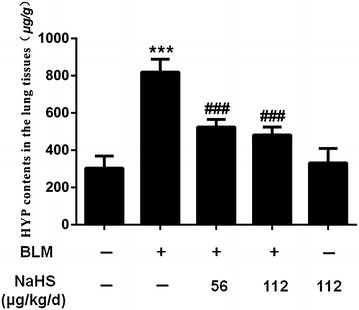
We developed a model of SSc by subcutaneous injecting BLM to female C3H mice. The mice received daily subcutaneous injections of NaHS (56 and 112 μg/kg), an H2S donor. On days 7, 28, and 42, the mice were killed and blood samples were collected to measure the plasma H2S concentration, the skin and lung tissues was harvested for microscopic examination, immunohistochemistry and quantify biological parameters (hydroxyproline content, RT-qPCR and Western blot).
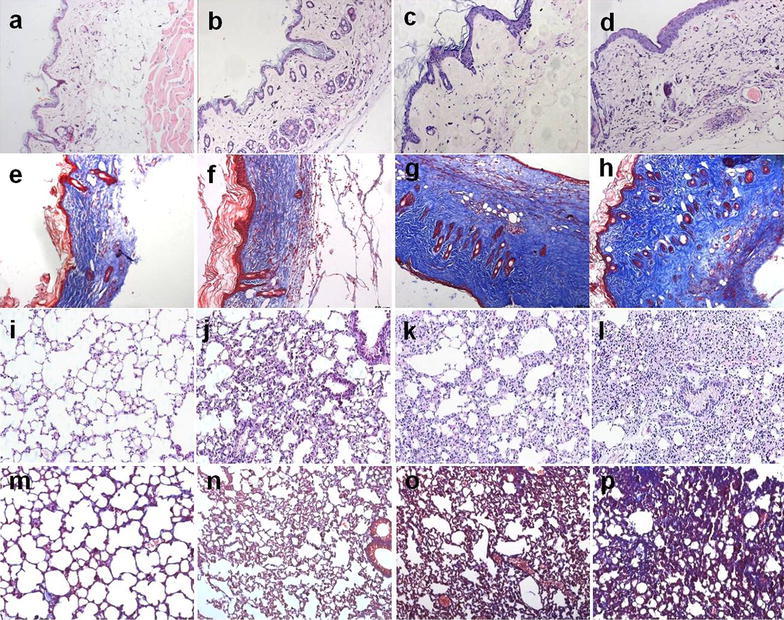
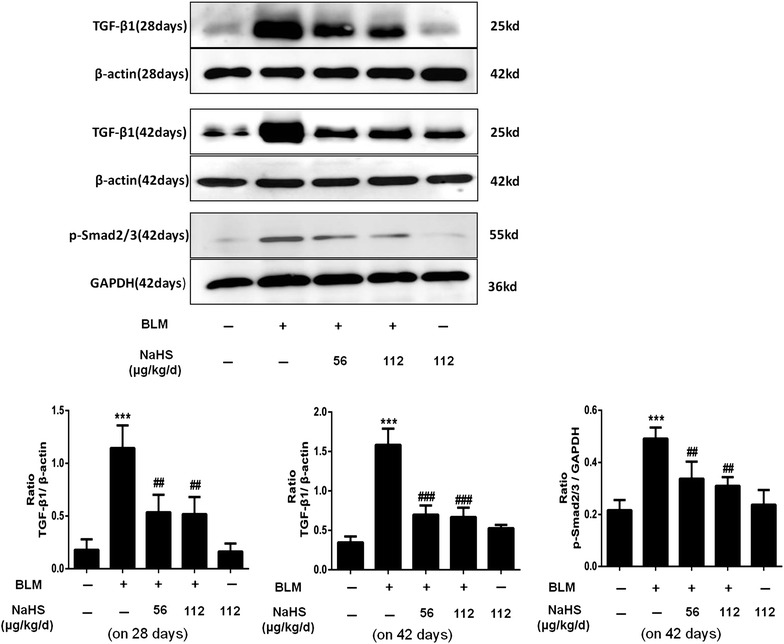
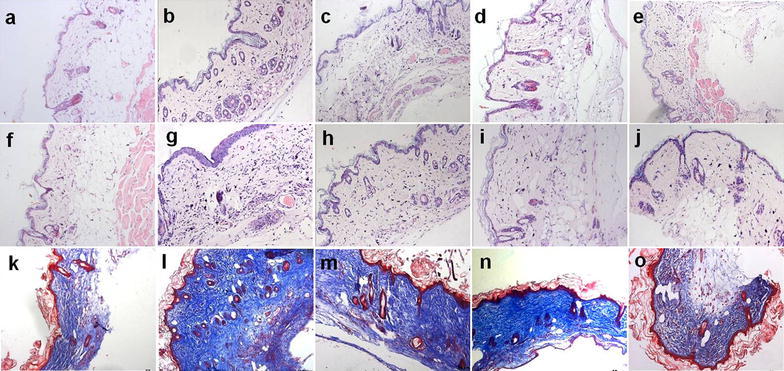
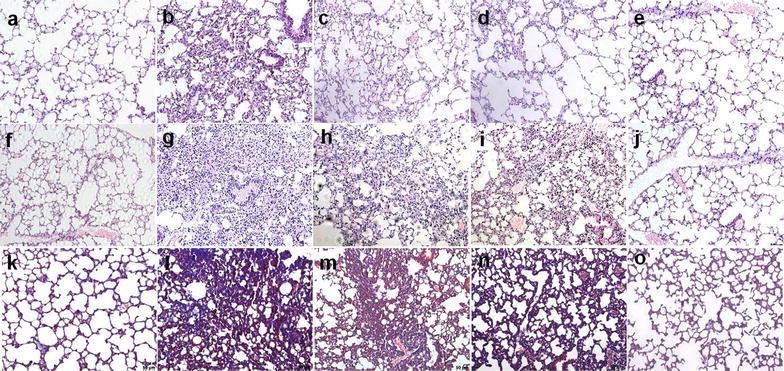
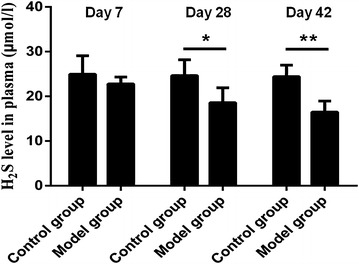
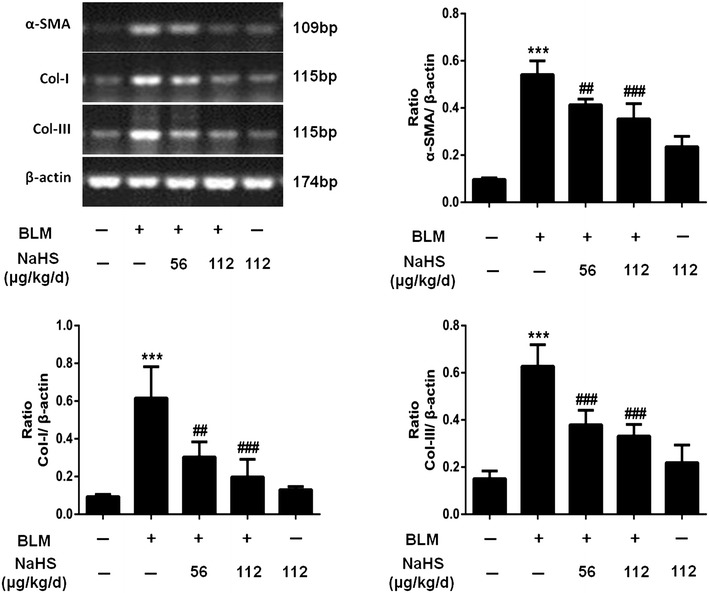
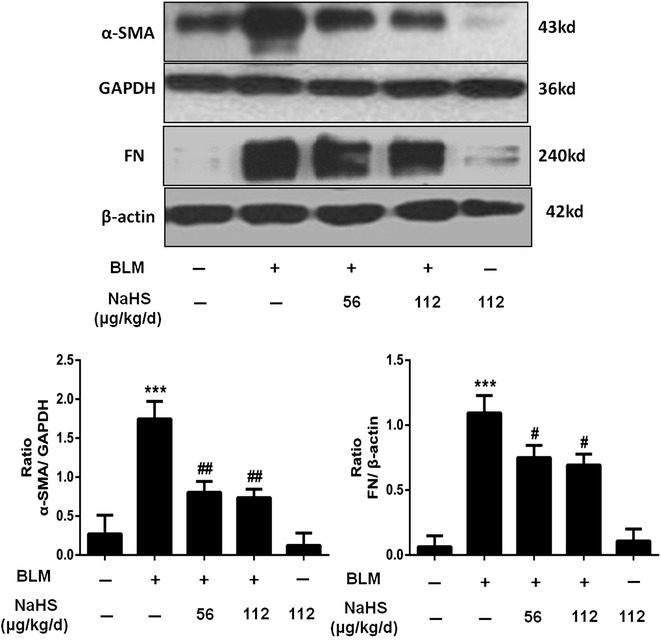
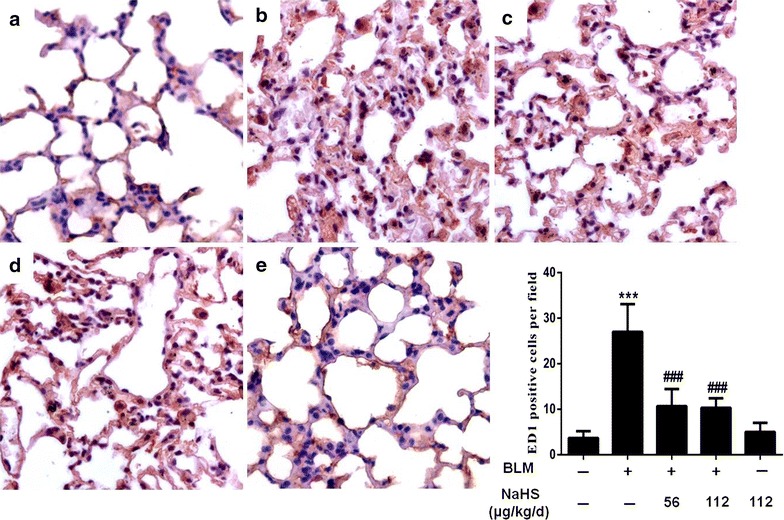
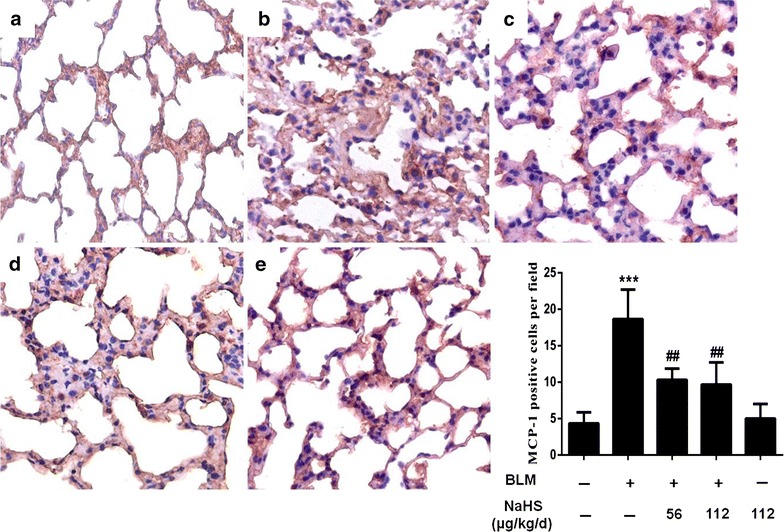
In model group, the dermis of skin tissues at different time points gradually thickened, collagen deposition increased. The lung tissues presented pathological changes such as obvious inflammatory cell infiltration, increased collagen deposition and the plasma H2S concentrations points significantly decreased. Administration of NaHS markedly decreased the biomarkers of fibrosis such as α-smooth muscle actin, collagen-I, collagen-III, fibronectin, transforming growth factor-β1, Smad2/3 phosphorylation and inflammation including the marker protein of monocyte/macrophage and monocyte chemoattractant protein-1 in the lung. Compared to the low dose group, the expression in the high dose group have decreased trend, but the difference was not significant.
We demonstrate the beneficial effects of H2S on SSc-associated skin and lung fibrosis. H2S may be a potential therapy against this intractable disease.
系统性硬化症(SSc)所致纤维化可能致命,且仍缺乏有效治疗方法。硫化氢(H₂S)似乎是一种有吸引力的治疗候选物。本研究旨在探讨H₂S对SSc相关皮肤和肺纤维化的保护作用。
通过向雌性C3H小鼠皮下注射博来霉素(BLM)建立SSc模型。小鼠每日皮下注射H₂S供体硫氢化钠(NaHS,56和112μg/kg)。在第7、28和42天,处死小鼠并采集血样以测量血浆H₂S浓度,收获皮肤和肺组织用于显微镜检查、免疫组织化学和定量生物学参数(羟脯氨酸含量、RT-qPCR和蛋白质免疫印迹法)。
模型组不同时间点皮肤组织真皮逐渐增厚,胶原沉积增加。肺组织出现明显炎性细胞浸润、胶原沉积增加等病理变化,且血浆H₂S浓度显著降低。给予NaHS可显著降低肺组织中纤维化生物标志物如α-平滑肌肌动蛋白、I型胶原、III型胶原、纤连蛋白、转化生长因子-β1、Smad2/3磷酸化水平以及炎症相关指标,包括单核细胞/巨噬细胞标志物蛋白和单核细胞趋化蛋白-1。与低剂量组相比,高剂量组表达有下降趋势,但差异不显著。
我们证明了H₂S对SSc相关皮肤和肺纤维化具有有益作用。H₂S可能是针对这种难治性疾病的一种潜在治疗方法。