Bayu Aji L B, Wallace J B, Shao L, Kucheyev S O
Lawrence Livermore National Laboratory, Livermore, California 94550, USA.
Department of Nuclear Engineering, Texas A&M University, College Station, Texas 77843, USA.
Sci Rep. 2016 Aug 3;6:30931. doi: 10.1038/srep30931.
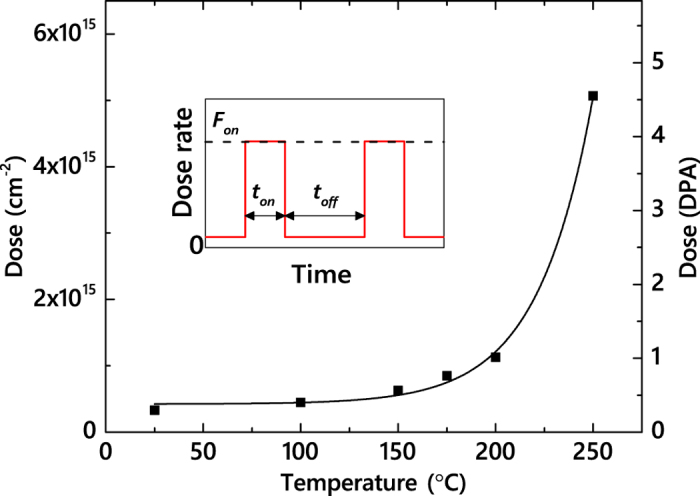
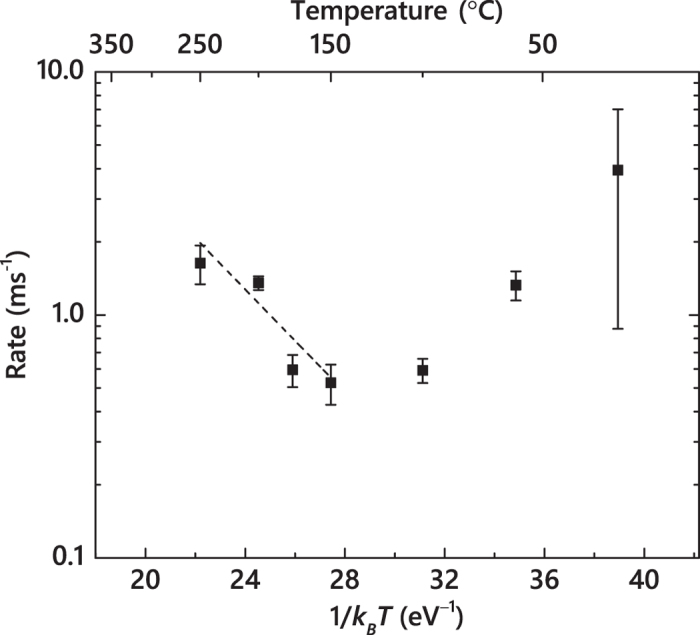
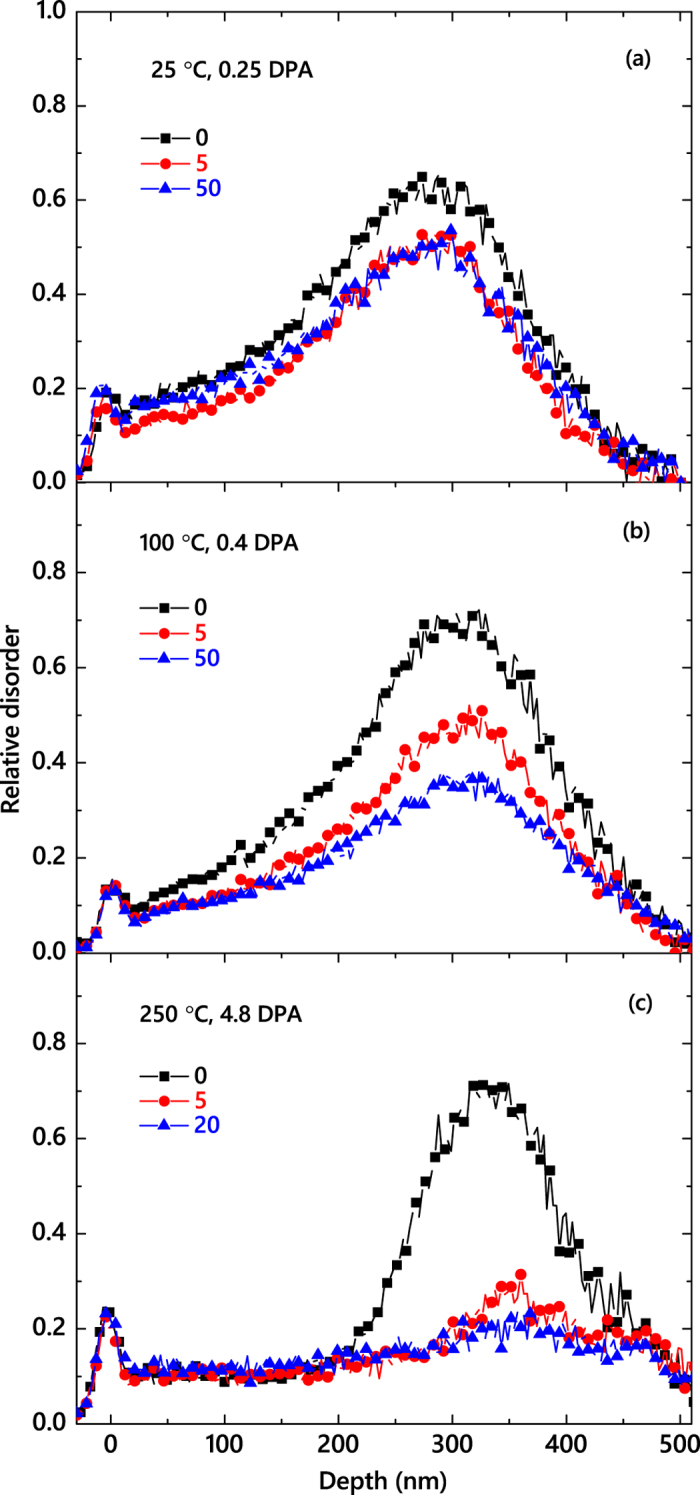
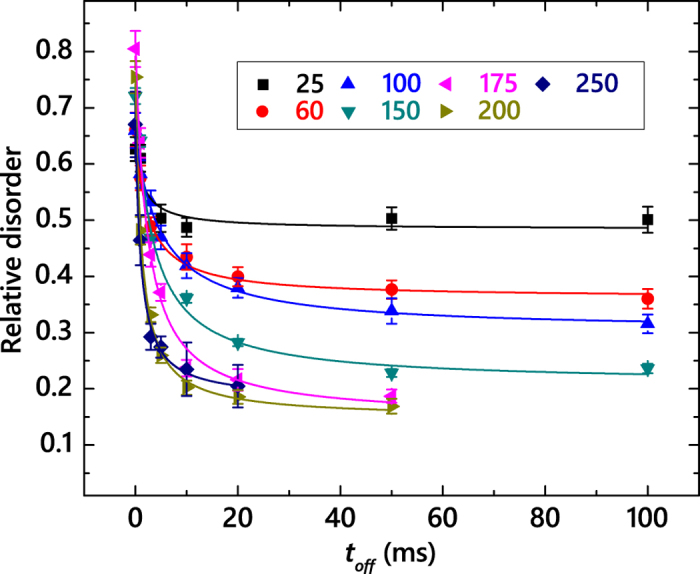
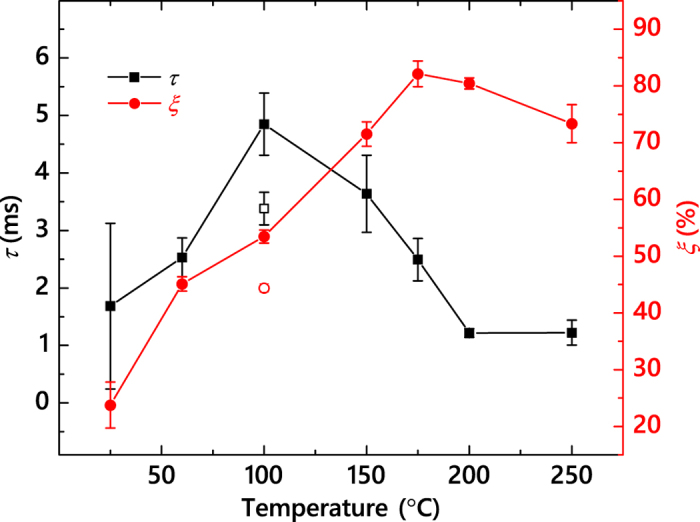
Understanding response of solids to particle irradiation remains a major materials physics challenge. This applies even to SiC, which is a prototypical nuclear ceramic and wide-band-gap semiconductor material. The lack of predictability is largely related to the complex, dynamic nature of radiation defect formation. Here, we use a novel pulsed-ion-beam method to study dynamic annealing in 4H-SiC ion-bombarded in the temperature range of 25-250 °C. We find that, while the defect recombination efficiency shows an expected monotonic increase with increasing temperature, the defect lifetime exhibits a non-monotonic temperature dependence with a maximum at ~100 °C. This finding indicates a change in the dominant defect interaction mechanism at ~100 °C. The understanding of radiation defect dynamics may suggest new paths to designing radiation-resistant materials.
理解固体对粒子辐照的响应仍然是材料物理学的一项重大挑战。这甚至适用于碳化硅,它是一种典型的核陶瓷和宽带隙半导体材料。缺乏可预测性很大程度上与辐射缺陷形成的复杂动态性质有关。在这里,我们使用一种新颖的脉冲离子束方法来研究在25-250°C温度范围内被离子轰击的4H-SiC中的动态退火。我们发现,虽然缺陷复合效率随温度升高呈现预期的单调增加,但缺陷寿命表现出非单调的温度依赖性,在约100°C时达到最大值。这一发现表明在约100°C时主导缺陷相互作用机制发生了变化。对辐射缺陷动力学的理解可能为设计抗辐射材料指明新的途径。