Lodhi Santram, Jain Avijeet, Jain Alok Pal, Pawar Rajesh Singh, Singhai Abhay Kumar
Department of Pharmaceutical Sciences, Dr. H. S. Gour University, Sagar, Madhya Pradesh, India-470003.
Department of Pharmacy, RKDF University, Bhopal, Madhya Pradesh, India- 462033.
Avicenna J Phytomed. 2016 Sep-Oct;6(5):578-591.
L. (), (Martyniaccae) has been traditionally used in the treatment of epilepsy, sore throat and inflammatory disorders. The leaf paste is used topically on Tuberculosis of the lymphatic glands and wounds of domestic animals. (), (Fabaceae) has been used traditionally as a remedy for asthma, gonorrhea, rheumatism and ulcers. This study aimed to evaluate the potential wound healing effects of different fractions ofethanol extract of leaves and aerial parts of .
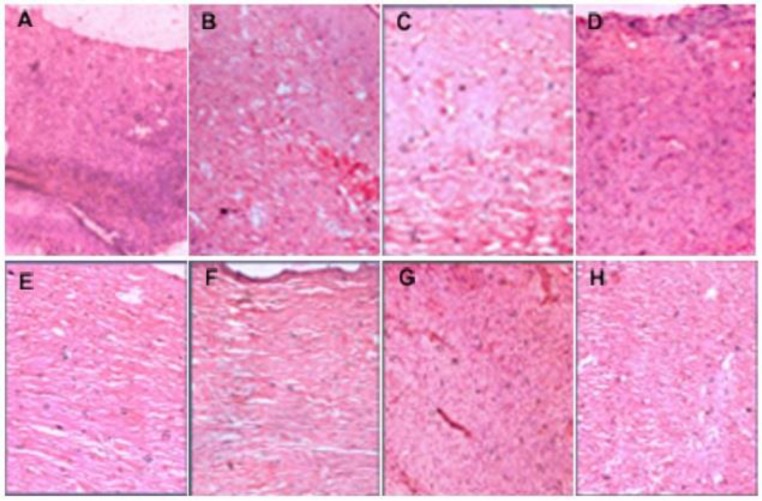
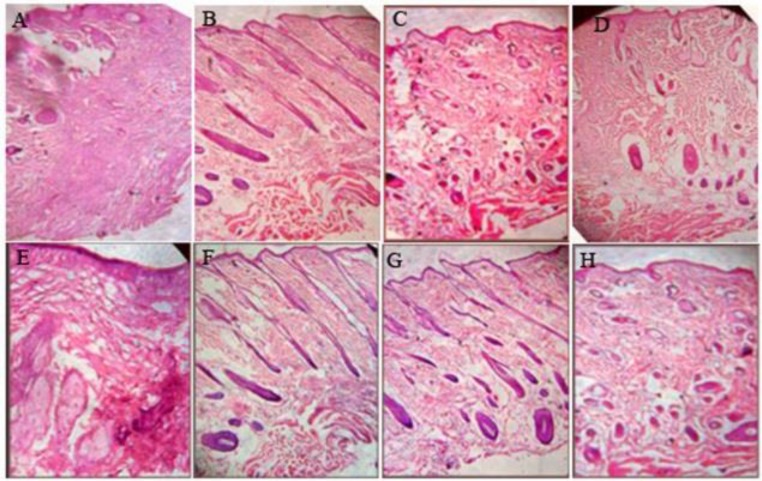
Methanol fraction of (MAF-C) and ethyl acetate fraction of (TPF-A) were evaluated for healing potential in dead-space and burn wound models. An ointment (5% w/w) of MAF-C and TPF-A, pongamol (0.2 and 0.5% w/w) and luteolin (0.2 and 0.5% w/w) was applied topically twice a day. The effects were compared with Povidone Iodine ointment with respect to protein, collagen content, enzymatic assay and histopathological finding of granuloma tissues.
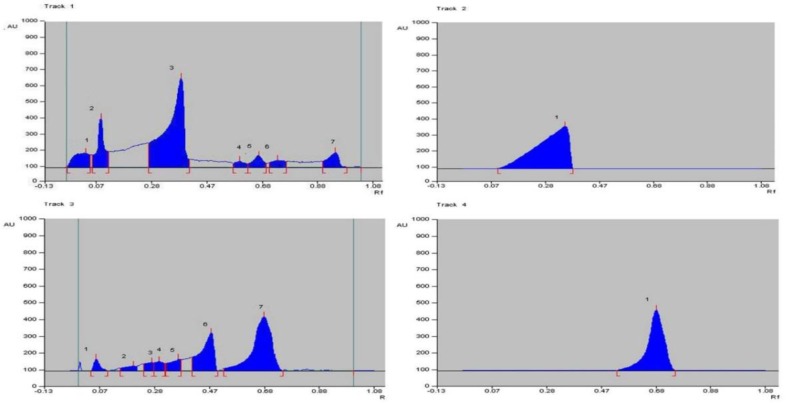
Ethanol extracts of and were exhibited total flavonoid contents of 126.2 ± 4.69 and 171.6 ± 6.38 mg (quercetin equivalent), respectively. HPLC fingerprinting confirmed the presence of luteolin in and quercetin in . TPF-A and MAF-C ointments (5% w/w) significantly increases the hydroxyproline and protein contents. Luteolin and pongamol ointments were also found to be effective in both wound models.
Our findings suggested that 5% w/w ointment of TPF-A and MAF-C fractions were more effective than isolated flavonoids in wound healing which may be due to synergistic interactions between the flavonoids and other constituents.
传统上,L.(豆科)已被用于治疗癫痫、喉咙痛和炎症性疾病。叶糊剂外用治疗家畜的淋巴结结核和伤口。传统上,(豆科)已被用作治疗哮喘、淋病、风湿和溃疡的药物。本研究旨在评估L.叶和地上部分乙醇提取物不同馏分的潜在伤口愈合效果。
在死腔和烧伤伤口模型中评估L.的甲醇馏分(MAF-C)和的乙酸乙酯馏分(TPF-A)的愈合潜力。每天两次局部应用MAF-C和TPF-A的软膏(5%w/w)、水黄皮素(0.2%和0.5%w/w)和木犀草素(0.2%和0.5%w/w)。就肉芽肿组织的蛋白质、胶原蛋白含量、酶分析和组织病理学发现而言,将这些效果与聚维酮碘软膏进行比较。
L.和的乙醇提取物分别表现出总黄酮含量为126.2±4.69和171.6±6.38mg(槲皮素当量)。高效液相色谱指纹图谱证实L.中存在木犀草素,中存在槲皮素。TPF-A和MAF-C软膏(5%w/w)显著增加羟脯氨酸和蛋白质含量。木犀草素和水黄皮素软膏在两种伤口模型中也被发现是有效的。
我们的研究结果表明,TPF-A和MAF-C馏分的5%w/w软膏在伤口愈合方面比分离的黄酮类化合物更有效,这可能是由于黄酮类化合物与其他成分之间的协同相互作用。