School of Psychology, University of Kent, Canterbury CT2 7NP, UK.
Chair of Cognitive Science, ETH Zurich 8092, Switzerland.
Nat Commun. 2017 Mar 21;8:14652. doi: 10.1038/ncomms14652.
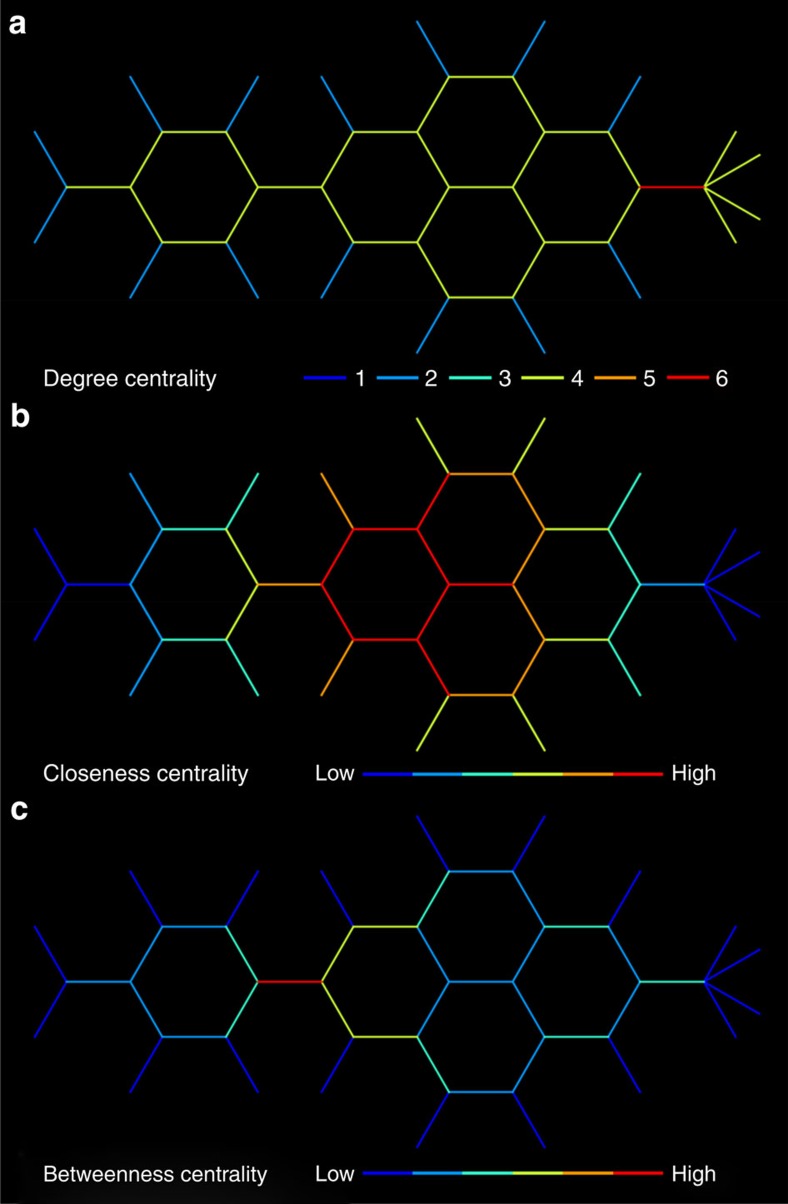
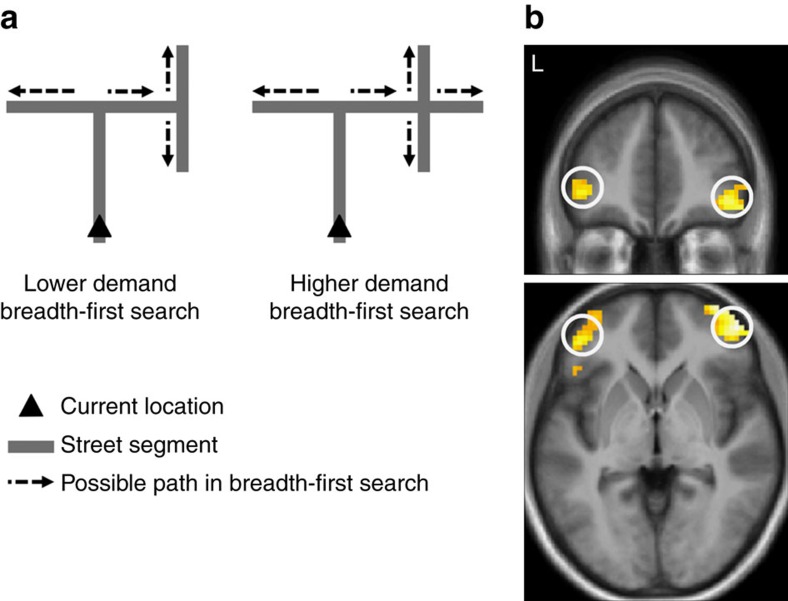
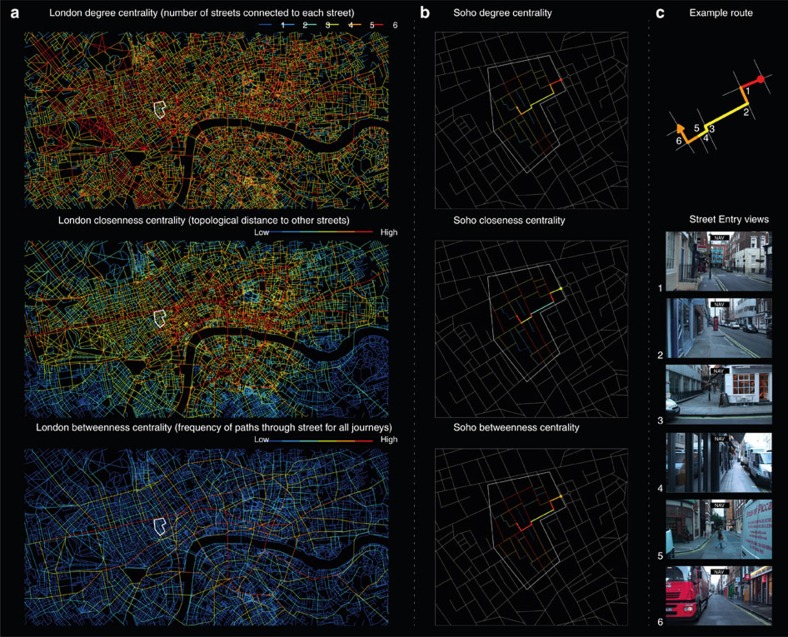
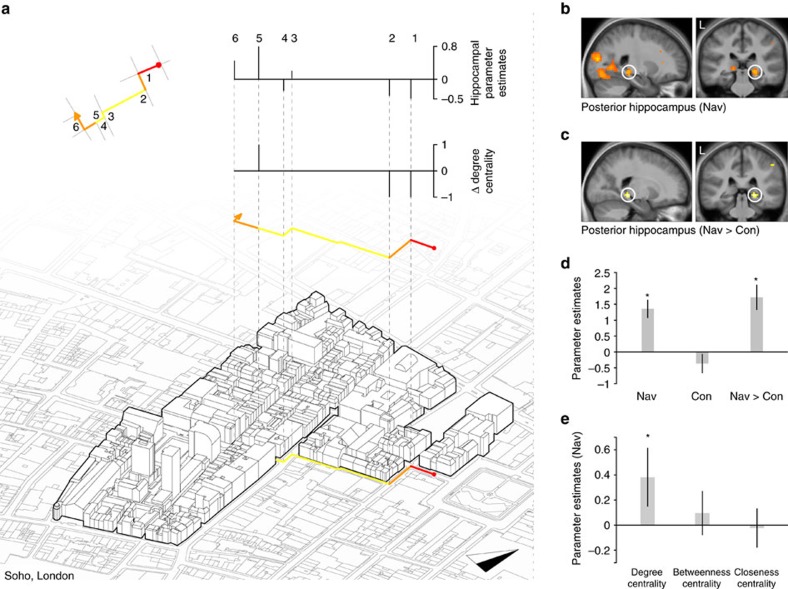
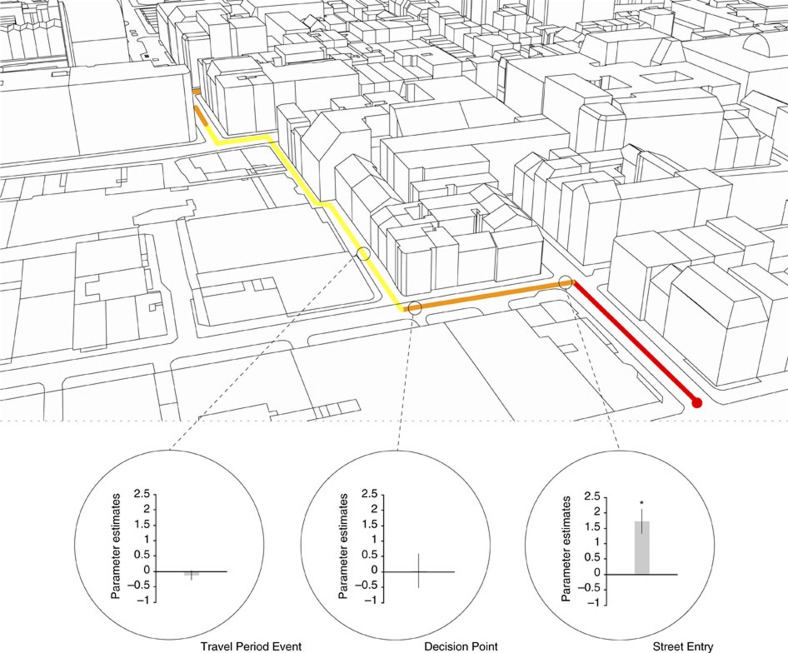
Topological networks lie at the heart of our cities and social milieu. However, it remains unclear how and when the brain processes topological structures to guide future behaviour during everyday life. Using fMRI in humans and a simulation of London (UK), here we show that, specifically when new streets are entered during navigation of the city, right posterior hippocampal activity indexes the change in the number of local topological connections available for future travel and right anterior hippocampal activity reflects global properties of the street entered. When forced detours require re-planning of the route to the goal, bilateral inferior lateral prefrontal activity scales with the planning demands of a breadth-first search of future paths. These results help shape models of how hippocampal and prefrontal regions support navigation, planning and future simulation.
拓扑网络是我们城市和社交环境的核心。然而,目前尚不清楚大脑如何以及何时处理拓扑结构,以便在日常生活中指导未来的行为。本研究使用 fMRI 技术对人类进行研究,并对伦敦(英国)进行模拟,结果表明,特别是当人们在城市导航时进入新街道时,右后海马体的活动指数会反映出未来出行时可用的局部拓扑连接数量的变化,而右前海马体的活动则反映了所进入街道的全局属性。当需要强制绕道重新规划通往目标的路线时,双侧下外侧前额叶的活动与广度优先搜索未来路径的规划需求成正比。这些结果有助于构建海马体和前额叶区域如何支持导航、规划和未来模拟的模型。