Ferrer-Albero Ana, Godoy Eduardo J, Lozano Miguel, Martínez-Mateu Laura, Atienza Felipe, Saiz Javier, Sebastian Rafael
Centro de Investigación e Innovación en Bioingeniería (Ci2B), Universitat Politècnica de València, Valencia, Spain.
Computational Multiscale Physiology Lab (CoMMLab), Department of Computer Science, Universitat de Valencia, Valencia, Spain.
PLoS One. 2017 Jul 13;12(7):e0181263. doi: 10.1371/journal.pone.0181263. eCollection 2017.
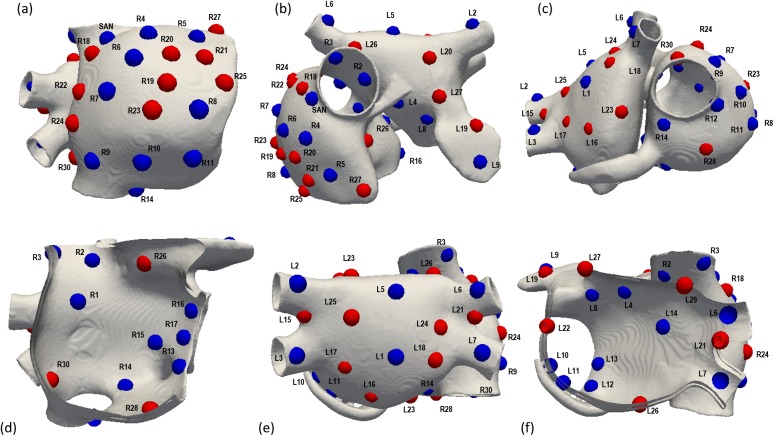
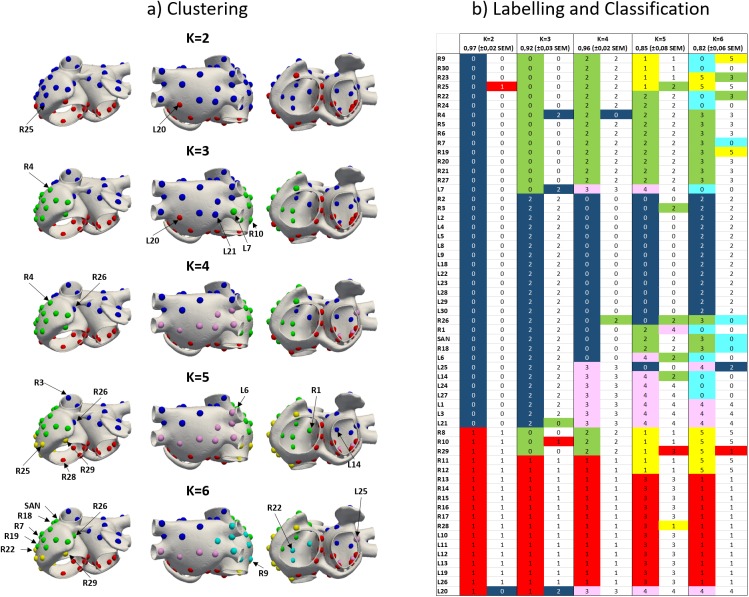
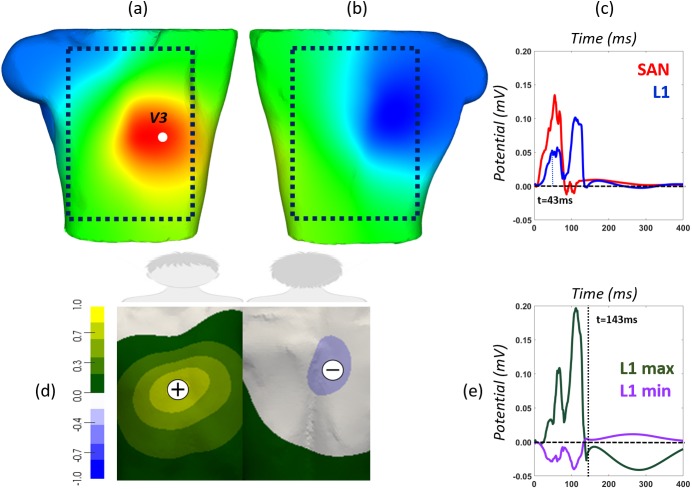
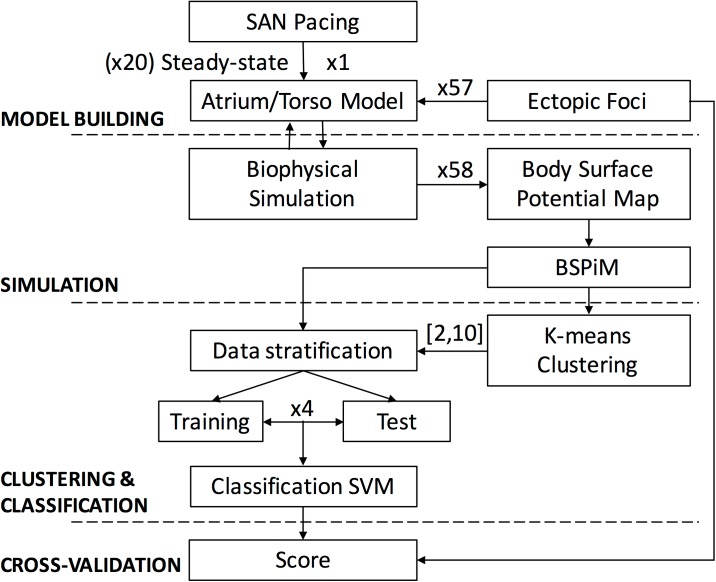
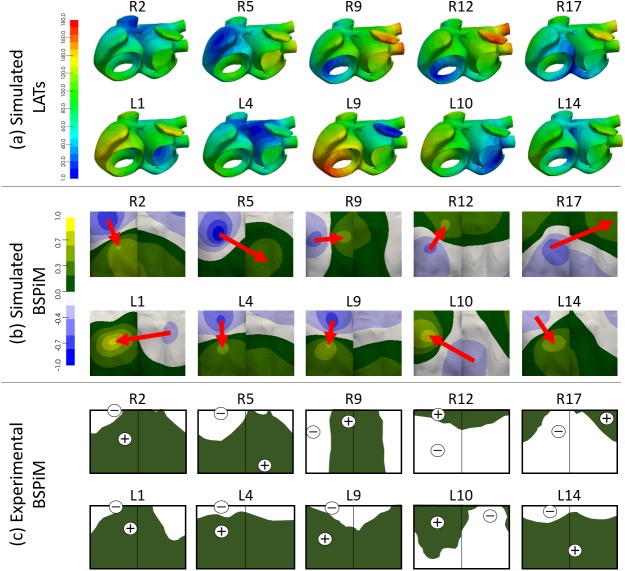
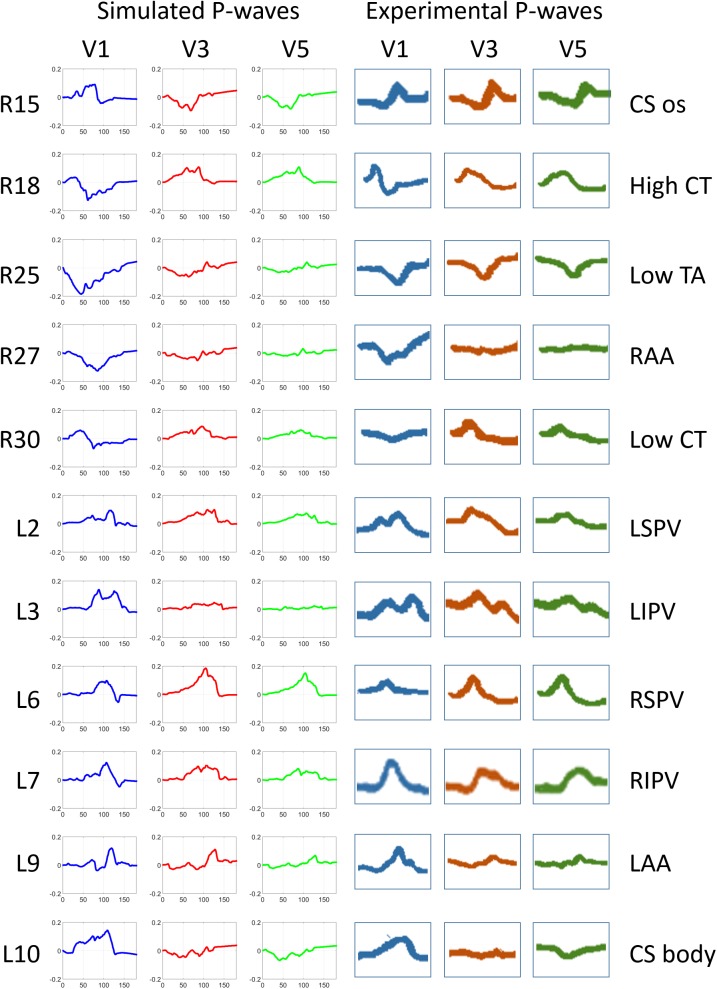
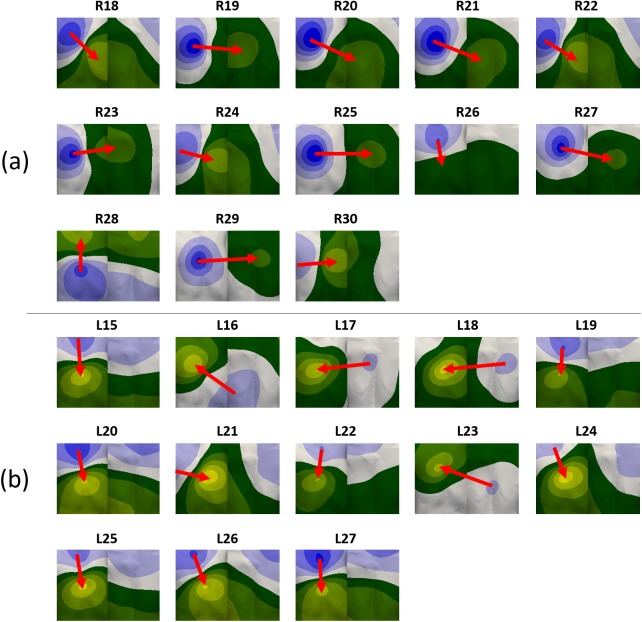
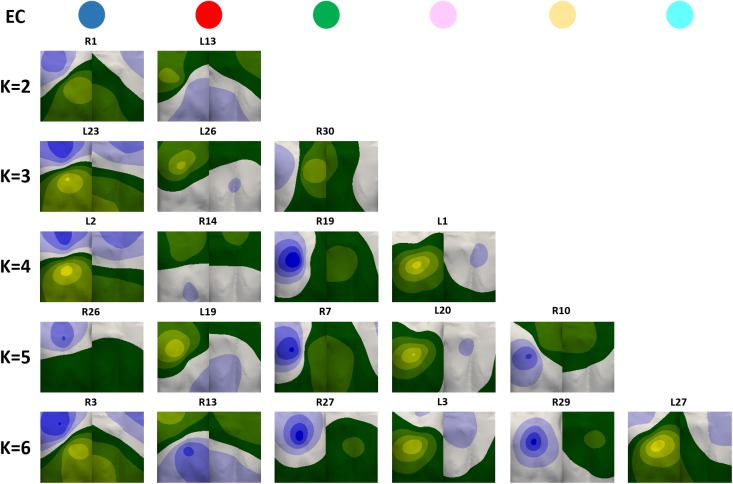
Non-invasive localization of continuous atrial ectopic beats remains a cornerstone for the treatment of atrial arrhythmias. The lack of accurate tools to guide electrophysiologists leads to an increase in the recurrence rate of ablation procedures. Existing approaches are based on the analysis of the P-waves main characteristics and the forward body surface potential maps (BSPMs) or on the inverse estimation of the electric activity of the heart from those BSPMs. These methods have not provided an efficient and systematic tool to localize ectopic triggers. In this work, we propose the use of machine learning techniques to spatially cluster and classify ectopic atrial foci into clearly differentiated atrial regions by using the body surface P-wave integral map (BSPiM) as a biomarker. Our simulated results show that ectopic foci with similar BSPiM naturally cluster into differentiated non-intersected atrial regions and that new patterns could be correctly classified with an accuracy of 97% when considering 2 clusters and 96% for 4 clusters. Our results also suggest that an increase in the number of clusters is feasible at the cost of decreasing accuracy.
持续性房性异位搏动的非侵入性定位仍然是房性心律失常治疗的基石。缺乏准确的工具来指导电生理学家会导致消融手术复发率增加。现有方法基于对P波主要特征和正向体表电位图(BSPM)的分析,或基于从这些BSPM对心脏电活动的反向估计。这些方法尚未提供一种有效且系统的工具来定位异位触发点。在这项工作中,我们提出使用机器学习技术,通过将体表P波积分图(BSPiM)作为生物标志物,对异位心房灶进行空间聚类,并将其分类到明显不同的心房区域。我们的模拟结果表明,具有相似BSPiM的异位灶自然聚类到不同的不相交心房区域,当考虑2个聚类时,新模式可以以97%的准确率正确分类,对于4个聚类则为96%。我们的结果还表明,以降低准确率为代价增加聚类数量是可行的。