Department of Neurology, Medical University of South Carolina, Charleston, SC, USA.
Department of Communication Sciences and Disorders, University of South Carolina, Columbia, SC, USA.
Sci Rep. 2017 Aug 15;7(1):8188. doi: 10.1038/s41598-017-07607-9.
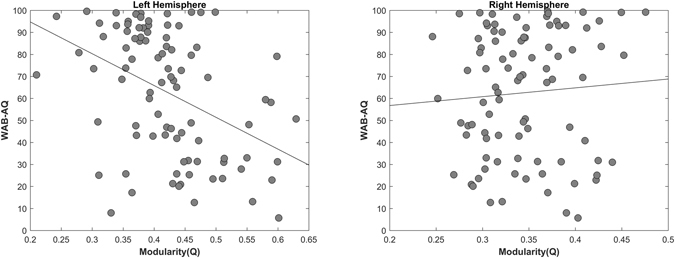
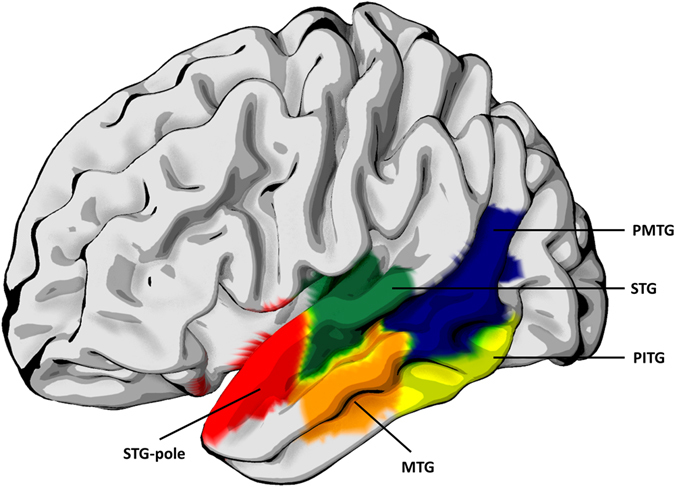
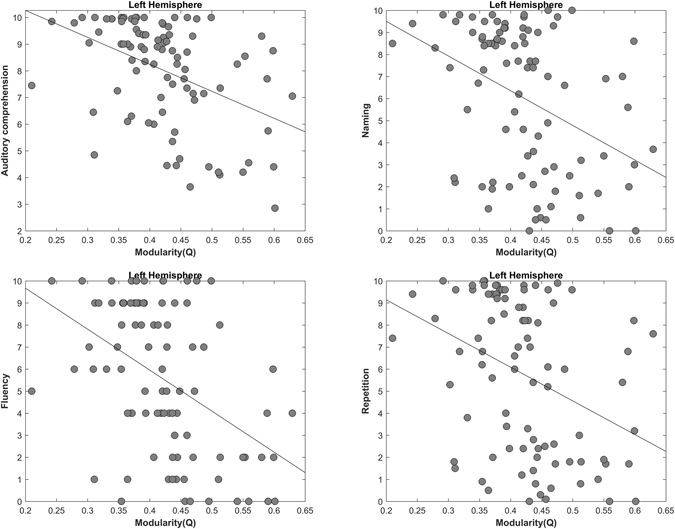
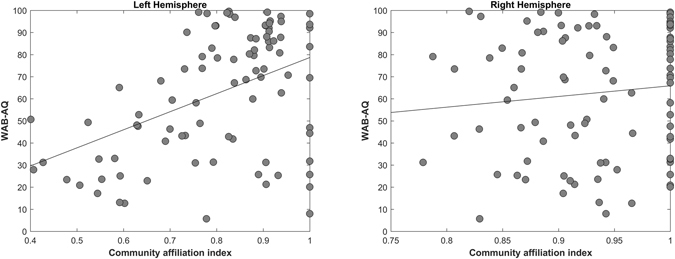
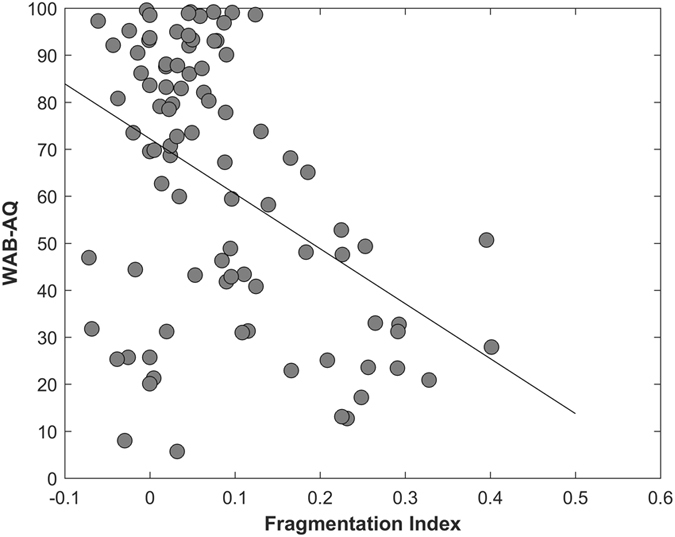
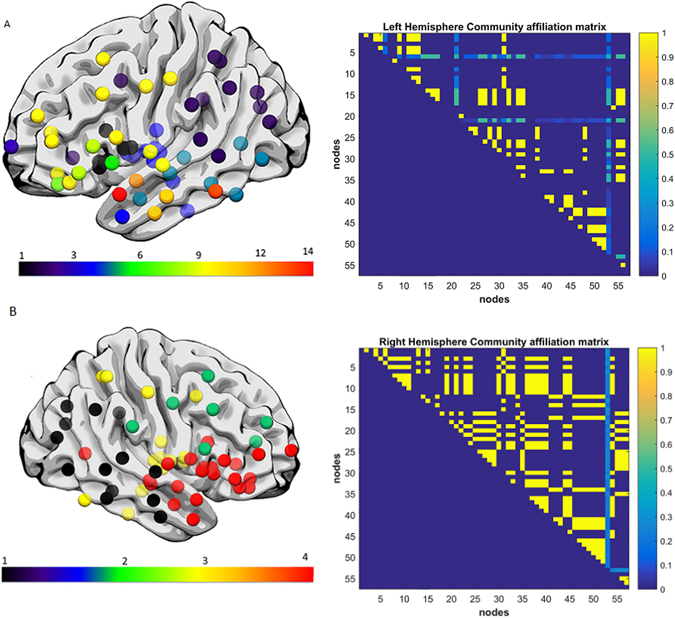
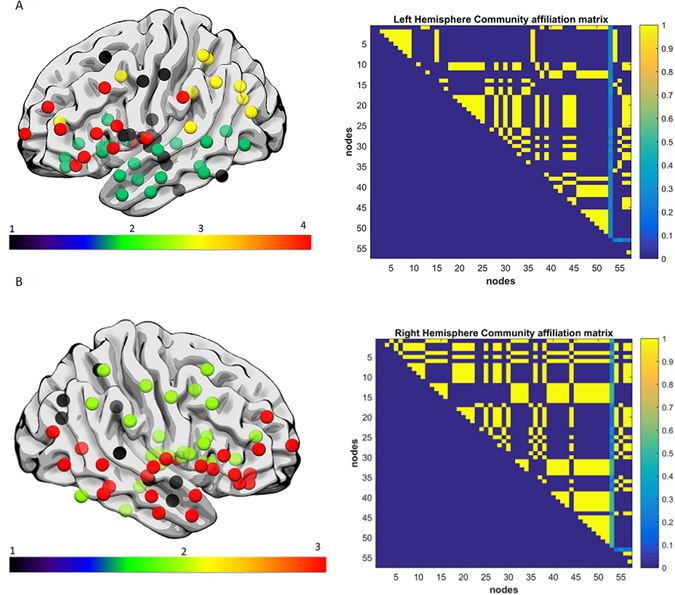
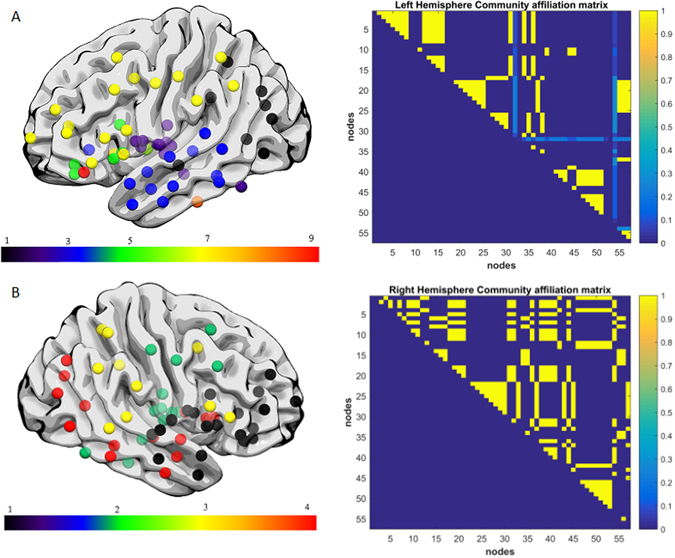
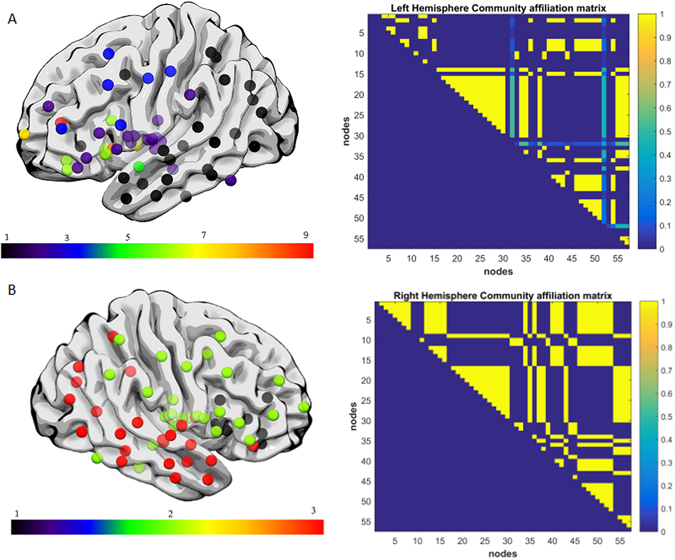
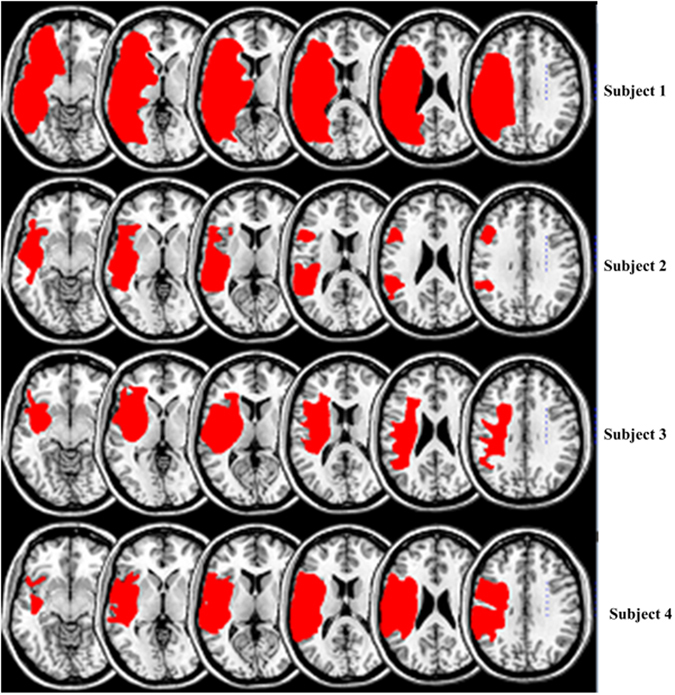
Many stroke survivors with aphasia in the acute period experience spontaneous recovery within the first six months after the stroke. However, approximately 30-40% sustain permanent aphasia and the factors determining incomplete recovery are unclear. Suboptimal recovery may be influenced by disruption of areas seemingly spared by the stroke due to loss of white matter connectivity and network integrity. We reconstructed individual anatomical whole-brain connectomes from 90 left hemisphere stroke survivors using diffusion MR images. We measured the modularity of the residual white matter network organization, the probability of brain regions clustering together, and the degree of fragmentation of left hemisphere networks. Greater post-stroke left hemisphere network fragmentation and higher modularity index were associated with more severe chronic aphasia, controlling for the size of the stroke lesion. Even when the left hemisphere was relatively spared, subjects with disorganized community structure had significantly worse aphasia, particularly when key temporal lobe regions were isolated into segregated modules. These results suggest that white matter integrity and disorganization of neuronal networks could be important determinants of chronic aphasia severity. Connectome white matter organization measured through modularity and other topological features could be used as a personalized variable for clinical staging and aphasia treatment planning.
许多在急性发病期患有失语症的中风幸存者在中风后的头 6 个月内会经历自发性恢复。然而,约有 30-40%的患者持续存在永久性失语症,且导致恢复不完全的因素尚不清楚。恢复不理想可能是由于与中风有关的白质连接和网络完整性丧失,导致中风似乎未受影响的区域受到破坏。我们使用弥散磁共振成像从 90 名左侧半球中风幸存者中重建了个体解剖学全脑连接组。我们测量了残留白质网络组织的模块性、大脑区域聚类的概率以及左侧半球网络碎片化的程度。与控制中风病灶大小相比,中风后左侧半球网络碎片化程度更高和模块性指数更高与更严重的慢性失语症相关。即使左侧半球相对未受影响,具有紊乱社区结构的患者也会出现明显更严重的失语症,尤其是当关键的颞叶区域被隔离到单独的模块中时。这些结果表明,白质完整性和神经元网络的紊乱可能是慢性失语症严重程度的重要决定因素。通过模块性和其他拓扑特征测量的连接组白质组织可以用作临床分期和失语症治疗计划的个性化变量。