Max Planck Institute for Terrestrial Microbiology and LOEWE Research Center for Synthetic Microbiology, Marburg, Germany.
Zentrum für Molekulare Biologie der Universität Heidelberg, Heidelberg, Germany.
Elife. 2017 Aug 3;6:e26607. doi: 10.7554/eLife.26607.
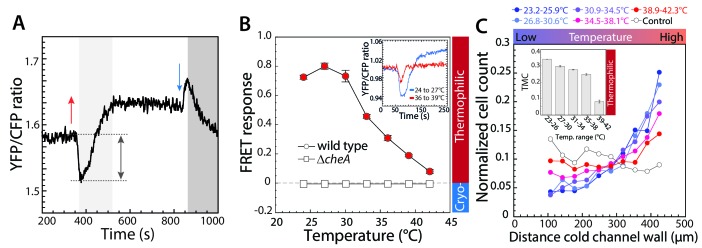
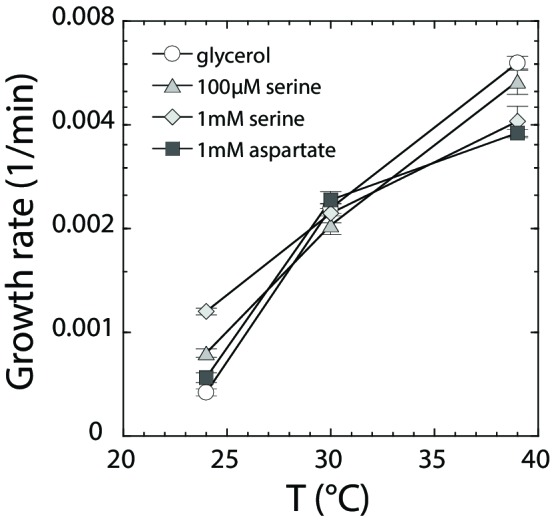
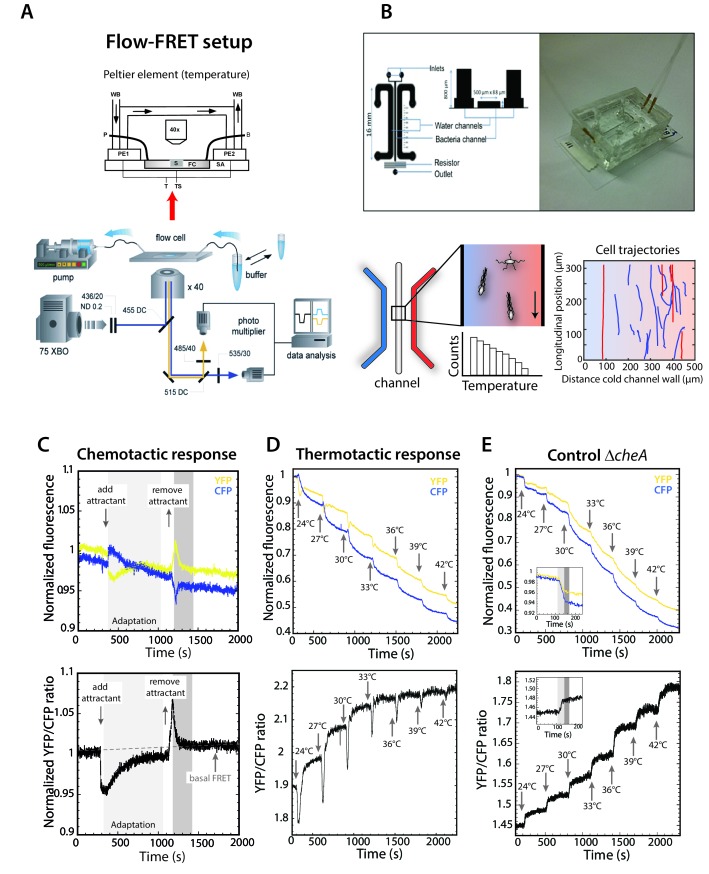
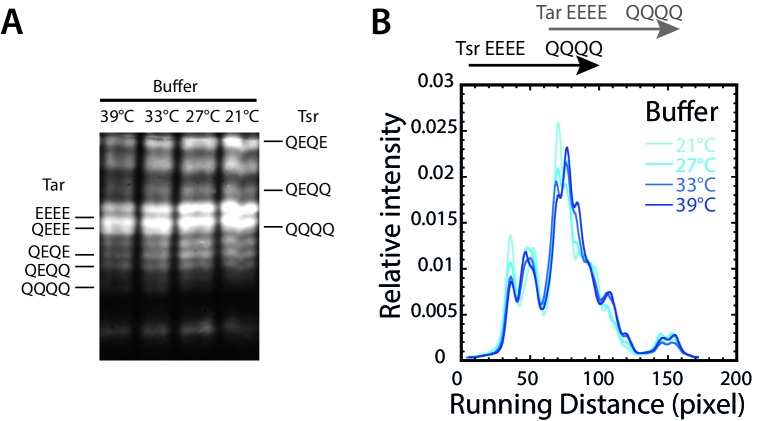
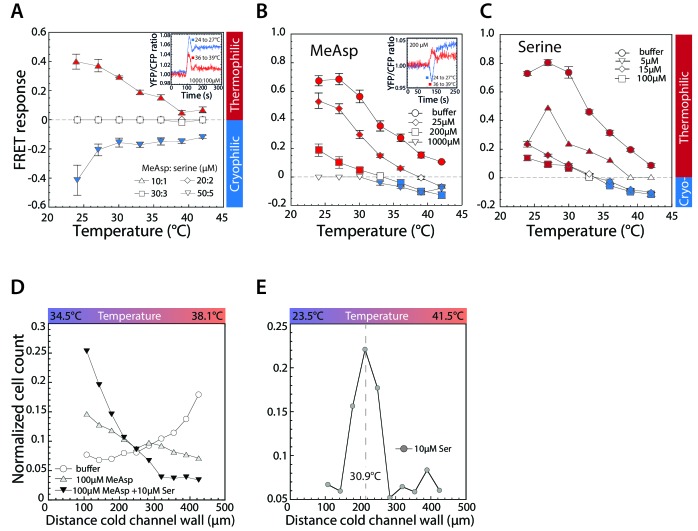
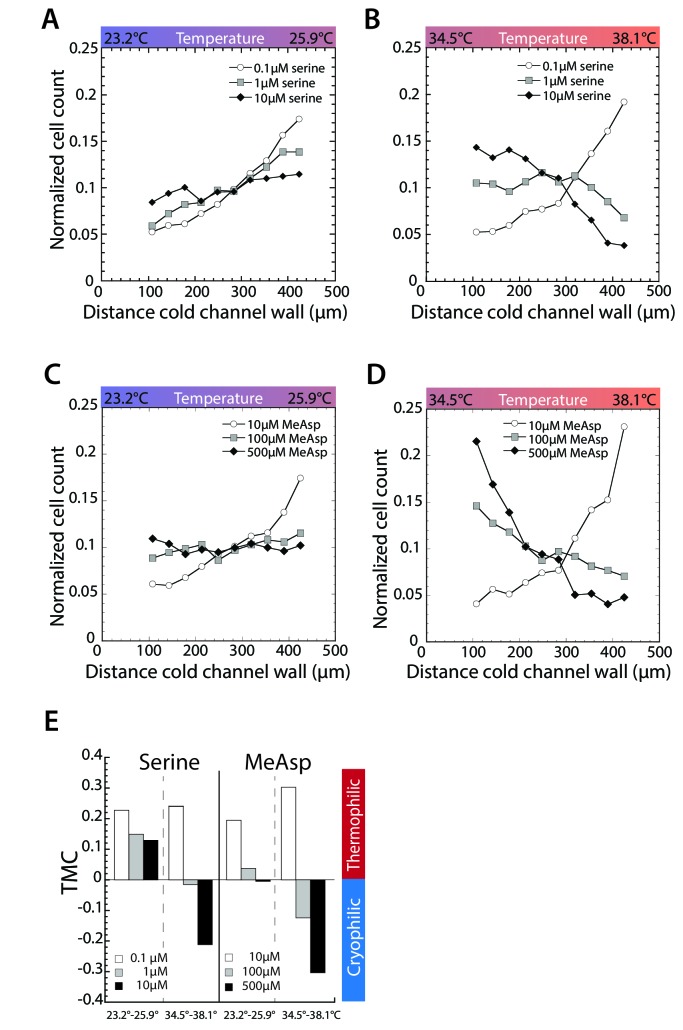
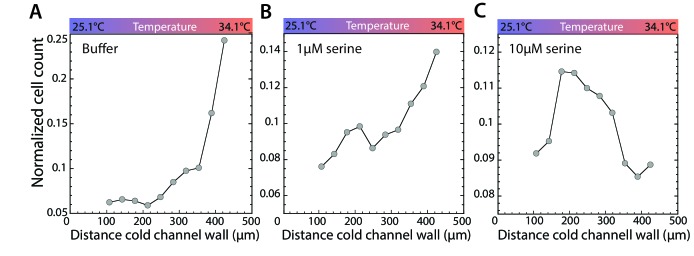
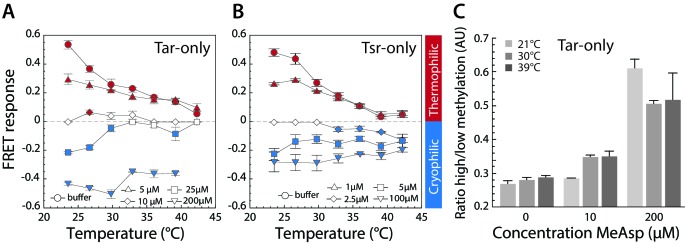
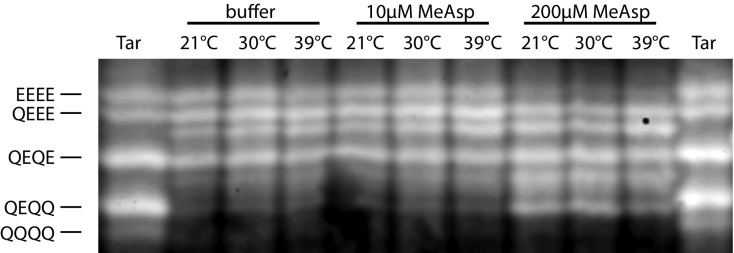
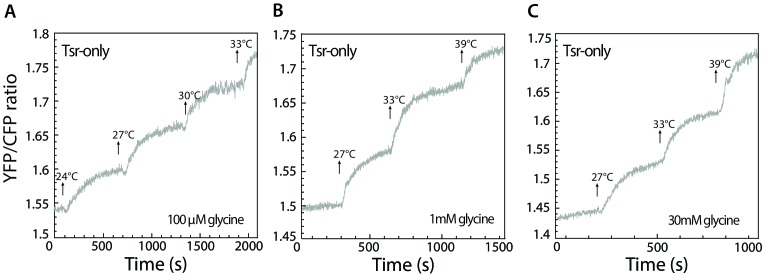
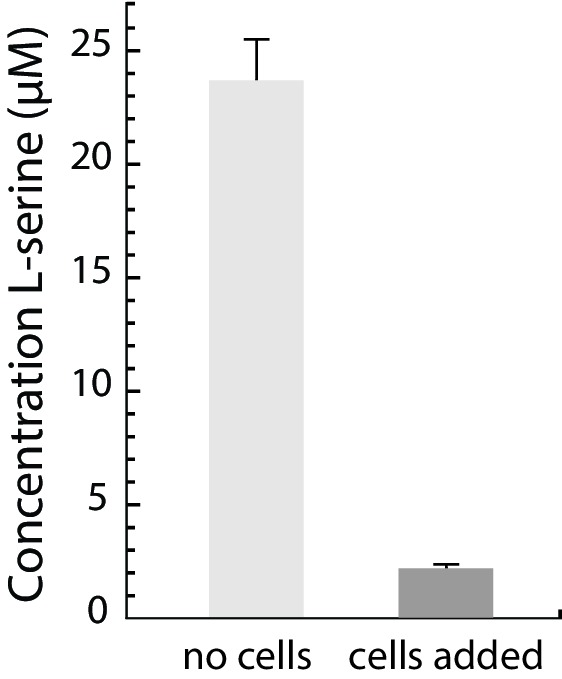
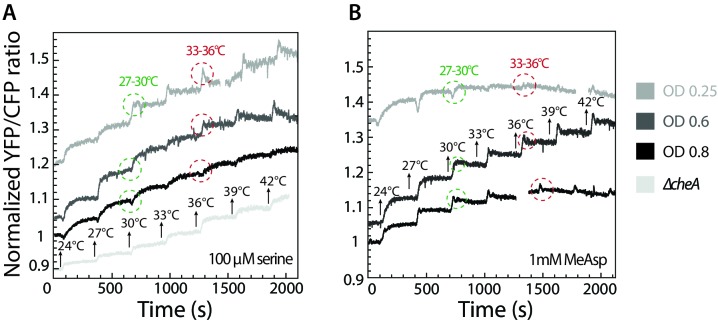
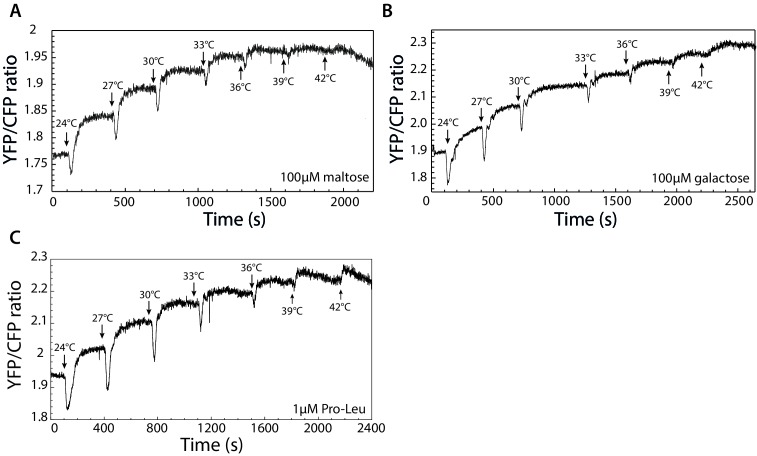
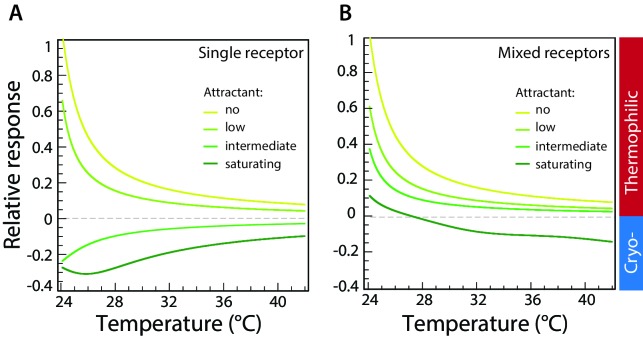
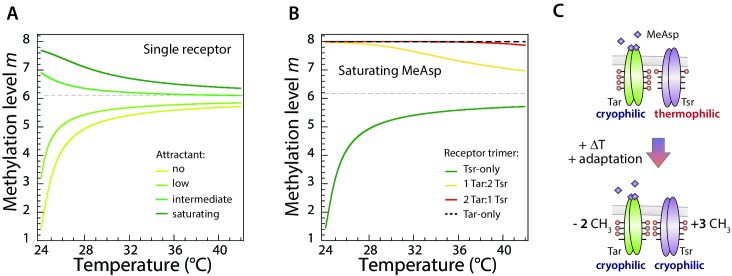
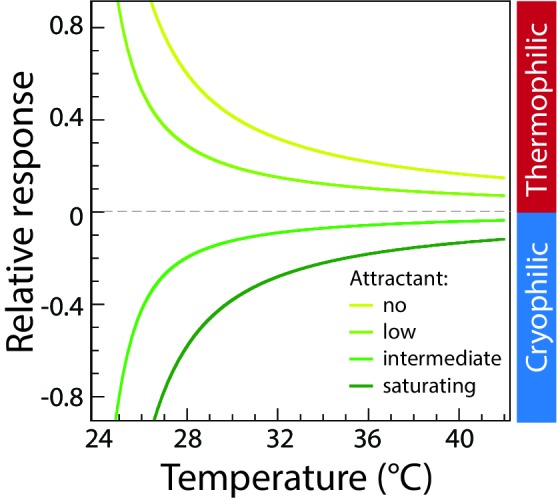
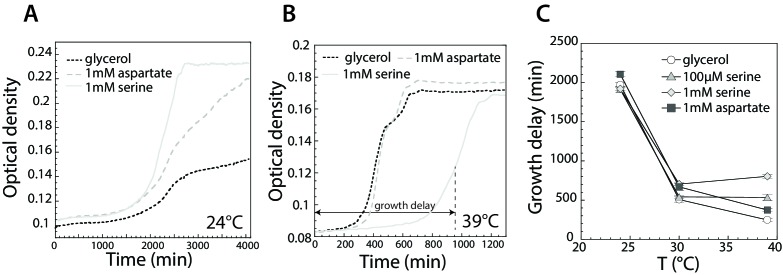
In bacteria various tactic responses are mediated by the same cellular pathway, but sensing of physical stimuli remains poorly understood. Here, we combine an in-vivo analysis of the pathway activity with a microfluidic taxis assay and mathematical modeling to investigate the thermotactic response of . We show that in the absence of chemical attractants exhibits a steady thermophilic response, the magnitude of which decreases at higher temperatures. Adaptation of wild-type cells to high levels of chemoattractants sensed by only one of the major chemoreceptors leads to inversion of the thermotactic response at intermediate temperatures and bidirectional cell accumulation in a thermal gradient. A mathematical model can explain this behavior based on the saturation-dependent kinetics of adaptive receptor methylation. Lastly, we find that the preferred accumulation temperature corresponds to optimal growth in the presence of the chemoattractant serine, pointing to a physiological relevance of the observed thermotactic behavior.
在细菌中,各种策略反应都是由相同的细胞途径介导的,但对物理刺激的感知仍知之甚少。在这里,我们将该途径活性的体内分析与微流体趋性测定法和数学建模相结合,以研究 的热趋性反应。我们表明,在没有化学引诱物的情况下, 表现出稳定的嗜热性反应,其幅度在较高温度下降低。野生型细胞对仅由主要化学感受器之一感知的化学引诱物的高水平的适应导致在中间温度下热趋性反应的反转以及在热梯度中双向细胞积累。基于适应性受体甲基化的饱和依赖性动力学的数学模型可以解释这种行为。最后,我们发现,首选的积累温度对应于在化学引诱物丝氨酸存在下的最佳生长,这表明观察到的热趋性行为具有生理相关性。