Huang Boyang, Caetano Guilherme, Vyas Cian, Blaker Jonny James, Diver Carl, Bártolo Paulo
School of Mechanical, Aerospace and Civil Engineering, University of Manchester, Manchester M13 9PL, UK.
Graduate Program in Biomedical Sciences, Herminio Ometto University Center, Araras-SP 13607-339, Brazil.
Materials (Basel). 2018 Jan 14;11(1):129. doi: 10.3390/ma11010129.
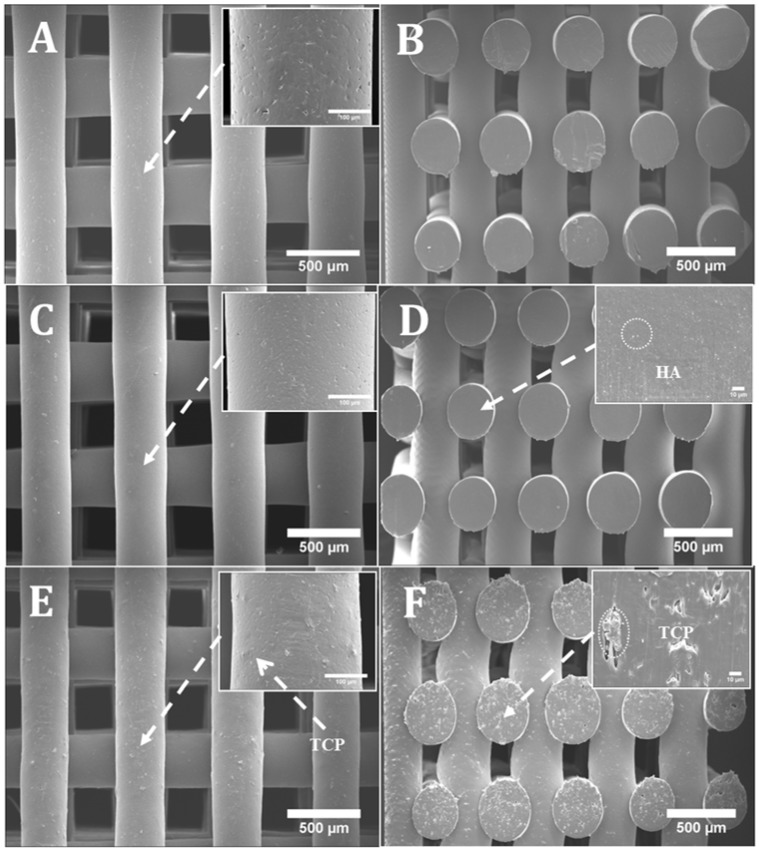
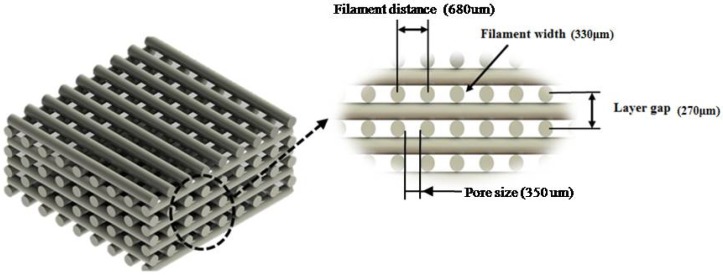
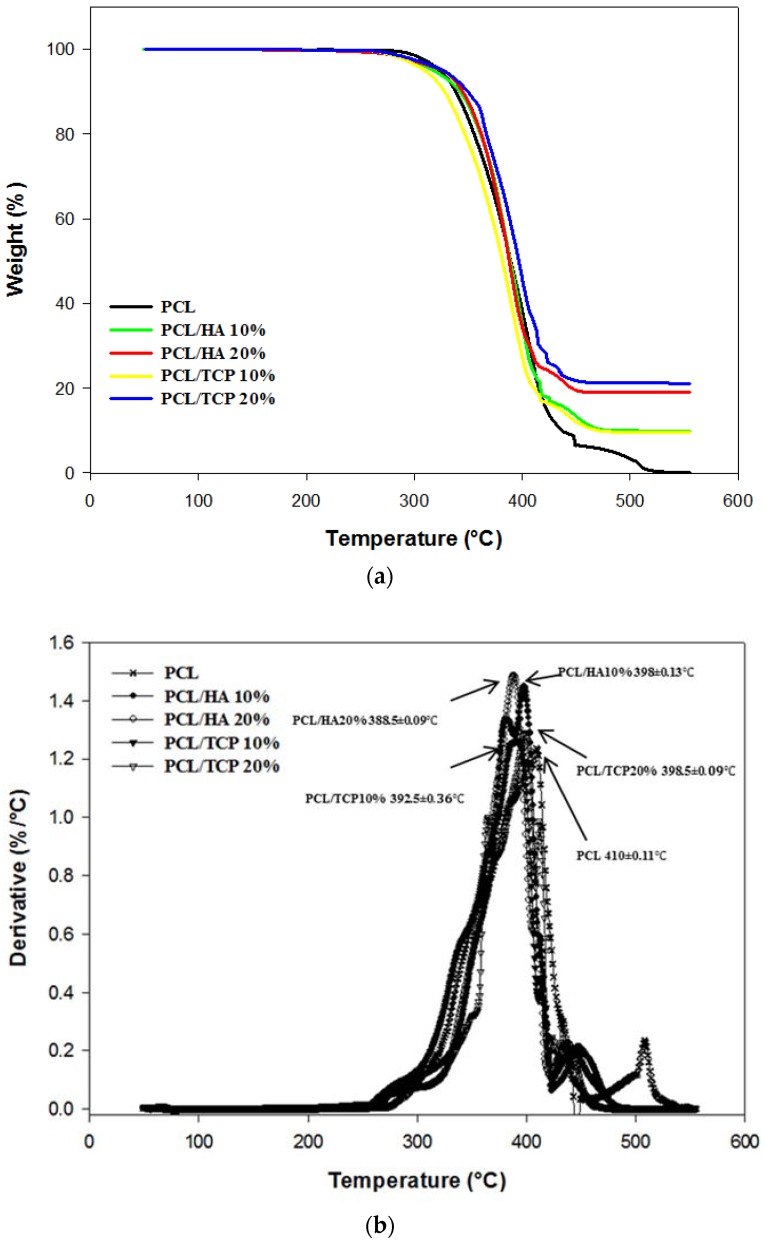
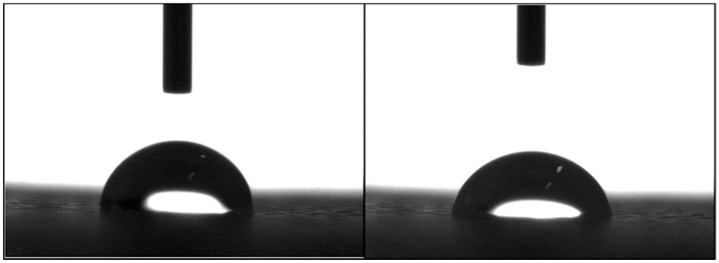
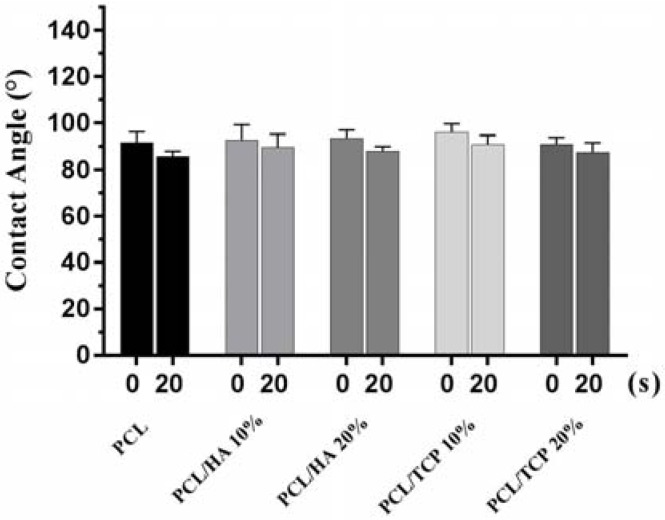
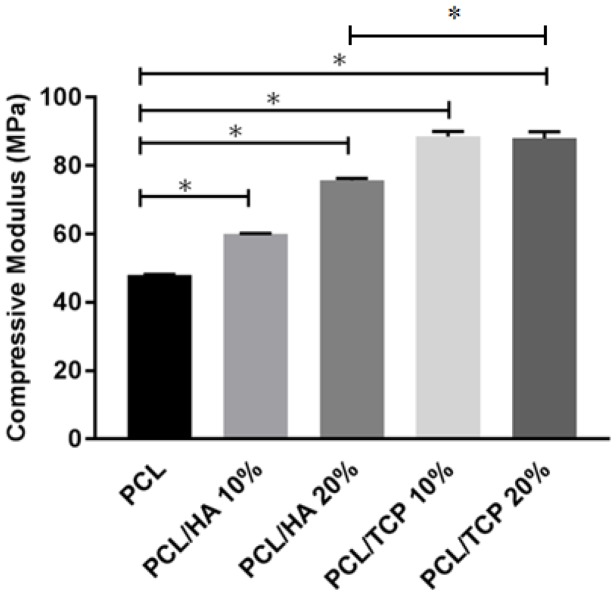
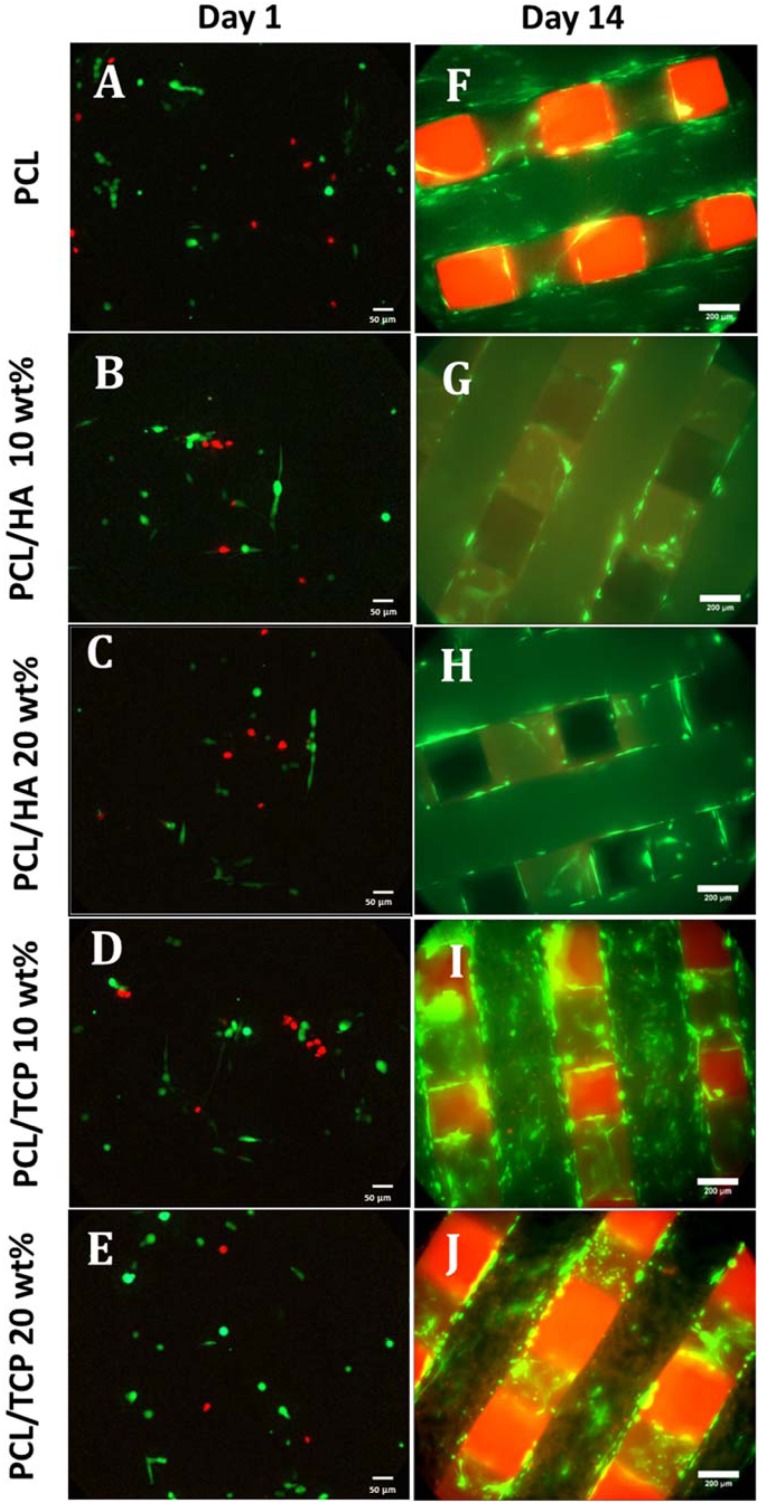
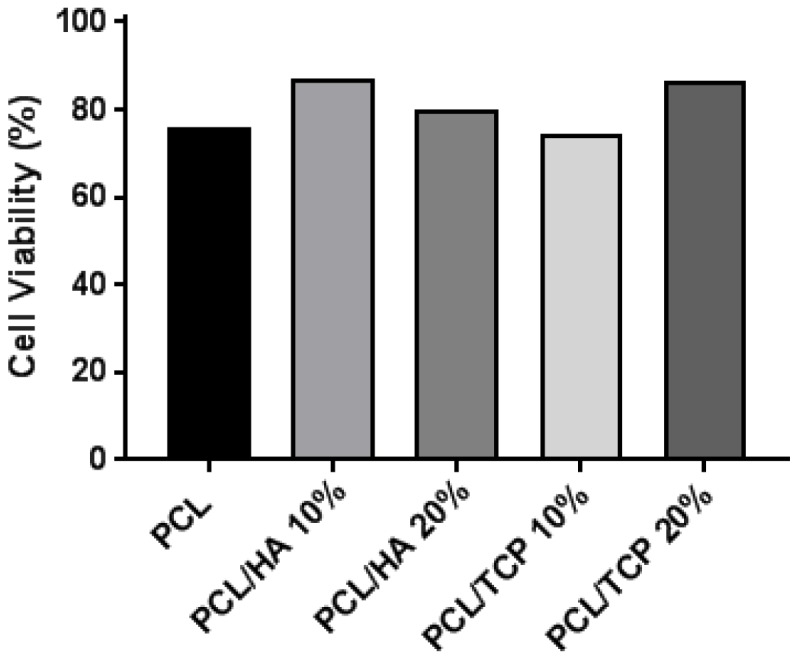
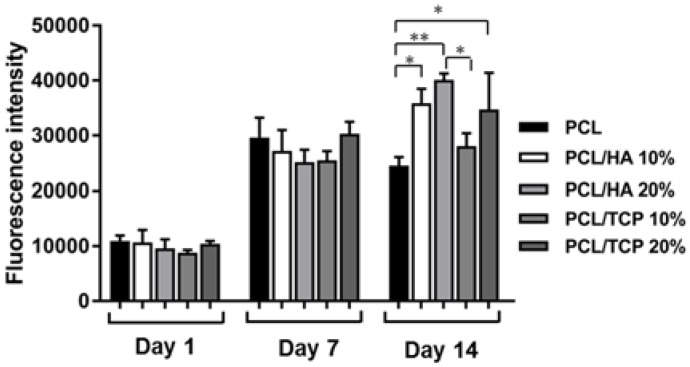
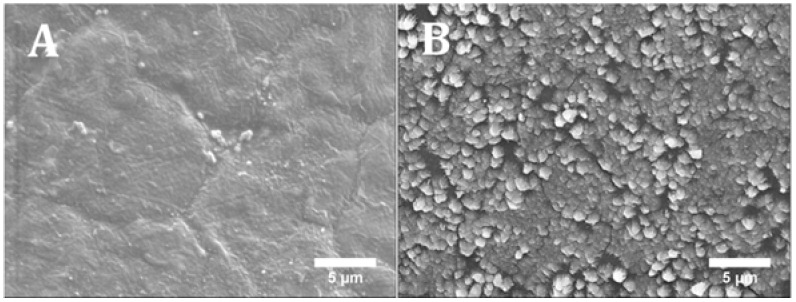
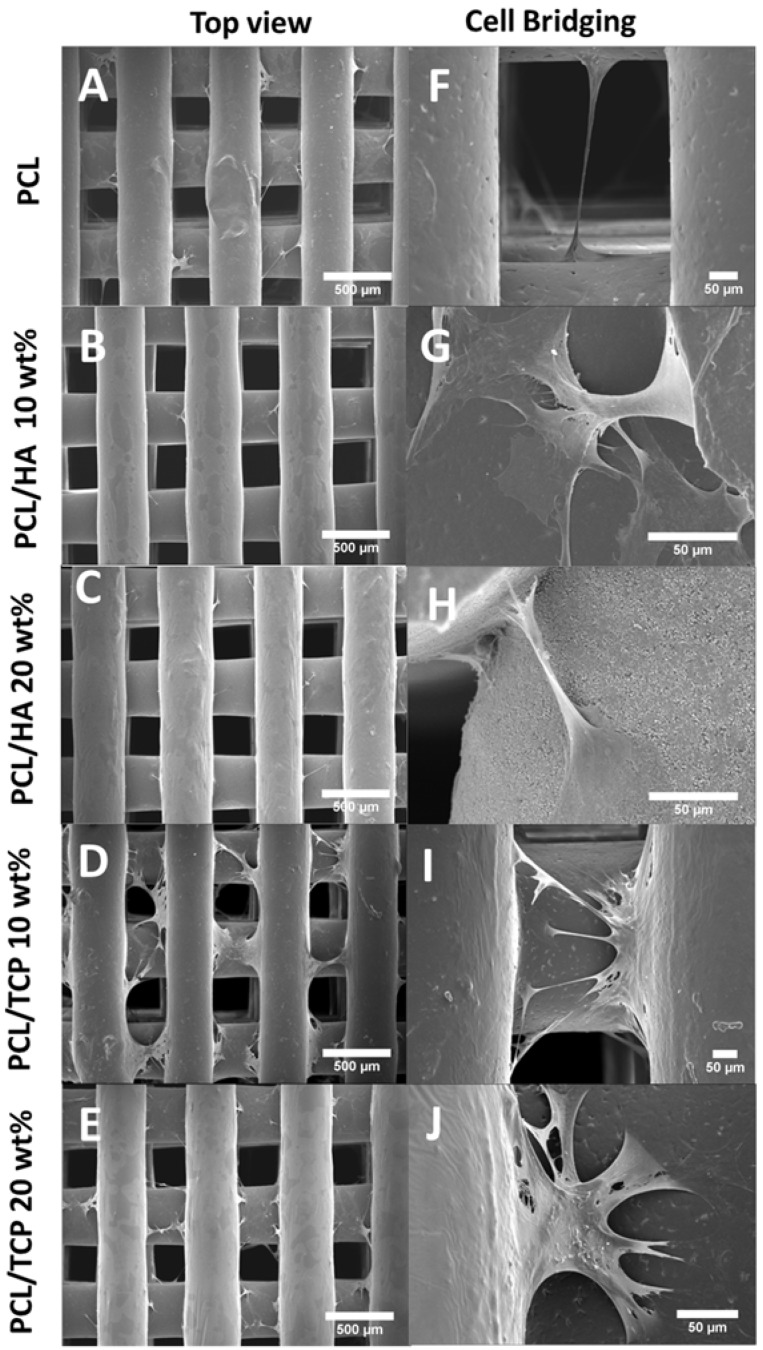
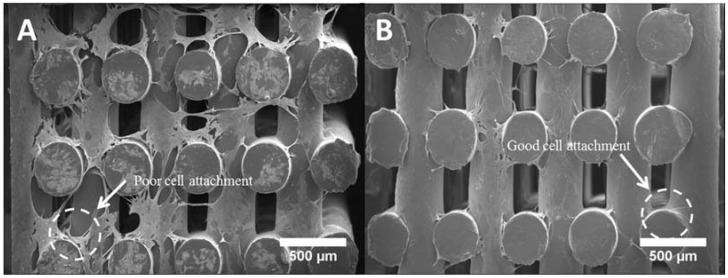
The design of bioactive scaffolds with improved mechanical and biological properties is an important topic of research. This paper investigates the use of polymer-ceramic composite scaffolds for bone tissue engineering. Different ceramic materials (hydroxyapatite (HA) and β-tri-calcium phosphate (TCP)) were mixed with poly-ε-caprolactone (PCL). Scaffolds with different material compositions were produced using an extrusion-based additive manufacturing system. The produced scaffolds were physically and chemically assessed, considering mechanical, wettability, scanning electron microscopy and thermal gravimetric tests. Cell viability, attachment and proliferation tests were performed using human adipose derived stem cells (hADSCs). Results show that scaffolds containing HA present better biological properties and TCP scaffolds present improved mechanical properties. It was also possible to observe that the addition of ceramic particles had no effect on the wettability of the scaffolds.
设计具有改善的机械和生物学性能的生物活性支架是一个重要的研究课题。本文研究了聚合物-陶瓷复合支架在骨组织工程中的应用。将不同的陶瓷材料(羟基磷灰石(HA)和β-磷酸三钙(TCP))与聚ε-己内酯(PCL)混合。使用基于挤出的增材制造系统制备了具有不同材料组成的支架。对制备的支架进行了物理和化学评估,包括机械性能、润湿性、扫描电子显微镜和热重测试。使用人脂肪来源干细胞(hADSCs)进行细胞活力、附着和增殖测试。结果表明,含有HA的支架具有更好的生物学性能,而TCP支架具有改善的机械性能。还可以观察到,添加陶瓷颗粒对支架的润湿性没有影响。