Dolka Izabella, Czopowicz Michał, Gruk-Jurka Anna, Wojtkowska Agata, Sapierzyński Rafał, Jurka Piotr
Department of Pathology and Veterinary Diagnostics, Faculty of Veterinary Medicine, Warsaw University of Life Sciences (SGGW), Warsaw, Poland.
Laboratory of Veterinary Epidemiology and Economics, Faculty of Veterinary Medicine, Warsaw University of Life Sciences (SGGW), Warsaw, Poland.
PLoS One. 2018 Jan 23;13(1):e0191595. doi: 10.1371/journal.pone.0191595. eCollection 2018.
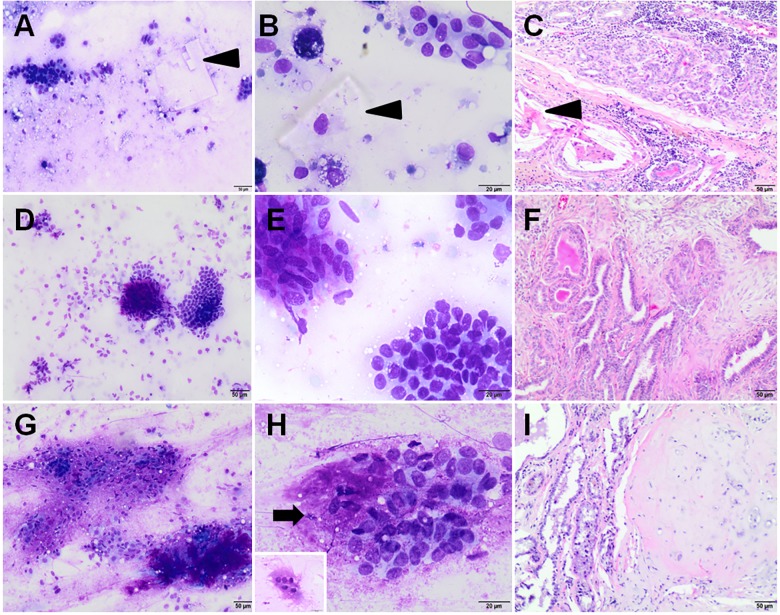
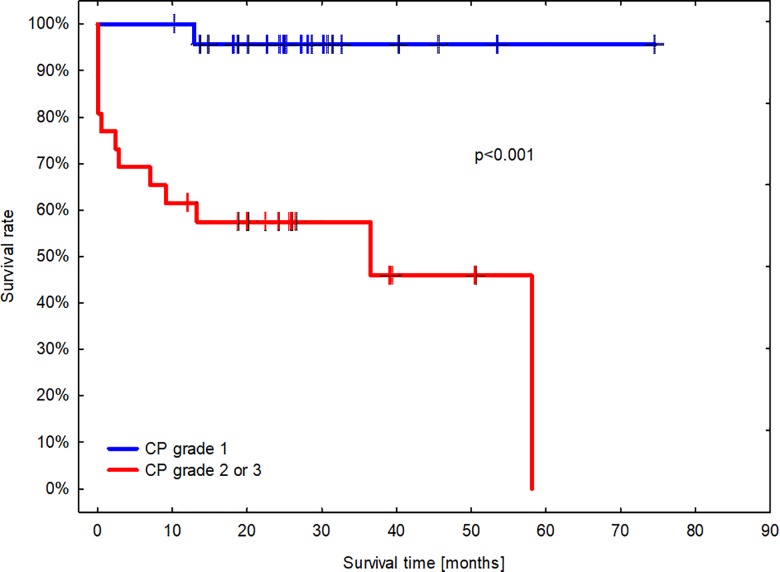
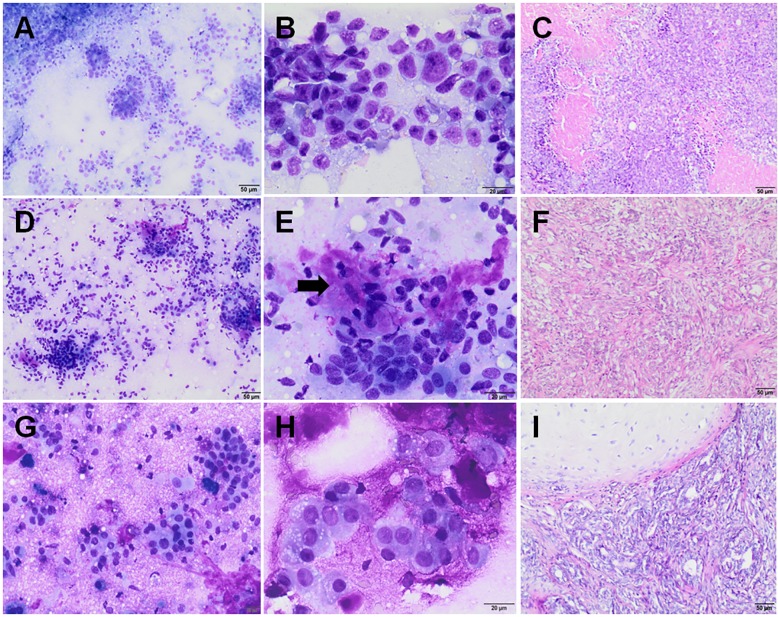
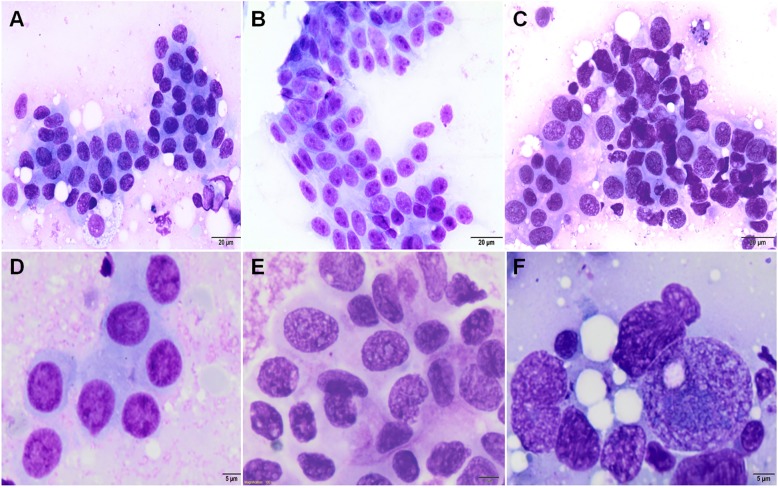
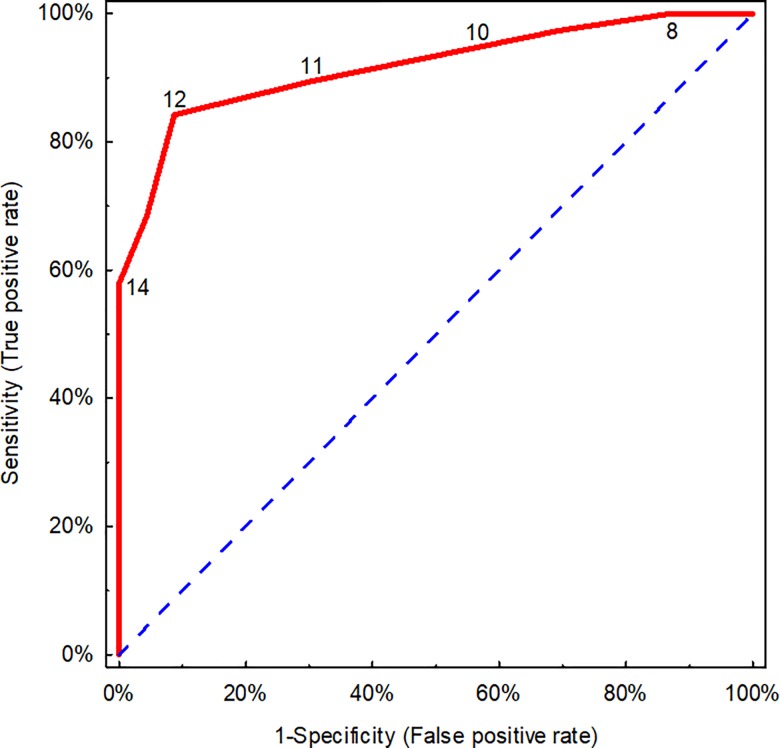
Cytology is a simple, rapid, and inexpensive method used for pre-operative diagnosis of canine mammary tumors (CMTs) in veterinary practice. Studies related to human breast cancer showed the Robinson's grading system-established for invasive ductal carcinoma, not otherwise specified (IDC, NOS) and used on cytological material-to not only closely correspond to the histopathological grading but also be helpful in assessing prognosis and selecting most suitable treatments before surgery. The objectives of this study were: to evaluate the accuracy of cytological diagnosis and cytological Robinson's grading system compared to the histopathological examination of CMTs; to compare of cytological features and cytomorphometric parameters with tumor behavior, as well as cytological and histological grading; and to determine an association of the Robinson's grading system and cytological background details with metastases, and patients' survival. We report substantial diagnostic accuracy in detecting simple types and high grade tumors. Cytological diagnosis of tumor behavior showed relatively low sensitivity and specificity compared to human studies, and this might be caused by the heterogeneous morphology of CMTs. The presence of mucosecretory material and extracellular matrix was not significantly associated with tumor behavior. We report a positive correlation between both grading systems and cytological features (included in Robinson's grading), the presence of necrotic debris, inflammation, and red blood cells. A negative correlation was determined only for the presence of extracellular matrix. The univariate and multivariate analyses confirmed a significantly higher risk of developing metastasis and shorter overall survival for dogs with tumors of grade 2 or 3 on cytology. In addition, these tumors were the most common cause of CMT-related deaths in dogs. Taken together, our findings suggest that the Robinson's method of cytological grading applied for malignant CMTs evaluated in cytological smears regardless of tumor type can be adapted to veterinary cytology. Additionally, some background features seem to aid malignancy assessment.
细胞学是兽医实践中用于犬乳腺肿瘤(CMTs)术前诊断的一种简单、快速且廉价的方法。与人类乳腺癌相关的研究表明,为浸润性导管癌(未另行规定,IDC,NOS)建立并用于细胞学材料的罗宾逊分级系统,不仅与组织病理学分级密切相关,而且有助于在手术前评估预后和选择最合适的治疗方法。本研究的目的是:评估CMTs细胞学诊断和细胞学罗宾逊分级系统与组织病理学检查相比的准确性;比较细胞学特征和细胞形态计量学参数与肿瘤行为以及细胞学和组织学分级;确定罗宾逊分级系统和细胞学背景细节与转移及患者生存的关联。我们报告了在检测简单类型和高级别肿瘤方面具有较高的诊断准确性。与人类研究相比,肿瘤行为的细胞学诊断显示出相对较低的敏感性和特异性,这可能是由于CMTs形态的异质性所致。粘液分泌物质和细胞外基质的存在与肿瘤行为无显著关联。我们报告了两种分级系统与细胞学特征(包括在罗宾逊分级中)、坏死碎片、炎症和红细胞的存在之间存在正相关。仅确定细胞外基质的存在与负相关。单变量和多变量分析证实,细胞学分级为2级或3级的犬发生转移的风险显著更高,总生存期更短。此外,这些肿瘤是犬CMT相关死亡的最常见原因。综上所述,我们的研究结果表明,无论肿瘤类型如何,应用于细胞学涂片评估的恶性CMTs的罗宾逊细胞学分级方法可适用于兽医细胞学。此外,一些背景特征似乎有助于恶性评估。