Liu Zhi-Hua, Xie Shangxian, Lin Furong, Jin Mingjie, Yuan Joshua S
1Synthetic and Systems Biology Innovation Hub (SSBiH), Texas A&M University, College Station, TX 77843 USA.
2Department of Plant Pathology and Microbiology, Texas A&M University, College Station, TX 77843 USA.
Biotechnol Biofuels. 2018 Jan 29;11:21. doi: 10.1186/s13068-018-1021-3. eCollection 2018.
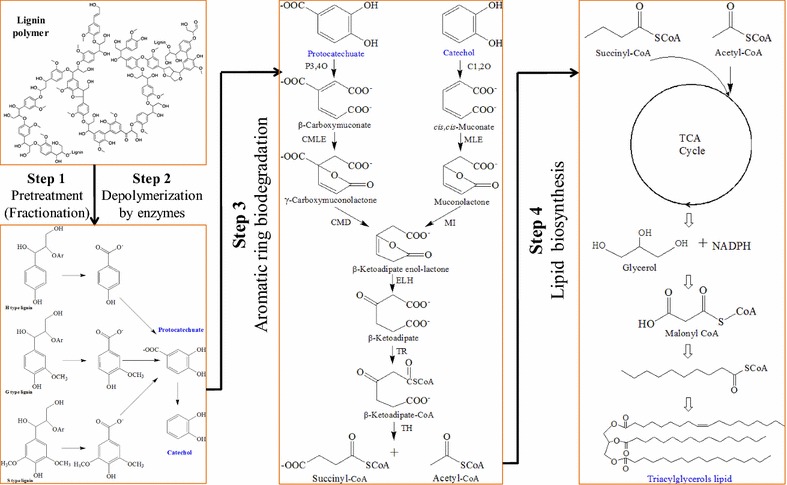
Lignin valorization has recently been considered to be an essential process for sustainable and cost-effective biorefineries. Lignin represents a potential new feedstock for value-added products. Oleaginous bacteria such as can produce intracellular lipids from biodegradation of aromatic substrates. These lipids can be used for biofuel production, which can potentially replace petroleum-derived chemicals. However, the low reactivity of lignin produced from pretreatment and the underdeveloped fermentation technology hindered lignin bioconversion to lipids. In this study, combinatorial pretreatment with an optimized fermentation strategy was evaluated to improve lignin valorization into lipids using PD630.
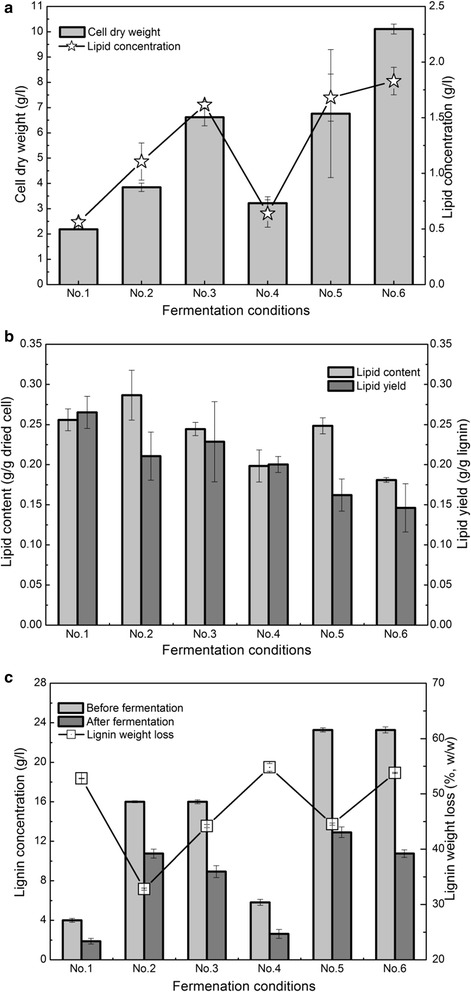
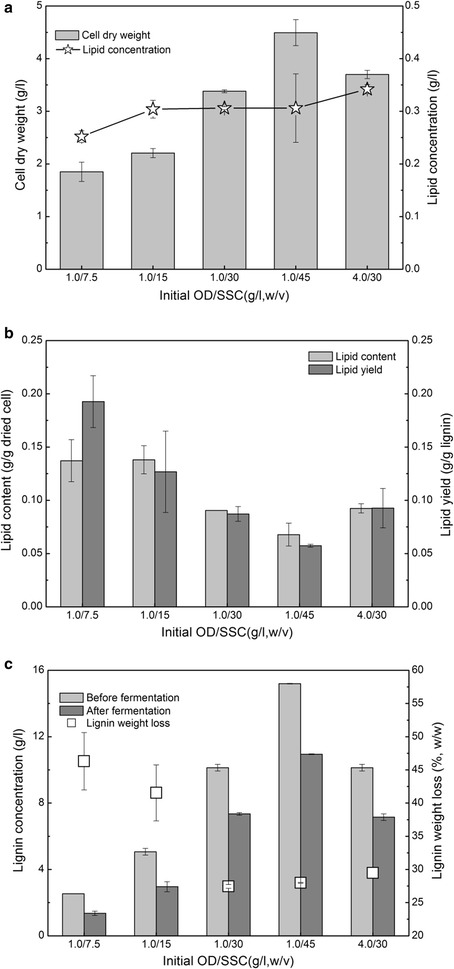
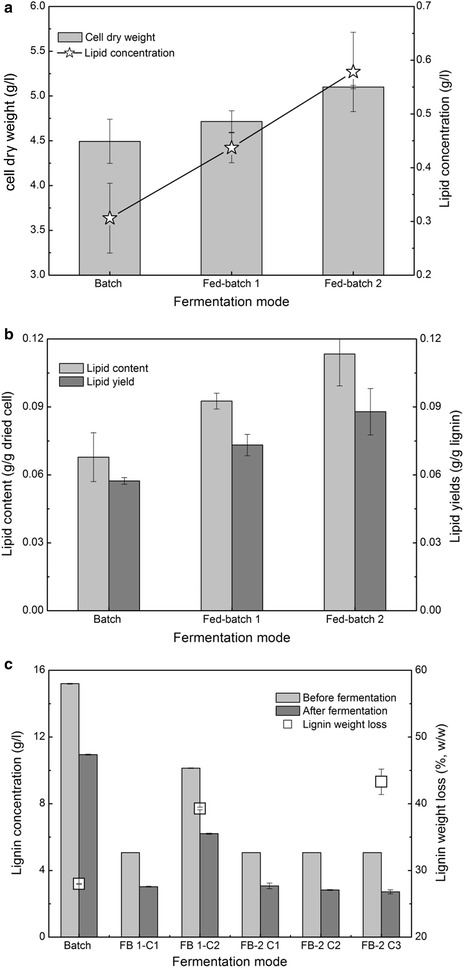
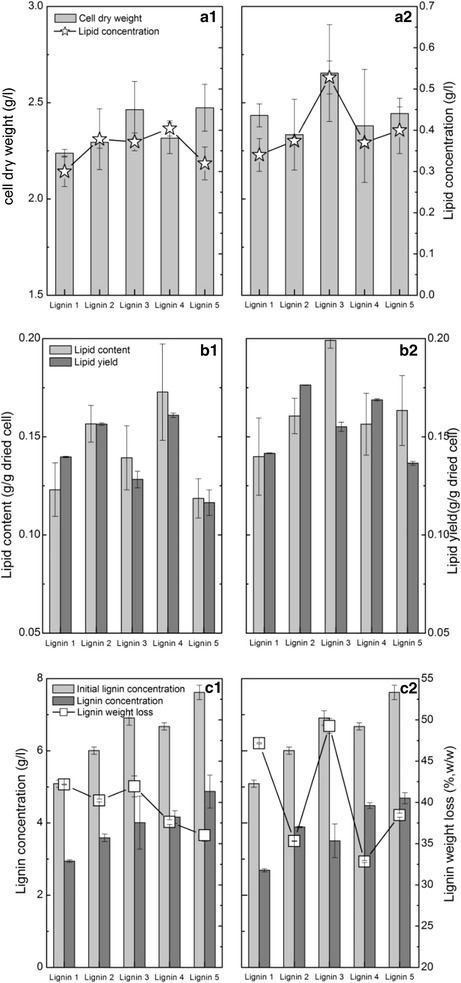
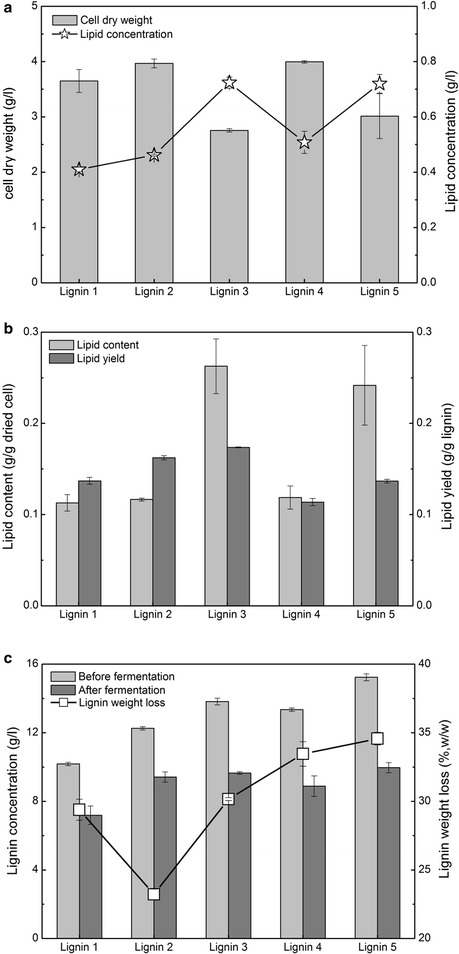
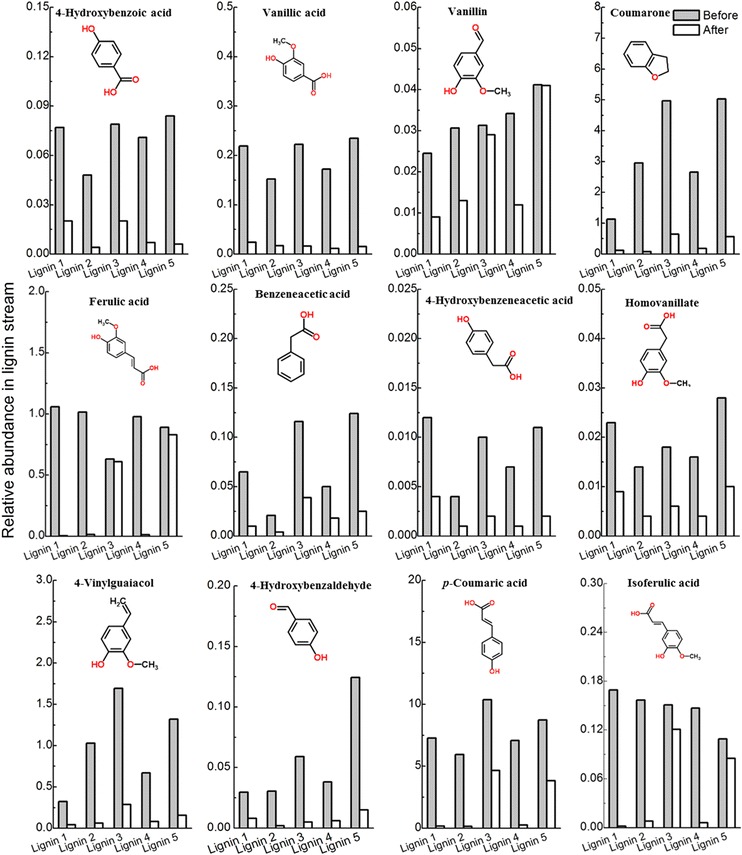
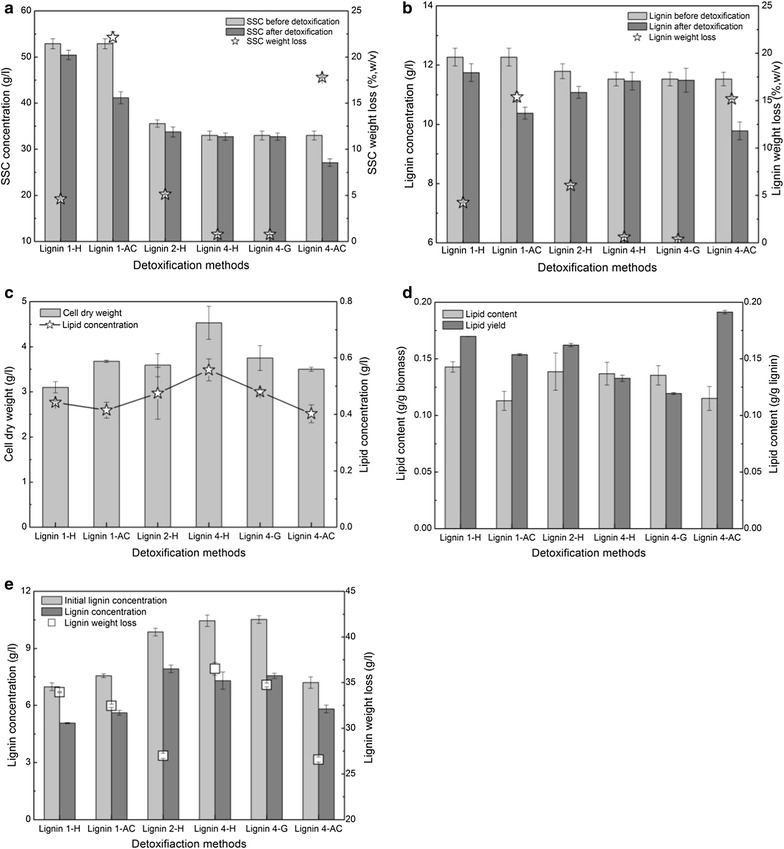
As opposed to single pretreatment, combinatorial pretreatment produced a 12.8-75.6% higher lipid concentration in fermentation using lignin as the carbon source. Gas chromatography-mass spectrometry analysis showed that combinatorial pretreatment released more aromatic monomers, which could be more readily utilized by lignin-degrading strains. Three detoxification strategies were used to remove potential inhibitors produced from pretreatment. After heating detoxification of the lignin stream, the lipid concentration further increased by 2.9-9.7%. Different fermentation strategies were evaluated in scale-up lipid fermentation using a 2.0-l fermenter. With laccase treatment of the lignin stream produced from combinatorial pretreatment, the highest cell dry weight and lipid concentration were 10.1 and 1.83 g/l, respectively, in fed-batch fermentation, with a total soluble substrate concentration of 40 g/l. The improvement of the lipid fermentation performance may have resulted from lignin depolymerization by the combinatorial pretreatment and laccase treatment, reduced inhibition effects by fed-batch fermentation, adequate oxygen supply, and an accurate pH control in the fermenter.
Overall, these results demonstrate that combinatorial pretreatment, together with fermentation optimization, favorably improves lipid production using lignin as the carbon source. Combinatorial pretreatment integrated with fed-batch fermentation was an effective strategy to improve the bioconversion of lignin into lipids, thus facilitating lignin valorization in biorefineries.
木质素增值最近被认为是可持续且具有成本效益的生物精炼厂的一个重要过程。木质素是一种潜在的增值产品新原料。产油细菌如[具体细菌名称未给出]可以通过芳香族底物的生物降解产生细胞内脂质。这些脂质可用于生物燃料生产,有可能替代石油衍生化学品。然而,预处理产生的木质素反应活性低以及发酵技术不完善阻碍了木质素向脂质的生物转化。在本研究中,评估了组合预处理与优化的发酵策略,以提高利用PD630将木质素转化为脂质的效率。
与单一预处理相反,组合预处理在以木质素为碳源的发酵中产生的脂质浓度高出12.8 - 75.6%。气相色谱 - 质谱分析表明,组合预处理释放出更多芳香族单体,木质素降解菌株能够更轻松地利用这些单体。采用了三种解毒策略来去除预处理产生的潜在抑制剂。对木质素流进行加热解毒后,脂质浓度进一步提高了2.9 - 9.7%。在使用2.0升发酵罐进行的放大脂质发酵中评估了不同的发酵策略。通过漆酶处理组合预处理产生的木质素流,在补料分批发酵中,最高细胞干重和脂质浓度分别为10.1克/升和1.83克/升,总可溶性底物浓度为40克/升。脂质发酵性能的提高可能是由于组合预处理和漆酶处理使木质素解聚、补料分批发酵降低了抑制作用、充足的氧气供应以及发酵罐中精确的pH控制。
总体而言,这些结果表明组合预处理与发酵优化相结合,有利于提高以木质素为碳源的脂质产量。组合预处理与补料分批发酵相结合是提高木质素向脂质生物转化的有效策略,从而促进生物精炼厂中木质素的增值。