Department of Animal and Dairy Sciences, Mississippi State University, Mississippi State, MS, 39762, USA.
Center for Nanobiotechnology Research, Alabama State University, Montgomery, AL, USA.
J Nanobiotechnology. 2018 Mar 27;16(1):31. doi: 10.1186/s12951-018-0355-0.
Synthesis of silver nano-compounds with enhanced antimicrobial effects is of great interest for the development of new antibacterial agents. Previous studies have reported the antibacterial properties of pegylated silver-coated carbon nanotubes (pSWCNT-Ag) showing less toxicity in human cell lines. However, the mechanism underlining the pSWCNT-Ag as a bactericidal agent remained unfolded. Here we assessed the pSWCNT-Ag effects against foodborne pathogenic bacteria growth and proteome profile changes.
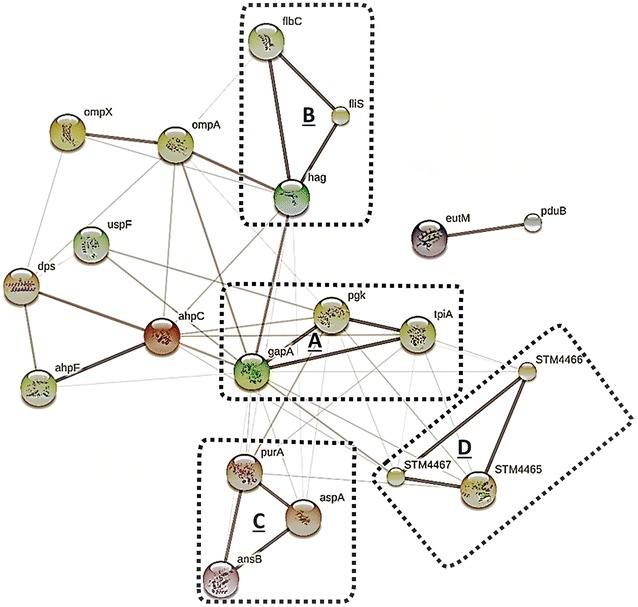
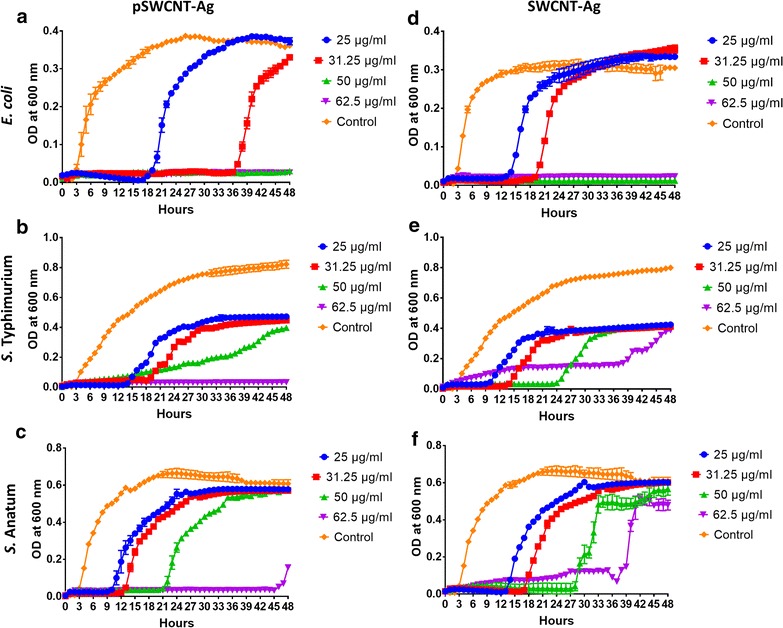
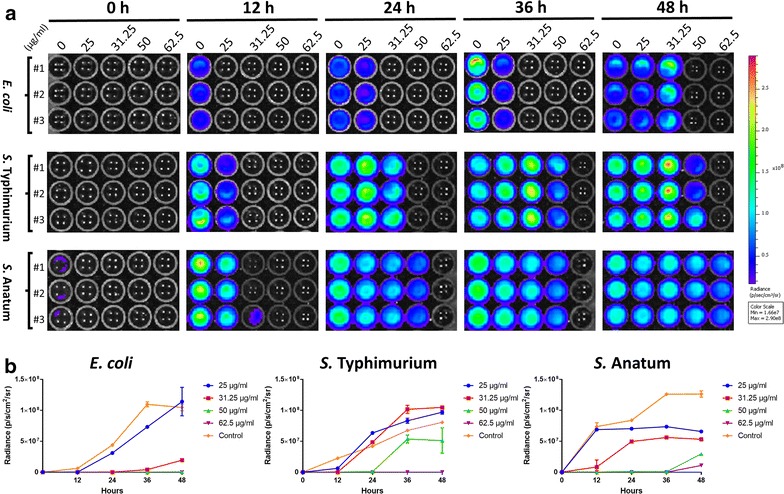
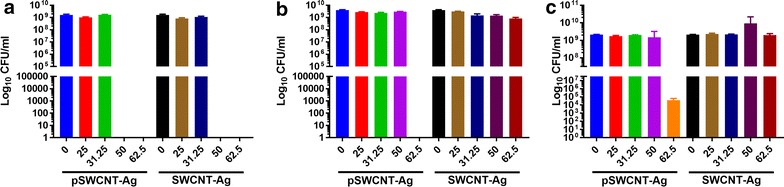
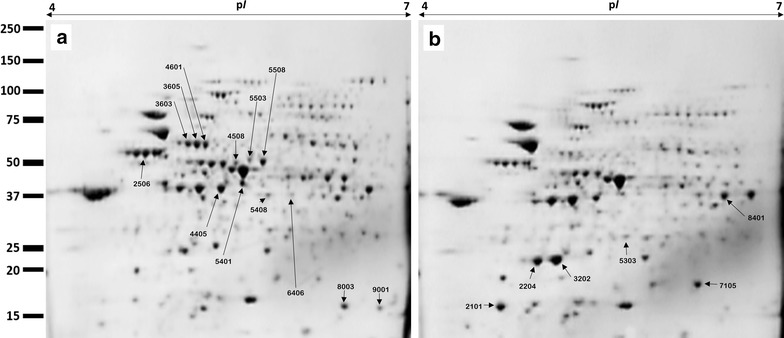
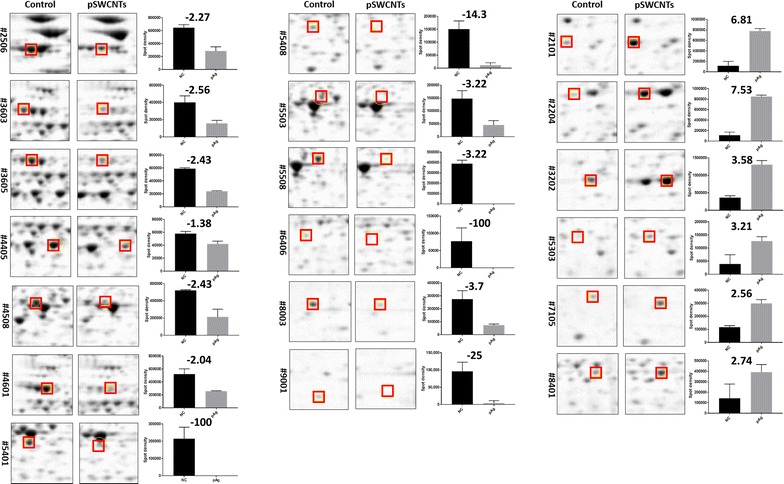
Measurements of bioluminescent imaging, optical density, and bacteria colony forming units revealed dose-dependent and stronger bactericidal activity of pSWCNT-Ag than their non-pegylated counterparts (SWCNT-Ag). In ovo administration of pSWCNT-Ag or phosphate-buffered saline resulted in comparable chicken embryo development and growth. The proteomic analysis, using two-dimensional electrophoresis combined with matrix assisted laser desorption/ionization time of flight/time of flight mass spectrometry, was performed on control and surviving Salmonella enterica serovar Typhimurium to pSWCNT-Ag. A total of 15 proteins (ten up-regulated and five down-regulated) differentially expressed proteins were identified. Functional analyses showed significant reduction of proteins associated with biofilm formation, nutrient and energy metabolism, quorum sensing and maintenance of cell structure and cell motility in surviving S. Typhimurium. In contrast, proteins associated with oxygen stress, DNA protection, starvation, membrane rebuilding, and alternative nutrient formation were induced as the compensatory reaction.
This study provides further evidence of the antibacterial effects of pSWCNT-Ag nanocomposites and knowledge of their mechanism of action through various protein changes. The findings may lead to the development of more effective and safe antimicrobial agents.
合成具有增强抗菌效果的银纳米复合物对于开发新型抗菌剂具有重要意义。先前的研究已经报道了经聚乙二醇化的银涂覆的碳纳米管(pSWCNT-Ag)具有较低的人细胞系毒性的抗菌特性。然而,作为杀菌剂的 pSWCNT-Ag 的作用机制仍未阐明。在这里,我们评估了 pSWCNT-Ag 对食源性病原体生长和蛋白质组谱变化的影响。
生物发光成像、光密度和细菌菌落形成单位的测量结果表明,pSWCNT-Ag 的杀菌活性比其非聚乙二醇化对应物(SWCNT-Ag)更强,且呈剂量依赖性。pSWCNT-Ag 或磷酸盐缓冲盐水在鸡胚中的给药导致鸡胚发育和生长相当。使用二维电泳结合基质辅助激光解吸/电离飞行时间/飞行时间质谱对对照和存活的鼠伤寒沙门氏菌进行蛋白质组分析。总共鉴定出 15 种差异表达蛋白(10 种上调和 5 种下调)。功能分析显示,存活的鼠伤寒沙门氏菌中与生物膜形成、营养和能量代谢、群体感应和维持细胞结构以及细胞运动相关的蛋白显著减少。相比之下,与氧应激、DNA 保护、饥饿、膜重建和替代营养形成相关的蛋白被诱导作为补偿反应。
这项研究通过各种蛋白质变化提供了 pSWCNT-Ag 纳米复合材料的抗菌效果的进一步证据和作用机制的知识。这些发现可能导致开发更有效和安全的抗菌剂。