Antonello Jacopo, Burke Daniel, Booth Martin J
Centre for Neural Circuits and Behaviour, University of Oxford, Mansfield Road, Oxford, OX1 3SR, UK.
Department of Engineering Science, University of Oxford, Parks Road, Oxford, OX1 3PJ, UK.
Opt Commun. 2017 Dec 1;404:203-209. doi: 10.1016/j.optcom.2017.06.037.
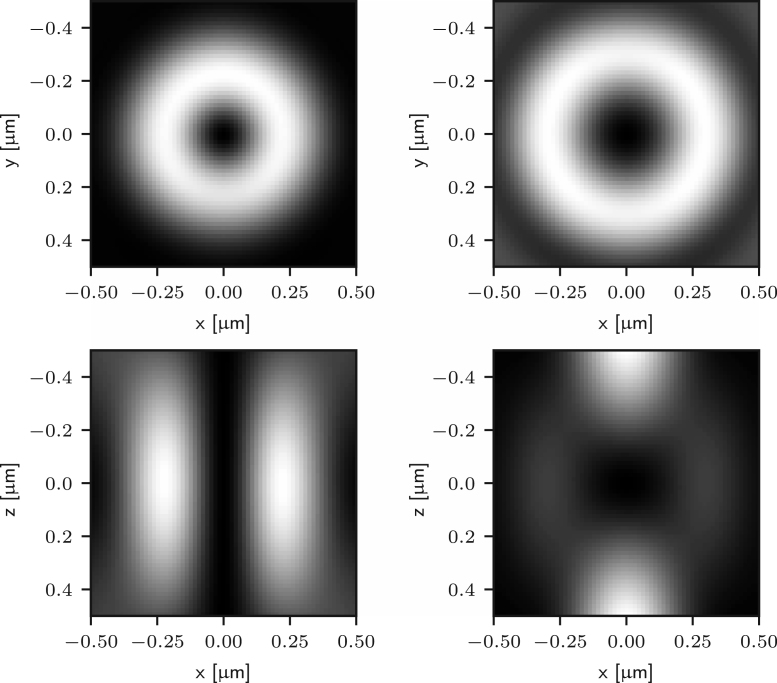
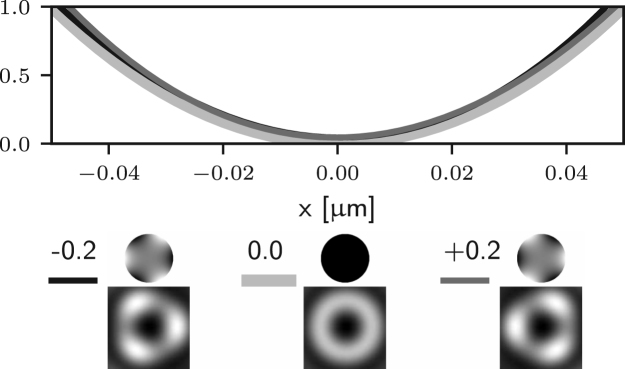
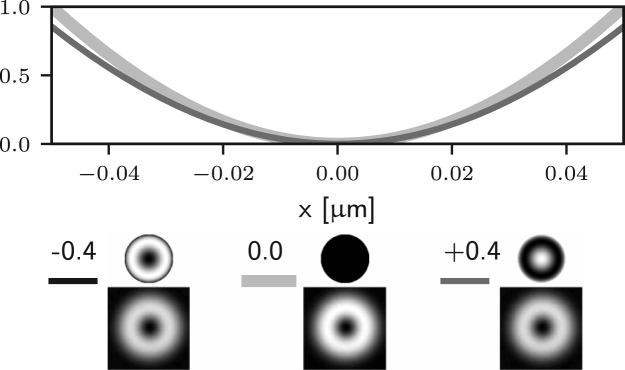
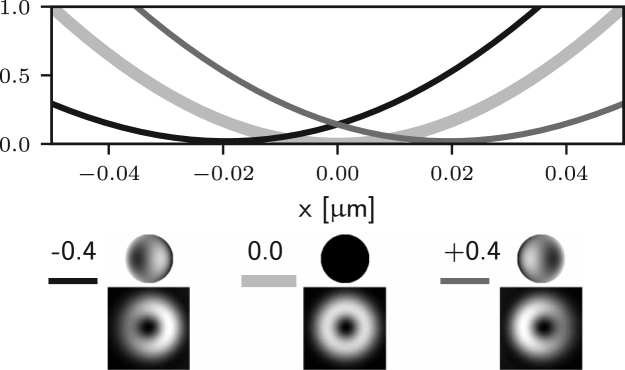
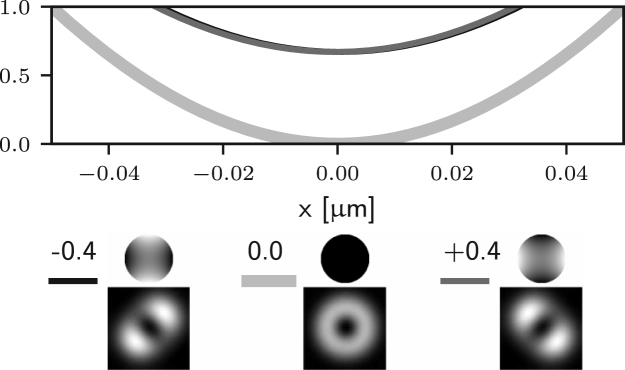
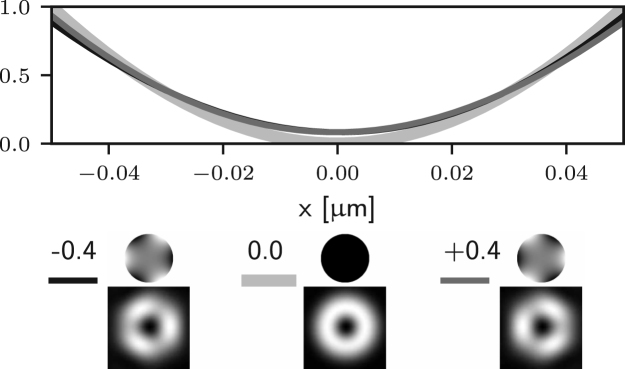
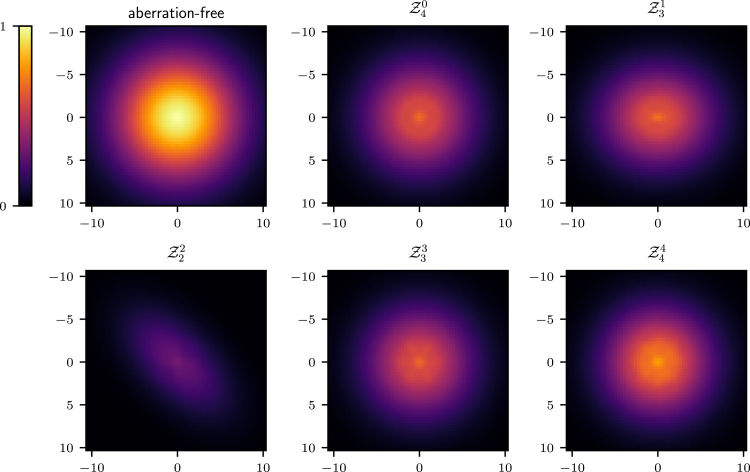
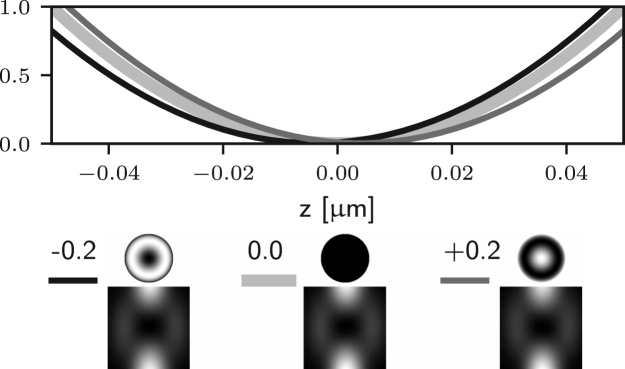
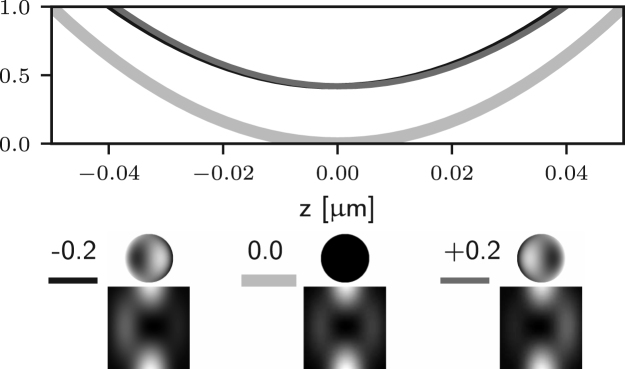
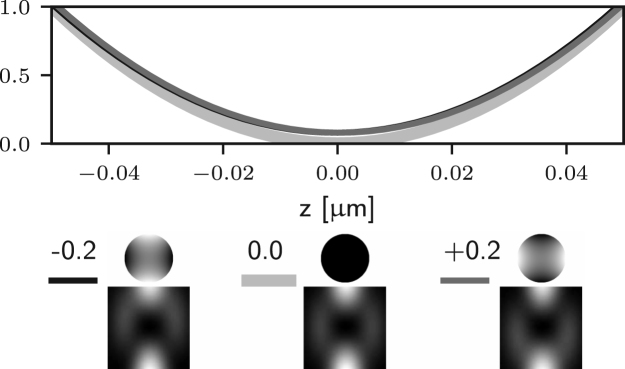
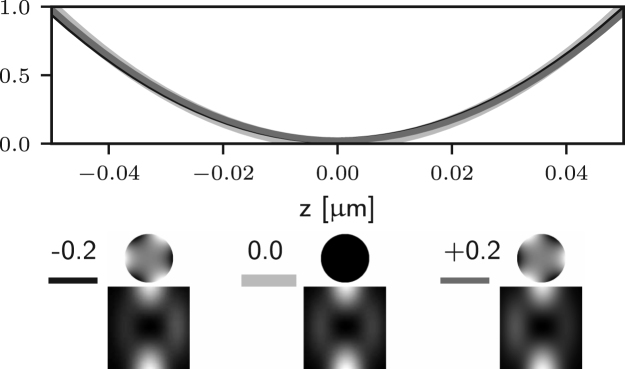
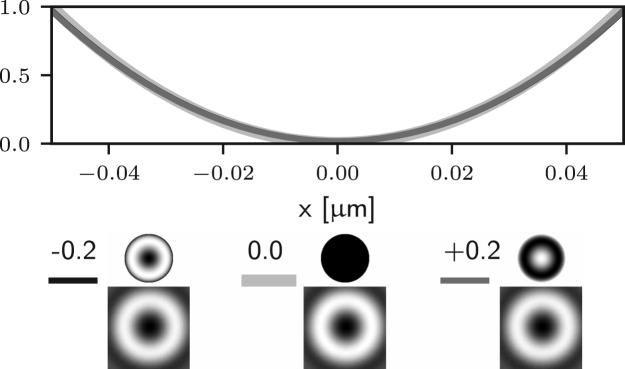
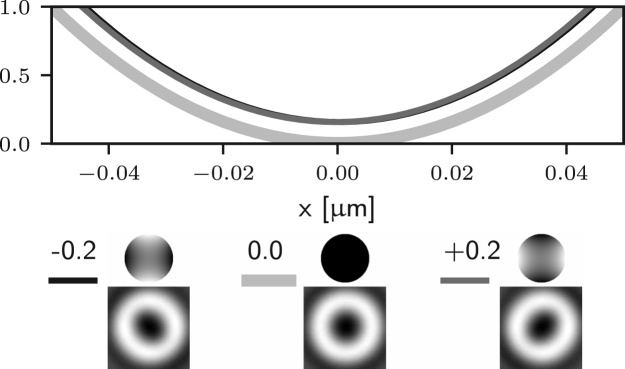
Like all methods of super-resolution microscopy, stimulated emission depletion (STED) microscopy can suffer from the effects of aberrations. The most important aspect of a STED microscope is that the depletion focus maintains a minimum, ideally zero, intensity point that is surrounded by a region of higher intensity. It follows that aberrations that cause a non-zero value of this minimum intensity are the most detrimental, as they inhibit fluorescence emission even at the centre of the depletion focus. We present analysis that elucidates the nature of these effects in terms of the different polarisation components at the focus for two-dimensional and three-dimensional STED resolution enhancement. It is found that only certain low-order aberration modes can affect the minimum intensity at the Gaussian focus. This has important consequences for the design of adaptive optics aberration correction systems.
与所有超分辨率显微镜方法一样,受激发射损耗(STED)显微镜会受到像差的影响。STED显微镜最重要的一点是,损耗焦点会保持一个强度最小值,理想情况下为零,该最小值被一个强度更高的区域包围。因此,导致这个最小强度值不为零的像差是最有害的,因为它们即使在损耗焦点的中心也会抑制荧光发射。我们进行了分析,根据二维和三维STED分辨率增强时焦点处不同的偏振分量来阐明这些效应的本质。研究发现,只有某些低阶像差模式会影响高斯焦点处的最小强度。这对自适应光学像差校正系统的设计具有重要意义。