College of Horticulture and Forestry Sciences, Huazhong Agricultural University, Wuhan 430070, China.
Hubei Engineering Technology Research Center for Forestry Information, Huazhong Agricultural University, Wuhan 430070, China.
Biomolecules. 2019 Jan 2;9(1):12. doi: 10.3390/biom9010012.
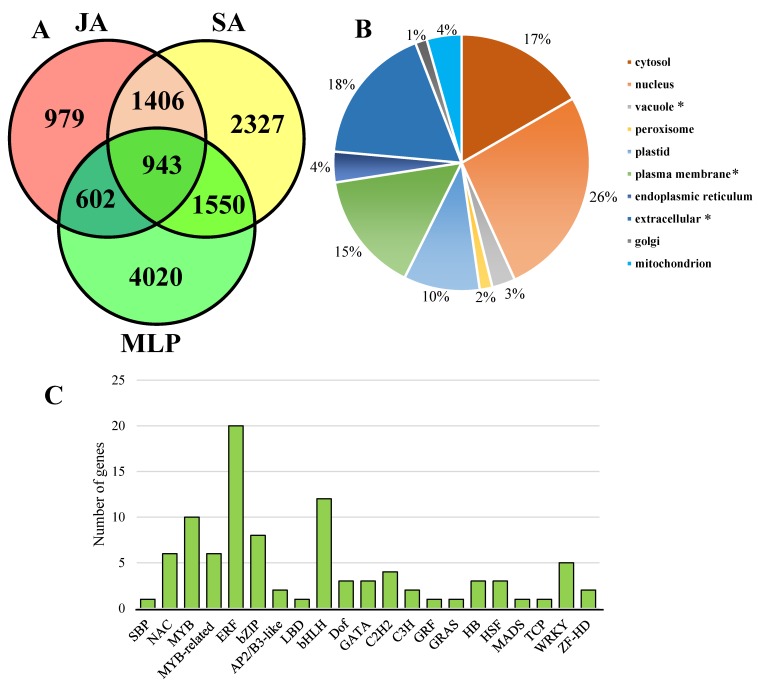
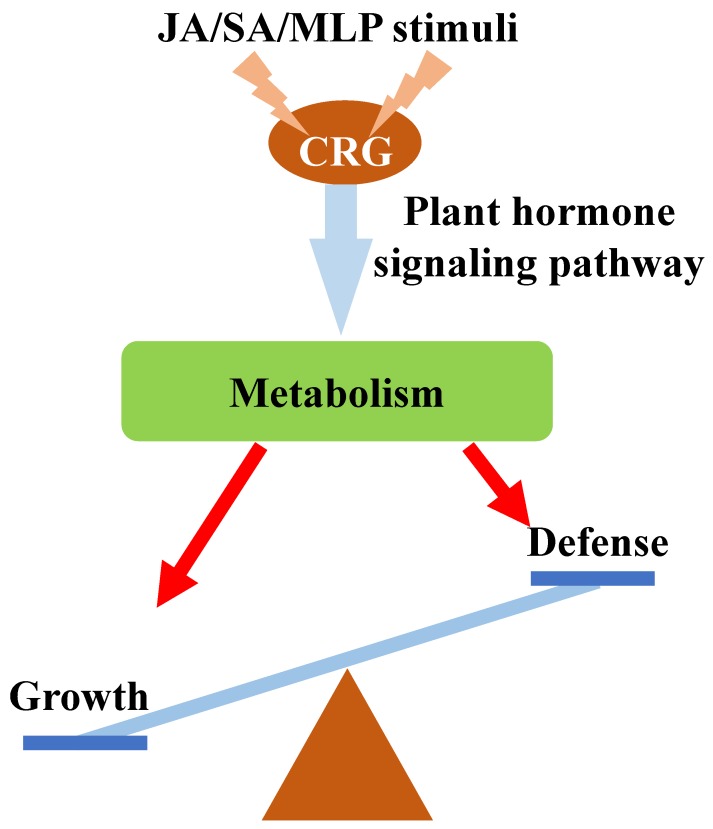
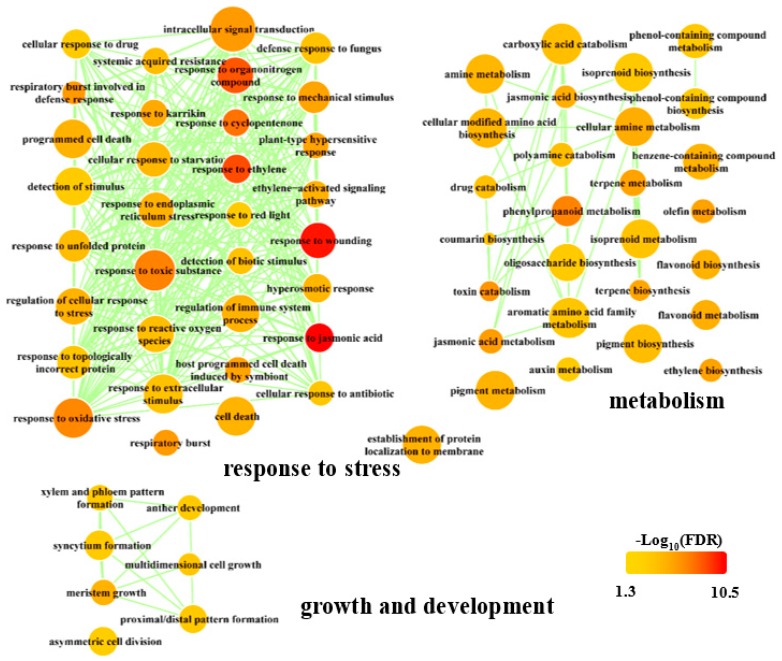
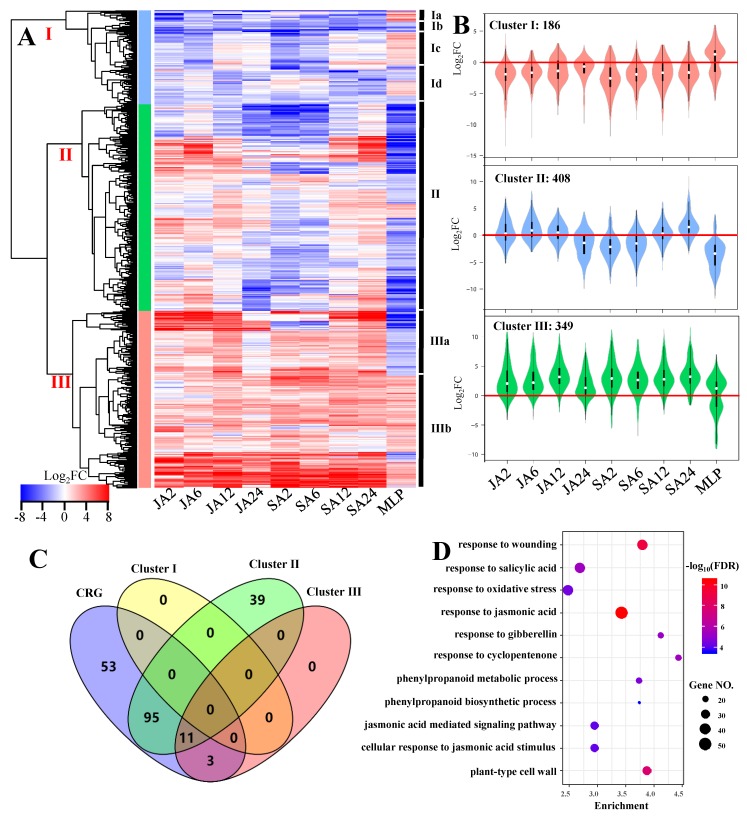
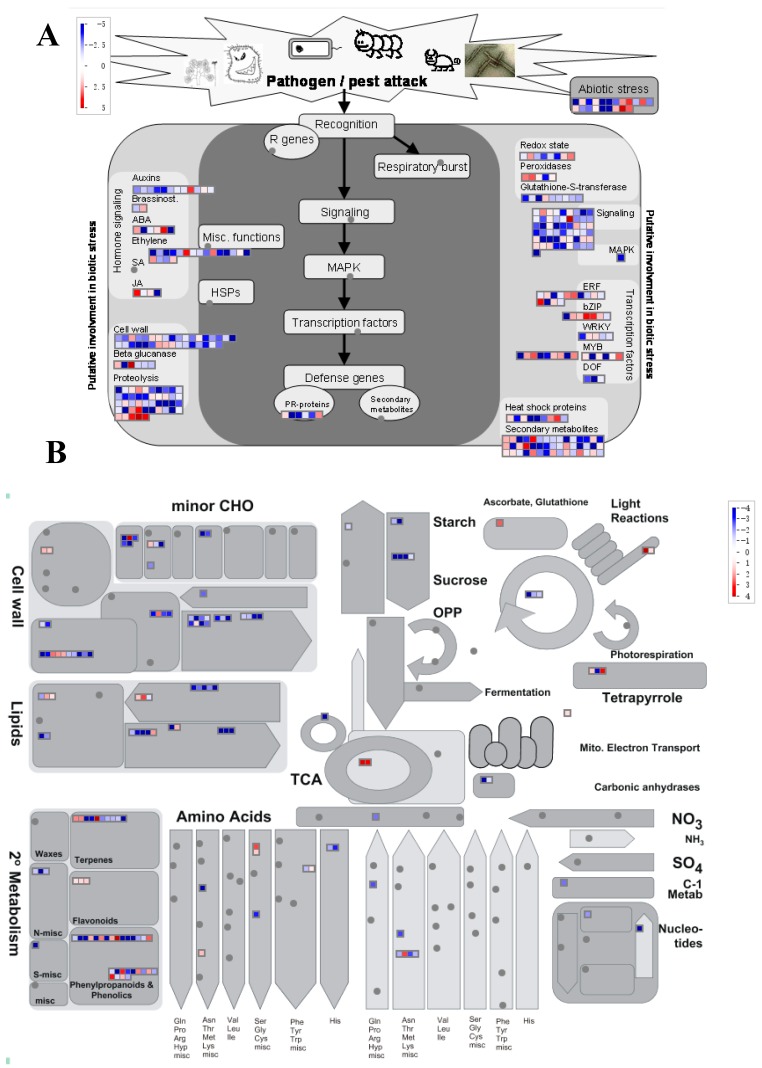
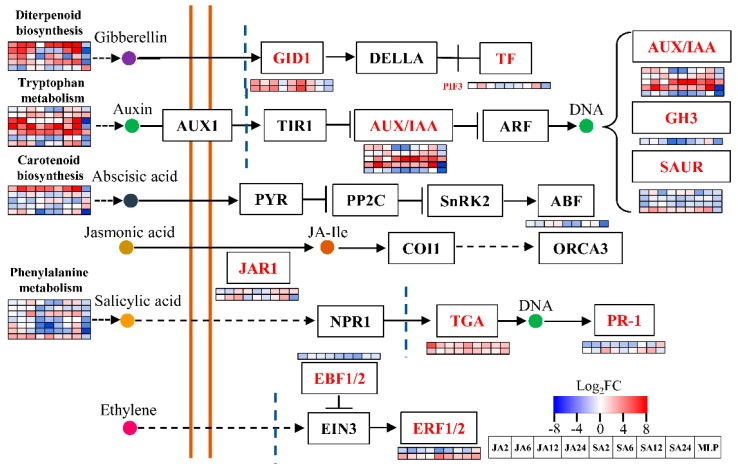
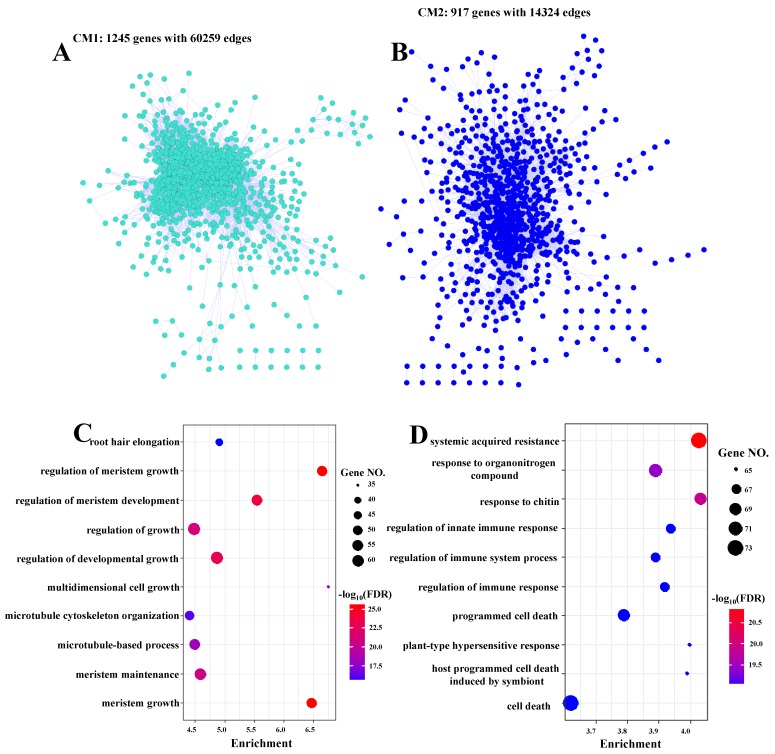
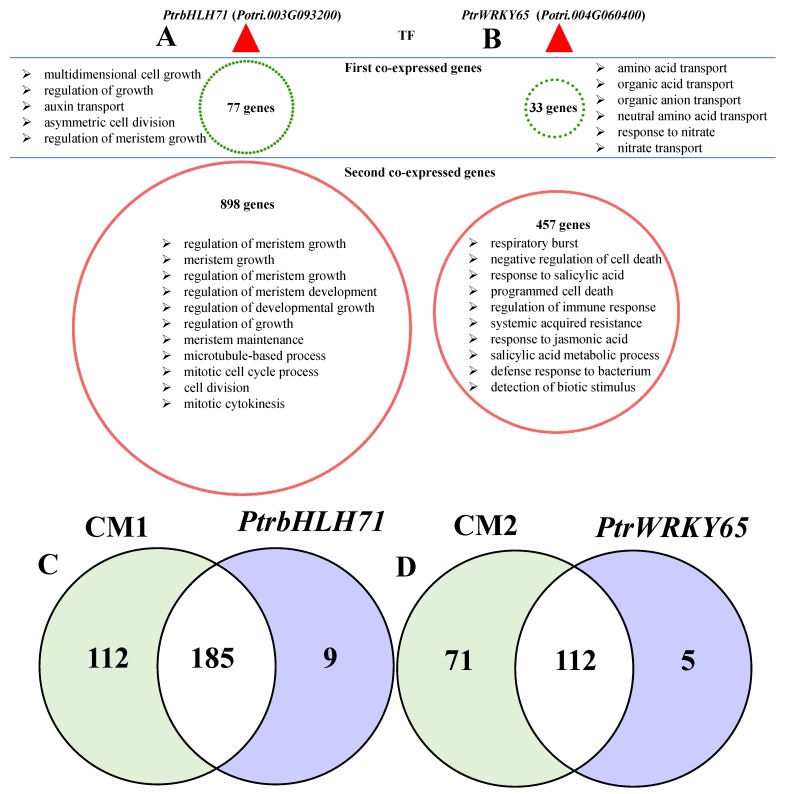
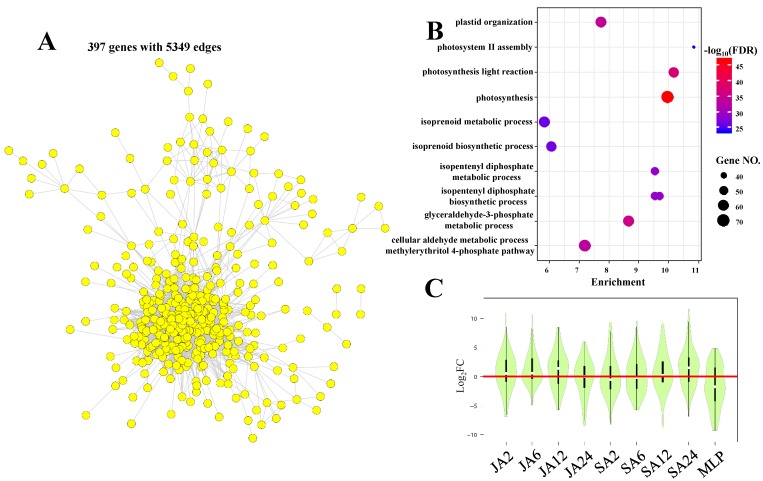
Plants have evolved a sophisticated system to respond to various stresses. Fungal attack or infection is one of the most important biotic stresses for most plants. During the defense response to fungal infection, the plant hormones jasmonic acid (JA) and salicylic acid (SA) play critical roles. Here, gene expression data on JA/SA treatments and Melampsora larici-populina (MLP) infection were generated. Integrated transcriptome analyses of these data were performed, and 943 genes in total were identified as common responsive genes (CRG). Gene ontology (GO) term analysis revealed that the genes from CRG are generally involved in the processes of stress responses, metabolism, and growth and development. The further cluster analysis of the CRG identified a set of core genes that are involved in the JA/SA-mediated response to fungal defense with distinct gene expression profiles upon JA/SA treatment, which highlighted the different effects of these two hormones on plant fungal defenses. The modifications of several pathways relative to metabolism, biotic stress, and plant hormone signal pathways suggest the possible roles of JA/SA on the regulation of growth and defense responses. Co-expression modules (CMs) were also constructed using the poplar expression data on JA, SA, M. larici-populina, Septoria musiva, and Marssonina brunnea treatment or infection. A total of 23 CMs were constructed, and different CMs clearly exhibited distinct biological functions, which conformably regulated the concerted processes in response to fungal defense. Furthermore, the GO term analysis of different CMs confirmed the roles of JA and SA in regulating growth and defense responses, and their expression profiles suggested that the growth ability was reduced when poplar deployed defense responses. Several transcription factors (TFs) among the CRG in the co-expression network were proposed as hub genes in regulating these processes. According to this study, our data finely uncovered the possible roles of JA/SA in regulating the balance between growth and defense responses by integrating multiple hormone signaling pathways. We were also able to provide more knowledge on how the plant hormones JA/SA are involved in the regulation of the balance between growth and plant defense.
植物已经进化出了一套复杂的系统来应对各种压力。真菌的攻击或感染是大多数植物最重要的生物胁迫之一。在对真菌感染的防御反应中,植物激素茉莉酸(JA)和水杨酸(SA)起着关键作用。在这里,生成了关于 JA/SA 处理和 Melampsora larici-populina(MLP)感染的基因表达数据。对这些数据进行了综合转录组分析,总共鉴定出 943 个基因作为共同响应基因(CRG)。GO 术语分析表明,CRG 中的基因通常参与应激反应、代谢以及生长和发育过程。对 CRG 的进一步聚类分析确定了一组核心基因,这些基因参与 JA/SA 介导的真菌防御反应,在 JA/SA 处理后具有不同的基因表达谱,这突出了这两种激素对植物真菌防御的不同影响。与代谢、生物胁迫和植物激素信号通路相关的几条途径的修饰表明,JA/SA 可能在调节生长和防御反应方面发挥作用。还使用杨树关于 JA、SA、MLP、Septoria musiva 和 Marssonina brunnea 处理或感染的表达数据构建了共表达模块(CM)。总共构建了 23 个 CM,不同的 CM 清楚地表现出不同的生物学功能,它们一致地调节了对真菌防御的协同过程。此外,不同 CM 的 GO 术语分析证实了 JA 和 SA 在调节生长和防御反应中的作用,它们的表达谱表明,当杨树部署防御反应时,其生长能力会降低。共表达网络中 CRG 中的几个转录因子(TF)被提出作为调节这些过程的枢纽基因。根据这项研究,我们的数据通过整合多个激素信号通路,精细地揭示了 JA/SA 调节生长和防御反应之间平衡的可能作用。我们还能够提供更多关于植物激素 JA/SA 如何参与调节生长和植物防御之间平衡的知识。